


Exotic Animal Differential Diagnosis Engine
Systematic differential diagnosis for exotic and zoo animals
What You Can Do
This skill delivers evidence-based differential diagnosis frameworks tailored to exotic and zoo animals. You input clinical signs, patient details, and diagnostic findings to receive ranked differentials with species-specific reasoning, priority testing recommendations, and likelihood assessment. It accelerates diagnostic decision-making while accounting for the unique anatomy, physiology, and disease prevalence of exotic species.
Features
Generates differential diagnoses tailored to your animal species, factoring in breed predispositions, geographic origin, and common presentations unique to that taxon.
Ranks diagnostic tests by clinical yield, cost-effectiveness, and invasiveness, helping you design an efficient testing protocol that rules out serious conditions first.
Scores each differential by probability based on clinical presentation, age, environment, and history, with transparent reasoning you can audit and modify.
Flags procedure risks, drug interactions, and handling-related complications specific to exotic animals before you pursue a diagnostic or therapeutic pathway.
Builds decision trees that guide stepwise testing, showing you decision points where certain test results eliminate broad differential categories.
References endemic and emerging exotic animal conditions, regional disease patterns, and unusual presentations that might be overlooked in general veterinary training.
Rapidly prioritizes life-threatening conditions when you present acute multi-system signs, helping you stabilize and narrow focus in high-stress situations.
Example Output
Input: Red-eared slider turtle, 3 years old, acute loss of appetite and bilateral eye swelling over 4 days. Recent water change 2 weeks ago.
Output:
Top Differentials (ranked by likelihood):
- Vitamin A deficiency (45%) - Consistent with eye swelling, appetite loss, recent husbandry change. Confirm: Plasma retinol, fundic exam for whitish plaques.
- Infectious stomatitis (30%) - Swelling could be periorbital edema from oral infection. Confirm: Oral exam (erosions?), culture, CBC.
- Ocular abscess (15%) - Bilateral suggests systemic cause, but monocular swelling later would favor this. Confirm: Ultrasound, CT if available.
- Water quality issue (10%) - New water chemistry irritant. Test: pH, ammonia, nitrite.
Priority Testing (Day 1): Mouth exam, CBC, plasma retinol, water test | (Day 2-3): Fundic exam, ultrasound if swelling persists | (Day 3+): Culture if infectious suspected
Key Risks: Restraint stress in aquatic turtles; injections harder than mammals. Vitamin A supplementation can be toxic if dosing is excessive.
What's Included
- Diagnostic Framework Architecture: Structured methodology for building differential lists, weighing evidence, and sequencing tests in a way that mirrors board-certified exotic veterinary practice.
- Species-Specific Clinical Patterns: Reference data on common presentations, age-related disease distribution, and husbandry-related conditions for the major exotic animal taxa you encounter.
- Testing Priority Algorithm: Logic for ranking tests by sensitivity, specificity, invasiveness, cost, and time-to-result, customized for exotic animal constraints and resources.
- Risk Mitigation Checklists: Pre-procedure and pre-medication safety checks that highlight species-specific handling complications, anesthetic risks, and drug sensitivities.
- Case Templates and Examples: Worked differential cases across reptiles, birds, small mammals, and marsupials that show how to apply the framework to your own cases.
Who It's For
- Exotic animal veterinarians
- Zoo and wildlife veterinarians
- Emergency exotic animal clinicians
- Veterinary students and residents in exotic medicine
- Wildlife rehabilitation specialists
Best For
- Differential diagnosis refinement for complex cases
- Diagnostic testing protocol design
- Species-specific clinical reasoning and mentorship
- Emergency triage and stabilization prioritization
- Procedure risk assessment before invasive diagnostics
You might also like

This skill helps you build systematic diagnostic cases for horses and cattle by organizing clinical presentations, diagnostic findings, and differential diagnoses into a structured clinical framework. You can generate comprehensive case summaries that connect clinical signs to evidence-based differential diagnoses and therapeutic protocols. The skill produces actionable clinical plans that integrate diagnostic reasoning, treatment justification, and monitoring protocols.
 by russell-cell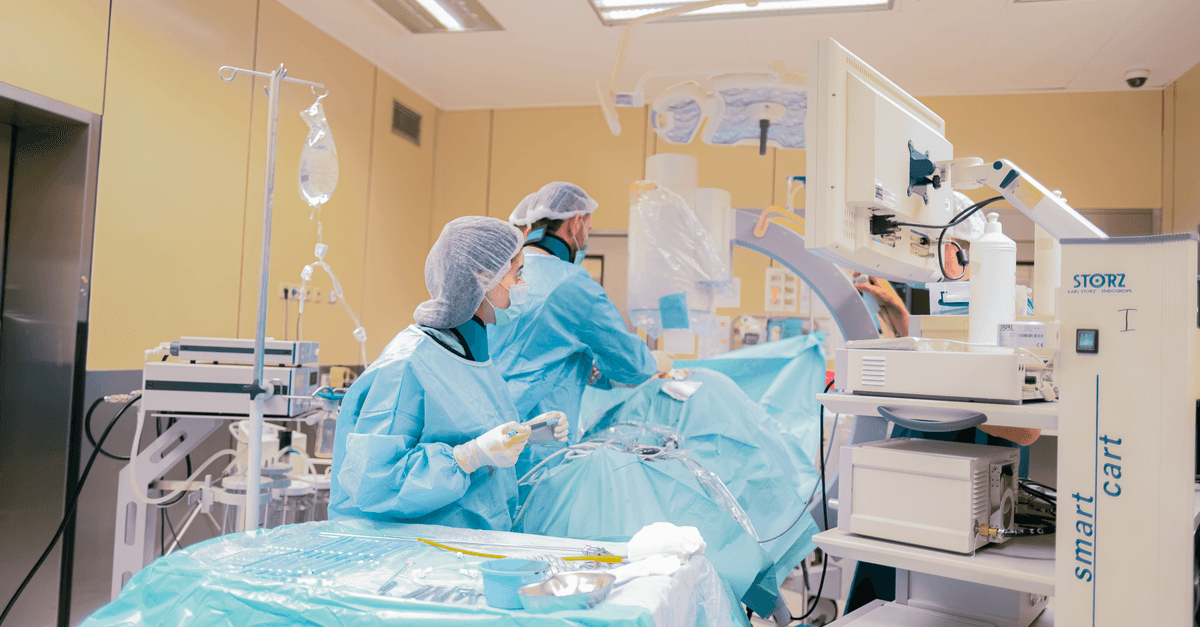
You receive comprehensive anesthesia support from pre-operative assessment through recovery planning. The skill helps you select appropriate anesthesia protocols based on patient factors, calculate precise drug dosages for your specific cases, and identify risk factors before surgery begins. You get real-time intra-operative guidance and evidence-based recommendations for monitoring and managing complications.
by russell-cell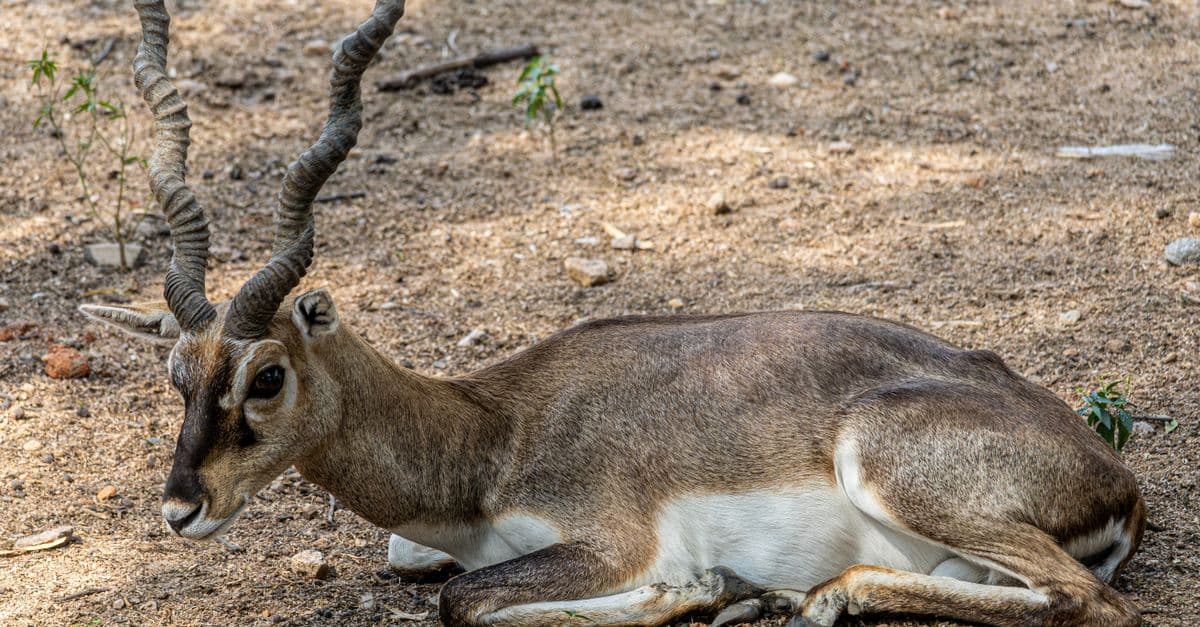
You get a veterinary decision-support partner specialized in exotic and zoo animal medicine. Claude provides species-specific diagnostic algorithms, evidence-based treatment recommendations, emergency protocols, and pharmacology guidance for cases ranging from common avian and reptile issues to complex zoo carnivore emergencies. Each recommendation includes safety considerations, containment procedures, and references to current best practices in exotic animal medicine.
by russell-cell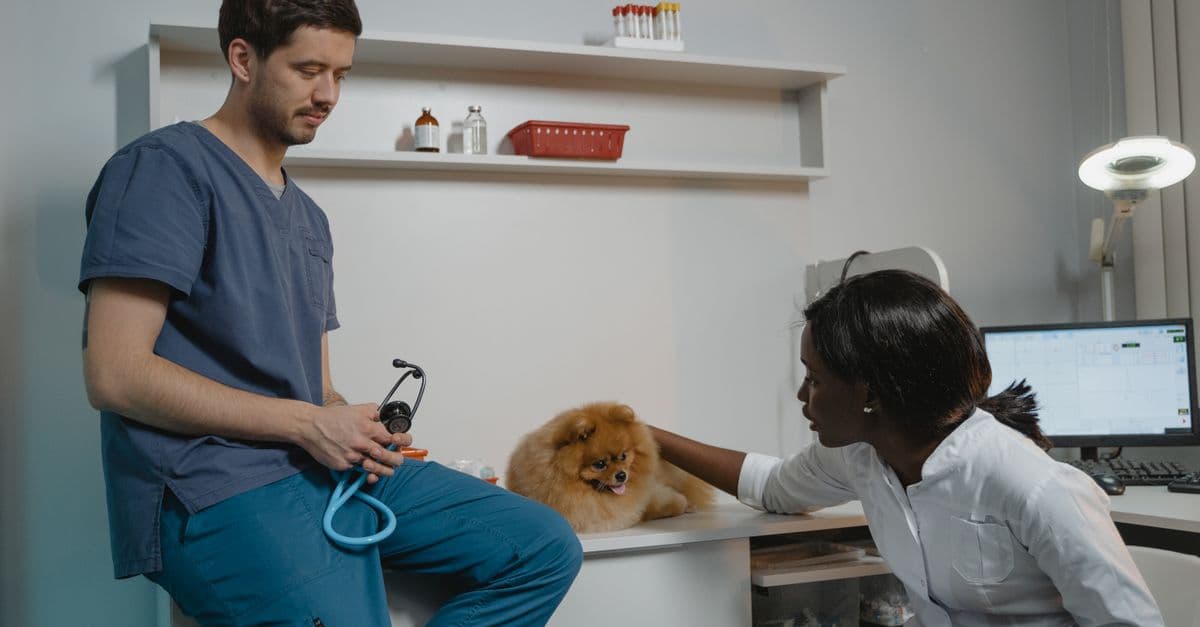
This skill provides veterinary surgeons with real-time decision support throughout the surgical journey, from initial case planning through final documentation. You can access anatomically informed recommendations, complication management protocols, and evidence-based techniques tailored to your patient's specific condition and clinical needs. Every consultation generates detailed, actionable guidance that enhances surgical outcomes and creates comprehensive case records.
by russell-cell
Aggregate performance metrics across all your business locations and generate unified analysis. Compare regional performance, identify top and bottom performers, spot trends, and create executive dashboards that reveal where to focus improvement efforts. Claude transforms raw data from multiple sources into clear, comparative insights.
by russell-cell
Generate comprehensive surgical protocols that standardize procedures across your surgical team. This skill helps you document pre-operative, intra-operative, and post-operative workflows, create role-specific checklists, and ensure consistent safety standards. You can rapidly prototype new protocols, adapt existing procedures, and maintain version control for protocol updates.
by russell-cell
Systematically evaluate equine lameness cases using organized diagnostic frameworks that capture clinical findings, generate prioritized differential diagnoses, and produce professional documentation. This skill helps you document your clinical assessment in a standardized format while creating clear reports for clients and referring veterinarians.
by russell-cell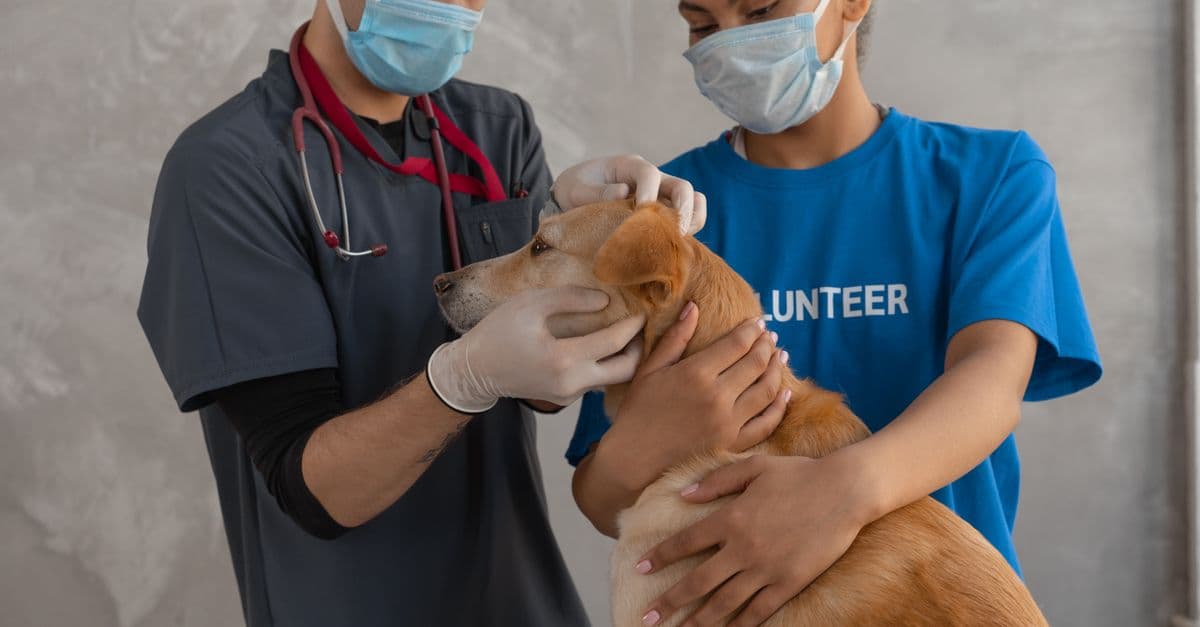
Generate systematic diagnostic workflows that organize clinical findings, build evidence-weighted differential diagnosis lists, and produce comprehensive case documentation. You provide structured guidance on differential diagnosis development, clinical reasoning frameworks, and test prioritization based on presenting signs and patient history. This skill helps you move from initial presentation through systematic problem-solving to actionable clinical decision-making.
by russell-cell