


Exotic Animal Clinical Decision Support
Evidence-based diagnostics and treatment protocols for exotic and zoo animal patients
What You Can Do
You get a veterinary decision-support partner specialized in exotic and zoo animal medicine. Claude provides species-specific diagnostic algorithms, evidence-based treatment recommendations, emergency protocols, and pharmacology guidance for cases ranging from common avian and reptile issues to complex zoo carnivore emergencies. Each recommendation includes safety considerations, containment procedures, and references to current best practices in exotic animal medicine.
Features
Access differential diagnosis frameworks tailored to exotic species anatomy, physiology, and common conditions. Receive diagnostic workflows specific to birds, reptiles, mammals, and amphibians with breed/subspecies variations.
Get evidence-based treatment recommendations including dosing calculations, administration routes, and monitoring parameters specific to each species and condition.
Access detailed pharmacology references with species-specific drug sensitivities, contraindications, and anesthesia protocols including pre-operative assessment and recovery monitoring.
Receive step-by-step emergency management protocols for critical exotic animal cases, including stabilization procedures, triage assessment, and resource requirements.
Get recommendations for safe handling procedures, containment strategies, and zoonotic disease precautions specific to the animal species and condition being treated.
Receive guidance on diagnostic imaging interpretation, laboratory value reference ranges, and necropsy pathology assessment for exotic species.
Access guidance on regulatory requirements, welfare standards, and documentation best practices for exotic animal cases and zoological institutions.
Example Output
Example 1: Avian Respiratory Case Presenting complaint: African Grey parrot with sneezing and nasal discharge
Differential Diagnosis Priority:
- Aspergillosis (most common fungal pathogen in birds)
- Bacterial rhinosinusitis
- Foreign body obstruction
- Environmental irritant response
Recommended Workup:
- Air sac endoscopy or CT imaging to visualize lower respiratory tract
- Fungal culture and sensitivity from tracheal/choana swabs
- Complete blood count (expect heterophilia if aspergillosis)
- Recommended treatment: Voriconazole 4 mg/kg PO q12h × 8-12 weeks
Example 2: Reptile Anesthesia Planning Presenting need: Green anaconda requiring surgical intervention (3.5m, ~15kg)
Pre-operative Assessment:
- Fasting: 2 weeks prior (snake has slow gastric emptying)
- Baseline vitals: body temperature, respiratory rate, heart rate
- Ketamine 5.5 mg/kg IM + Dexmedetomidine 0.1 mg/kg IM
- Monitoring: Pulse oximetry via tail probe, thermal regulation at 30-32°C
- Recovery: Atipamezole 0.1 mg/kg IM to reverse alpha-2 effects
Example 3: Zoo Emergency Protocol Scenario: Young Sumatran tiger with acute trauma and suspected internal bleeding
Immediate Actions:
- Chemical restraint: Tiletamine-zolazepam 6 mg/kg IM (allow 20-30 min onset)
- IV fluid resuscitation: Balanced electrolyte solution at 10-20 mL/kg/h
- Bleeding control: Pressure bandages on visible wounds
- Diagnostic imaging: Abdominal ultrasound to assess hemoperitoneum
- Surgical planning: Contact specialty exotic surgical center
What's Included
- Diagnostic Decision Trees: Interactive decision algorithms for common and uncommon exotic animal presentations, organized by organ system and species category.
- Treatment Protocol Library: Evidence-based protocols for medical and surgical conditions, including drug formulations, dosing calculators, and monitoring checklists.
- Pharmacology Reference: Comprehensive drug dosing guide specific to exotic species with contraindications, drug interactions, and adverse effect profiles.
- Emergency Procedures Manual: Step-by-step protocols for stabilization, resuscitation, and acute management of critical exotic animal cases.
- Species Information Database: Reference data on normal physiology, laboratory values, and breed-specific considerations for hundreds of exotic animal species.
Who It's For
- Zoo and Wildlife Veterinarians
- Exotic Animal Emergency Practitioners
- Wildlife Rehabilitation Specialists
- Zoological and Aquarium Medical Staff
Best For
- Differential Diagnosis Development
- Anesthesia and Surgical Planning
- Emergency Stabilization Protocols
- Pharmacology and Dosing Verification
- Species-Specific Patient Management
You might also like

This skill helps you build systematic diagnostic cases for horses and cattle by organizing clinical presentations, diagnostic findings, and differential diagnoses into a structured clinical framework. You can generate comprehensive case summaries that connect clinical signs to evidence-based differential diagnoses and therapeutic protocols. The skill produces actionable clinical plans that integrate diagnostic reasoning, treatment justification, and monitoring protocols.
 by russell-cell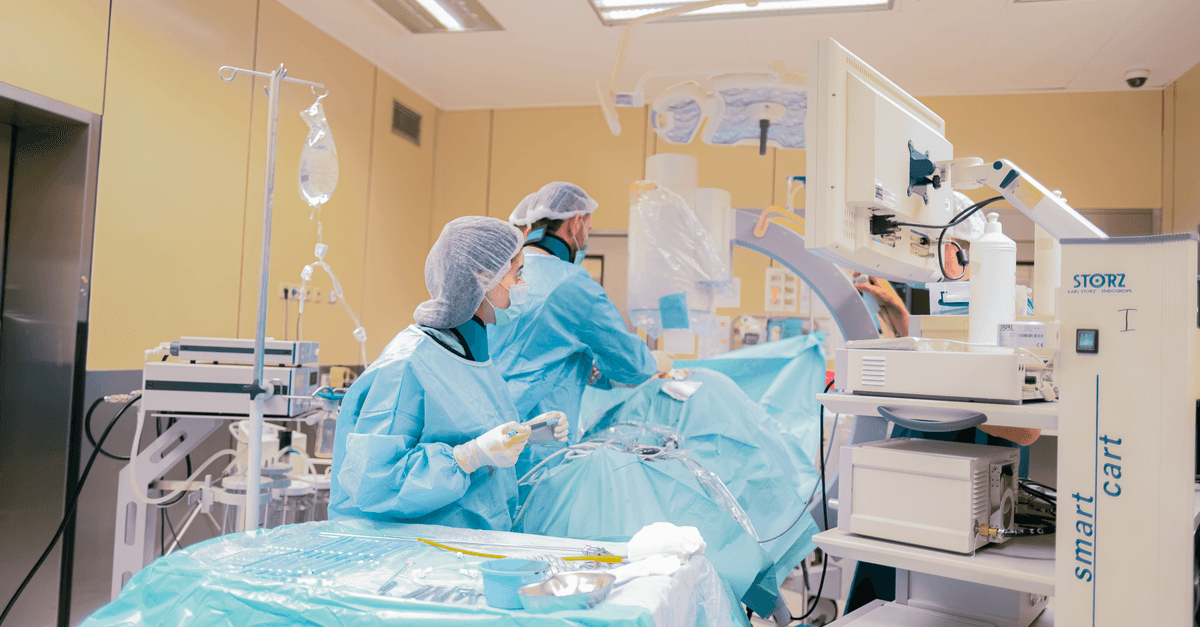
You receive comprehensive anesthesia support from pre-operative assessment through recovery planning. The skill helps you select appropriate anesthesia protocols based on patient factors, calculate precise drug dosages for your specific cases, and identify risk factors before surgery begins. You get real-time intra-operative guidance and evidence-based recommendations for monitoring and managing complications.
by russell-cell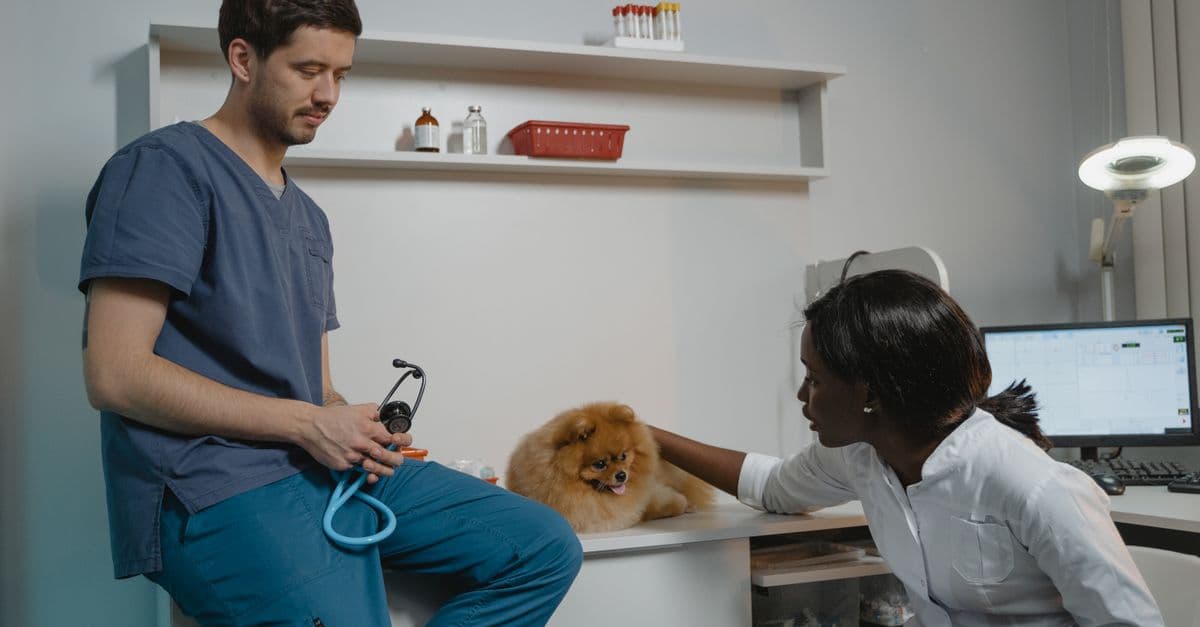
This skill provides veterinary surgeons with real-time decision support throughout the surgical journey, from initial case planning through final documentation. You can access anatomically informed recommendations, complication management protocols, and evidence-based techniques tailored to your patient's specific condition and clinical needs. Every consultation generates detailed, actionable guidance that enhances surgical outcomes and creates comprehensive case records.
by russell-cell
Aggregate performance metrics across all your business locations and generate unified analysis. Compare regional performance, identify top and bottom performers, spot trends, and create executive dashboards that reveal where to focus improvement efforts. Claude transforms raw data from multiple sources into clear, comparative insights.
by russell-cell
Generate comprehensive surgical protocols that standardize procedures across your surgical team. This skill helps you document pre-operative, intra-operative, and post-operative workflows, create role-specific checklists, and ensure consistent safety standards. You can rapidly prototype new protocols, adapt existing procedures, and maintain version control for protocol updates.
by russell-cell
Generate customized standard operating procedures (SOPs) that address your specific practice workflows, staffing levels, and patient care standards. You'll receive polished, implementable protocols for everything from patient intake to emergency procedures that your entire team can follow consistently. These SOPs reduce errors, improve client satisfaction, and establish scalable systems as your practice grows.
by russell-cell
You receive comprehensive pre-operative risk assessments and structured post-operative care protocols tailored to your specific dental cases. This skill systematically evaluates surgical candidates, documents pathology with standardized dental charting, develops multimodal pain management plans, and creates client-ready discharge instructions that reduce post-operative complications and improve recovery outcomes.
by russell-cell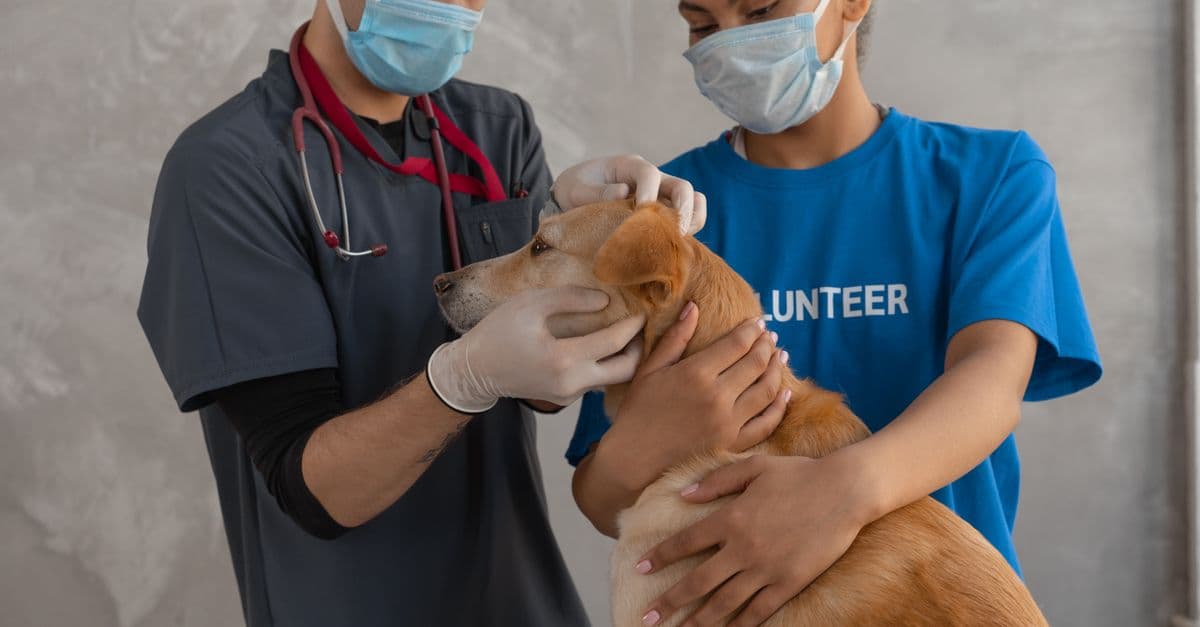
Generate systematic diagnostic workflows that organize clinical findings, build evidence-weighted differential diagnosis lists, and produce comprehensive case documentation. You provide structured guidance on differential diagnosis development, clinical reasoning frameworks, and test prioritization based on presenting signs and patient history. This skill helps you move from initial presentation through systematic problem-solving to actionable clinical decision-making.
by russell-cell