

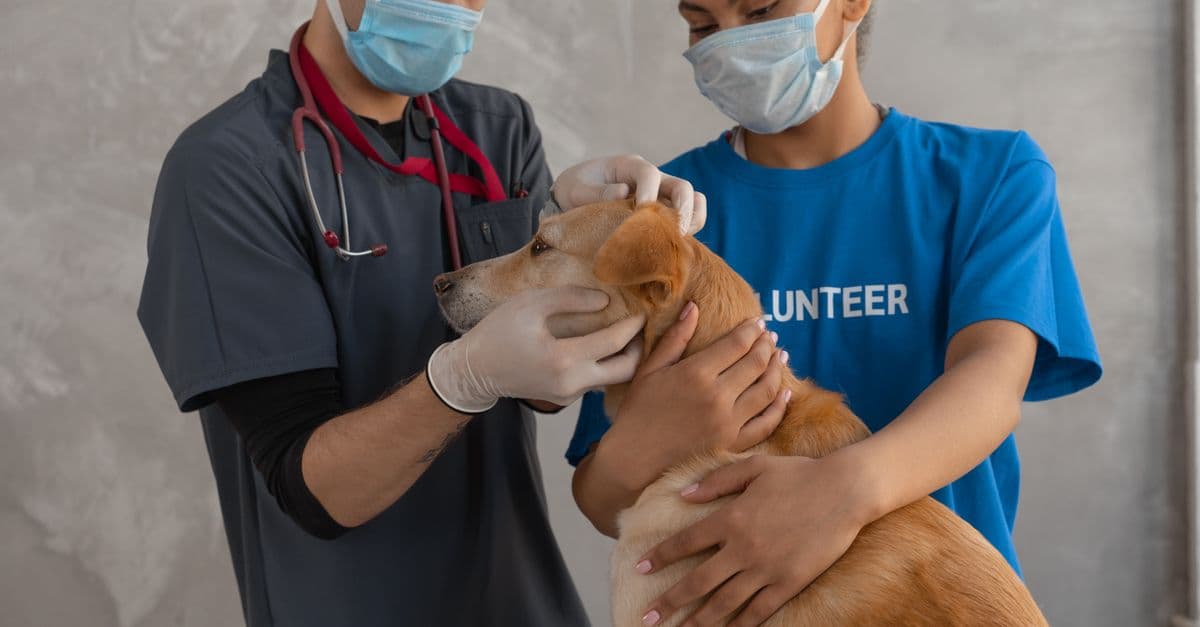
Small Animal Diagnostic Assistant
Structured diagnostic reasoning for small animal clinical cases
What You Can Do
Generate systematic diagnostic workflows that organize clinical findings, build evidence-weighted differential diagnosis lists, and produce comprehensive case documentation. You provide structured guidance on differential diagnosis development, clinical reasoning frameworks, and test prioritization based on presenting signs and patient history. This skill helps you move from initial presentation through systematic problem-solving to actionable clinical decision-making.
Features
Creates ranked differential diagnosis lists based on clinical signs, signalment, and epidemiology with evidence weighting for each differential
Structures history, physical examination findings, and clinical assessment into organized medical records following SOAP formatting principles
Develops step-by-step diagnostic algorithms that prioritize investigations based on urgency, likelihood, and test cost-effectiveness
Assigns clinical significance scores to findings and test results, helping you understand which findings most support or refute specific diagnoses
Recommends which diagnostic tests to order based on differential diagnoses, available resources, and clinical stability of the patient
Organizes clinical problems into body system categories (respiratory, cardiovascular, gastrointestinal, etc.) to prevent diagnostic tunnel vision
Creates concise clinical summaries highlighting key findings, differential diagnoses, diagnostic approach, and next steps for handoffs or referrals
Example Output
Example 1: Vomiting Case Summary
Presentation: 4-year-old female spayed Golden Retriever with 3 days acute onset vomiting
Key Findings:
- Vomitus: mostly bile-tinged liquid
- Physical exam: mild abdominal pain, otherwise stable
- Duration: acute (72 hours)
Differential Diagnosis (ranked by likelihood):
- Gastroenteritis (40%) - viral or dietary indiscretion
- GI foreign body (25%) - acute onset, breed predisposition
- Pancreatitis (20%) - abdominal pain, no diarrhea
- Linear foreign body (10%) - less likely without diarrhea
- Other (5%) - hepatic disease, metronidazole-responsive
Recommended Approach: Abdominal radiographs first (to rule out foreign body), then CBC/CMP if negative, consider ultrasound or fecal analysis based on initial findings.
Example 2: Lameness Diagnostic Framework
Presentation: 2-year-old male intact German Shepherd, forelimb lameness x 10 days
Systematic Evaluation:
- Problem: Weight-bearing lameness, left forelimb
- Signalment: Young, large-breed, athletic history
- Onset: Acute (10 days), no known trauma
- Progression: Worsening over past 3 days
Problem Categorization: Orthopedic vs Neurologic
Differentials by region:
- Elbow: OCD, incongruity, UAP
- Shoulder: OCD, ligament injury, myositis
- Soft tissue: Muscle strain, ligament sprain
Diagnostic Plan:
- Regional lameness exam (weight-bearing, non-weight-bearing, passive)
- Palpation for pain localization
- Radiographs of affected limb if localization supports
- Consider CT if radiographs inconclusive
What's Included
- Diagnostic Templates: Pre-structured templates for common presentations (vomiting, lameness, respiratory distress, etc.) that guide you through systematic assessment
- Clinical Reasoning Framework: Step-by-step methodology for moving from clinical signs to differential diagnoses using problem-oriented approach and body system categorization
- SOAP Documentation Guide: Instructions for organizing subjective history, objective findings, assessment, and diagnostic/therapeutic plans in professional medical record format
- Differential Diagnosis Checklists: Organized lists of common differentials for major presentations organized by signalment, acute/chronic onset, and system involvement
- Evidence Weighting Reference: Guidelines for assigning diagnostic significance to clinical findings, test results, and imaging based on sensitivity, specificity, and likelihood ratios
Who It's For
- Small animal veterinarians in private practice
- Veterinary emergency and critical care specialists
- Veterinary students in clinical rotations
- Veterinary residents in internal medicine and surgery
Best For
- Developing differential diagnosis lists for complex presentations
- Structuring case documentation and medical records
- Prioritizing diagnostic testing in resource-limited settings
- Teaching clinical reasoning to veterinary students
- Case handoffs and referral summaries for specialists
You might also like
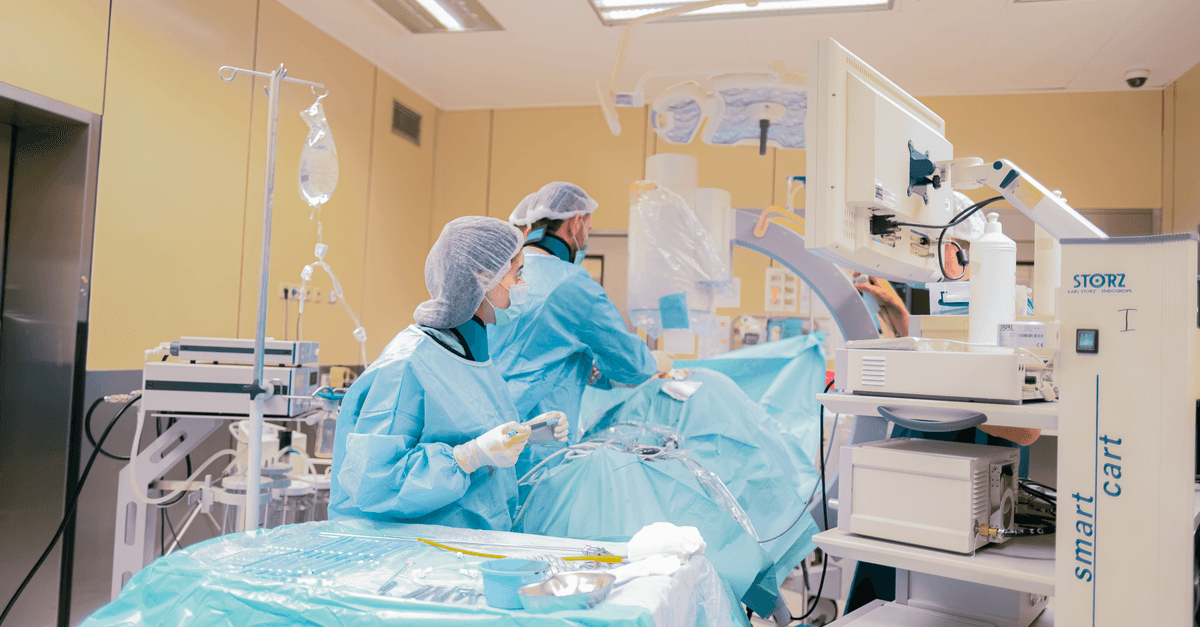
You receive comprehensive anesthesia support from pre-operative assessment through recovery planning. The skill helps you select appropriate anesthesia protocols based on patient factors, calculate precise drug dosages for your specific cases, and identify risk factors before surgery begins. You get real-time intra-operative guidance and evidence-based recommendations for monitoring and managing complications.
 by russell-cell
This skill provides veterinary surgeons with real-time decision support throughout the surgical journey, from initial case planning through final documentation. You can access anatomically informed recommendations, complication management protocols, and evidence-based techniques tailored to your patient's specific condition and clinical needs. Every consultation generates detailed, actionable guidance that enhances surgical outcomes and creates comprehensive case records.
by russell-cell
Aggregate performance metrics across all your business locations and generate unified analysis. Compare regional performance, identify top and bottom performers, spot trends, and create executive dashboards that reveal where to focus improvement efforts. Claude transforms raw data from multiple sources into clear, comparative insights.
by russell-cell
Generate comprehensive surgical protocols that standardize procedures across your surgical team. This skill helps you document pre-operative, intra-operative, and post-operative workflows, create role-specific checklists, and ensure consistent safety standards. You can rapidly prototype new protocols, adapt existing procedures, and maintain version control for protocol updates.
by russell-cell
You can audit and standardize operations, compliance protocols, and team performance across all your veterinary clinic locations simultaneously. This skill helps you create consistent Standard Operating Procedures (SOPs), track compliance metrics, benchmark staff performance, and identify operational bottlenecks across your multi-location practice. You'll gain visibility into financial performance, inventory management, and quality metrics across all clinics, enabling data-driven decisions that improve profitability and patient care consistency.
by russell-cell
Generate customized standard operating procedures (SOPs) that address your specific practice workflows, staffing levels, and patient care standards. You'll receive polished, implementable protocols for everything from patient intake to emergency procedures that your entire team can follow consistently. These SOPs reduce errors, improve client satisfaction, and establish scalable systems as your practice grows.
by russell-cell
Prepare surgical cases by analyzing patient data, risk factors, and anatomical considerations to generate customized approach plans and procedural checklists. You receive a structured surgical strategy that includes approach options, complication contingencies, and post-operative protocols, reducing case preparation time and improving team coordination.
by russell-cell
This skill delivers evidence-based differential diagnosis frameworks tailored to exotic and zoo animals. You input clinical signs, patient details, and diagnostic findings to receive ranked differentials with species-specific reasoning, priority testing recommendations, and likelihood assessment. It accelerates diagnostic decision-making while accounting for the unique anatomy, physiology, and disease prevalence of exotic species.
by russell-cell