

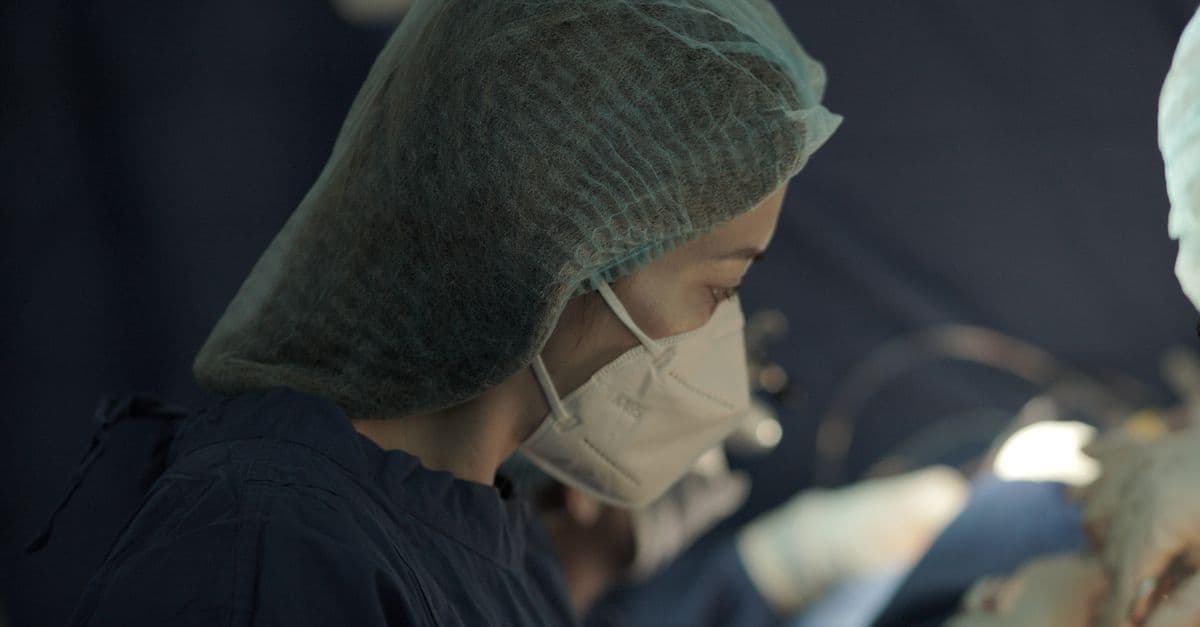
Surgical Assistant Protocol Manager
Create and manage surgical protocols with precision workflows
What You Can Do
Generate comprehensive surgical protocols that standardize procedures across your surgical team. This skill helps you document pre-operative, intra-operative, and post-operative workflows, create role-specific checklists, and ensure consistent safety standards. You can rapidly prototype new protocols, adapt existing procedures, and maintain version control for protocol updates.
Features
Automatically generate structured surgical protocols with clear sections for patient prep, equipment setup, procedural steps, and closure techniques
Create comprehensive pre-op, time-out, and post-op safety checklists aligned with surgical team best practices and compliance standards
Define specific responsibilities for surgeons, surgical nurses, anesthesiologists, and other team members throughout the procedure
Break down surgical procedures into estimated time-blocked steps with decision points and contingency protocols
Generate decision trees for managing common complications with branching paths, escalation criteria, and communication protocols
Automatically inventory required instruments, implants, medications, and backup supplies with sterility and handling notes
Track protocol updates with change logs, revision dates, and approval signatures for regulatory compliance and traceability
Generate pre-procedure briefing scripts and post-procedure debrief templates to standardize team communication
Example Output
Example: Laparoscopic Cholecystectomy Protocol
Pre-Operative Phase (30 minutes before)
- Surgeon Role: Final patient verification, imaging review
- Nurse Role: Patient positioning, equipment checks, counts
- Anesthesia Role: Monitoring setup, IV access confirmation
Critical Time-Out (before incision)
- Confirm patient identity and procedure (all team members)
- Verify imaging is displayed
- Antibiotic administration confirmed
- Equipment functionality verified
Intra-Operative (45-60 minute window)
- Port placement (10 min) - Veress needle technique, primary trocar, additional ports
- Exploration (5 min) - Survey for adhesions, anatomy variant identification
- Dissection (20 min) - Critical view of safety achieved, cystic artery identification
- Removal (10 min) - Specimen bagging, port closure
Complication Response: Bile Duct Injury
- Immediate: Stop procedure, notify attending surgeon
- Assessment: Irrigation, visualization of injury type
- Decision: Primary repair vs. referral (call hepatobiliary surgery)
What's Included
- Protocol Template Library: Pre-built templates for common surgical procedures across specialties that you can customize
- Safety Checklist Generator: Tools to create WHO Surgical Safety Checklist compliant checklists for any procedure
- Role Assignment Framework: Structured templates for defining surgical team roles with responsibility matrices
- Complication Decision Trees: Ready-to-adapt decision trees for managing common intra-operative complications
- Documentation Standards: Formatting guidelines and examples for consistent protocol documentation across your facility
Who It's For
- Surgical Team Leads
- Operating Room Managers
- Quality and Safety Officers
- Surgical Residency Program Directors
- Hospital Protocol Development Committees
Best For
- Creating new surgical protocols from scratch
- Standardizing procedures across multiple ORs
- Developing safety checklists and time-outs
- Training new surgical team members on procedure workflows
- Documenting protocol updates and maintaining audit trails
You might also like
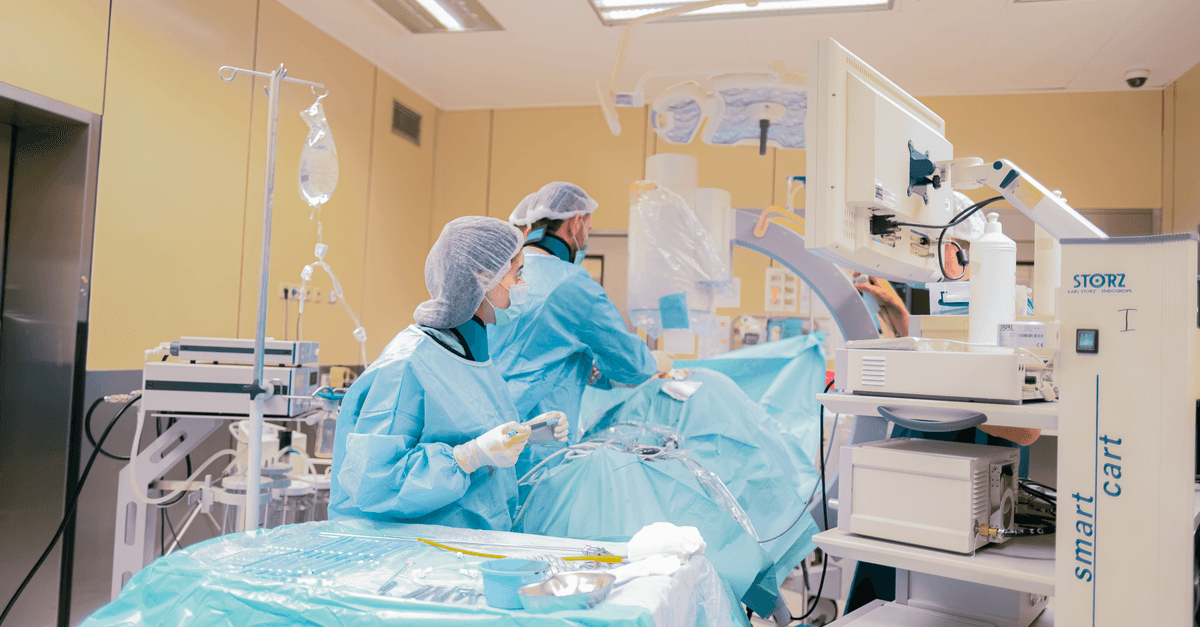
You receive comprehensive anesthesia support from pre-operative assessment through recovery planning. The skill helps you select appropriate anesthesia protocols based on patient factors, calculate precise drug dosages for your specific cases, and identify risk factors before surgery begins. You get real-time intra-operative guidance and evidence-based recommendations for monitoring and managing complications.
 by russell-cell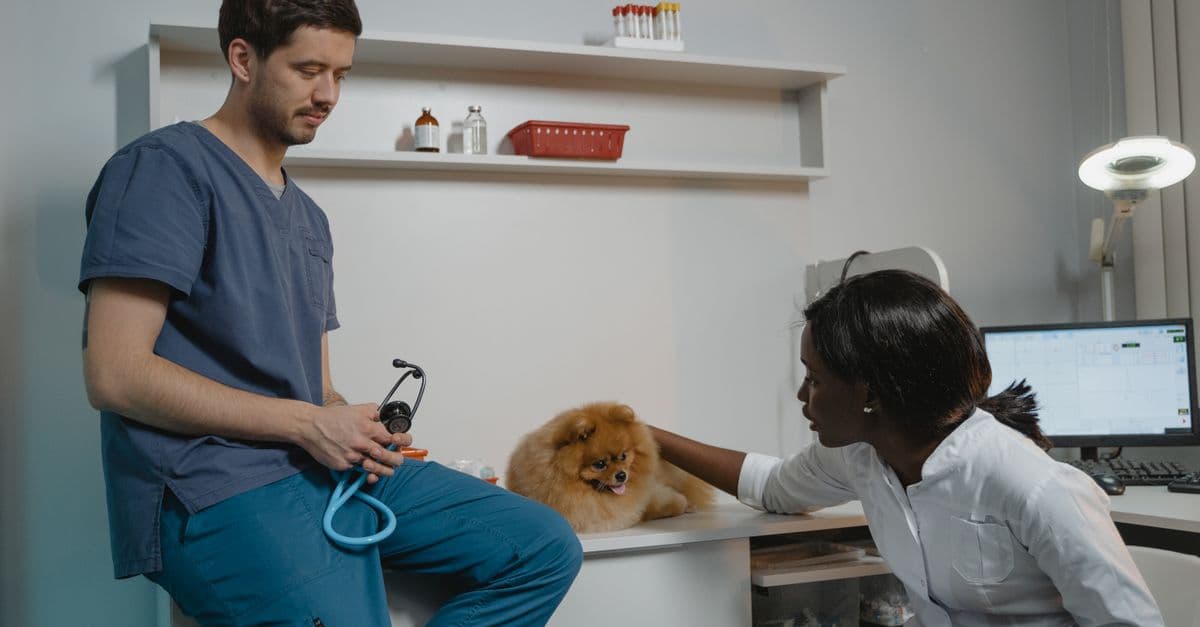
This skill provides veterinary surgeons with real-time decision support throughout the surgical journey, from initial case planning through final documentation. You can access anatomically informed recommendations, complication management protocols, and evidence-based techniques tailored to your patient's specific condition and clinical needs. Every consultation generates detailed, actionable guidance that enhances surgical outcomes and creates comprehensive case records.
by russell-cell
Aggregate performance metrics across all your business locations and generate unified analysis. Compare regional performance, identify top and bottom performers, spot trends, and create executive dashboards that reveal where to focus improvement efforts. Claude transforms raw data from multiple sources into clear, comparative insights.
by russell-cell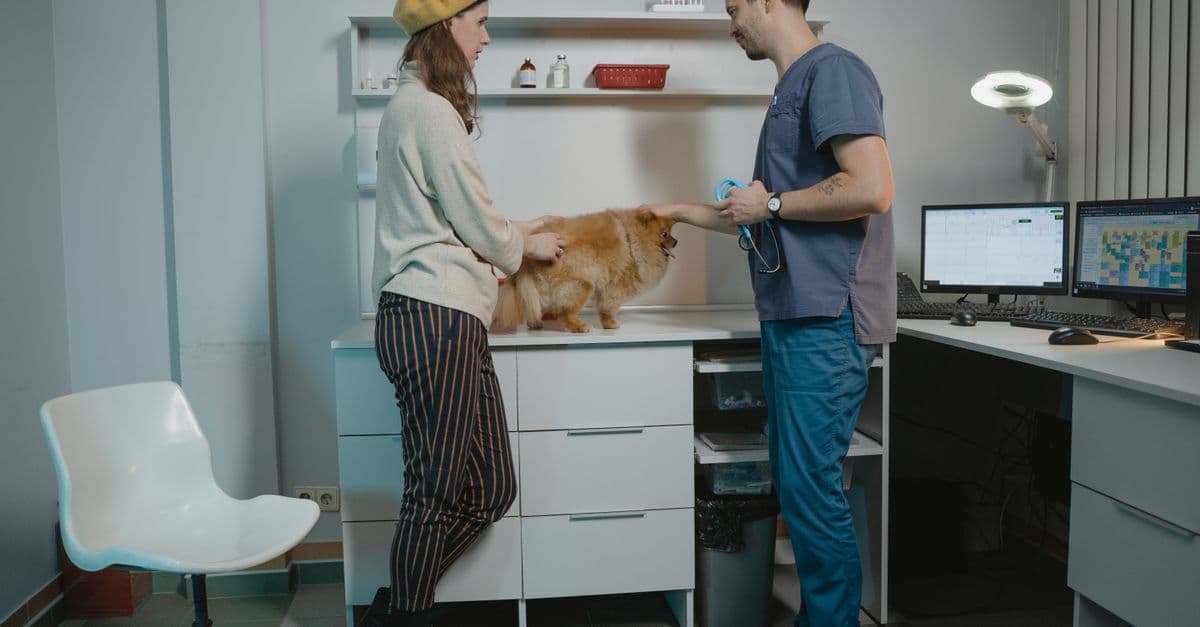
Generate customized standard operating procedures (SOPs) that address your specific practice workflows, staffing levels, and patient care standards. You'll receive polished, implementable protocols for everything from patient intake to emergency procedures that your entire team can follow consistently. These SOPs reduce errors, improve client satisfaction, and establish scalable systems as your practice grows.
by russell-cell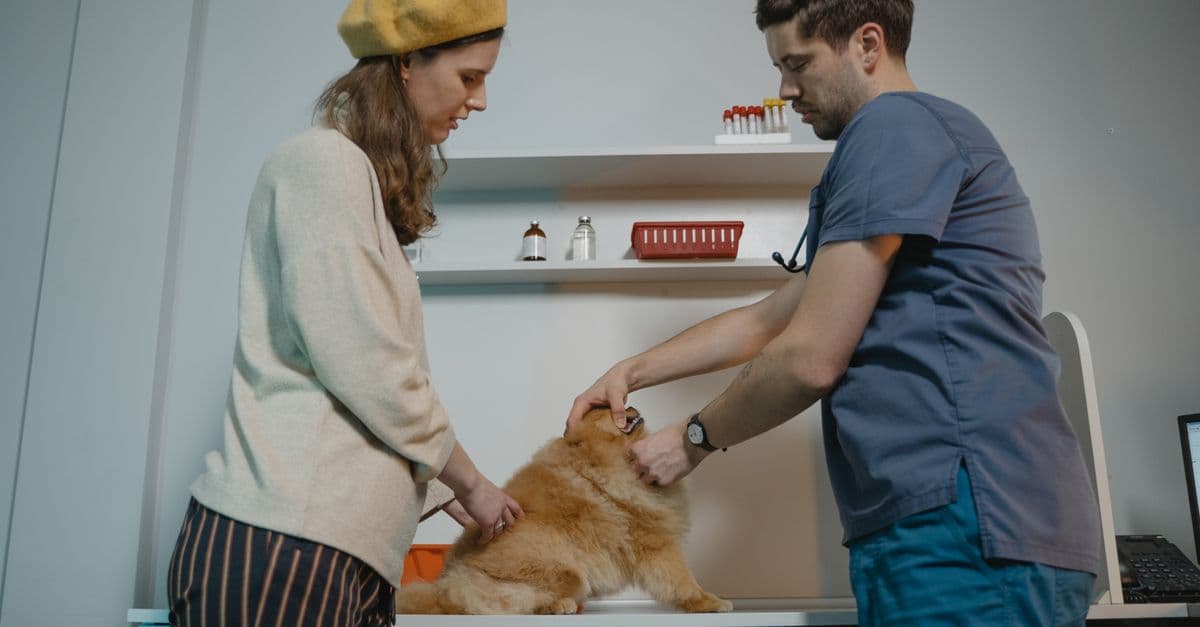
You can audit and standardize operations, compliance protocols, and team performance across all your veterinary clinic locations simultaneously. This skill helps you create consistent Standard Operating Procedures (SOPs), track compliance metrics, benchmark staff performance, and identify operational bottlenecks across your multi-location practice. You'll gain visibility into financial performance, inventory management, and quality metrics across all clinics, enabling data-driven decisions that improve profitability and patient care consistency.
by russell-cell
You receive comprehensive pre-operative risk assessments and structured post-operative care protocols tailored to your specific dental cases. This skill systematically evaluates surgical candidates, documents pathology with standardized dental charting, develops multimodal pain management plans, and creates client-ready discharge instructions that reduce post-operative complications and improve recovery outcomes.
by russell-cell
You can rapidly assess emergency veterinary cases by analyzing presenting signs, vital parameters, and patient history to generate evidence-based triage scores and structured treatment plans. The skill creates actionable clinical decisions, dosage calculations, and monitoring protocols tailored to each patient's specific condition and severity level, helping you prioritize interventions and communicate clearly with emergency teams and owners.
by russell-cell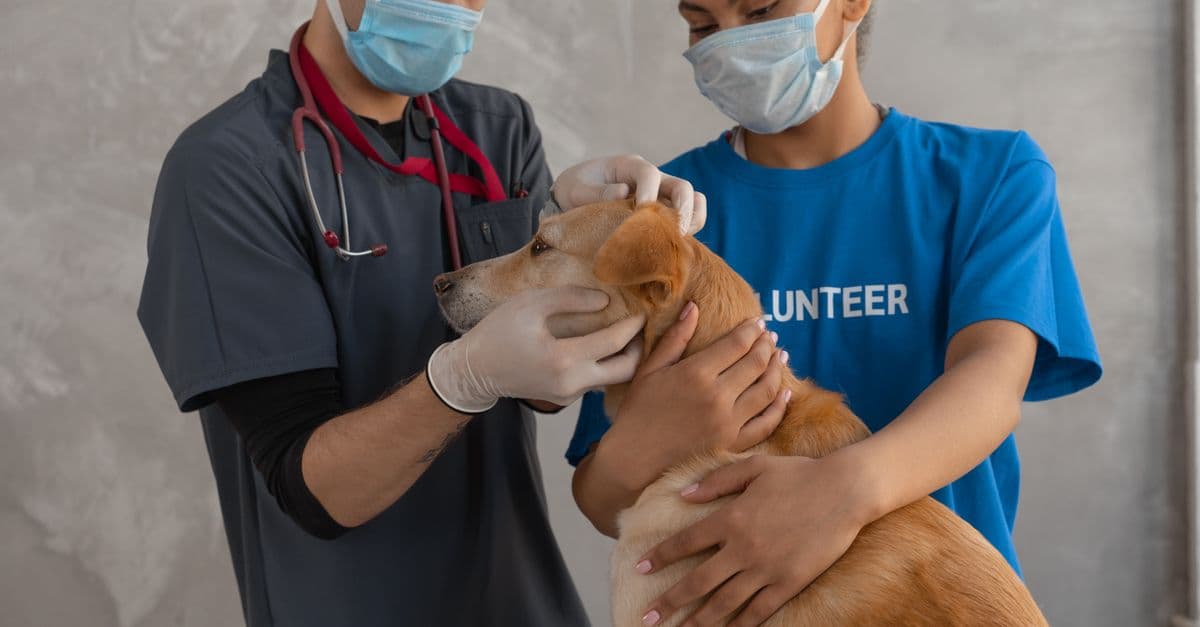
Generate systematic diagnostic workflows that organize clinical findings, build evidence-weighted differential diagnosis lists, and produce comprehensive case documentation. You provide structured guidance on differential diagnosis development, clinical reasoning frameworks, and test prioritization based on presenting signs and patient history. This skill helps you move from initial presentation through systematic problem-solving to actionable clinical decision-making.
by russell-cell