


Large Animal Diagnostic Case Builder
Structure equine and bovine diagnostic cases with evidence-based treatment recommendations
What You Can Do
This skill helps you build systematic diagnostic cases for horses and cattle by organizing clinical presentations, diagnostic findings, and differential diagnoses into a structured clinical framework. You can generate comprehensive case summaries that connect clinical signs to evidence-based differential diagnoses and therapeutic protocols. The skill produces actionable clinical plans that integrate diagnostic reasoning, treatment justification, and monitoring protocols.
Features
Organize clinical presentation, signalment, diagnostic findings, and assessment into a systematic framework suitable for medical records and case presentations.
Systematically generate ranked differential diagnoses based on clinical signs, epidemiologic factors, and diagnostic findings specific to equine and bovine medicine.
Generate multi-step therapeutic protocols with drug dosages, routes, durations, and clinical justification based on current large animal veterinary literature.
Evaluate cases involving multiple organ systems and identify systemic interconnections that may affect diagnosis and treatment approach.
Estimate clinical outcomes, expected timelines, complication risks, and prognostic indicators to set realistic client expectations.
Generate professional case documentation that explains diagnostic reasoning and treatment decisions for medical records and professional communication.
Define reassessment schedules, monitoring parameters, response criteria, and decision points for treatment modification or escalation.
Example Output
Equine Lameness Case Example
Case Summary Patient: 7-year-old Quarter Horse mare Chief Complaint: Acute forelimb lameness, right carpus Duration: 10 days, progressive
Physical Examination Findings
- Right carpus: Swelling, heat on palpation, pain with flexion
- Lameness grade: 3/5 at trot
- Radiographic findings: Early degenerative changes, possible chip fragment
- Ultrasound: Hypoechoic lesion in accessory ligament
Differential Diagnoses (ranked by likelihood)
- Accessory ligament injury with secondary joint involvement (70% probability)
- Carpal chip fracture with soft tissue involvement (20% probability)
- Synovitis secondary to degenerative joint disease (10% probability)
Recommended Treatment Plan
- Phase 1 (weeks 1-2): Stall rest, NSAIDs (phenylbutazone 2.2 mg/kg BID), ice therapy, therapeutic ultrasound
- Phase 2 (weeks 3-6): Controlled hand-walking, intrasynovial corticosteroid injection, regenerative therapy consideration
- Prognosis: 65% return to previous performance level with appropriate management
- Follow-up: Ultrasound reevaluation at 4 weeks, lameness evaluation at 8 weeks
Bovine Respiratory Disease Case Example
Calf: 10-month-old feedlot Angus steer Presentation: Fever (39.5°C), bilateral nasal discharge, tachypnea (38 breaths/min), reduced feed intake Herd context: 3 additional animals with similar signs in past 5 days
Recommended Treatment Protocol
- Antimicrobial: Tulathromycin 2.5 mg/kg IM (single dose covers 14 days)
- Anti-inflammatory: Meloxicam 0.5 mg/kg daily for 3 days
- Supportive care: Ensure water availability, monitor feed intake
- Monitoring: Daily vital signs, response assessment at 48 hours, retreat if no improvement
- Prognosis: 75% recovery with early treatment, assess for chronic pneumonia if treatment failure
What's Included
- Diagnostic case template: Structured format for organizing clinical information including signalment, history, physical examination findings, and diagnostic test results.
- Clinical reasoning framework: Systematic approach to evaluate clinical signs, generate differential diagnoses, and select diagnostic tests appropriate for equine and bovine cases.
- Treatment protocol library: Reference database of evidence-based therapeutic options for common large animal conditions including dosages and clinical applications.
- Case analysis checklist: Verification tool to ensure completeness of case documentation including all relevant clinical data and reasoning steps.
- Monitoring and follow-up guidance: Post-treatment surveillance protocols including reassessment timelines, response criteria, and decision points for treatment modification.
Who It's For
- Equine veterinarians
- Bovine veterinarians
- Veterinary students and residents
- Veterinary technicians and support staff
- Mixed animal practitioners
Best For
- Complex multi-system diagnostic cases
- Treatment planning and clinical justification
- Medical record documentation
- Differential diagnosis refinement
- Clinical teaching case development
You might also like
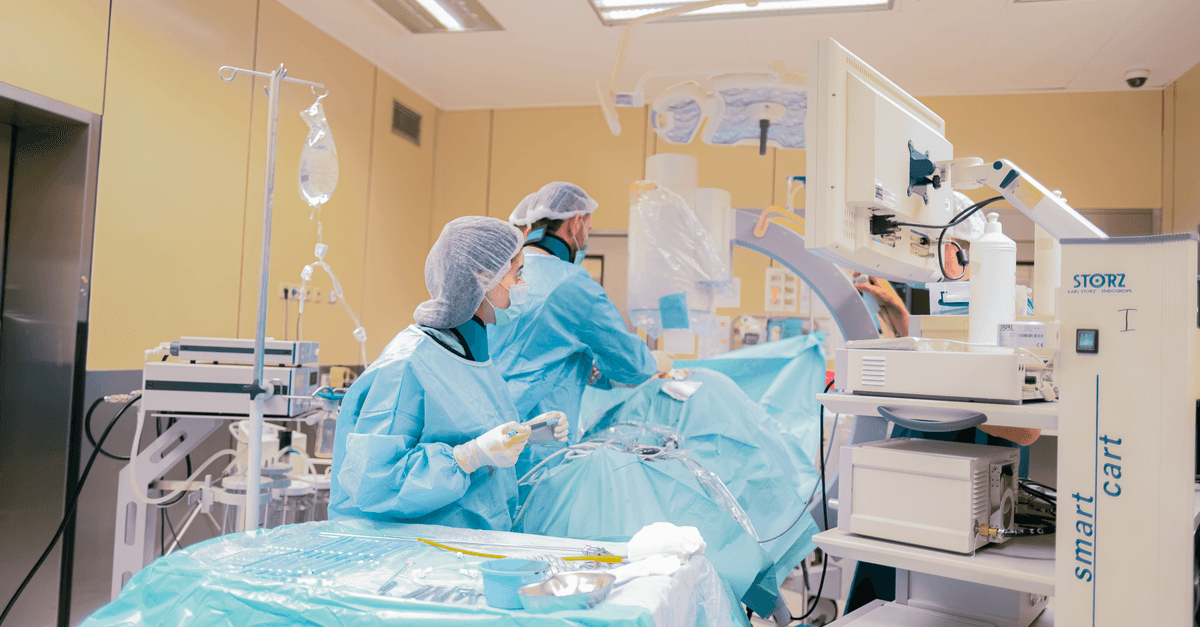
You receive comprehensive anesthesia support from pre-operative assessment through recovery planning. The skill helps you select appropriate anesthesia protocols based on patient factors, calculate precise drug dosages for your specific cases, and identify risk factors before surgery begins. You get real-time intra-operative guidance and evidence-based recommendations for monitoring and managing complications.
 by russell-cell
This skill provides veterinary surgeons with real-time decision support throughout the surgical journey, from initial case planning through final documentation. You can access anatomically informed recommendations, complication management protocols, and evidence-based techniques tailored to your patient's specific condition and clinical needs. Every consultation generates detailed, actionable guidance that enhances surgical outcomes and creates comprehensive case records.
by russell-cell
Aggregate performance metrics across all your business locations and generate unified analysis. Compare regional performance, identify top and bottom performers, spot trends, and create executive dashboards that reveal where to focus improvement efforts. Claude transforms raw data from multiple sources into clear, comparative insights.
by russell-cell
Generate comprehensive surgical protocols that standardize procedures across your surgical team. This skill helps you document pre-operative, intra-operative, and post-operative workflows, create role-specific checklists, and ensure consistent safety standards. You can rapidly prototype new protocols, adapt existing procedures, and maintain version control for protocol updates.
by russell-cell
Generate customized standard operating procedures (SOPs) that address your specific practice workflows, staffing levels, and patient care standards. You'll receive polished, implementable protocols for everything from patient intake to emergency procedures that your entire team can follow consistently. These SOPs reduce errors, improve client satisfaction, and establish scalable systems as your practice grows.
by russell-cell
You receive comprehensive pre-operative risk assessments and structured post-operative care protocols tailored to your specific dental cases. This skill systematically evaluates surgical candidates, documents pathology with standardized dental charting, develops multimodal pain management plans, and creates client-ready discharge instructions that reduce post-operative complications and improve recovery outcomes.
by russell-cell
You can rapidly assess emergency veterinary cases by analyzing presenting signs, vital parameters, and patient history to generate evidence-based triage scores and structured treatment plans. The skill creates actionable clinical decisions, dosage calculations, and monitoring protocols tailored to each patient's specific condition and severity level, helping you prioritize interventions and communicate clearly with emergency teams and owners.
by russell-cell
Generate systematic diagnostic workflows that organize clinical findings, build evidence-weighted differential diagnosis lists, and produce comprehensive case documentation. You provide structured guidance on differential diagnosis development, clinical reasoning frameworks, and test prioritization based on presenting signs and patient history. This skill helps you move from initial presentation through systematic problem-solving to actionable clinical decision-making.
by russell-cell