

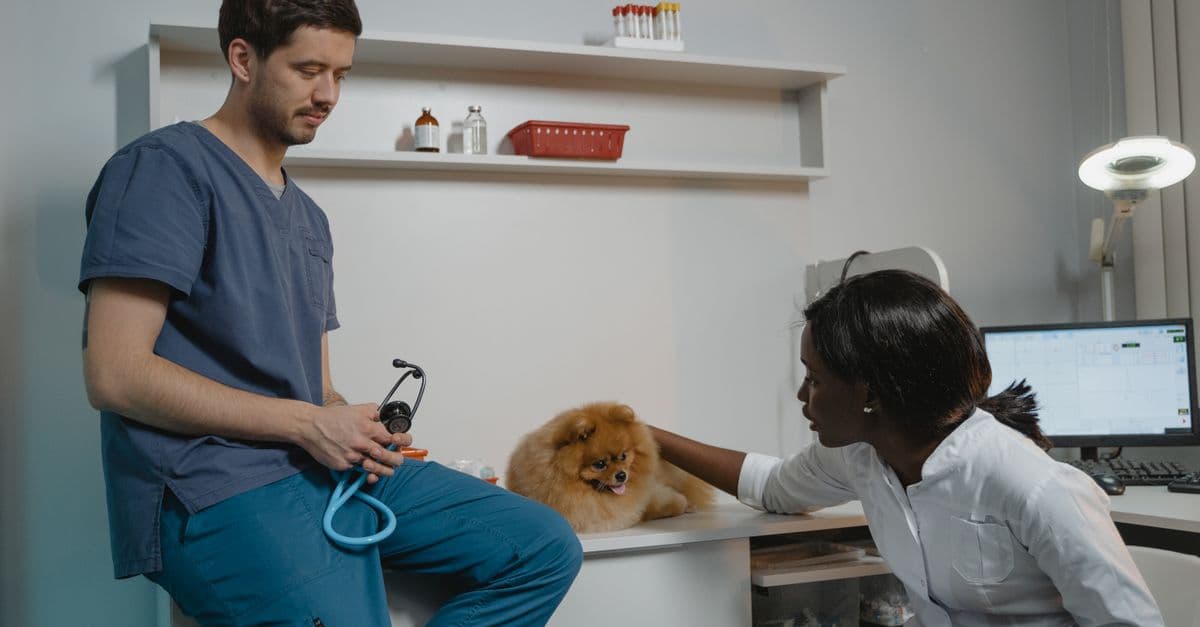
Veterinary Surgical Case Advisor
Plan, Execute, and Document Complex Surgical Cases with Confidence
What You Can Do
This skill provides veterinary surgeons with real-time decision support throughout the surgical journey, from initial case planning through final documentation. You can access anatomically informed recommendations, complication management protocols, and evidence-based techniques tailored to your patient's specific condition and clinical needs. Every consultation generates detailed, actionable guidance that enhances surgical outcomes and creates comprehensive case records.
Features
Generate comprehensive surgical plans with risk assessment, patient positioning, instrument selection, timeline estimates, and patient-specific anatomical considerations before making the first incision.
Get real-time guidance on technique modifications, vessel management, tissue handling, and procedural alternatives when unexpected anatomy or complications arise during surgery.
Access evidence-based management strategies for hemorrhage control, iatrogenic injuries, anesthetic emergencies, and other intraoperative crises with step-by-step action plans.
Receive species-specific and breed-specific anatomical landmarks, neurovascular bundle locations, and tissue plane descriptions to guide your surgical approach safely.
Draw on detailed step-by-step descriptions of standard and advanced techniques, including instrument-specific modifications and surgeon-specific variations.
Generate structured, comprehensive surgical reports that document findings, technique modifications, complications, and clinical reasoning for thorough medical records.
Get evidence-based post-op care plans including pain management, activity restrictions, medication protocols, and recheck timelines tailored to the specific procedure.
Example Output
Pre-operative Plan for Laparoscopic Ovariohysterectomy (8-year-old Labrador):
- Patient Risk: ASA II (controlled hypothyroidism), moderate body condition
- Equipment: 12mm umbilical trocar, 5mm auxiliary trocars, vessel sealing device recommended
- Key Landmarks: Spay ligament 2-3cm cranial to pubis, ovarian pedicle 1-2cm from gonad
- Expected Duration: 25-35 minutes, conversion plan if major bleeding occurs
- Anesthesia Alert: Potential conversion to open if hemorrhage uncontrolled
Intraoperative Complication: Hemorrhage from Ovarian Pedicle
- Apply gentle caudal traction to tamponade bleeding
- Increase irrigation to visualize bleeding site
- Activate vessel sealing device at wattage 2.0-2.5 for 5mm tissue bundle
- If bleeding continues: Convert to open surgery via small celiotomy and ligate with 3-0 absorbable suture
Post-operative Documentation:
Procedure: Minimally invasive bilateral ovariohysterectomy completed successfully. Complications: Temporary hemorrhage from left ovarian pedicle controlled via vessel sealing device, no conversion required. Post-op Plan: Limited activity 14 days, pain assessment days 3 and 7, suture removal at 10-14 days if applicable.
What's Included
- Pre-surgical Assessment Framework: Templates for patient evaluation, risk stratification, and surgical plan customization based on species, breed, age, and comorbidities.
- Intraoperative Decision Trees: Step-by-step logic maps for managing unexpected findings, tissue variations, anatomical anomalies, and common complications in real-time.
- Complication Management Protocols: Evidence-based response strategies for hemorrhage, organ perforation, vascular injury, anesthetic emergencies, and equipment failures.
- Surgical Technique Reference Library: Detailed descriptions of standard and advanced techniques across multiple surgical disciplines with anatomical precision and clinical variations.
- Case Documentation Templates: Structured report formats that capture surgical findings, technique modifications, complication management, and clinical reasoning for thorough medical records.
Who It's For
- Veterinary surgeons and surgical specialists
- Surgical residents and interns in training programs
- Emergency veterinarians managing acute surgical cases
- General practitioners performing routine surgical procedures
- Veterinary teaching hospital faculty and educators
Best For
- Pre-operative case planning and risk assessment
- Managing unexpected findings or complications during surgery
- Learning unfamiliar or advanced surgical techniques
- Intraoperative problem-solving and decision-making
- Comprehensive surgical case documentation and record-keeping
You might also like
You receive comprehensive anesthesia support from pre-operative assessment through recovery planning. The skill helps you select appropriate anesthesia protocols based on patient factors, calculate precise drug dosages for your specific cases, and identify risk factors before surgery begins. You get real-time intra-operative guidance and evidence-based recommendations for monitoring and managing complications.
 by russell-cell
Aggregate performance metrics across all your business locations and generate unified analysis. Compare regional performance, identify top and bottom performers, spot trends, and create executive dashboards that reveal where to focus improvement efforts. Claude transforms raw data from multiple sources into clear, comparative insights.
by russell-cell
Generate comprehensive surgical protocols that standardize procedures across your surgical team. This skill helps you document pre-operative, intra-operative, and post-operative workflows, create role-specific checklists, and ensure consistent safety standards. You can rapidly prototype new protocols, adapt existing procedures, and maintain version control for protocol updates.
by russell-cell
Generate systematic diagnostic workflows that organize clinical findings, build evidence-weighted differential diagnosis lists, and produce comprehensive case documentation. You provide structured guidance on differential diagnosis development, clinical reasoning frameworks, and test prioritization based on presenting signs and patient history. This skill helps you move from initial presentation through systematic problem-solving to actionable clinical decision-making.
by russell-cell
You can audit and standardize operations, compliance protocols, and team performance across all your veterinary clinic locations simultaneously. This skill helps you create consistent Standard Operating Procedures (SOPs), track compliance metrics, benchmark staff performance, and identify operational bottlenecks across your multi-location practice. You'll gain visibility into financial performance, inventory management, and quality metrics across all clinics, enabling data-driven decisions that improve profitability and patient care consistency.
by russell-cell
Generate customized standard operating procedures (SOPs) that address your specific practice workflows, staffing levels, and patient care standards. You'll receive polished, implementable protocols for everything from patient intake to emergency procedures that your entire team can follow consistently. These SOPs reduce errors, improve client satisfaction, and establish scalable systems as your practice grows.
by russell-cell
Prepare surgical cases by analyzing patient data, risk factors, and anatomical considerations to generate customized approach plans and procedural checklists. You receive a structured surgical strategy that includes approach options, complication contingencies, and post-operative protocols, reducing case preparation time and improving team coordination.
by russell-cell
This skill delivers evidence-based differential diagnosis frameworks tailored to exotic and zoo animals. You input clinical signs, patient details, and diagnostic findings to receive ranked differentials with species-specific reasoning, priority testing recommendations, and likelihood assessment. It accelerates diagnostic decision-making while accounting for the unique anatomy, physiology, and disease prevalence of exotic species.
by russell-cell