


Veterinary Surgical Case Planner
Plan complex surgical cases with AI-guided analysis and documentation
What You Can Do
Prepare surgical cases by analyzing patient data, risk factors, and anatomical considerations to generate customized approach plans and procedural checklists. You receive a structured surgical strategy that includes approach options, complication contingencies, and post-operative protocols, reducing case preparation time and improving team coordination.
Features
Evaluates patient health status, comorbidities, and case complexity to identify surgical risks and appropriate modifications to standard protocols
Generates multiple surgical approach options with pros/cons analysis, helping you select the optimal technique for each case
Creates step-by-step surgical checklists tailored to your specific case, including equipment needs, positioning, and technique considerations
Identifies anesthetic protocols, drug dosing guidance, and monitoring parameters based on patient-specific factors
Develops backup plans and emergency protocols for potential intraoperative complications specific to your case
Outlines recovery management, pain control strategies, activity restrictions, and monitoring checkpoints
Creates concise pre-operative briefing documents to align surgical team members on case strategy and their roles
Example Output
Example 1: Orthopedic Case
CASE: 8-year-old Labrador, 38kg, TPLO repair right hind limb

RISK FACTORS: Age-appropriate, overweight (BMI 8.2/10)
Recommendation: Reduce anesthetic load, prolonged recovery monitoring

APPROACCH OPTIONS:
1. Lateral approach (preferred) - standard visualization, familiar anatomy
2. Modified caudal approach - alternative if soft tissue damage extensive

PROCEDURAL CHECKLIST:
- Clip/prep lateral stifle, cranial extension to mid-femur
- Incise through fascia between biceps/vastus lateralis
- Identify tibial plateau, confirm angle measurement
- Osteotomy site: 5mm below articular surface
[... continues with detailed steps]
Example 2: Soft Tissue Case
CASE: 4-year-old cat, 4.2kg, mass removal (presurgical imaging: 2.8cm, deep location)

COMPLICATION CONTINGENCIES:
- If bleeding >30mL: pressure, cautery, consider early closure if incomplete
- If anatomic nerve identified: preserve, document, note owner communication

POST-OP PROTOCOL:
Days 1-5: Strict confinement, pain meds Q8h, wound check daily
Suture removal: Day 14
Re-check: 3 weeks (histopathology)
What's Included
- Case Analysis Framework: Structured approach to evaluating patient factors, surgical complexity, and risk stratification
- Surgical Decision Trees: Logic guides for selecting optimal approaches based on case characteristics and anatomical considerations
- Complication Response Protocols: Pre-planned contingencies and emergency management strategies for common surgical complications
- Documentation Templates: Pre-operative plan templates, intraoperative notes, and post-operative care instructions ready for customization
- Team Briefing Outline: One-page summary format for communicating surgical strategy and role assignments to your surgical team
Who It's For
- Veterinary Surgeons
- Surgical Nurses and Technicians
- Emergency Medicine Specialists
- Veterinary Students
Best For
- Complex orthopedic case preparation
- High-risk patient surgical planning
- Unfamiliar surgical techniques or procedures
- Pre-operative team briefing and coordination
- Case study analysis for teaching and learning
You might also like
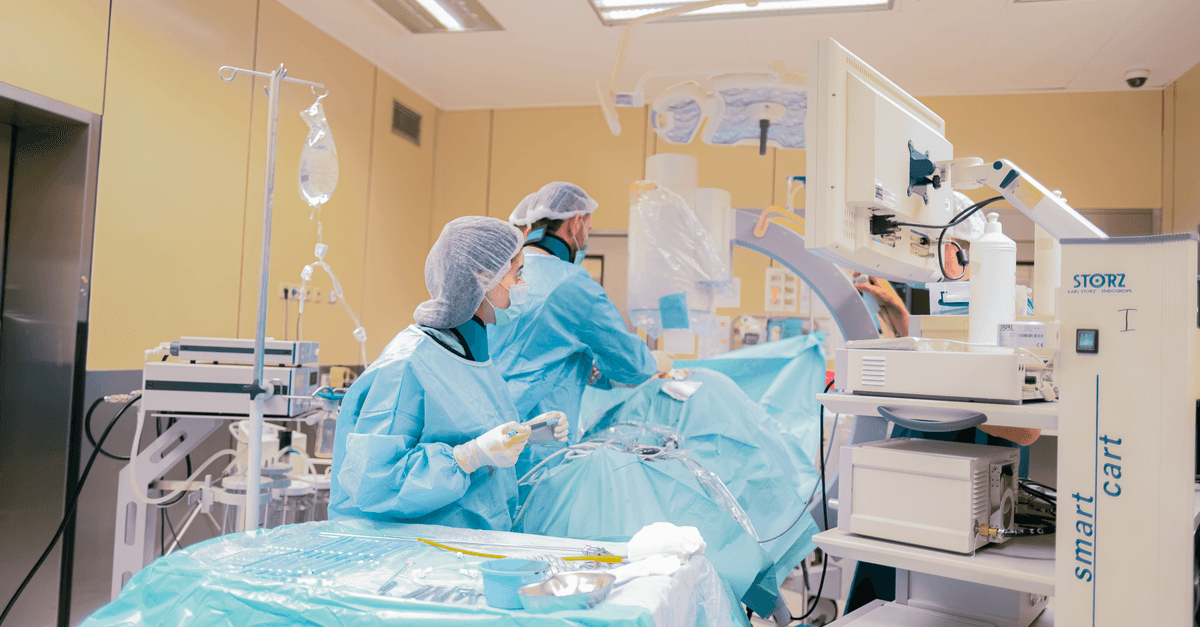
You receive comprehensive anesthesia support from pre-operative assessment through recovery planning. The skill helps you select appropriate anesthesia protocols based on patient factors, calculate precise drug dosages for your specific cases, and identify risk factors before surgery begins. You get real-time intra-operative guidance and evidence-based recommendations for monitoring and managing complications.
 by russell-cell
This skill provides veterinary surgeons with real-time decision support throughout the surgical journey, from initial case planning through final documentation. You can access anatomically informed recommendations, complication management protocols, and evidence-based techniques tailored to your patient's specific condition and clinical needs. Every consultation generates detailed, actionable guidance that enhances surgical outcomes and creates comprehensive case records.
by russell-cell
Aggregate performance metrics across all your business locations and generate unified analysis. Compare regional performance, identify top and bottom performers, spot trends, and create executive dashboards that reveal where to focus improvement efforts. Claude transforms raw data from multiple sources into clear, comparative insights.
by russell-cell
Generate comprehensive surgical protocols that standardize procedures across your surgical team. This skill helps you document pre-operative, intra-operative, and post-operative workflows, create role-specific checklists, and ensure consistent safety standards. You can rapidly prototype new protocols, adapt existing procedures, and maintain version control for protocol updates.
by russell-cell
You can audit and standardize operations, compliance protocols, and team performance across all your veterinary clinic locations simultaneously. This skill helps you create consistent Standard Operating Procedures (SOPs), track compliance metrics, benchmark staff performance, and identify operational bottlenecks across your multi-location practice. You'll gain visibility into financial performance, inventory management, and quality metrics across all clinics, enabling data-driven decisions that improve profitability and patient care consistency.
by russell-cell
Generate systematic diagnostic workflows that organize clinical findings, build evidence-weighted differential diagnosis lists, and produce comprehensive case documentation. You provide structured guidance on differential diagnosis development, clinical reasoning frameworks, and test prioritization based on presenting signs and patient history. This skill helps you move from initial presentation through systematic problem-solving to actionable clinical decision-making.
by russell-cell
Generate customized standard operating procedures (SOPs) that address your specific practice workflows, staffing levels, and patient care standards. You'll receive polished, implementable protocols for everything from patient intake to emergency procedures that your entire team can follow consistently. These SOPs reduce errors, improve client satisfaction, and establish scalable systems as your practice grows.
by russell-cell
This skill delivers evidence-based differential diagnosis frameworks tailored to exotic and zoo animals. You input clinical signs, patient details, and diagnostic findings to receive ranked differentials with species-specific reasoning, priority testing recommendations, and likelihood assessment. It accelerates diagnostic decision-making while accounting for the unique anatomy, physiology, and disease prevalence of exotic species.
by russell-cell