


Thermal & Fluids Design Optimizer
Analyze thermal systems and fluid flows with AI-powered design optimization
What You Can Do
Rapidly prototype thermal and fluid analyses, validate your design assumptions against physics-based calculations, and receive optimization recommendations from Claude acting as your design advisor. You can work through heat transfer problems, fluid dynamics scenarios, and complex multi-physics interactions without waiting for CFD simulations, accelerating your design iteration cycle significantly.
Features
Perform quick-turnaround thermal calculations for heat transfer, steady-state and transient analysis, and temperature distribution estimates without running full simulations.
Get guidance on flow rates, pressure drops, Reynolds numbers, and flow regime classification for pipes, channels, and complex geometries.
Calculate or estimate convective, radiative, and conductive heat transfer coefficients based on material properties, geometry, and operating conditions.
Receive specific suggestions for improving thermal performance through material changes, geometry modifications, or operational adjustments backed by engineering principles.
Test whether your design assumptions (flow regime, dominance of heat transfer mode, boundary conditions) are physically reasonable and identify potential issues early.
Evaluate competing design objectives—cost vs. performance, compactness vs. efficiency—and understand the engineering trade-offs involved.
Get recommendations for materials, insulation, coolants, and components based on your thermal requirements and constraints.
Example Output
Example 1: Heat Exchanger Optimization
Your Analysis:
- Inlet temps: Hot 80°C, Cold 20°C
- Duty: 50 kW
- Current LMTD: 35.4°C

Claude's Response:
✓ Estimated overall U-value: 450 W/m²K (reasonable for brazed aluminum)
✓ Required surface area: ~3.2 m²
✓ Recommendation: Counter-flow arrangement would improve LMTD to 38.1°C
✓ Bottleneck: Cold-side film resistance dominates (71% of total R-value)
✓ Action: Increase cold-side velocity or switch to higher-conductivity fluid
Example 2: Electronics Cooling Validation
Your Design:
- Component power: 150W
- Ambient: 25°C
- Target junction temp: <85°C

Claude's Analysis:
✓ Required thermal resistance: 0.4°C/W (component to ambient)
✓ Your heatsink Rth: 0.35°C/W (feasible with forced air)
✓ Risk flagged: Natural convection alone → Rth ≈ 0.8°C/W (exceeds budget)
✓ Solution pathway: Either increase airflow (0.5 m/s minimum) or upgrade sink material to copper (vs. aluminum)
Example 3: HVAC Ductwork Sizing
Your Requirement:
- Airflow: 1500 CFM to zone
- Duct length: 50 ft, 8-inch diameter

Claude's Calculation:
✓ Velocity: 8.4 ft/s (low-noise range optimal)
✓ Estimated friction loss: 0.18 in WC (within acceptable range)
✓ Re ≈ 45,000 (fully turbulent, Darcy-Weisbach applies)
✓ Warning: 6-inch duct would cause 0.45 in WC loss—likely oversizing fan
✓ Recommendation: Keep 8-inch or run parallel ductwork
What's Included
- Thermal Analysis Workflows: Step-by-step workflows for steady-state and transient heat transfer analysis, including all major modes (conduction, convection, radiation).
- Design Checklist Templates: Ready-to-use checklists for validating assumptions, checking units, and ensuring your analysis captures the most influential physical phenomena.
- Material Property Quick Reference: Common thermal conductivity, specific heat, and density values for metals, polymers, fluids, and insulation materials for rapid lookups.
- Correlations & Formulas Library: Curated collection of heat transfer and fluid mechanics correlations (Nusselt, Sherwood, pressure drop) with applicability ranges and assumptions.
- Trade-off Analysis Framework: Structured approach to evaluating competing design objectives and communicating engineering compromises to stakeholders.
Who It's For
- Mechanical & Thermal Design Engineers
- HVAC & Refrigeration System Designers
- Electronics Cooling & Thermal Management Specialists
- Product Design & Development Engineers
- Thermal Analysis & Research Scientists
Best For
- Heat Exchanger Sizing & Performance Optimization
- Electronics & Component Thermal Management
- HVAC System & Ductwork Design
- Transient Thermal Analysis & Thermal Response Prediction
- Fluid Flow Routing & Pressure Drop Estimation
You might also like
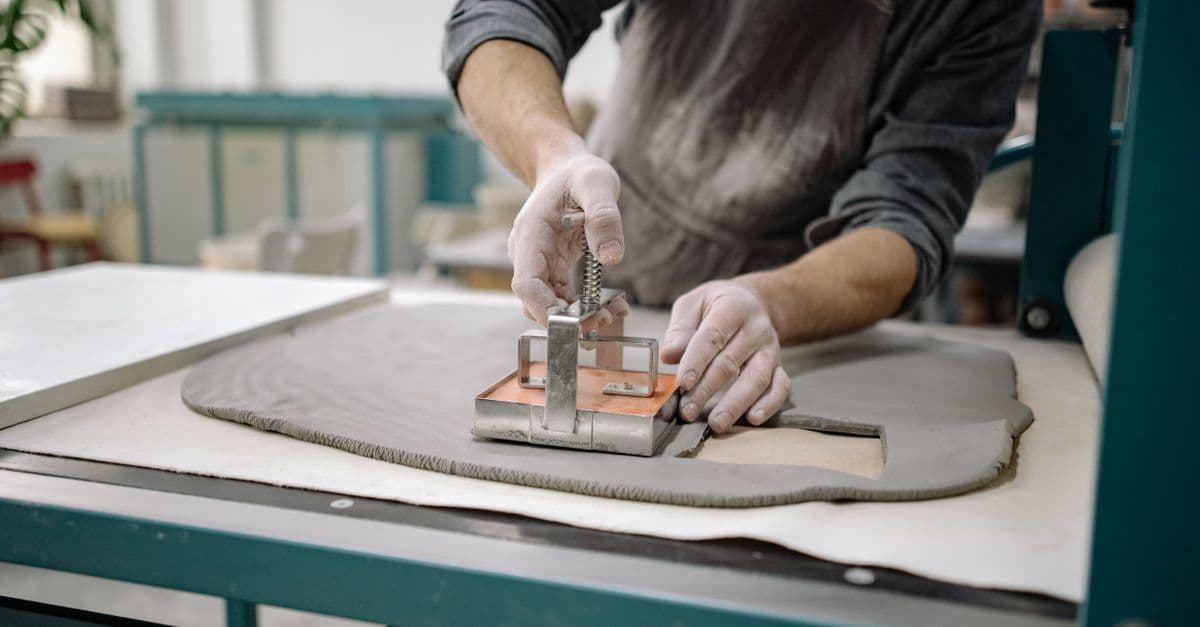
You can submit tool designs—drawings, specifications, or descriptions—and Claude will evaluate manufacturability constraints, identify potential failure modes using structured frameworks, and recommend cost-reduction opportunities. You'll receive a prioritized report covering structural analysis, production feasibility, material efficiency, and design trade-offs.
 by kody-w
You can take unstructured monitoring visit observations and convert them into formal, audit-ready reports that categorize findings by risk level (Critical, Major, Minor), validate protocol compliance, and generate actionable follow-up items with assigned owners and resolution dates. The skill ensures your documentation meets FDA inspection standards and ICH-GCP requirements while creating clear escalation pathways for high-risk issues.
by kody-w
You can automate the validation of clinical trial data against protocol specifications, identify discrepancies including missing values, out-of-range results, protocol violations, and CRF inconsistencies. The skill generates audit-ready query documentation, categorizes anomalies by severity and type, resolves root causes systematically, and produces FDA inspection-ready reports that trace every data decision and corrective action for CDISC and regulatory submission.
by kody-w
You can submit raw mass spectrometry observations, instrument parameters, or sample preparation details to Claude and receive targeted diagnostic frameworks that explain anomalous results. Claude systematically generates plausible mechanistic explanations for unexpected protein abundance patterns, quantification inconsistencies, and PTM findings—then helps you design minimal, hypothesis-driven troubleshooting experiments to test them.
by kody-w
You can validate eCRF and paper CRF datasets against protocol-defined rules, automatically identify data discrepancies (missing fields, out-of-range values, date inconsistencies), generate structured Data Query Forms (DQFs) for site clarification, track resolution status, and create audit-ready compliance documentation that meets FDA 21 CFR Part 11 and GCP requirements. This workflow reduces manual validation time while ensuring 100% traceability and regulatory readiness for inspections.
by kody-w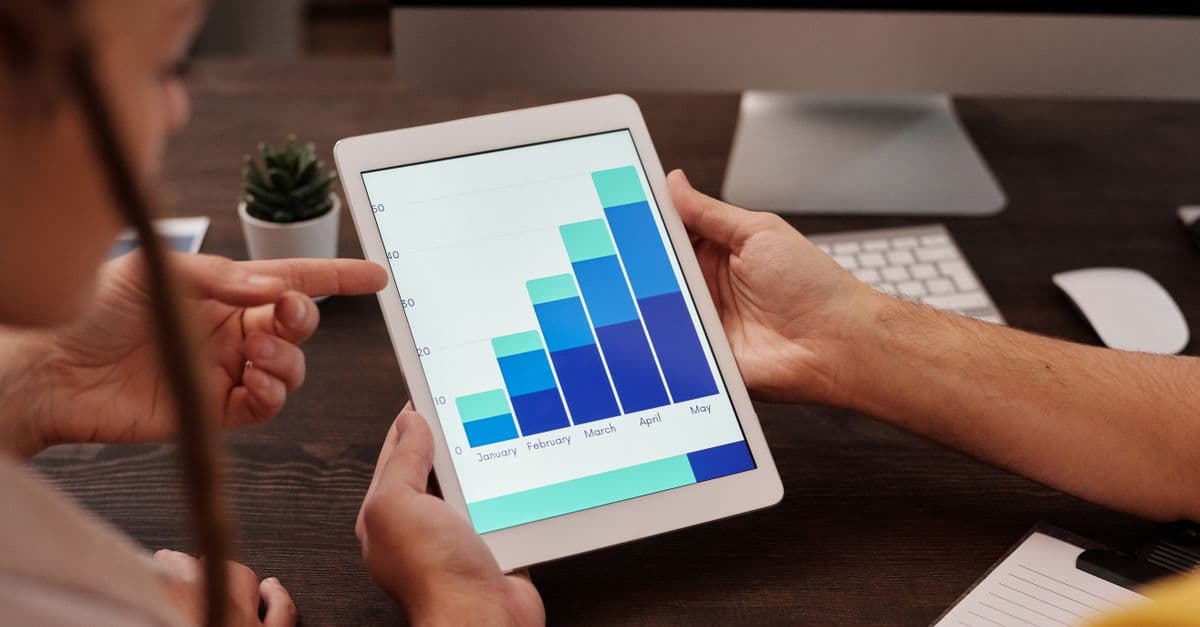
Get comprehensive PCB design analysis covering power delivery networks, signal integrity, thermal management, and manufacturing constraints. Claude identifies potential issues early and provides specific, actionable optimization recommendations to reduce cost, improve reliability, and accelerate time-to-market. Suitable for designs from initial concept through production-ready layouts.
by kody-w
You consolidate parallel data streams from preclinical toxicology studies (clinical pathology, histopathology, body weight changes, organ weights, clinical observations, mortality) into coherent regulatory-compliant narratives. This skill synthesizes findings across 6–12 endpoints simultaneously, identifies NOAEL/LOAEL with biological justification, determines safety margins, interprets species-specific or sex-specific signals, and produces Results & Discussion sections that satisfy FDA/EMA reviewers while supporting appropriate dosing decisions for IND-enabling studies.
by kody-w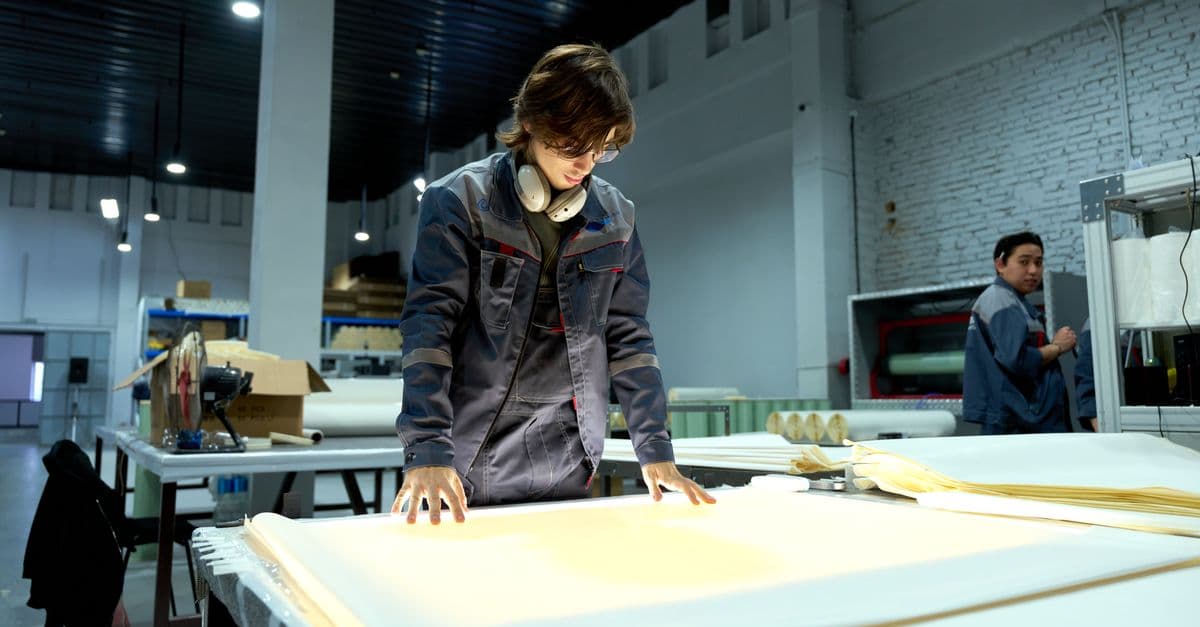
This skill systematically analyzes your product designs to identify manufacturability issues early, saving costly revisions and manufacturing delays. It evaluates geometry, material selection, tolerances, assembly feasibility, and production process constraints. You get actionable feedback on cost drivers, process risks, and design optimizations before committing to production.
by kody-w