


Tooling Design Analyzer
Analyze tool designs for manufacturability, failure modes, and cost optimization
What You Can Do
You can submit tool designs—drawings, specifications, or descriptions—and Claude will evaluate manufacturability constraints, identify potential failure modes using structured frameworks, and recommend cost-reduction opportunities. You'll receive a prioritized report covering structural analysis, production feasibility, material efficiency, and design trade-offs.
Features
Evaluate whether your design can be efficiently produced with available equipment, processes, and tolerances. Identifies bottlenecks and cost drivers in the manufacturing workflow.
Systematically identify potential failure modes, their root causes, and impact on tool performance. Prioritizes risks by severity and suggests preventive design changes.
Breaks down manufacturing costs by material, labor, and processes. Recommends design simplifications, material substitutions, and production alternatives to reduce unit cost.
Evaluates material choices against performance requirements, manufacturing processes, cost, and availability. Suggests alternatives that meet specs while reducing expenses.
Weighs competing design priorities—performance vs. cost, precision vs. manufacturability. Presents quantified trade-offs to support decision-making.
Rates your design on a manufacturability scale with specific feedback on complexity, tolerance requirements, and production readiness.
Assesses stress concentrations, material utilization, and load paths. Identifies areas prone to wear, deformation, or premature failure.
Example Output
Input: CAD drawing of a stamped steel punch tool with tight tolerances.
Output:
- Manufacturability Score: 7/10 (good, but tolerance stackup on mounting bore is high-risk)
- Critical Failure Modes: Galling on punch tip (high severity), spring fatigue at base (medium severity)
- Cost Drivers: CNC finishing of bore ($8/unit), secondary hardening ($12/unit)
- Recommendations:
- Replace secondary hardening with high-speed steel (saves $8, maintains performance)
- Relax bore tolerance from ±0.005" to ±0.01" (reduces rework by 15%)
- Add 0.5° draft angle to punch face (prevents galling, no tooling cost)
- Revised Cost: $47 → $39 per tool (17% reduction)
Input: Composite injection mold design for consumer product.
Output:
- Manufacturability Issues: Gate placement causes weld lines; mold cycle time 85 seconds (high)
- FMEA Results: Sink marks at ribs (high), ejector pin marks (medium), warping at thick sections (medium)
- Optimization Path: Gate relocation (reduces cycle to 62s), core rib optimization (eliminates sink marks), wall thickness balancing (reduces warping)
- Tooling Cost Impact: +$3K upfront, pays back in 50K units via cycle-time savings
What's Included
- Engineering Decision Framework: Structured methodology for evaluating manufacturability, performance, and cost using weighted criteria and trade-off matrices.
- FMEA Templates & Scoring: Failure mode identification, severity/occurrence/detection ratings, and action prioritization tailored to tooling and precision manufacturing.
- Manufacturability Rubric: 10-point scoring system evaluating tolerances, process capability, design complexity, and production feasibility.
- Cost Breakdown Model: Material costs, labor estimates, process overhead, and tooling amortization analysis with sensitivity to volume.
- Design Review Checklist: 100+ quality checkpoints covering geometry, tolerances, material properties, assembly, and production readiness.
Who It's For
- Manufacturing Engineers optimizing production processes and tool design
- Tool Designers evaluating manufacturability before prototype
- Product Engineers managing cost reduction and design reviews
- Quality Engineers performing failure analysis and risk assessment
- Operations Managers identifying production bottlenecks and cost drivers
Best For
- Stamped, forged, and machined tool design reviews
- Cost-reduction analysis and material substitution studies
- Failure mode prevention and design robustness assessment
- Manufacturing feasibility validation before tooling investment
- Design trade-off evaluation and decision support
You might also like

This skill generates comprehensive fault study reports, protection coordination analyses, and compliance documentation for electrical power systems. It systematically documents fault scenarios, relay settings, coordination curves, and technical specifications required for grid operations and regulatory compliance. You produce production-ready documentation that meets industry standards—IEEE, NERC, and regional RTO requirements.
 by kody-w
You consolidate parallel data streams from preclinical toxicology studies (clinical pathology, histopathology, body weight changes, organ weights, clinical observations, mortality) into coherent regulatory-compliant narratives. This skill synthesizes findings across 6–12 endpoints simultaneously, identifies NOAEL/LOAEL with biological justification, determines safety margins, interprets species-specific or sex-specific signals, and produces Results & Discussion sections that satisfy FDA/EMA reviewers while supporting appropriate dosing decisions for IND-enabling studies.
by kody-w
Analyze your PLC code and ladder logic to identify logic errors, safety violations, and inefficiencies before they reach production. You'll get detailed diagnostics of control system failures, safety compliance verification against IEC 61131 standards, and optimization recommendations for automation sequences. This skill helps you prevent costly downtime, ensure worker safety, and improve system performance across manufacturing operations.
by kody-w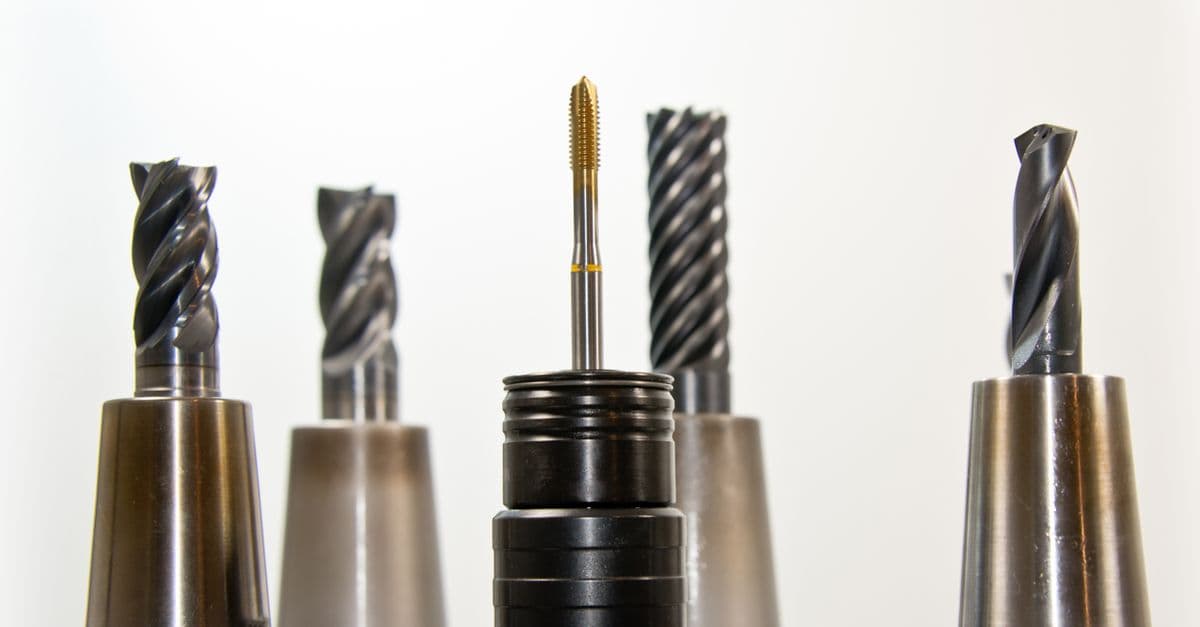
Create comprehensive tool specifications tailored to your manufacturing process, material combinations, and performance requirements. Analyze cutting speeds, feeds, tool life, and thermal behavior to predict tool performance and identify optimization opportunities. You can compare design alternatives, predict failure modes, and generate compliance documentation for production tooling decisions.
by kody-w
You can prepare complete site monitoring visit documentation, including source document verification (SDV) checklists tailored to specific case report forms, comprehensive findings reports from visit notes, and structured data query forms for identified discrepancies. This skill standardizes compliance documentation, identifies protocol deviations systematically, and creates actionable remediation plans to maintain data integrity and GCP compliance across investigator sites.
by kody-w
This skill systematically analyzes your product designs to identify manufacturability issues early, saving costly revisions and manufacturing delays. It evaluates geometry, material selection, tolerances, assembly feasibility, and production process constraints. You get actionable feedback on cost drivers, process risks, and design optimizations before committing to production.
by kody-w
You can take unstructured monitoring visit observations and convert them into formal, audit-ready reports that categorize findings by risk level (Critical, Major, Minor), validate protocol compliance, and generate actionable follow-up items with assigned owners and resolution dates. The skill ensures your documentation meets FDA inspection standards and ICH-GCP requirements while creating clear escalation pathways for high-risk issues.
by kody-w
Systematically evaluate ingredient compatibility against your active pharmaceutical ingredients, predict formulation behavior and stability risks, and troubleshoot phase separation, incompatibility, and irritation issues in real time. Generate ICH-aligned stability protocols, excipient safety summaries, and regulatory-ready documentation that accelerates IND, NDA, and ANDA submissions without replacing lab validation.
by kody-w