


Student Conduct Case Management & Investigation
Manage student conduct investigations with procedural compliance and comprehensive documentation
What You Can Do
You can systematically organize misconduct investigations, coordinate evidence collection from multiple parties, and generate consistent case documentation that demonstrates procedural fairness. The skill helps you track investigation timelines, prepare hearing materials, document witness statements, and create audit trails that protect both students and your institution through legally defensible case records.
Features
Standardized forms and templates to document allegations, parties involved, and relevant policies from first contact through case assignment
Structured workflow templates to map investigation phases, set deadlines, coordinate witness interviews, and track evidence collection
Systematic frameworks for recording witness statements, organizing exhibits, maintaining chain of custody, and documenting investigative findings
Templates to synthesize investigation materials into clear, objective case narratives and preliminary findings for conduct hearings
Checklists and formats for organizing evidence packets, witness lists, hearing agendas, and adjudication board materials
Systems to monitor repeat violations, identify emerging conduct trends, and cross-reference cases by violation type or student population
Materials to educate hearing officers on procedural requirements, bias prevention, questioning techniques, and decision documentation
Templates to prepare responses to appeals, document reconsideration requests, and maintain complete procedural records
Example Output
Example 1: Complaint Intake Summary
- Case ID: SC-2024-0847
- Complainant: Residential Life Staff (RA)
- Respondent: Student Name (ID: 987654)
- Alleged Violation: Code of Conduct § 3.2 (Disruptive Conduct)
- Summary: Student allegedly created disturbance during quiet hours affecting floor residents
- Initial Classification: Level II Investigation Required
- Assigned Investigator: [Name]; Timeline: 10 business days
Example 2: Investigation Report Summary
- Interviews Conducted: 4 (RA, 2 witnesses, respondent)
- Evidence Collected: Incident report, resident complaint emails, duty log entries
- Key Findings: Respondent acknowledges behavior occurred; disputes characterization as disruptive; offers mitigating context
- Preliminary Assessment: Policy violation appears substantiated; recommend developmental hearing
Example 3: Hearing Preparation Checklist
- ✓ Case file organized and indexed
- ✓ Evidence packets prepared for board members
- ✓ Witness contact confirmations sent
- ✓ Respondent notified of hearing date, rights, and appeal process
- ✓ Decision template prepared for outcomes
What's Included
- SKILL.md instruction file with investigation protocols and due process requirements:
- Complaint intake form template for standardized initial documentation:
- Investigation planning worksheet with timeline mapping and party coordination:
- Witness interview template with documentation standards and questioning frameworks:
- Case summary template for synthesizing findings and evidence:
- Hearing preparation checklist with material organization and procedural verification:
- Pattern analysis tracking sheet for monitoring conduct trends and repeat violations:
- Appeals response template for documenting reconsideration and next-level review:
Who It's For
- Dean of Students — Managing institutional conduct policies, oversight of investigations, and ensuring compliance across cases
- Conduct Investigators — Leading misconduct investigations from intake through case closure with rigorous documentation
- Hearing Officers & Conduct Board Members — Reviewing cases, preparing for hearings, and documenting fair adjudication decisions
- Residential Life Professionals — Documenting roommate conflicts, policy violations, and referring cases for formal investigation
- Student Affairs Coordinators — Tracking timelines, scheduling hearings, coordinating materials, and maintaining case records
Best For
- Organizing complex multi-party investigations with witness coordination
- Documenting evidence systematically to withstand appeals and legal review
- Preparing comprehensive materials for conduct hearings and adjudication boards
- Tracking investigation deadlines and ensuring timely case resolution
- Creating institutional records demonstrating procedural fairness and due process
- Analyzing patterns of misconduct across student population for trend identification
You might also like

This skill delivers evidence-based differential diagnosis frameworks tailored to exotic and zoo animals. You input clinical signs, patient details, and diagnostic findings to receive ranked differentials with species-specific reasoning, priority testing recommendations, and likelihood assessment. It accelerates diagnostic decision-making while accounting for the unique anatomy, physiology, and disease prevalence of exotic species.
 by russell-cell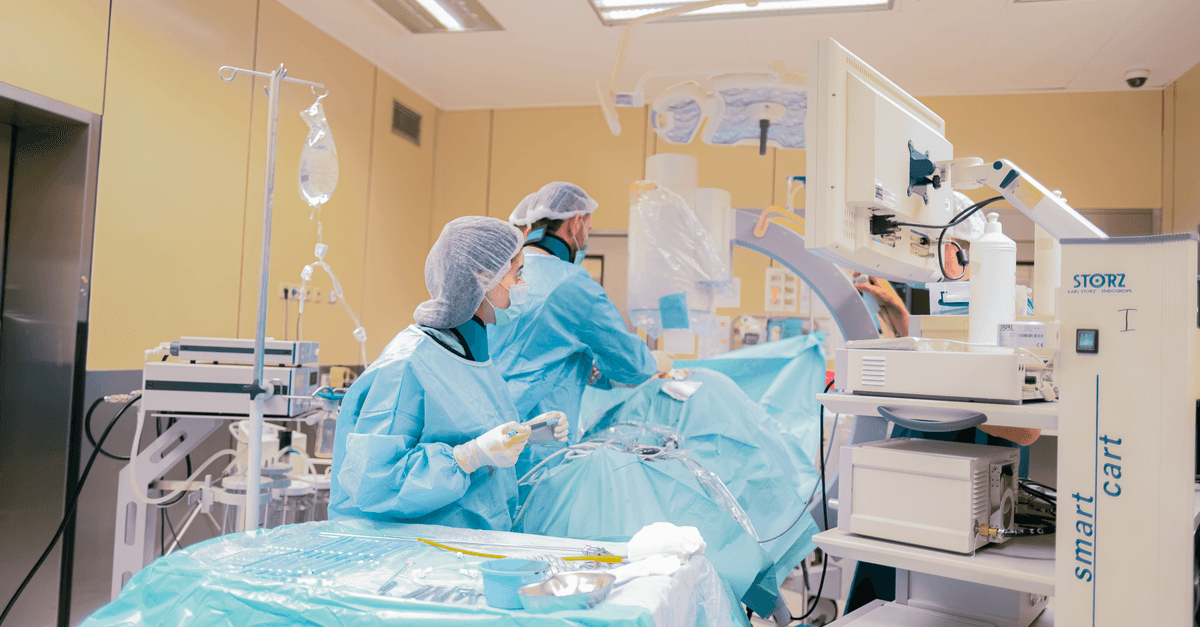
You receive comprehensive anesthesia support from pre-operative assessment through recovery planning. The skill helps you select appropriate anesthesia protocols based on patient factors, calculate precise drug dosages for your specific cases, and identify risk factors before surgery begins. You get real-time intra-operative guidance and evidence-based recommendations for monitoring and managing complications.
by russell-cell
This skill provides veterinary surgeons with real-time decision support throughout the surgical journey, from initial case planning through final documentation. You can access anatomically informed recommendations, complication management protocols, and evidence-based techniques tailored to your patient's specific condition and clinical needs. Every consultation generates detailed, actionable guidance that enhances surgical outcomes and creates comprehensive case records.
by russell-cell
Aggregate performance metrics across all your business locations and generate unified analysis. Compare regional performance, identify top and bottom performers, spot trends, and create executive dashboards that reveal where to focus improvement efforts. Claude transforms raw data from multiple sources into clear, comparative insights.
by russell-cell
Generate comprehensive surgical protocols that standardize procedures across your surgical team. This skill helps you document pre-operative, intra-operative, and post-operative workflows, create role-specific checklists, and ensure consistent safety standards. You can rapidly prototype new protocols, adapt existing procedures, and maintain version control for protocol updates.
by russell-cell
Generate systematic diagnostic workflows that organize clinical findings, build evidence-weighted differential diagnosis lists, and produce comprehensive case documentation. You provide structured guidance on differential diagnosis development, clinical reasoning frameworks, and test prioritization based on presenting signs and patient history. This skill helps you move from initial presentation through systematic problem-solving to actionable clinical decision-making.
by russell-cell
You can audit and standardize operations, compliance protocols, and team performance across all your veterinary clinic locations simultaneously. This skill helps you create consistent Standard Operating Procedures (SOPs), track compliance metrics, benchmark staff performance, and identify operational bottlenecks across your multi-location practice. You'll gain visibility into financial performance, inventory management, and quality metrics across all clinics, enabling data-driven decisions that improve profitability and patient care consistency.
by russell-cell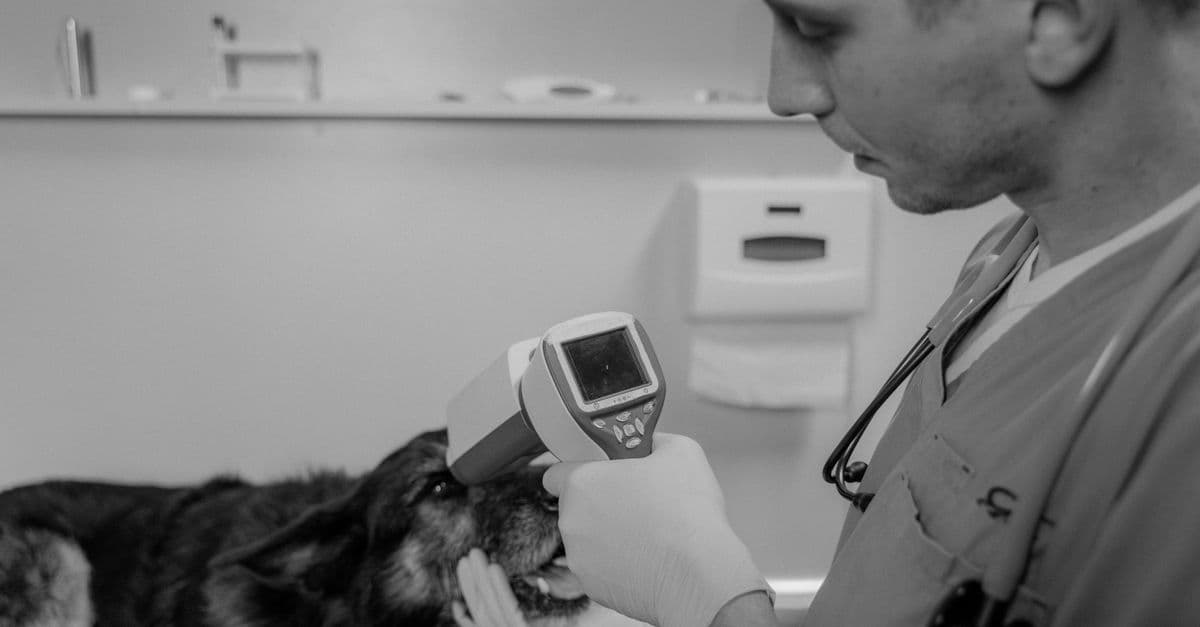
Get immediate differential diagnosis suggestions, clinical decision support, and communication templates for complex eye cases. This skill helps you interpret ophthalmic findings, identify likely conditions, and generate client-friendly explanations for diagnosis and treatment options. Speed up case assessment and improve diagnostic confidence with evidence-based guidance.
by russell-cell