

Time Study Analysis & Optimization for Industrial Engineers
Analyze workflows, measure time elements, and generate optimization recommendations
What You Can Do
Conduct structured time studies by breaking down work processes into measurable elements, analyzing performance data, and identifying efficiency gaps. You'll calculate standard times based on actual observations, pinpoint bottlenecks, and receive data-driven recommendations to streamline operations and reduce cycle times.
Features
Systematically decompose complex processes into discrete, measurable tasks with timing data
Calculate performance ratios, utilization rates, and productivity benchmarks from observed data
Automatically detect process constraints and time-consuming steps that limit overall throughput
Generate statistical standard times using observation data with allowance factors applied
Receive prioritized, actionable suggestions to reduce cycle time and improve workflow efficiency
Apply statistical methods to validate data accuracy and confidence levels in time measurements
Compare current process performance against industry benchmarks and previous baseline data
Example Output
Time Study Summary Report
Process: Assembly Line - Widget A Production
- Total Cycle Time: 18.5 minutes
- Observation Period: 25 cycles
- Performance Rating: 105% (above standard)
Element Breakdown:
| Task | Observed Time | Freq | Std Dev | Std Time |
|---|---|---|---|---|
| Part A pickup | 0.8 min | 25x | 0.15 | 0.85 |
| Assembly | 12.3 min | 25x | 0.42 | 12.9 |
| Quality check | 3.2 min | 25x | 0.28 | 3.4 |
| Package | 2.2 min | 25x | 0.18 | 2.3 |
Key Findings: ✓ Assembly step is your bottleneck (70% of cycle time) ✓ Quality check variance suggests inconsistent procedures ✓ Opportunity: parallel inspection during packaging could save 1.1 min/cycle
Recommended Actions:
- Standardize assembly jig setup (estimated gain: 0.5 min)
- Cross-train 2 staff on quality procedures
- Pilot concurrent packaging + QC workflow
What's Included
- Time Study Template: Structured observation worksheet for capturing process elements, timing, and performance ratings
- Analysis Framework: Multi-step methodology for validating data, calculating allowances, and deriving standard times
- Statistical Toolkit: Built-in confidence interval, outlier detection, and performance variance calculations
- Report Generator: Produce professional summary reports with charts, element breakdowns, and recommendation prioritization
- Optimization Checklist: Guided framework for evaluating and implementing workflow improvements from time study findings
- Benchmark Library: Reference data for common industrial processes to contextualize your results
Who It's For
- Industrial Engineers
- Operations Managers
- Process Engineers
- Manufacturing Supervisors
- Lean/Six Sigma Practitioners
Best For
- Measuring and standardizing production line cycles
- Identifying process bottlenecks and inefficiencies
- Calculating baseline metrics for continuous improvement initiatives
- Validating the impact of process changes
- Establishing labor standards for capacity planning
You might also like
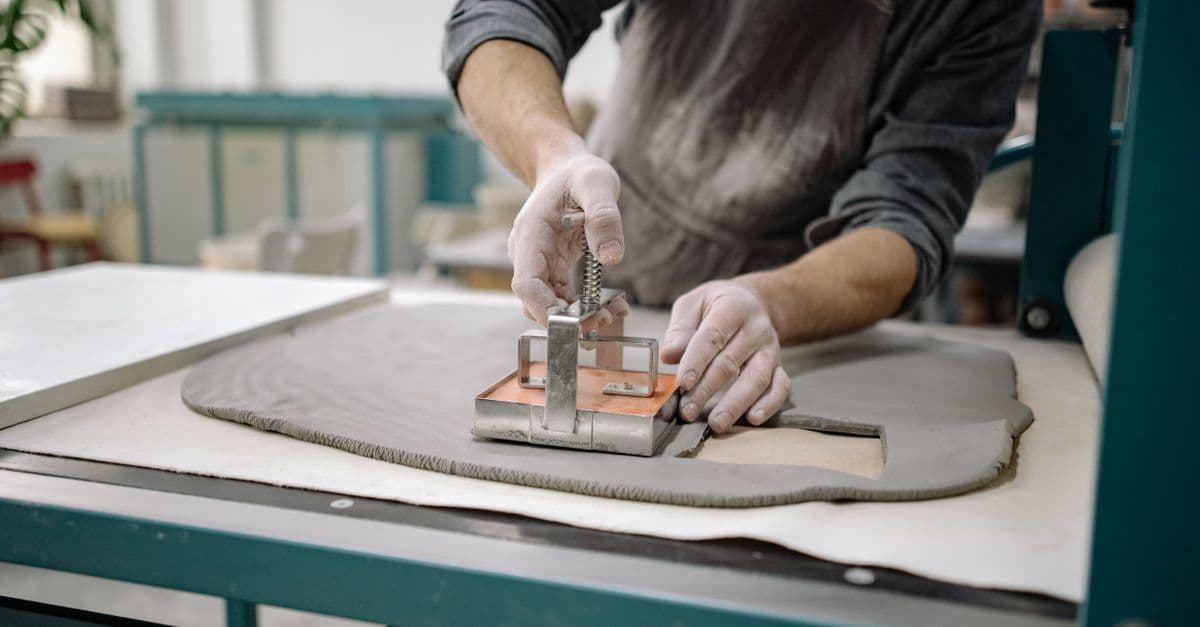
You can submit tool designs—drawings, specifications, or descriptions—and Claude will evaluate manufacturability constraints, identify potential failure modes using structured frameworks, and recommend cost-reduction opportunities. You'll receive a prioritized report covering structural analysis, production feasibility, material efficiency, and design trade-offs.
 by kody-w
You can take unstructured monitoring visit observations and convert them into formal, audit-ready reports that categorize findings by risk level (Critical, Major, Minor), validate protocol compliance, and generate actionable follow-up items with assigned owners and resolution dates. The skill ensures your documentation meets FDA inspection standards and ICH-GCP requirements while creating clear escalation pathways for high-risk issues.
by kody-w
You can automate the validation of clinical trial data against protocol specifications, identify discrepancies including missing values, out-of-range results, protocol violations, and CRF inconsistencies. The skill generates audit-ready query documentation, categorizes anomalies by severity and type, resolves root causes systematically, and produces FDA inspection-ready reports that trace every data decision and corrective action for CDISC and regulatory submission.
by kody-w
You can submit raw mass spectrometry observations, instrument parameters, or sample preparation details to Claude and receive targeted diagnostic frameworks that explain anomalous results. Claude systematically generates plausible mechanistic explanations for unexpected protein abundance patterns, quantification inconsistencies, and PTM findings—then helps you design minimal, hypothesis-driven troubleshooting experiments to test them.
by kody-w
You can validate eCRF and paper CRF datasets against protocol-defined rules, automatically identify data discrepancies (missing fields, out-of-range values, date inconsistencies), generate structured Data Query Forms (DQFs) for site clarification, track resolution status, and create audit-ready compliance documentation that meets FDA 21 CFR Part 11 and GCP requirements. This workflow reduces manual validation time while ensuring 100% traceability and regulatory readiness for inspections.
by kody-w
Get comprehensive PCB design analysis covering power delivery networks, signal integrity, thermal management, and manufacturing constraints. Claude identifies potential issues early and provides specific, actionable optimization recommendations to reduce cost, improve reliability, and accelerate time-to-market. Suitable for designs from initial concept through production-ready layouts.
by kody-w
You consolidate parallel data streams from preclinical toxicology studies (clinical pathology, histopathology, body weight changes, organ weights, clinical observations, mortality) into coherent regulatory-compliant narratives. This skill synthesizes findings across 6–12 endpoints simultaneously, identifies NOAEL/LOAEL with biological justification, determines safety margins, interprets species-specific or sex-specific signals, and produces Results & Discussion sections that satisfy FDA/EMA reviewers while supporting appropriate dosing decisions for IND-enabling studies.
by kody-w
This skill systematically analyzes your product designs to identify manufacturability issues early, saving costly revisions and manufacturing delays. It evaluates geometry, material selection, tolerances, assembly feasibility, and production process constraints. You get actionable feedback on cost drivers, process risks, and design optimizations before committing to production.
by kody-w