

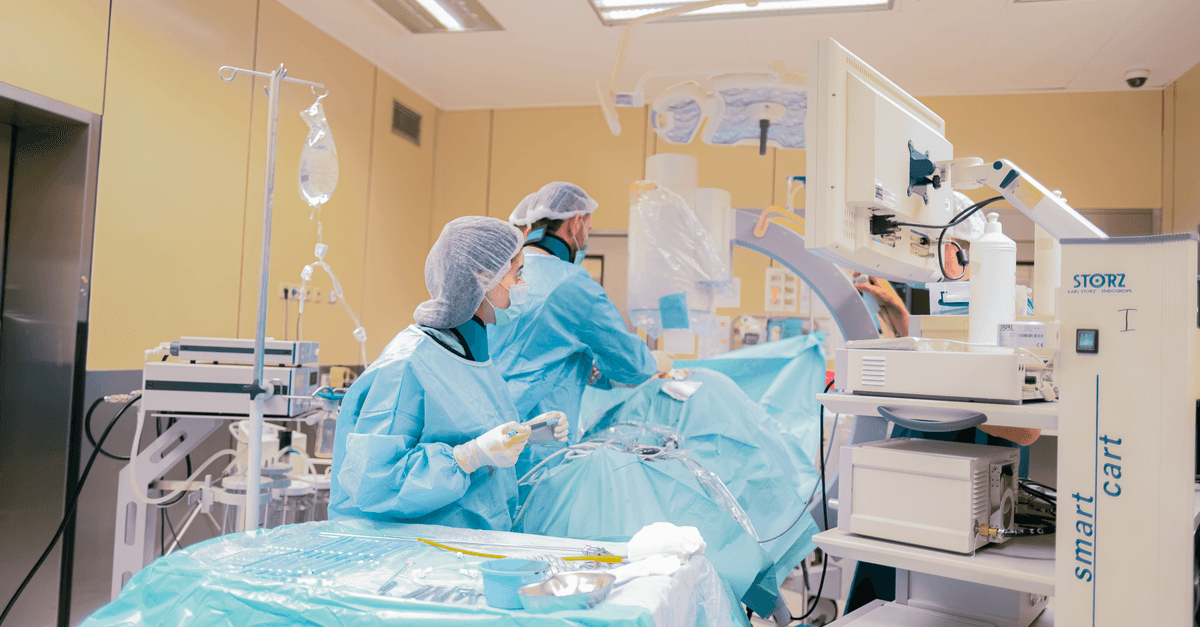
Veterinary Anesthesia Protocol Advisor
Protocol selection, drug calculations, and risk assessment for veterinary anesthesia
What You Can Do
You receive comprehensive anesthesia support from pre-operative assessment through recovery planning. The skill helps you select appropriate anesthesia protocols based on patient factors, calculate precise drug dosages for your specific cases, and identify risk factors before surgery begins. You get real-time intra-operative guidance and evidence-based recommendations for monitoring and managing complications.
Features
Analyze patient history, breed predispositions, concurrent medications, organ function, and comorbidities to create a complete anesthetic risk profile before surgery.
Receive evidence-based anesthesia protocol suggestions tailored to your patient type, surgery duration, and facility equipment based on current veterinary anesthesia guidelines.
Get accurate dosage calculations for induction agents, maintenance drugs, local anesthetics, and reversal agents adjusted for patient weight, age, and health status.
Identify high-risk patients and specific anesthetic concerns such as cardiovascular instability, airway complications, or drug sensitivity before anesthesia begins.
Access guidelines for vital parameter monitoring, interpretation of physiologic changes, and troubleshooting of unexpected responses during anesthesia maintenance.
Get evidence-based strategies for managing anesthetic emergencies including hypoxemia, hypotension, arrhythmias, and adverse drug reactions in real-time.
Create detailed post-operative pain management plans and recovery monitoring protocols including analgesic recommendations and discharge criteria.
Example Output
Example 1: Pre-operative Assessment for High-Risk Patient
Patient: 14-year-old Labrador, 32 kg, for exploratory laparotomy Medical History: Chronic kidney disease Stage 2, mild heart murmur
Risk Assessment:
- Overall ASA Class: III (significant systemic disease)
- Anesthetic concerns: Decreased renal clearance, reduced cardiac reserve, potential electrolyte imbalances
- Recommended pre-operative bloodwork: CBC, chemistry panel, ECG
Recommended Protocol:
- Premedication: Dexmedetomidine 0.005-0.01 mg/kg IV (preferred over acepromazine to avoid hypotension)
- Induction: Propofol 4-6 mg/kg IV (reduce by 25% due to age and cardiac concerns), titrate slowly
- Maintenance: Isoflurane with oxygen, target MAC 1.0-1.2
- Local blocks: Intratesticular or line blocks to reduce systemic anesthetic requirements
Example 2: Drug Calculation for Emergency Cesarean
Patient: 25 kg intact female German Shepherd
Calculated Dosages:
- Dexmedetomidine: 0.01 mg/kg = 0.25 mg IV
- Ketamine: 5 mg/kg = 125 mg IV
- Propofol: 4 mg/kg = 100 mg IV (titrate to effect)
- Isoflurane: Target MAC 1.0, maintain on oxygen
- Estimated anesthesia time: 45-60 minutes
- Recovery: Atipamezole 0.05 mg/kg = 1.25 mg IV after surgery complete
Example 3: Intra-operative Complication Response
Scenario: Heart rate drops to 40 bpm during abdominal surgery
Assessment and Response:
- Likely causes: Vagal response, increased intrathoracic pressure, excessive anesthetic depth
- Immediate actions: Reduce isoflurane by 0.5%, increase oxygen to 100%, lighten anesthesia
- Drug response: Glycopyrrolate 0.01 mg/kg = 0.25 mg IV if bradycardia persists over 60 seconds
- Monitoring: Check blood pressure, end-tidal CO2, SpO2 for secondary causes
What's Included
- Pre-operative Assessment Templates: Structured evaluation forms for patient history, physical examination, and risk stratification based on ASA classification and breed-specific anesthetic concerns.
- Anesthesia Protocol Database: Evidence-based protocols for common procedures including routine surgery, emergency cases, geriatric patients, and specialty procedures with alternative options.
- Drug Calculation Tools: Precise dosing formulas for all common veterinary anesthetic agents adjusted for patient factors including weight, age, organ function, and concurrent medications.
- Risk Assessment Framework: Systematic evaluation of patient-specific and procedure-specific risk factors with recommendations for risk mitigation and monitoring intensity.
- Monitoring Parameters Guide: Target ranges and interpretation guidance for heart rate, blood pressure, oxygen saturation, capnography, temperature, and other vital signs during anesthesia.
- Emergency Response Protocols: Rapid-reference guides for managing intra-operative complications including hypoxemia, hypotension, arrhythmias, anaphylaxis, and malignant hyperthermia.
Who It's For
- Veterinary Anesthesia Technicians
- Surgical Veterinarians
- Emergency and Critical Care Specialists
- Anesthesia Residents and Students
- Veterinary Surgical Nurses
Best For
- Pre-operative anesthesia planning and protocol selection
- Drug dosage calculations for individual patients
- High-risk and geriatric patient assessment
- Intra-operative protocol guidance and troubleshooting
- Complication management and emergency response
You might also like
This skill provides veterinary surgeons with real-time decision support throughout the surgical journey, from initial case planning through final documentation. You can access anatomically informed recommendations, complication management protocols, and evidence-based techniques tailored to your patient's specific condition and clinical needs. Every consultation generates detailed, actionable guidance that enhances surgical outcomes and creates comprehensive case records.
 by russell-cell
Aggregate performance metrics across all your business locations and generate unified analysis. Compare regional performance, identify top and bottom performers, spot trends, and create executive dashboards that reveal where to focus improvement efforts. Claude transforms raw data from multiple sources into clear, comparative insights.
by russell-cell
Generate comprehensive surgical protocols that standardize procedures across your surgical team. This skill helps you document pre-operative, intra-operative, and post-operative workflows, create role-specific checklists, and ensure consistent safety standards. You can rapidly prototype new protocols, adapt existing procedures, and maintain version control for protocol updates.
by russell-cell
Generate customized standard operating procedures (SOPs) that address your specific practice workflows, staffing levels, and patient care standards. You'll receive polished, implementable protocols for everything from patient intake to emergency procedures that your entire team can follow consistently. These SOPs reduce errors, improve client satisfaction, and establish scalable systems as your practice grows.
by russell-cell
You can audit and standardize operations, compliance protocols, and team performance across all your veterinary clinic locations simultaneously. This skill helps you create consistent Standard Operating Procedures (SOPs), track compliance metrics, benchmark staff performance, and identify operational bottlenecks across your multi-location practice. You'll gain visibility into financial performance, inventory management, and quality metrics across all clinics, enabling data-driven decisions that improve profitability and patient care consistency.
by russell-cell
You receive comprehensive pre-operative risk assessments and structured post-operative care protocols tailored to your specific dental cases. This skill systematically evaluates surgical candidates, documents pathology with standardized dental charting, develops multimodal pain management plans, and creates client-ready discharge instructions that reduce post-operative complications and improve recovery outcomes.
by russell-cell
You can rapidly assess emergency veterinary cases by analyzing presenting signs, vital parameters, and patient history to generate evidence-based triage scores and structured treatment plans. The skill creates actionable clinical decisions, dosage calculations, and monitoring protocols tailored to each patient's specific condition and severity level, helping you prioritize interventions and communicate clearly with emergency teams and owners.
by russell-cell
Generate systematic diagnostic workflows that organize clinical findings, build evidence-weighted differential diagnosis lists, and produce comprehensive case documentation. You provide structured guidance on differential diagnosis development, clinical reasoning frameworks, and test prioritization based on presenting signs and patient history. This skill helps you move from initial presentation through systematic problem-solving to actionable clinical decision-making.
by russell-cell