

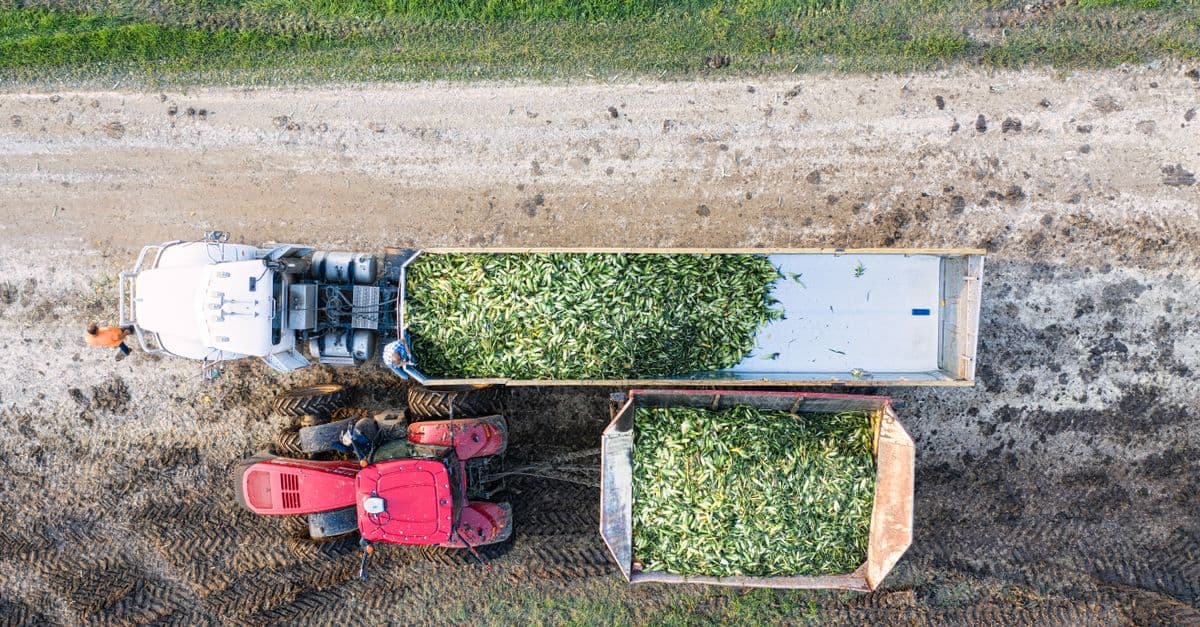
Variable Rate Application Optimizer for Precision Agriculture
Convert field variability data into site-specific prescription maps for optimized input application
What You Can Do
Transform raw field variability data—soil EC maps, yield histories, organic matter, elevation, and satellite imagery—into agronomically sound, equipment-ready prescription maps. You'll generate site-specific application recommendations for fertilizer, fungicides, herbicides, and seed rates across field zones, with quantified cost savings and environmental impact reductions that justify zone-based management to stakeholders.
Features
Combine EC maps, yield data, soil tests, NDVI/NDRE imagery, and topography into unified variability analysis
Create zone-based application rates for fertilizer, crop protection products, and seed with equipment-compatible file formats
Quantify cost savings from reduced input use against yield potential gains across field zones
Cross-check recommendations against soil texture, weather patterns, and crop-specific nutrient uptake curves
Estimate runoff risk, nutrient leaching, and chemical exposure reduction by zone
Flag zones with conflicting data signals or low confidence recommendations for agronomist review
Generate field reports with maps, cost-benefit breakdowns, and equipment compatibility notes
Example Output
Input: EC map (0.8–2.2 mS/cm), yield history (120–180 bu/acre), soil OM (1.5–4.2%), NDVI raster, field boundary
Output:
Zone A (Low EC, 120 bu/acre history, 1.8% OM)
→ N recommendation: 140 lb/acre (vs. 160 lb/acre field avg)
→ P recommendation: 40 lb/acre | K: 100 lb/acre
→ Est. cost savings: $12/acre × 45 acres = $540

Zone B (High EC, 165 bu/acre history, 3.5% OM)
→ N recommendation: 165 lb/acre | P: 55 lb/acre | K: 130 lb/acre
→ Est. yield uplift: +8 bu/acre potential; ROI +$42/acre

Zone C (Slope >4%, elevated runoff risk)
→ Fungicide rate: 75% of field rate (2.1 oz/acre vs. 2.8 oz/acre)
→ Recommendation: Split application to reduce leaching risk
What's Included
- SKILL.md instruction file with VRA methodology, data layer weighting, and validation workflows:
- Field Data Input Template: CSV/GeoJSON schema for EC maps, yield data, soil test results, and imagery layers
- Prescription Map Generator Checklist: Step-by-step logic for zone delineation, rate recommendation, and confidence flagging
- ROI & Impact Calculator: Spreadsheet template linking input costs, yield potential, and environmental metrics by zone
- Equipment Compatibility Reference: File format requirements for John Deere, AGCO, Raven, and Trimble VRA systems
Who It's For
- Agronomists managing precision agriculture programs across multiple client farms
- Farm managers optimizing input spending on variable-soil operations (80+ acres)
- Crop consultants building data-driven recommendations to justify premium service fees
- Sustainability coordinators reducing chemical runoff and nutrient leaching in environmentally sensitive regions
- Equipment dealers supporting customers transitioning from flat-rate to zone-based application
Best For
- Converting soil EC maps and yield history into actionable fertilizer prescription zones
- Designing variable rate fungicide or herbicide strategies for disease/weed pressure zones
- Seed rate optimization in fields with moisture or compaction gradients
- Building financial and environmental justification for precision ag investment to farm ownership
- Generating prescription files and field reports for VRA equipment operators
You might also like
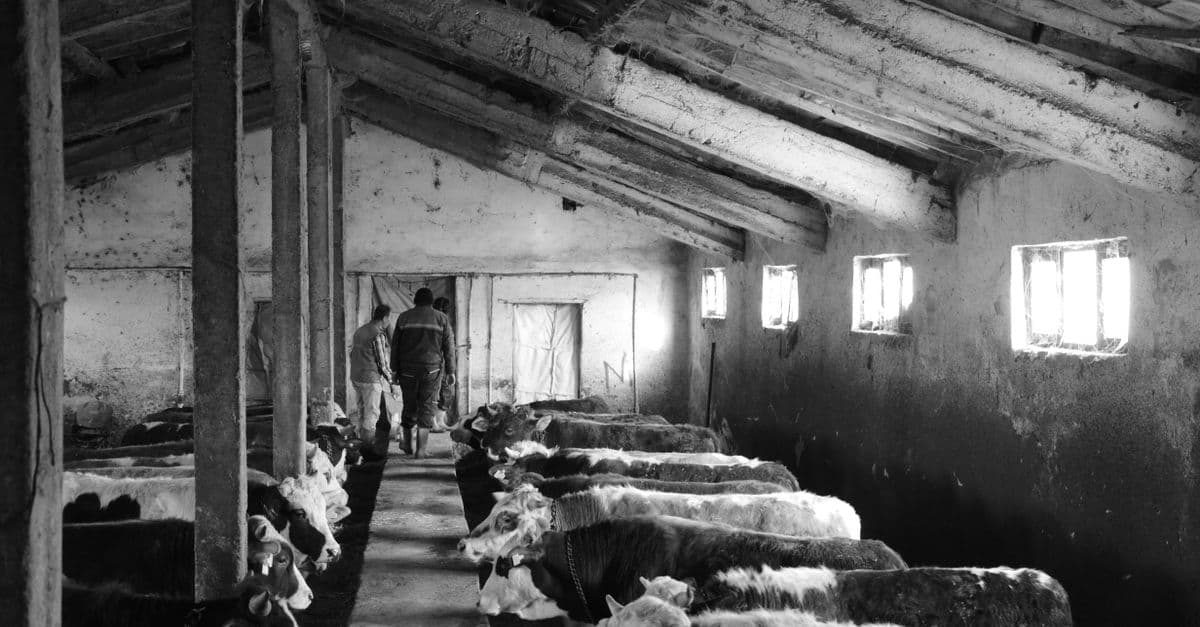
This skill helps you review and validate livestock facility designs by analyzing structural requirements, calculating dynamic loads, verifying code compliance, and optimizing layouts for animal welfare. You can assess architectural plans for dairy barns, poultry houses, and feed storage facilities, identify design gaps, evaluate material options, and confirm that facilities meet both building codes and agricultural regulations.
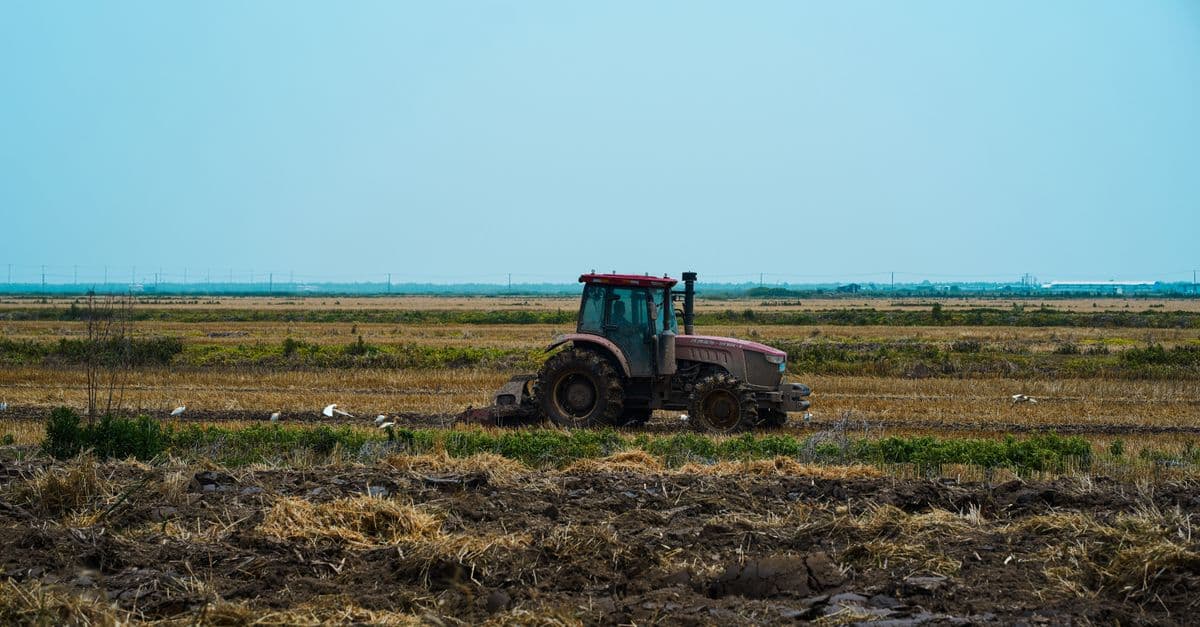
You can systematically evaluate mechanization investments by calculating total cost of ownership (TCO), comparing ownership versus leasing scenarios, and assessing labor replacement equipment. The skill delivers quantified operational efficiency gains and long-term financial projections, reducing evaluation time from weeks to hours while building stakeholder confidence in capital deployment decisions.
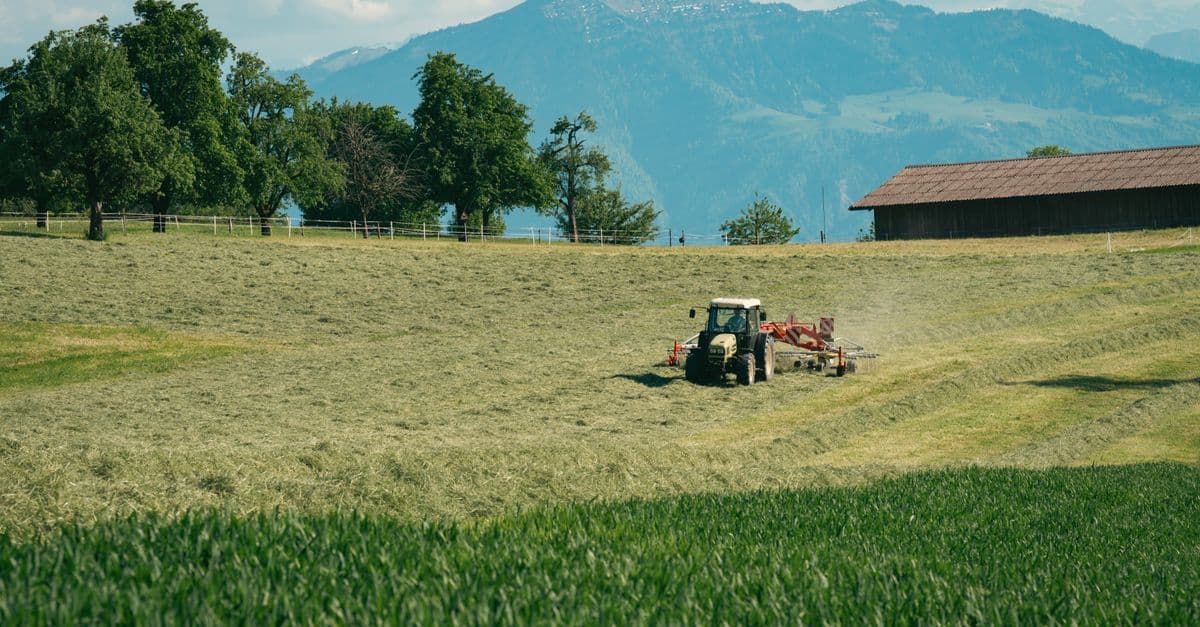
You can develop complete mechanization system architectures that match your farm's specific operations, soil conditions, and economic constraints. This skill guides you through equipment selection, power management, field logistics optimization, and ROI analysis to create actionable mechanization strategies that improve operational efficiency while maintaining sustainability and profitability.
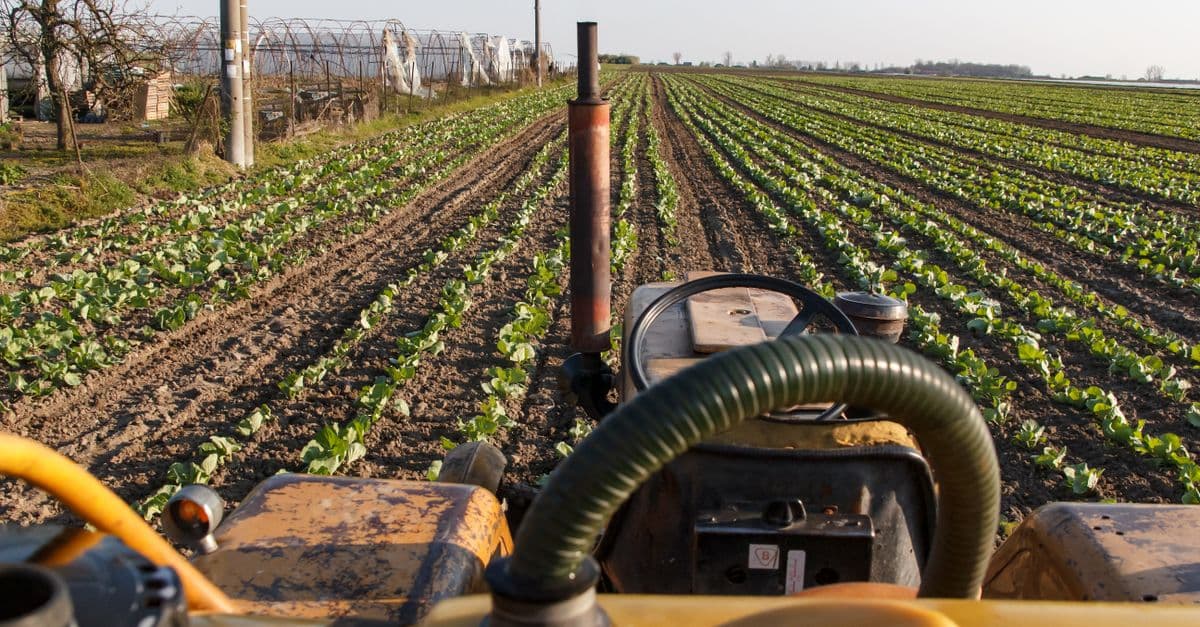
You can systematically analyze germplasm trial data to identify elite parent combinations and predict breeding outcomes. This skill processes yield, disease resistance, morphological traits, and environmental variables to quantify genotype-by-environment interactions, recommend optimal crossing strategies, and document data-driven selection rationale for regulatory compliance. It bridges raw field data and strategic breeding decisions, helping you achieve genetic gain faster while minimizing subjective bias in parental selection.
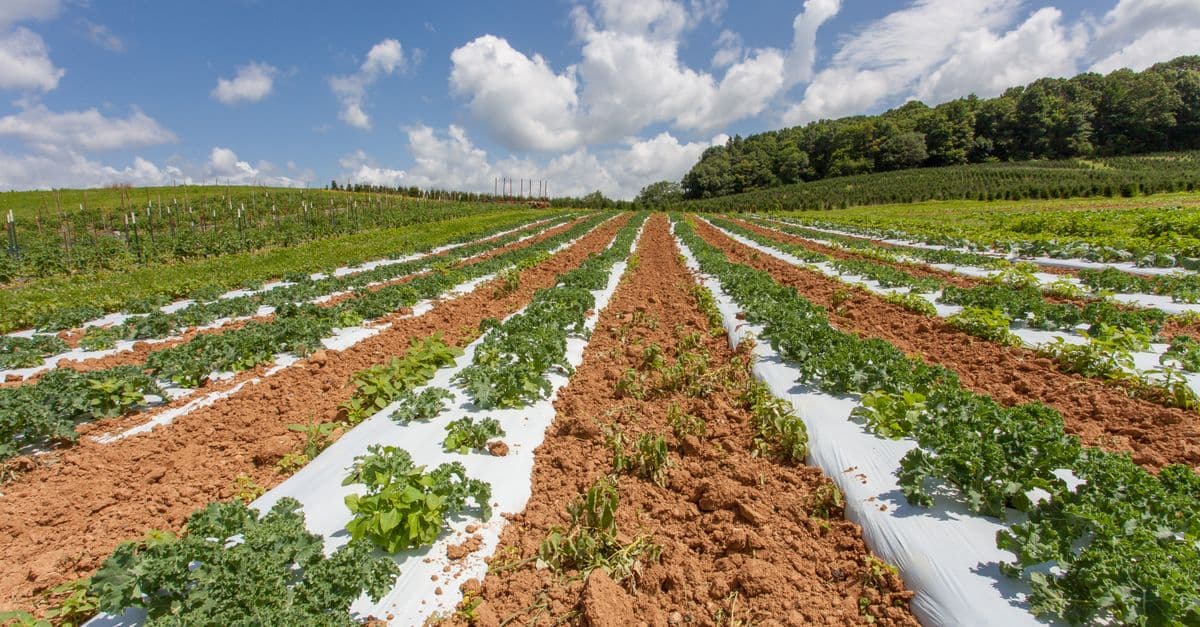
Analyze crop disease symptoms and receive rapid, evidence-based diagnoses specific to your specialty crop type. Generate spray schedules that rotate fungicide families to prevent resistance, comply with organic or export certifications, and time applications around critical crop growth stages. Cross-reference environmental conditions, disease pressure windows, and buyer residue requirements to create season-long disease management calendars that minimize crop loss while maintaining market compliance.

You can analyze ripeness progression across individual vineyard blocks and predict optimal harvest windows by integrating phenolic and sugar maturity data with real-time weather forecasts, labor scheduling constraints, and vintage market positioning. The skill helps you coordinate multi-block harvest logistics while accounting for unexpected weather events, equipment availability, and production cost targets.
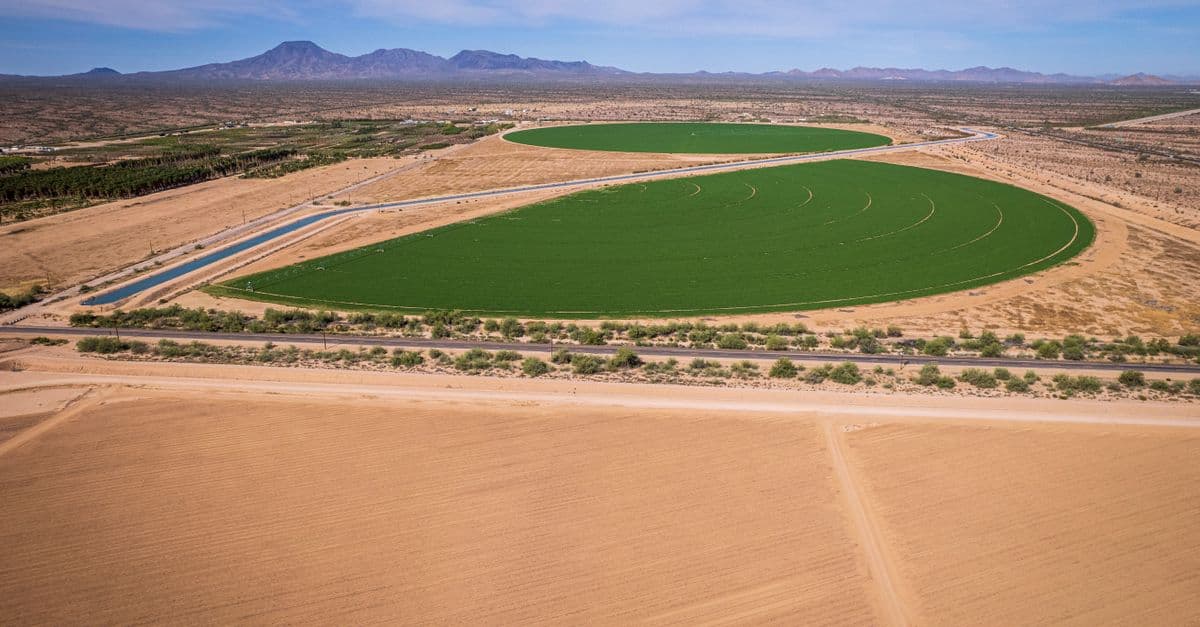
You can systematically design irrigation systems by inputting crop type, soil characteristics, field dimensions, and climate data. Claude calculates seasonal water requirements, determines optimal application rates, sizes pumps and lateral lines for your topography, generates equipment specifications with material takeoffs, and produces side-by-side cost comparisons across different system configurations. The skill generates field-ready layouts with coverage calculations and pressure loss analysis across your pipeline network.

You can rapidly diagnose pest and disease pressures from field descriptions or symptom reports, then calculate economic thresholds based on your specific crop value and control costs. The skill generates field-specific spray schedules that integrate cultural, chemical, and biological tactics while building in resistance management protocols to protect chemical efficacy long-term.