

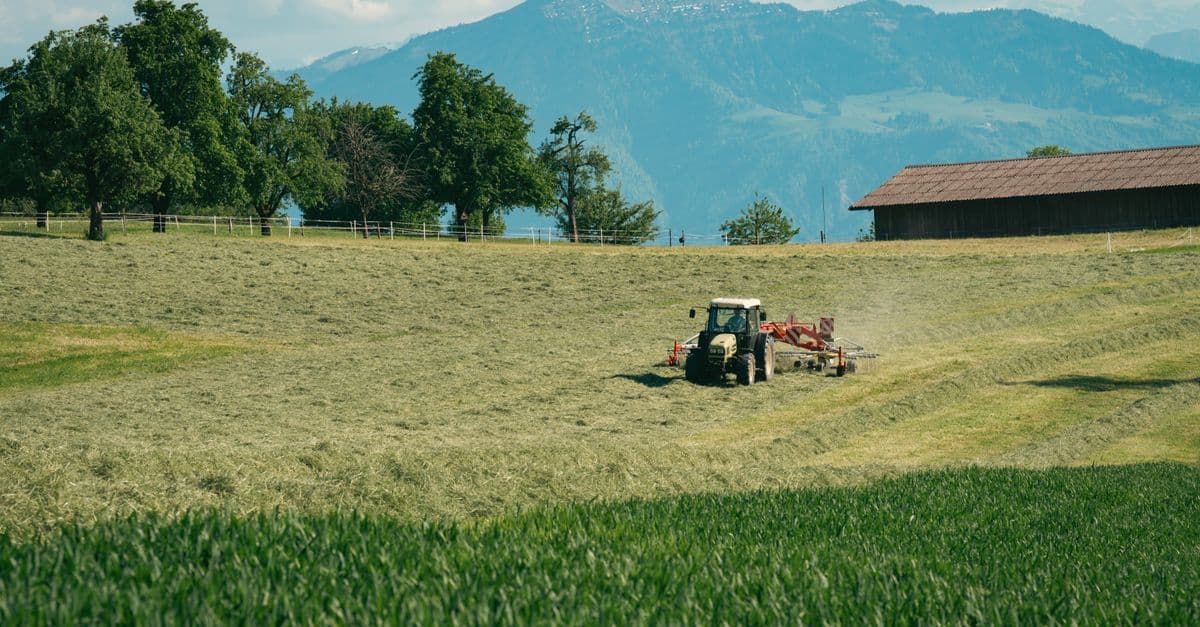
Farm Mechanization System Design & Optimization
Design integrated farm mechanization systems matching operations, soil, and economics
What You Can Do
You can develop complete mechanization system architectures that match your farm's specific operations, soil conditions, and economic constraints. This skill guides you through equipment selection, power management, field logistics optimization, and ROI analysis to create actionable mechanization strategies that improve operational efficiency while maintaining sustainability and profitability.
Features
match machinery types to crop types, field sizes, soil conditions, and operational workflows with systematic decision protocols
determine tractor horsepower, transmission capacity, and auxiliary power needs based on field operations and soil mechanics
design efficient equipment layouts, operational sequences, and workflow patterns to minimize downtime and maximize field coverage
compare capital investments, operating costs, maintenance expenses, and profitability across mechanization scenarios and lease vs. purchase options
align equipment specifications with soil properties, compaction risks, and sustainability requirements for long-term soil health
specify drivetrain configurations, PTO systems, hydraulic circuits, and power distribution for integrated operations
plan phased adoption of precision agriculture tools, autonomous systems, and digital management solutions
diagnose operational constraints in existing systems and develop targeted mechanization improvements
Example Output
Example 1: Tractor & Implement System for 500-Acre Row Crop Operation
- Recommended primary tractor: 140-160 HP, suitable for primary tillage and mid-size implements
- Soil-adjusted draft requirements: 28,500 lbs at 6 mph for moldboard plow operations
- Recommended implement set: 6-bottom plow, 12-row planter, 24-row cultivator
- Annual mechanization cost: $87,400 (includes fuel, maintenance, depreciation)
- ROI breakeven timeline: 6 years vs. custom hire alternative
Example 2: Integrated Irrigation Mechanization for Specialty Crops
- Pivot system specifications: 1,280-foot linear move, 160 GPM pump capacity
- Power source: 25 HP electric motor with backup 30 HP diesel engine
- Soil infiltration capacity: 1.8 inches/hour (sandy loam adjustment)
- Water distribution schedule: 36-hour rotation cycle optimized for crop phenology
- System cost: $145,000; water savings vs. flood irrigation: 22%
Example 3: Custom Farm Service Center Equipment Fleet
- Core equipment: 200 HP primary tractor, 100 HP secondary unit, implement trailer
- Service capacity: 2,400 acres annually across 12-farm service area
- Utilization target: 78% during peak seasons, 42% off-season
- Annual revenue potential: $156,000; operating margin: 34%
What's Included
- SKILL.md: Complete mechanization system design framework with decision protocols and technical specifications
- Equipment Selection Matrix: Crop-specific machinery recommendations with horsepower, width, and capacity guidance
- Power Requirements Calculation Templates: Spreadsheet formulas for draft force, PTO power, and hydraulic capacity calculations
- Field Logistics Workflow Planner: Operational sequence templates, bottleneck analysis checklist, and optimization frameworks
- ROI Analysis & Financing Comparison Tool: Capital budgeting templates for equipment investment scenarios, lease-vs.-purchase analysis, and profitability projections
Who It's For
- Agricultural Engineers — designing mechanization systems for new operations, expansions, or technology integration
- Farm Managers — planning equipment investments, optimizing fleet utilization, and improving operational efficiency
- Equipment Dealers & Consultants — recommending mechanization solutions tailored to client farm conditions and budgets
- Custom Farm Service Operators — selecting core equipment and designing service offerings for multiple client farms
- Irrigation & Drainage Specialists — specifying pump systems, power sources, and distribution networks for water management
Best For
- Mechanization system design for new farm operations or significant expansions
- Equipment fleet optimization and replacement planning
- Custom farm service center equipment selection and capacity planning
- Precision agriculture and automation technology integration roadmaps
- Feasibility studies and ROI analysis for mechanization investments
- Irrigation, drainage, and post-harvest mechanization system design
You might also like
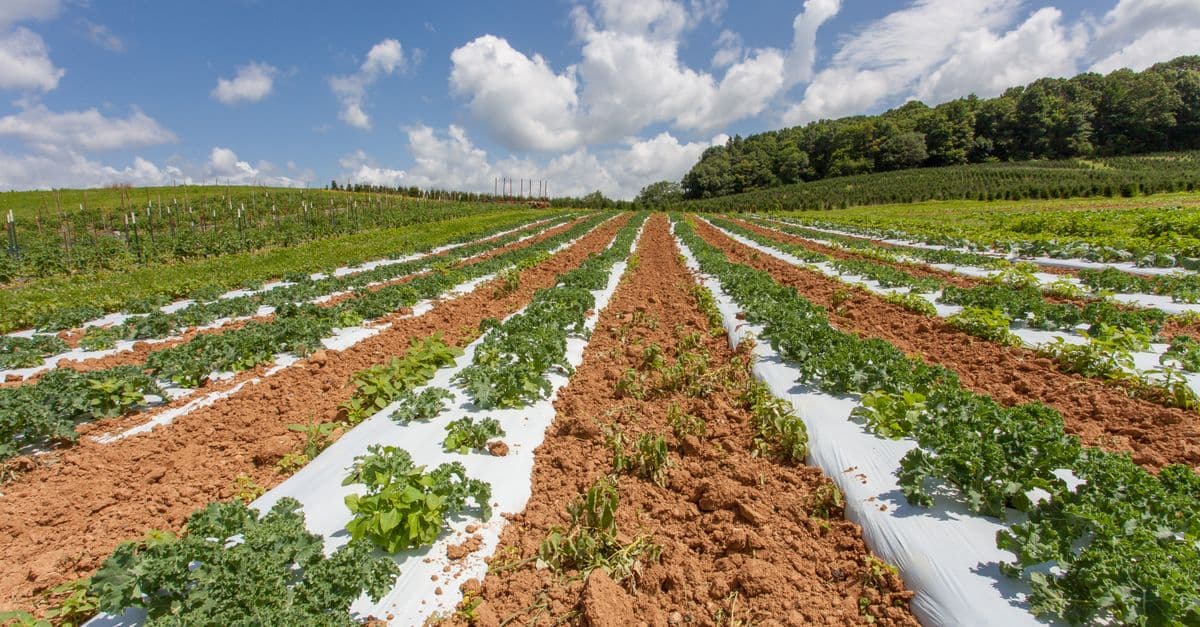
Analyze crop disease symptoms and receive rapid, evidence-based diagnoses specific to your specialty crop type. Generate spray schedules that rotate fungicide families to prevent resistance, comply with organic or export certifications, and time applications around critical crop growth stages. Cross-reference environmental conditions, disease pressure windows, and buyer residue requirements to create season-long disease management calendars that minimize crop loss while maintaining market compliance.
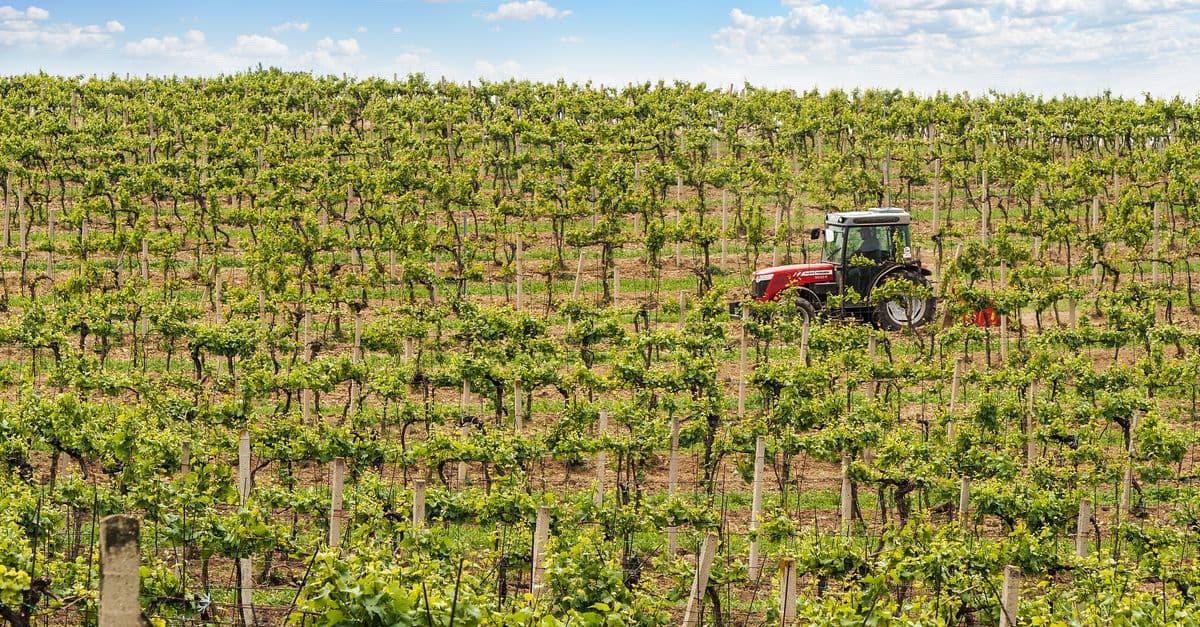
Analyze fruit maturity indicators across vineyard blocks to determine optimal harvest windows while accounting for weather forecasts, crush pad capacity, and labor availability. You'll receive structured recommendations on which blocks to harvest and in what sequence, plus logistics coordination plans that balance quality outcomes with operational constraints.
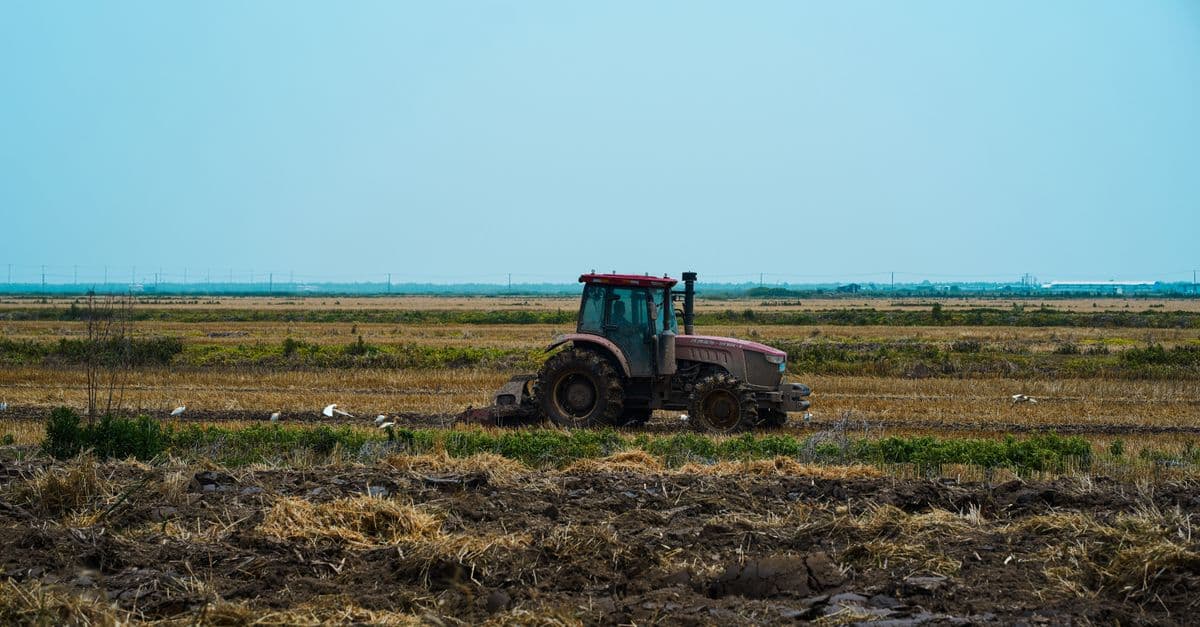
You can systematically evaluate mechanization investments by calculating total cost of ownership (TCO), comparing ownership versus leasing scenarios, and assessing labor replacement equipment. The skill delivers quantified operational efficiency gains and long-term financial projections, reducing evaluation time from weeks to hours while building stakeholder confidence in capital deployment decisions.
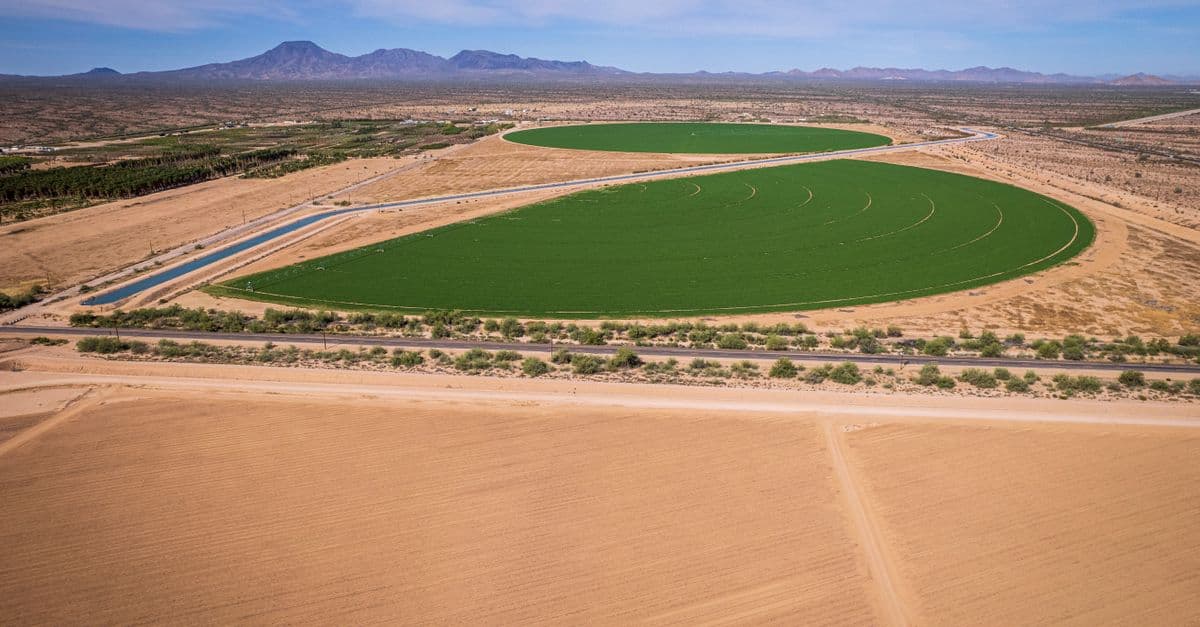
You can systematically design irrigation systems by inputting crop type, soil characteristics, field dimensions, and climate data. Claude calculates seasonal water requirements, determines optimal application rates, sizes pumps and lateral lines for your topography, generates equipment specifications with material takeoffs, and produces side-by-side cost comparisons across different system configurations. The skill generates field-ready layouts with coverage calculations and pressure loss analysis across your pipeline network.
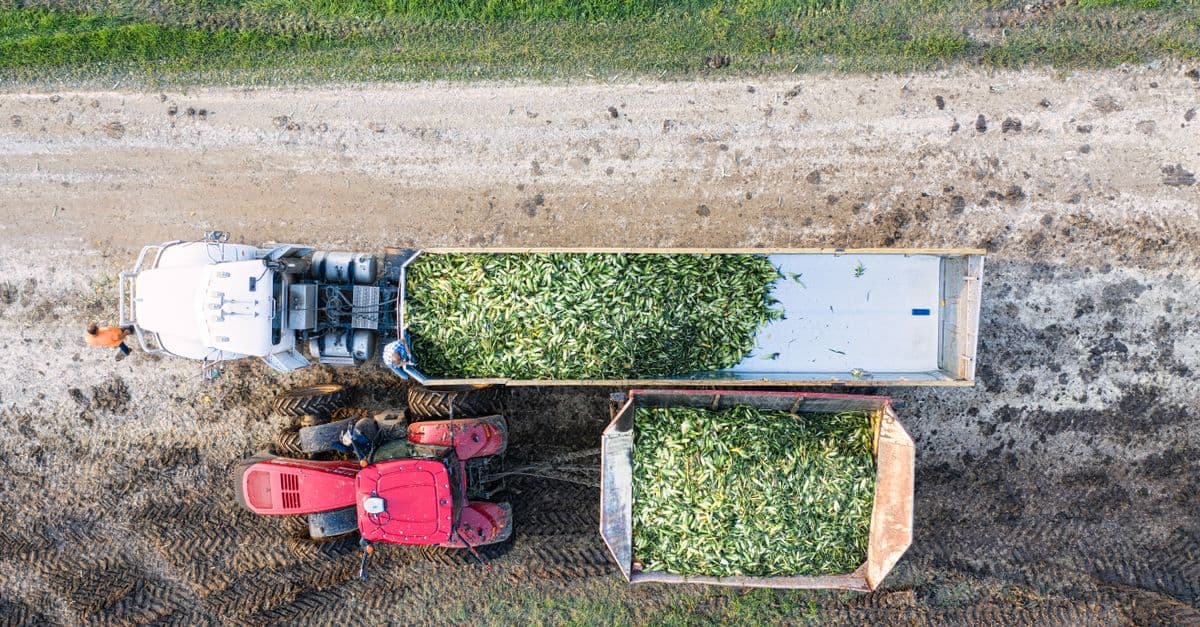
Transform raw field variability data—soil EC maps, yield histories, organic matter, elevation, and satellite imagery—into agronomically sound, equipment-ready prescription maps. You'll generate site-specific application recommendations for fertilizer, fungicides, herbicides, and seed rates across field zones, with quantified cost savings and environmental impact reductions that justify zone-based management to stakeholders.

You can analyze ripeness progression across individual vineyard blocks and predict optimal harvest windows by integrating phenolic and sugar maturity data with real-time weather forecasts, labor scheduling constraints, and vintage market positioning. The skill helps you coordinate multi-block harvest logistics while accounting for unexpected weather events, equipment availability, and production cost targets.
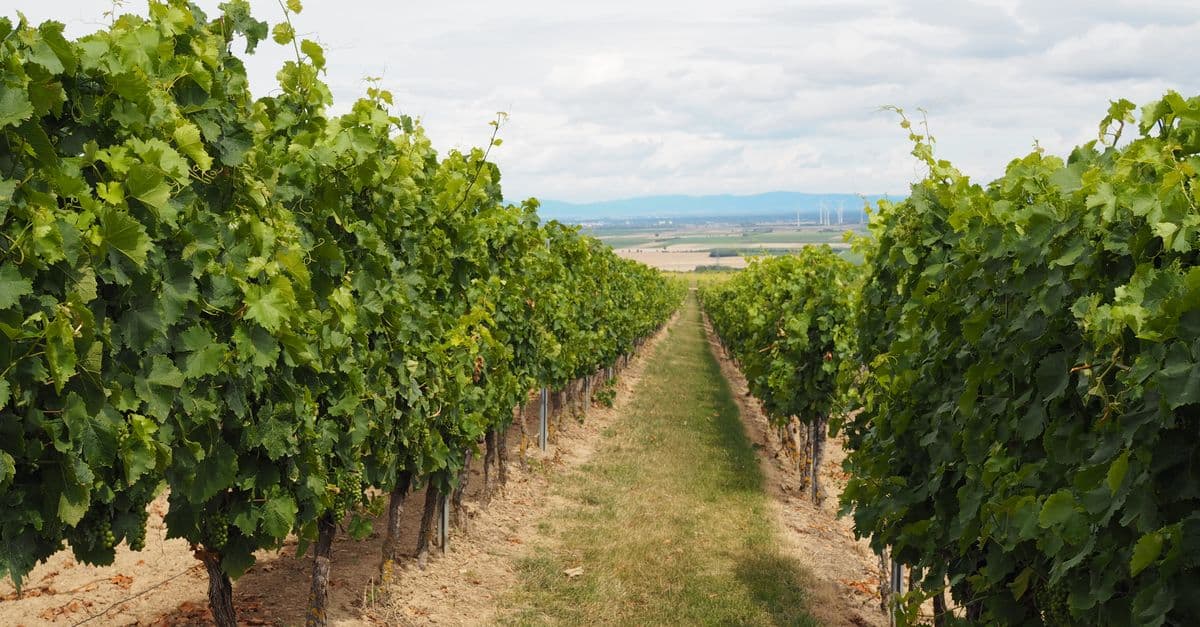
This skill evaluates your vineyard's sustainability across three pillars—environmental stewardship, economic viability, and social responsibility—using recognized assessment standards. You'll receive a baseline sustainability audit with quantified metrics (water use, pesticide inputs, soil health, carbon footprint), prioritized improvement opportunities, and a multi-year implementation roadmap tailored to your vineyard's current practices and certification goals.
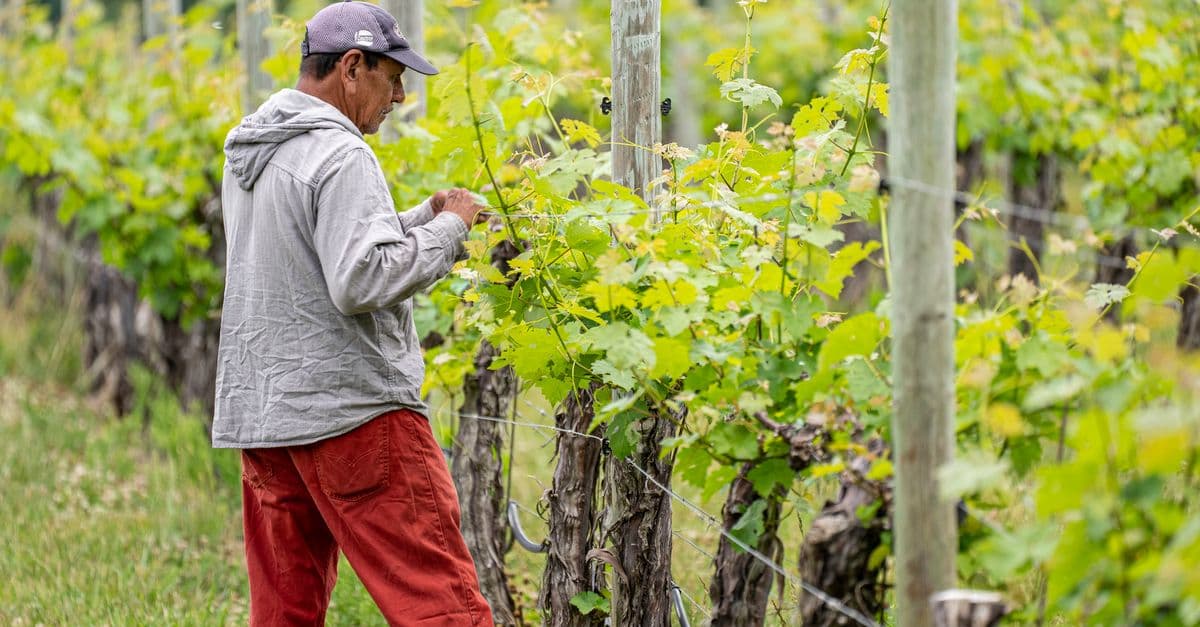
You can systematically evaluate your vineyard's sustainability performance across water management, soil health, pesticide use, carbon footprint, input costs, labor practices, and community relations. Claude generates quantifiable baselines, identifies high-impact interventions tailored to viticulture's unique constraints (seasonal labor, phytosanitary pressures, terroir dependencies), and creates implementation roadmaps that integrate with your existing operations—whether you're pursuing organic certification, biodynamic transition, or responding to retailer sustainability requirements.