

Specialty Crop Disease Management Advisor
Diagnose specialty crop diseases and create integrated spray management protocols
What You Can Do
Analyze crop disease symptoms and receive rapid, evidence-based diagnoses specific to your specialty crop type. Generate spray schedules that rotate fungicide families to prevent resistance, comply with organic or export certifications, and time applications around critical crop growth stages. Cross-reference environmental conditions, disease pressure windows, and buyer residue requirements to create season-long disease management calendars that minimize crop loss while maintaining market compliance.
Features
Input leaf spots, wilting, discoloration, or fruit lesions; Claude identifies likely pathogens with confidence levels and distinguishing characteristics
Receive treatment recommendations screened for organic certification, export protocols, harvest-window restrictions, and resistance management best practices
Generate timed application calendars that rotate fungicide modes of action, account for rainfall, and align with bloom, fruit set, and pre-harvest windows
Combine chemical treatments with cultural practices (canopy management, irrigation timing, sanitation) to reduce overall disease pressure and chemical dependence
Create records linking treatments to disease history, environmental conditions, and product labels for buyer audits and regulatory review
Prevent fungicide resistance through rotation strategies, tank-mix combinations, and monitoring thresholds specific to your pathogen populations
Identify storage diseases, assess cold-chain protocols, and recommend preventive treatments for packhouse and shipping phases
Example Output
Example 1: Powdery Mildew on Wine Grapes
Input: "White powdery coating on leaves and cluster stems, appearing 3 weeks before harvest. Vineyard is organic certified."
Claude Output:
- Diagnosis: Erysiphe necator (grapevine powdery mildew) — 95% confidence
- Treatments: Sulfur dust (organic approved), potassium bicarbonate, neem oil; avoid sulfur within 2 weeks of harvest
- Spray Schedule: Apply every 7–10 days until veraison; discontinue 14 days pre-harvest
- Resistance Status: Low risk; rotate between sulfur and KC fungicides
Example 2: Botrytis in Strawberries
Input: "Gray fuzzy rot on berries during wet spring. High-density planting. Selling to regional grocery chain."
Claude Output:
- Diagnosis: Botrytis cinerea — 98% confidence. Environmental factors: Humidity >85%, poor air circulation
- Fungicide Options: Pyrimethanil, fenhexamid (both <14-day pre-harvest intervals)
- Spray Schedule:
- Bloom start: First application
- Green fruit: Every 7 days during wet periods
- Red fruit: Switch to lower-residue option; stop 3 days pre-harvest
- Cultural Fixes: Remove lower leaves, increase row spacing, drip irrigation (avoid overhead)
- Buyer Compliance: All products approved for conventional retail; residues <0.1 ppm
What's Included
- SPECIALTY-CROP-DISEASE-MANAGEMENT-ADVISOR.md: Full skill instruction set and analysis framework
- Disease Diagnosis Checklist: Symptom taxonomy for berries, tree fruits, vegetables, and ornamentals; environmental factors to report
- Fungicide Rotation Matrix: Mode-of-action groupings and resistance-management calendars by crop type
- Spray Schedule Template: Editable calendar with columns for crop stage, product, rate, interval, pre-harvest interval, and certification notes
- IPM Action Thresholds: Disease incidence levels triggering chemical intervention vs. cultural management alone
- Compliance Documentation Sheet: Audit-ready record linking treatments to disease observation dates, environmental conditions, and product labels
Who It's For
- Specialty crop farm managers — Berries, tree fruits, vegetables, medicinal herbs seeking precision disease control
- Organic or certified-sustainable producers — Needing fungicide options approved for certification programs
- Export-focused growers — Managing residue limits and phytosanitary requirements for international buyers
- Packhouse or storage operations — Preventing post-harvest disease losses and managing cold-chain protocols
- Agricultural consultants or crop scouts — Training staff on disease identification and protocol development
Best For
- Rapid disease diagnosis during growing season — Identify pathogens from symptom photos or descriptions within hours
- Preventive spray calendar planning — Create season-long schedules aligned with weather, crop growth, and harvest windows
- Fungicide selection for compliance — Filter treatments by organic certification, export protocols, or buyer requirements
- Resistance management strategy — Rotate fungicide families and modes of action to preserve product efficacy
- Post-harvest disease protocols — Design storage, packaging, and cold-chain treatments to reduce losses in packhouse and distribution
You might also like
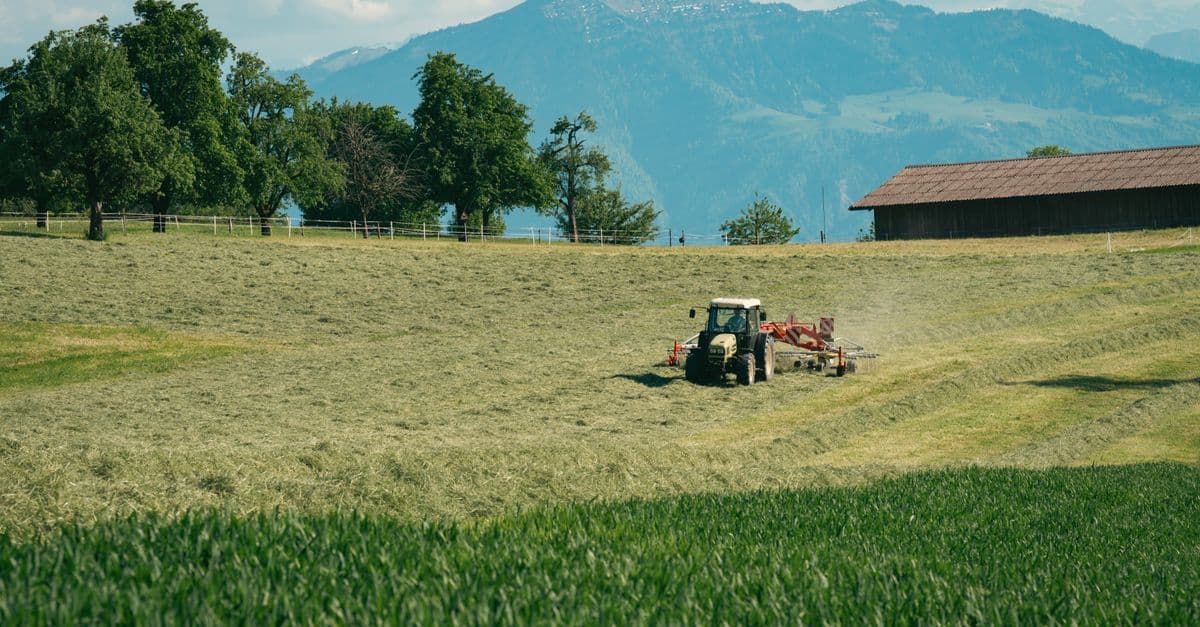
You can develop complete mechanization system architectures that match your farm's specific operations, soil conditions, and economic constraints. This skill guides you through equipment selection, power management, field logistics optimization, and ROI analysis to create actionable mechanization strategies that improve operational efficiency while maintaining sustainability and profitability.
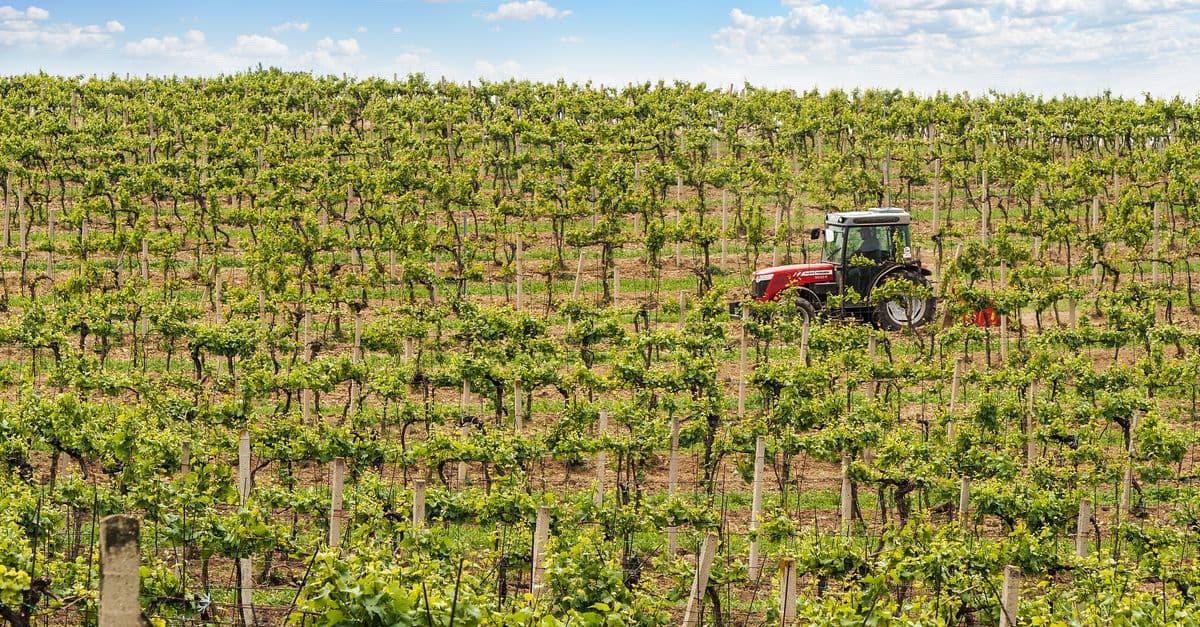
Analyze fruit maturity indicators across vineyard blocks to determine optimal harvest windows while accounting for weather forecasts, crush pad capacity, and labor availability. You'll receive structured recommendations on which blocks to harvest and in what sequence, plus logistics coordination plans that balance quality outcomes with operational constraints.
You can systematically evaluate mechanization investments by calculating total cost of ownership (TCO), comparing ownership versus leasing scenarios, and assessing labor replacement equipment. The skill delivers quantified operational efficiency gains and long-term financial projections, reducing evaluation time from weeks to hours while building stakeholder confidence in capital deployment decisions.
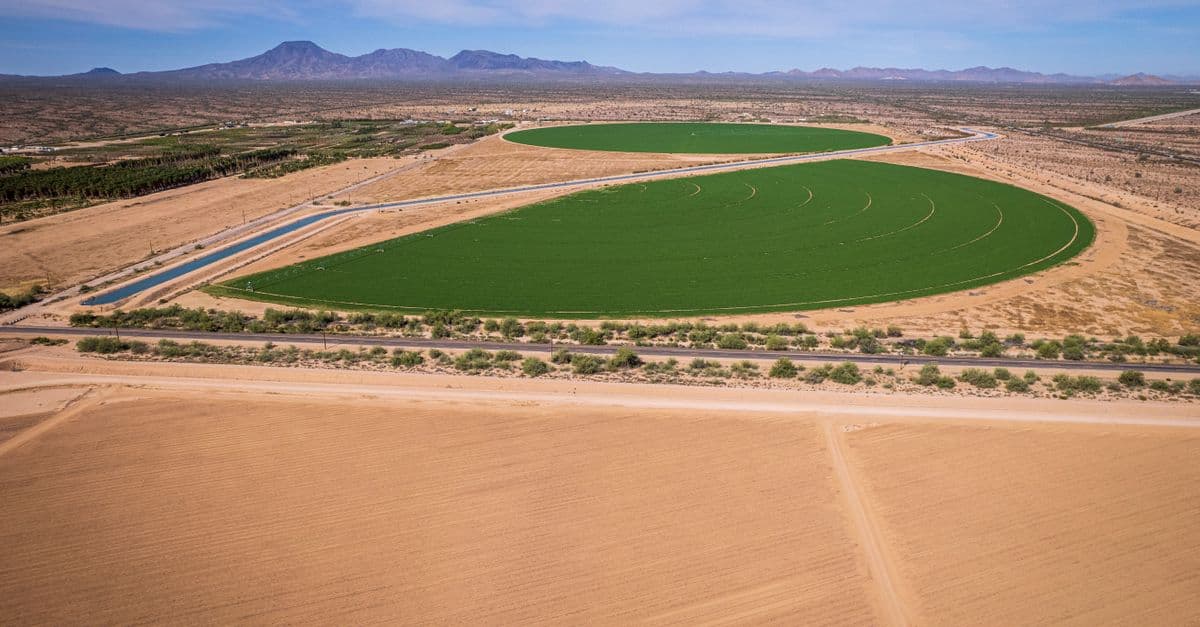
You can systematically design irrigation systems by inputting crop type, soil characteristics, field dimensions, and climate data. Claude calculates seasonal water requirements, determines optimal application rates, sizes pumps and lateral lines for your topography, generates equipment specifications with material takeoffs, and produces side-by-side cost comparisons across different system configurations. The skill generates field-ready layouts with coverage calculations and pressure loss analysis across your pipeline network.
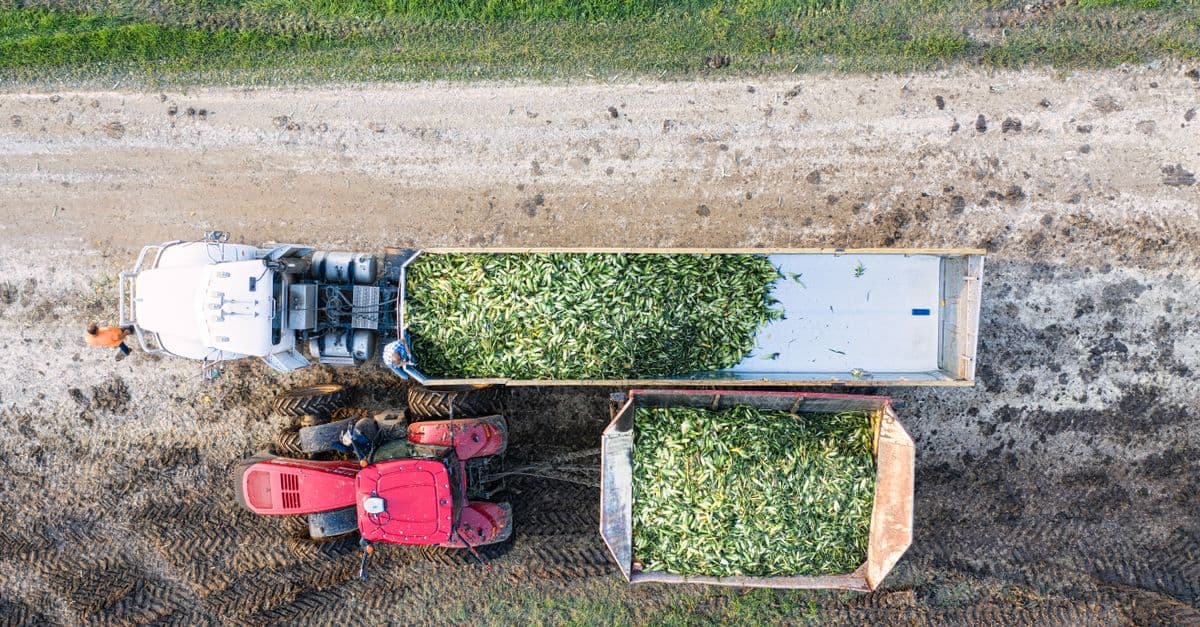
Transform raw field variability data—soil EC maps, yield histories, organic matter, elevation, and satellite imagery—into agronomically sound, equipment-ready prescription maps. You'll generate site-specific application recommendations for fertilizer, fungicides, herbicides, and seed rates across field zones, with quantified cost savings and environmental impact reductions that justify zone-based management to stakeholders.

You can analyze ripeness progression across individual vineyard blocks and predict optimal harvest windows by integrating phenolic and sugar maturity data with real-time weather forecasts, labor scheduling constraints, and vintage market positioning. The skill helps you coordinate multi-block harvest logistics while accounting for unexpected weather events, equipment availability, and production cost targets.
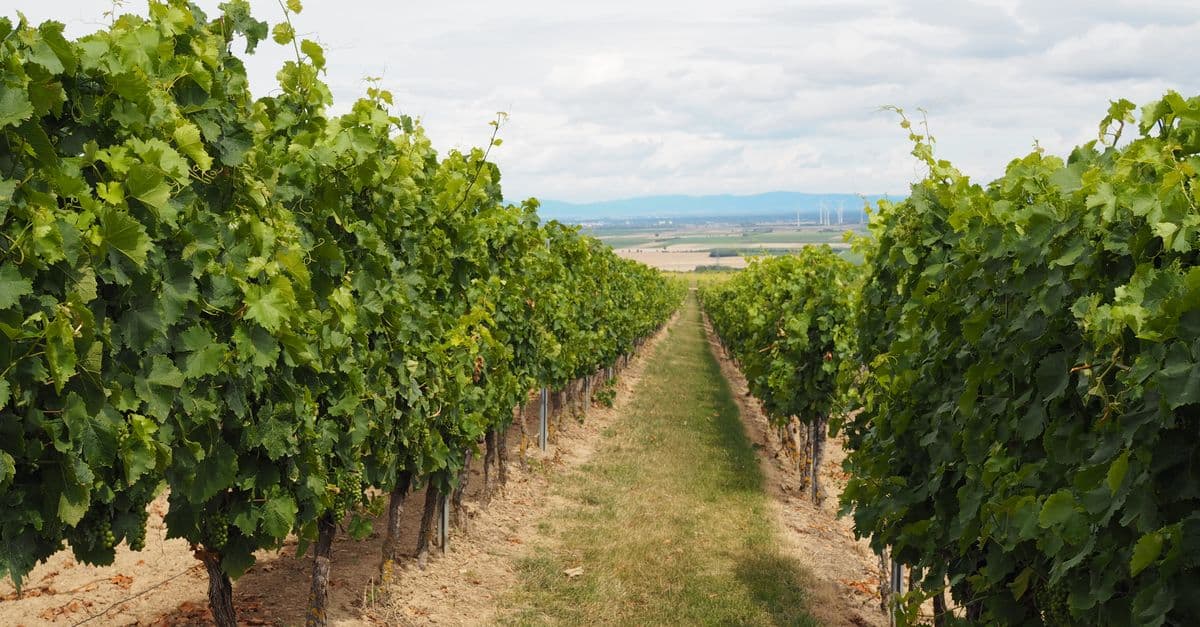
This skill evaluates your vineyard's sustainability across three pillars—environmental stewardship, economic viability, and social responsibility—using recognized assessment standards. You'll receive a baseline sustainability audit with quantified metrics (water use, pesticide inputs, soil health, carbon footprint), prioritized improvement opportunities, and a multi-year implementation roadmap tailored to your vineyard's current practices and certification goals.
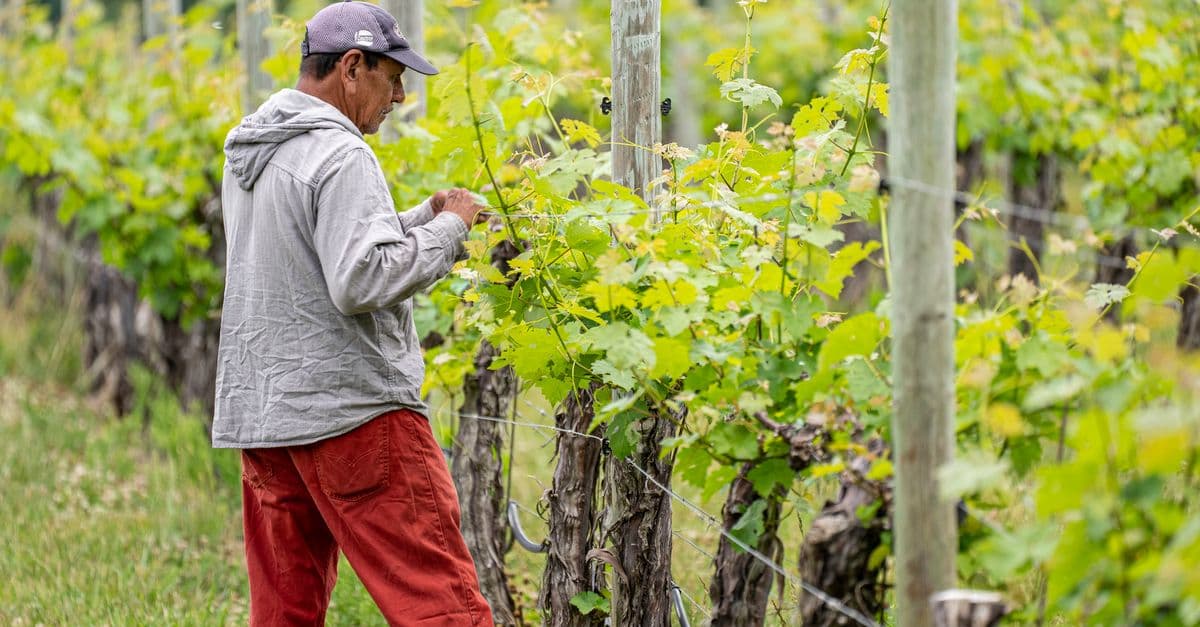
You can systematically evaluate your vineyard's sustainability performance across water management, soil health, pesticide use, carbon footprint, input costs, labor practices, and community relations. Claude generates quantifiable baselines, identifies high-impact interventions tailored to viticulture's unique constraints (seasonal labor, phytosanitary pressures, terroir dependencies), and creates implementation roadmaps that integrate with your existing operations—whether you're pursuing organic certification, biodynamic transition, or responding to retailer sustainability requirements.