


Specialty Crop Disease Identification & Action Planning
Diagnose specialty crop diseases and generate evidence-based treatment plans instantly
What You Can Do
Document field symptoms and receive AI-assisted disease diagnosis with confidence levels based on pathogen patterns, environmental conditions, and crop-specific vulnerabilities. Generate integrated pest management (IPM) treatment plans that include fungicide/biological options, application timing, and prevention strategies—all within hours instead of waiting for lab results or extension appointments. Compare treatment costs against crop value to prioritize management efforts across multiple field issues.
Features
Cross-references leaf lesions, canopy patterns, root damage, and environmental conditions against specialty crop disease profiles
Suggests fungicide, biological, and cultural control options ranked by efficacy, cost, and certification compatibility
Creates step-by-step application schedules, spray intervals, and tank-mix compatibility checks for your specific crop and operation scale
Outlines monitoring schedules, resistant variety options, and sanitation protocols to break disease cycles
Filters recommendations based on organic, conventional, or transitional certification requirements
Compares treatment expense against crop market value and yield loss projections to guide ROI decisions
Tracks symptom progression and environmental triggers to inform future season planning and spray timing adjustments
Example Output
Disease Diagnosis Example:
- Suspected pathogen: Botrytis cinerea (gray mold) — 85% confidence
- Key indicators: Brown-gray fuzzy mycelium on ripening berries, high humidity + cool nights (58–72°F), poor canopy airflow
- Secondary risk: Phomopsis leaf spot (40% confidence)
Generated Treatment Plan:
- Immediate (24–48 hrs): Apply sulfur dust or biological fungicide (e.g., Bacillus subtilis) on all affected blocks; thin canopy for airflow
- Week 1–2: Scout daily; increase spray interval to 7-day cycles if conditions favor disease
- Prevention: Install micro-sprinklers to reduce leaf wetness duration; remove infected fruit debris post-harvest
- Cost estimate: $250/acre for 3 applications vs. estimated $1,800/acre yield loss if untreated
Monitoring Checklist: ✓ Humidity levels at dawn (target <85% by 10am) ✓ New lesion appearance (indicates active infection) ✓ Fungicide efficacy (sample 20 berries/block post-application)
What's Included
- SKILL.md instruction file with diagnostic framework and disease reference database:
- Field Observation Template: Structured form for documenting symptoms, environmental conditions, and crop stage
- IPM Treatment Planner: Fungicide/biological option matrix with application schedules and tank-mix compatibility
- Prevention Protocol Checklist: Sanitation, monitoring, and variety selection workflows for disease cycle management
- Cost-Benefit Decision Tool: Worksheet for comparing treatment costs against crop value and yield loss projections
Who It's For
- Specialty crop farm managers (berries, stone fruits, tree nuts, vegetables, hops, wine grapes) managing disease outbreaks during growing season
- Organic and transitional operation owners needing certification-compliant treatment options under time pressure
- Multi-block farm operators triaging disease issues across fields to prioritize scouting and management resources
- Integrated pest management (IPM) consultants preparing preliminary diagnoses before lab confirmation or extension consultation
- Agricultural extension educators supporting remote or off-hours farmer decision-making for disease management
Best For
- Rapid preliminary disease diagnosis from field observations (symptoms + photos) when lab results unavailable
- Generating treatment protocols within 24–48 hours before disease spread compromises yield
- Comparing fungicide, biological, and cultural control options aligned with crop value and certification status
- Building disease monitoring schedules and prevention strategies to reduce future season incidence
- Documenting symptom progression and environmental conditions for disease cycle pattern recognition and spray timing optimization
You might also like
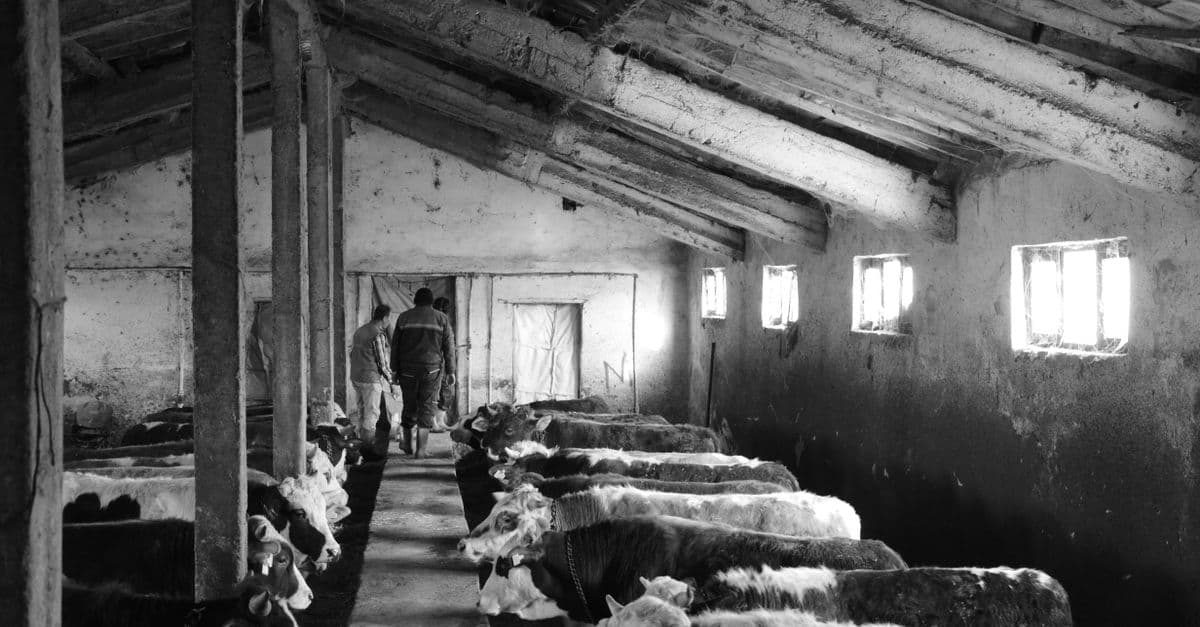
This skill helps you review and validate livestock facility designs by analyzing structural requirements, calculating dynamic loads, verifying code compliance, and optimizing layouts for animal welfare. You can assess architectural plans for dairy barns, poultry houses, and feed storage facilities, identify design gaps, evaluate material options, and confirm that facilities meet both building codes and agricultural regulations.
You can systematically evaluate mechanization investments by calculating total cost of ownership (TCO), comparing ownership versus leasing scenarios, and assessing labor replacement equipment. The skill delivers quantified operational efficiency gains and long-term financial projections, reducing evaluation time from weeks to hours while building stakeholder confidence in capital deployment decisions.
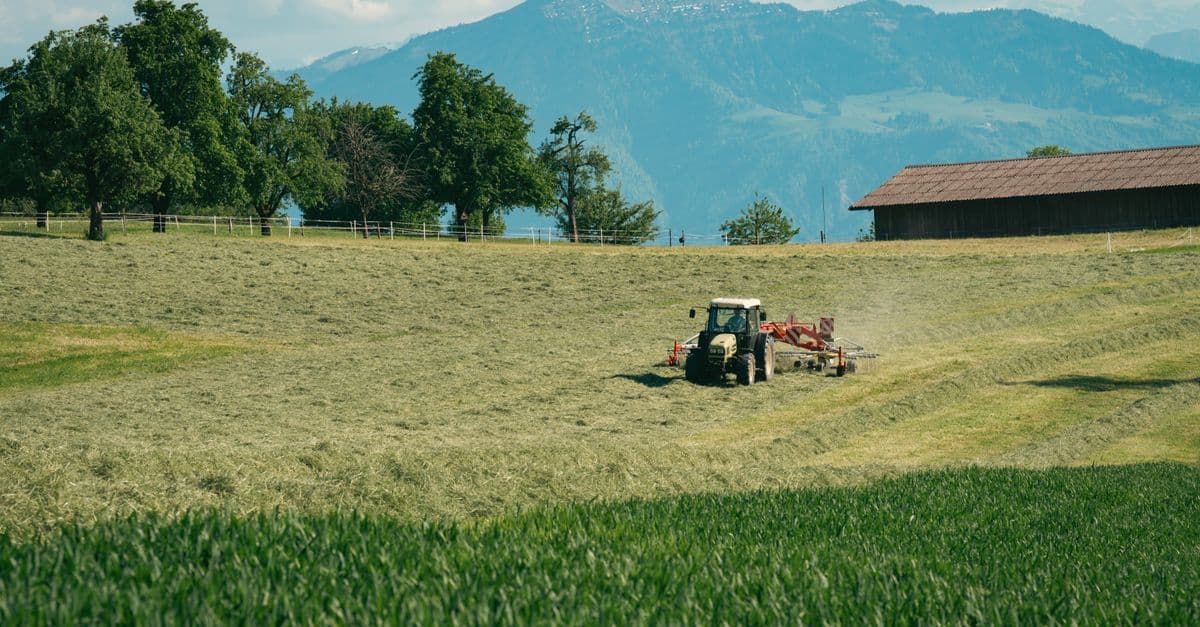
You can develop complete mechanization system architectures that match your farm's specific operations, soil conditions, and economic constraints. This skill guides you through equipment selection, power management, field logistics optimization, and ROI analysis to create actionable mechanization strategies that improve operational efficiency while maintaining sustainability and profitability.
You can systematically analyze germplasm trial data to identify elite parent combinations and predict breeding outcomes. This skill processes yield, disease resistance, morphological traits, and environmental variables to quantify genotype-by-environment interactions, recommend optimal crossing strategies, and document data-driven selection rationale for regulatory compliance. It bridges raw field data and strategic breeding decisions, helping you achieve genetic gain faster while minimizing subjective bias in parental selection.
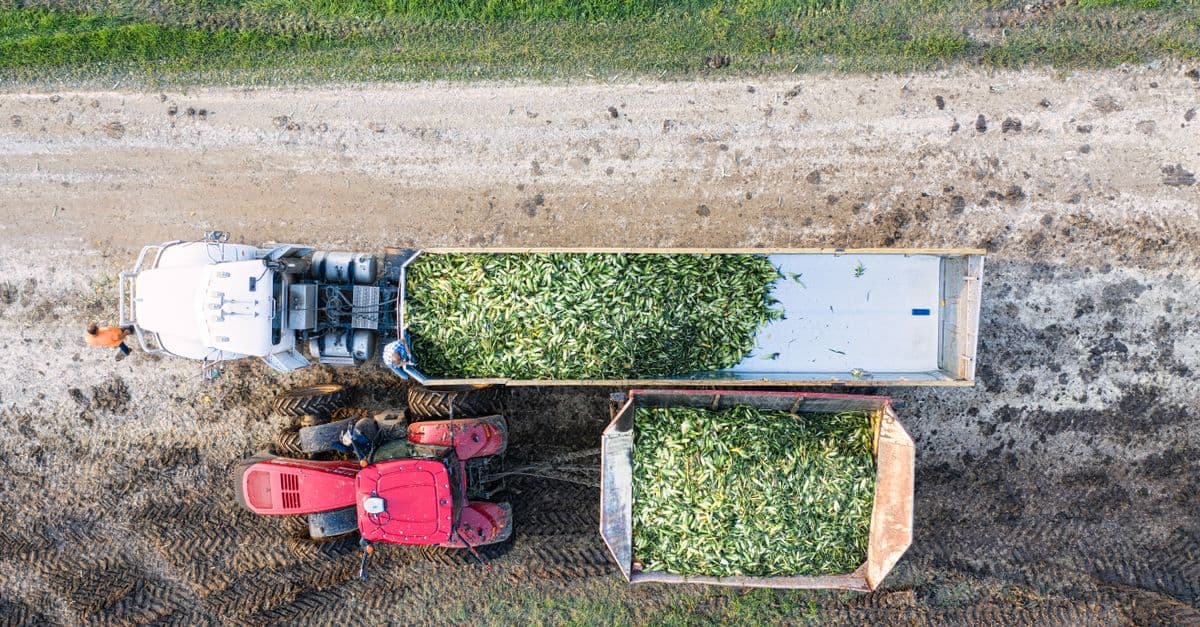
Transform raw field variability data—soil EC maps, yield histories, organic matter, elevation, and satellite imagery—into agronomically sound, equipment-ready prescription maps. You'll generate site-specific application recommendations for fertilizer, fungicides, herbicides, and seed rates across field zones, with quantified cost savings and environmental impact reductions that justify zone-based management to stakeholders.
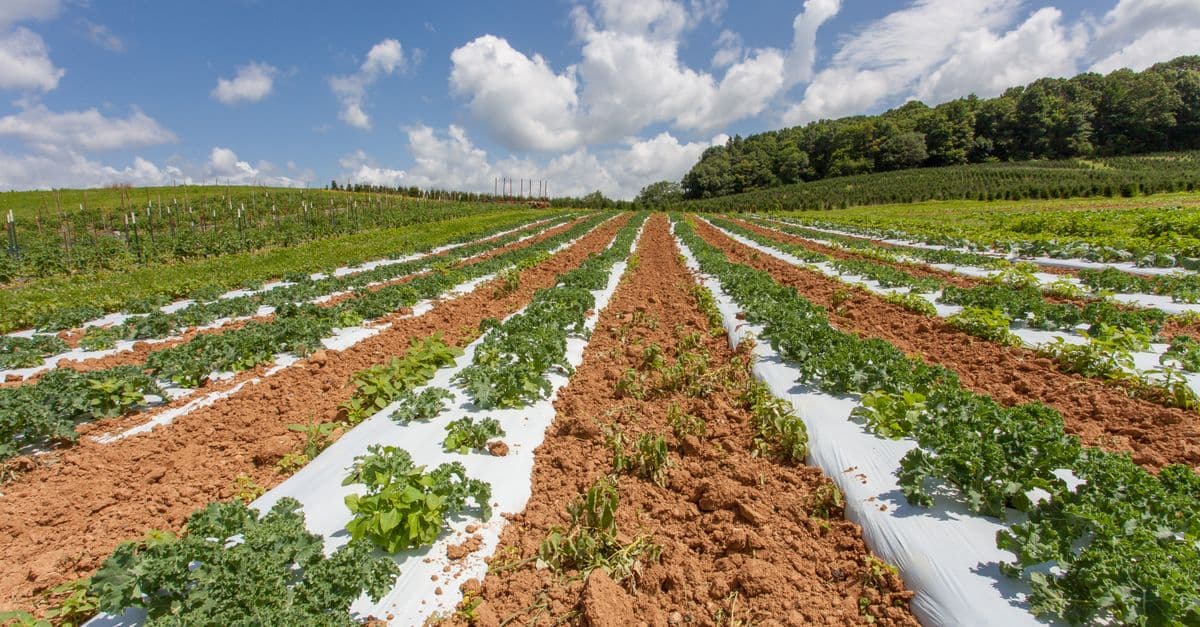
Analyze crop disease symptoms and receive rapid, evidence-based diagnoses specific to your specialty crop type. Generate spray schedules that rotate fungicide families to prevent resistance, comply with organic or export certifications, and time applications around critical crop growth stages. Cross-reference environmental conditions, disease pressure windows, and buyer residue requirements to create season-long disease management calendars that minimize crop loss while maintaining market compliance.

You can analyze ripeness progression across individual vineyard blocks and predict optimal harvest windows by integrating phenolic and sugar maturity data with real-time weather forecasts, labor scheduling constraints, and vintage market positioning. The skill helps you coordinate multi-block harvest logistics while accounting for unexpected weather events, equipment availability, and production cost targets.
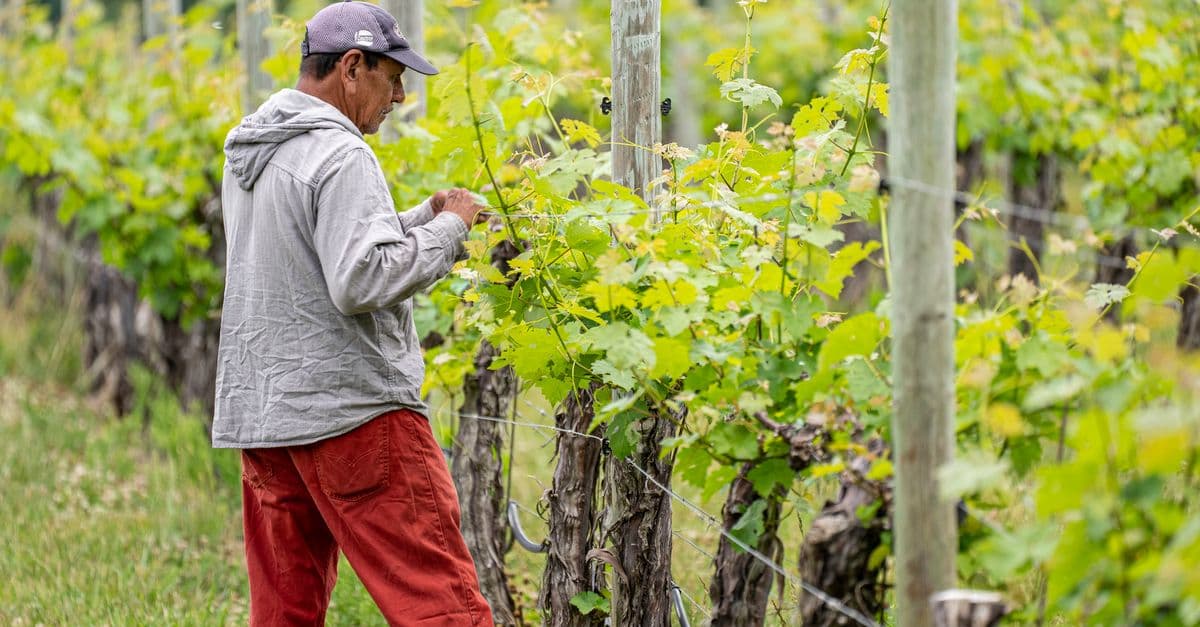
You can systematically evaluate your vineyard's sustainability performance across water management, soil health, pesticide use, carbon footprint, input costs, labor practices, and community relations. Claude generates quantifiable baselines, identifies high-impact interventions tailored to viticulture's unique constraints (seasonal labor, phytosanitary pressures, terroir dependencies), and creates implementation roadmaps that integrate with your existing operations—whether you're pursuing organic certification, biodynamic transition, or responding to retailer sustainability requirements.