


Soil Nutrient Balance Diagnostic & Amendment Protocol
Diagnose soil nutrient deficiencies and create targeted amendment protocols
What You Can Do
You can systematically diagnose soil nutrient deficiencies, toxicities, and imbalances by integrating soil test results, tissue analysis, visual crop symptoms, and environmental data. Claude cross-references your field observations against nutrient profiles, calculates precise amendment rates based on soil chemistry, and accounts for nutrient interactions (antagonisms and synergies) to create actionable, crop-specific amendment protocols—not generic recommendations.
Features
Match crop symptoms (chlorosis, stunting, quality issues) to specific nutrient gaps using visual and tissue analysis data
Analyze lab results (pH, organic matter, macro/micronutrient concentrations) to identify locked-up or plant-unavailable nutrients
Generate precise fertilizer application rates based on soil test values, crop nutrient demand, and target yield goals
Account for nutrient interactions that affect availability and crop uptake (e.g., potassium-magnesium competition)
Design fertility programs for challenging soils (high pH, saline, waterlogged, eroded) with custom solutions
Specify optimal timing, incorporation methods, and product selection for maximum nutrient efficiency
Estimate expected yield and quality improvements with realistic timelines for amendment effectiveness
Example Output
Example 1: Corn Chlorosis Diagnosis
Input: Soil test shows pH 7.8, iron 15 ppm (adequate), but corn leaves show interveinal chlorosis on newest growth.
Output:
- Diagnosis: Iron chlorosis triggered by high pH and elevated bicarbonate, not iron deficiency
- Amendment: Apply chelated iron (Fe-DTPA) 2 lb/acre foliar at V4-V6; incorporate sulfur 1 ton/acre pre-plant next season
- Timeline: Foliar response in 10-14 days; soil pH reduction over 2+ years
Example 2: Wheat Phosphorus Imbalance
Input: Soil test P 25 ppm (marginal), tissue sample shows P 0.28% (below 0.35% critical level), K 2.1% (high).
Output:
- Diagnosis: Phosphorus deficiency masked by potassium excess reducing P uptake
- Amendment: Apply 60 lb P₂O₅/acre as MAP (9-52-0) banded at planting; reduce K fertilizer 30 lb/acre
- Expected Response: +4-6 bu/acre yield recovery; critical P level reached by boot stage
What's Included
- SKILL.md instruction file with diagnostic framework and amendment protocol methodology:
- Soil Test Interpretation Template: structured worksheet for translating lab values to agronomic recommendations
- Nutrient Deficiency Symptom Checklist: visual identification guide for macro and micronutrient deficiencies across major crops
- Amendment Rate Calculator: formulas and examples for calculating product rates based on soil test results and yield goals
- Nutrient Interaction Reference: chart of antagonisms, synergies, and immobility factors (pH, soil moisture, organic matter effects)
Who It's For
- Agronomists and crop consultants diagnosing farm nutrient problems and designing fertility programs
- Soil scientists and laboratory professionals interpreting soil test results for growers
- Farm operators and sustainable farmers troubleshooting yield or quality issues linked to soil nutrition
- Certified crop advisors (CCAs) developing precision nutrient management plans
- Agricultural researchers and extension educators teaching soil-crop nutrient relationships
Best For
- Interpreting soil and tissue test results showing deficiencies, toxicities, or imbalances
- Diagnosing atypical crop growth problems (chlorosis, stunting, poor quality) from visual field observations
- Designing fertility amendments for problem soils (high pH, saline, waterlogged, compacted, eroded)
- Troubleshooting poor yield responses to standard fertilizer programs
- Selecting optimal amendment products, rates, timing, and application methods for maximum efficiency
You might also like
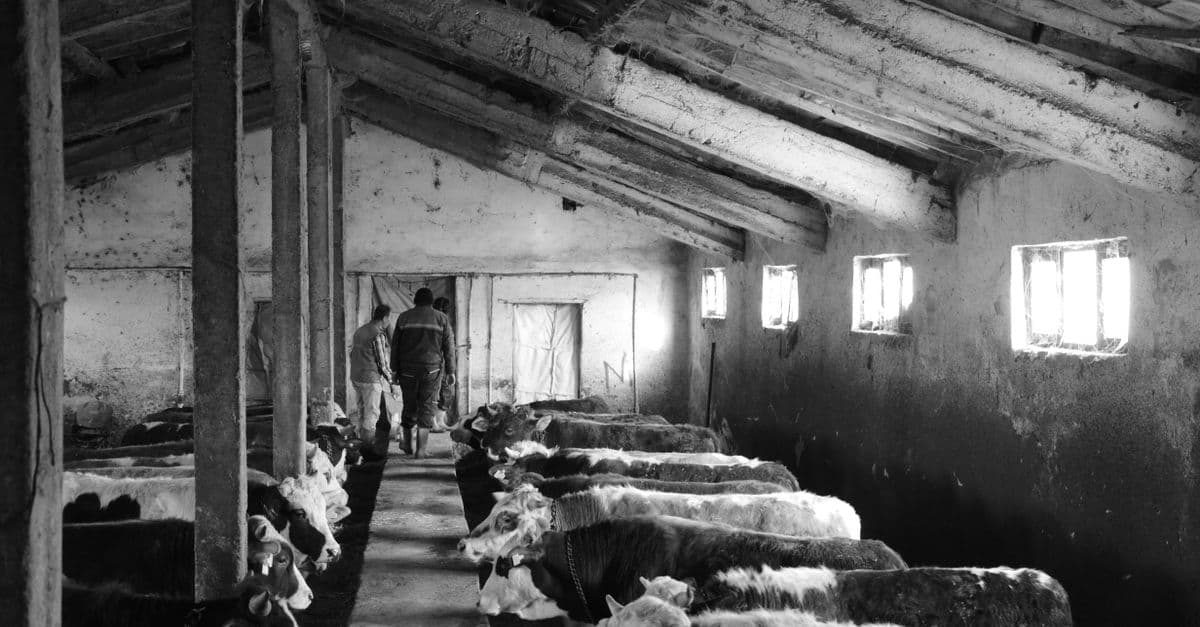
This skill helps you review and validate livestock facility designs by analyzing structural requirements, calculating dynamic loads, verifying code compliance, and optimizing layouts for animal welfare. You can assess architectural plans for dairy barns, poultry houses, and feed storage facilities, identify design gaps, evaluate material options, and confirm that facilities meet both building codes and agricultural regulations.
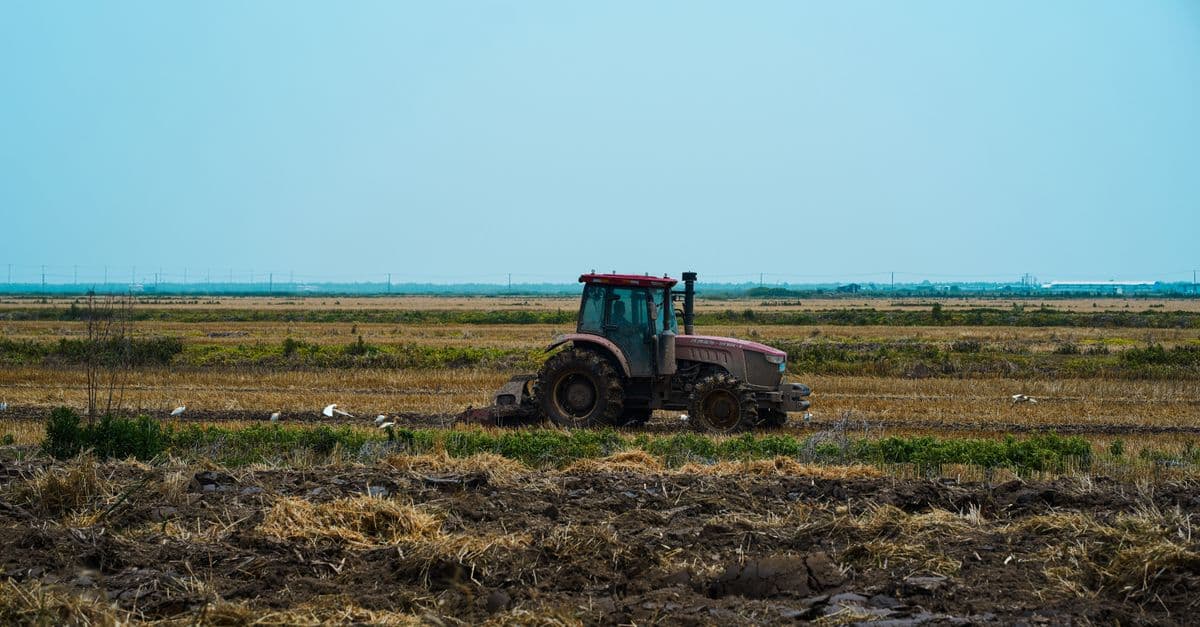
You can systematically evaluate mechanization investments by calculating total cost of ownership (TCO), comparing ownership versus leasing scenarios, and assessing labor replacement equipment. The skill delivers quantified operational efficiency gains and long-term financial projections, reducing evaluation time from weeks to hours while building stakeholder confidence in capital deployment decisions.

You can develop complete mechanization system architectures that match your farm's specific operations, soil conditions, and economic constraints. This skill guides you through equipment selection, power management, field logistics optimization, and ROI analysis to create actionable mechanization strategies that improve operational efficiency while maintaining sustainability and profitability.
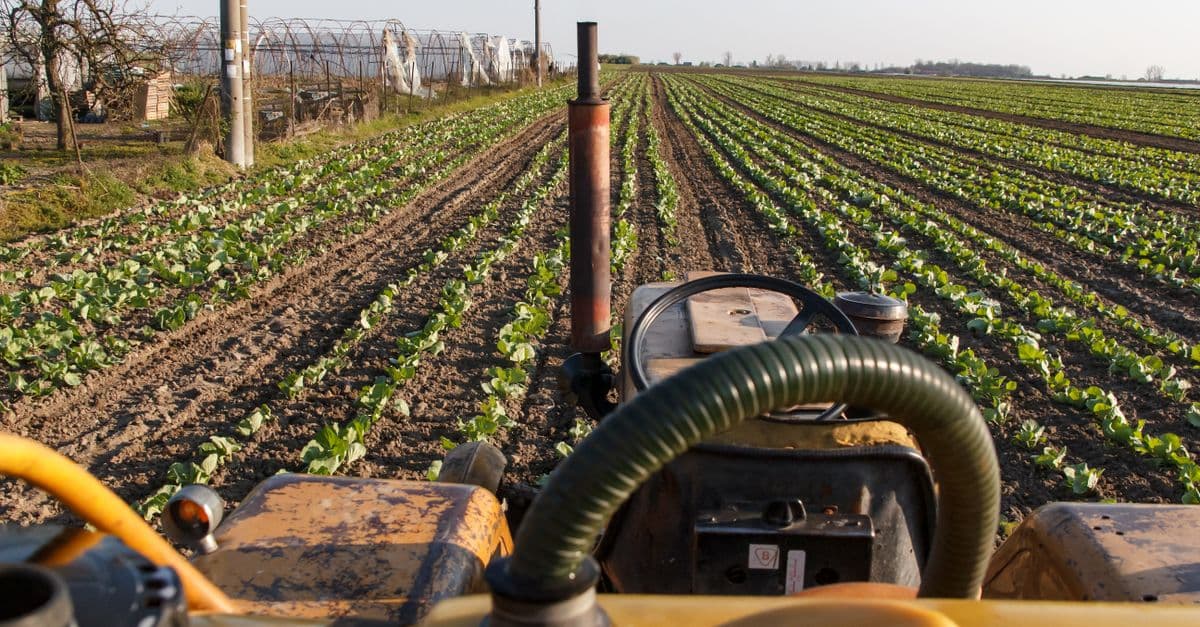
You can systematically analyze germplasm trial data to identify elite parent combinations and predict breeding outcomes. This skill processes yield, disease resistance, morphological traits, and environmental variables to quantify genotype-by-environment interactions, recommend optimal crossing strategies, and document data-driven selection rationale for regulatory compliance. It bridges raw field data and strategic breeding decisions, helping you achieve genetic gain faster while minimizing subjective bias in parental selection.
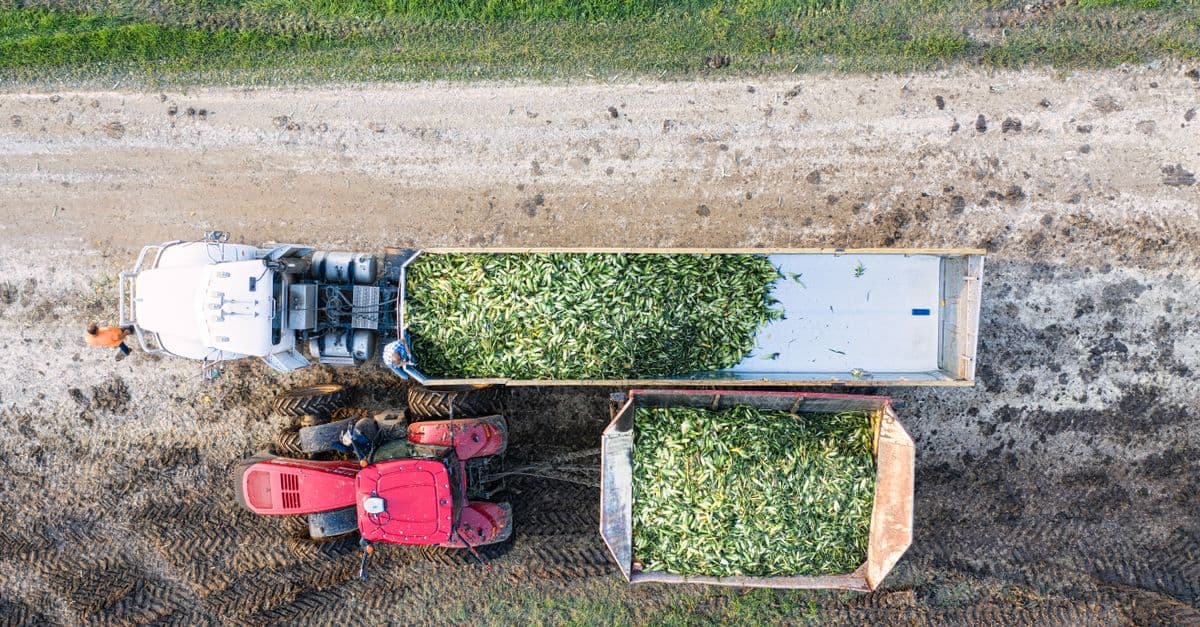
Transform raw field variability data—soil EC maps, yield histories, organic matter, elevation, and satellite imagery—into agronomically sound, equipment-ready prescription maps. You'll generate site-specific application recommendations for fertilizer, fungicides, herbicides, and seed rates across field zones, with quantified cost savings and environmental impact reductions that justify zone-based management to stakeholders.
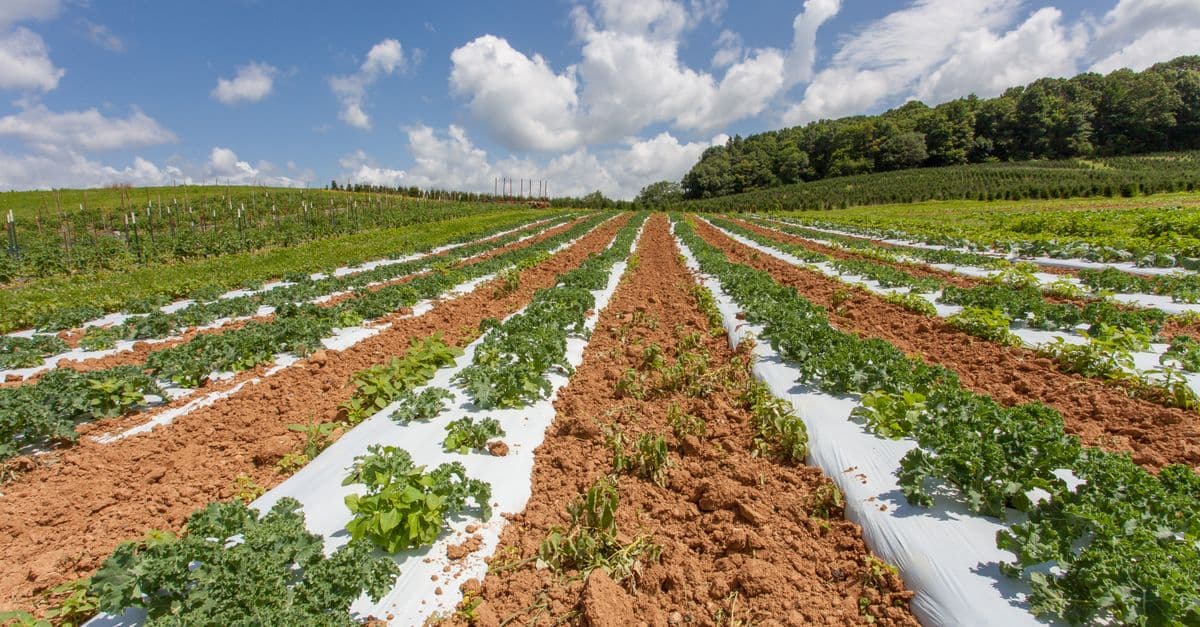
Analyze crop disease symptoms and receive rapid, evidence-based diagnoses specific to your specialty crop type. Generate spray schedules that rotate fungicide families to prevent resistance, comply with organic or export certifications, and time applications around critical crop growth stages. Cross-reference environmental conditions, disease pressure windows, and buyer residue requirements to create season-long disease management calendars that minimize crop loss while maintaining market compliance.

You can analyze ripeness progression across individual vineyard blocks and predict optimal harvest windows by integrating phenolic and sugar maturity data with real-time weather forecasts, labor scheduling constraints, and vintage market positioning. The skill helps you coordinate multi-block harvest logistics while accounting for unexpected weather events, equipment availability, and production cost targets.

You can rapidly diagnose pest and disease pressures from field descriptions or symptom reports, then calculate economic thresholds based on your specific crop value and control costs. The skill generates field-specific spray schedules that integrate cultural, chemical, and biological tactics while building in resistance management protocols to protect chemical efficacy long-term.