

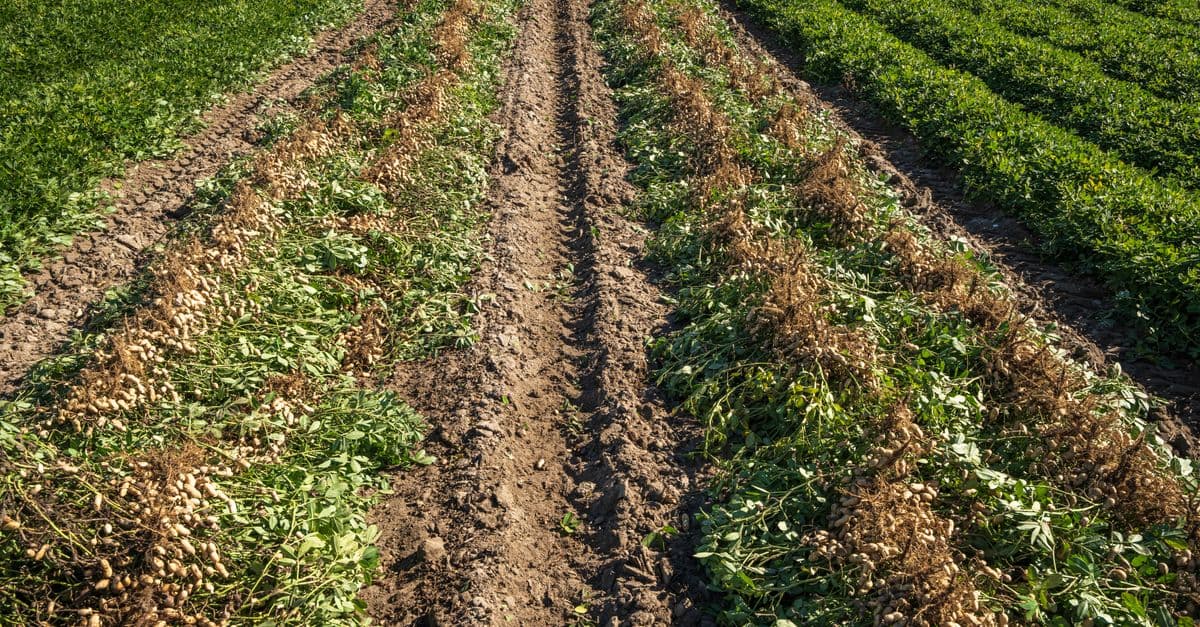
Row Crop Pest & Disease Diagnostic Assistant
Diagnose row crop pests, diseases & nutrient deficiencies instantly
What You Can Do
Describe visual symptoms, field conditions, and recent management practices to receive rapid, actionable pest and disease diagnoses for row crops. Claude cross-references symptom patterns, environmental factors, and your inputs to recommend cost-effective control strategies—from fungicide timing and resistant varieties to biological controls and cultural practices—grounded in integrated pest management principles.
Features
describe plant discoloration, spotting, wilting, or stunting and receive identification with confidence levels
factor in moisture, temperature, soil pH, and weather patterns to narrow disease and pest likelihood
reference your rotations, previous treatments, and variety selection to refine recommendations
receive tiered control options prioritizing resistant varieties, cultural practices, and biological controls before chemistry
determine optimal fungicide or insecticide application windows based on growth stage and weather windows
evaluate whether pest population or disease pressure justifies treatment cost and risk
manage multiple fields with different pressures and receive systematic prioritization for scouting and treatment
generate records for crop insurance claims, organic certification, or agronomic decision trails
Example Output
Example 1: Fungal Disease in Corn
You describe: "V6 corn in west field. Irregular brown lesions with tan centers on lower leaves. Started 5 days after 2-inch rain. Temps 68–75°F. Field was continuous corn last year."
Claude responds:
- Likely diagnosis: Gray leaf spot (Cercospora zeae-maydis)
- Confidence: High (lesion morphology + continuous corn history + moisture)
- Recommended action: Monitor V8–V10; if disease moves to ear leaf, apply triazole fungicide. Consider resistant hybrid for next season.
- Cost-benefit: Treatment justified only if ear leaf affected (silking window).
Example 2: Pest Identification in Soybeans
You describe: "R2 soybeans. Yellow stippling on upper leaves. Found 3 spider mites per leaf on scout this morning. No rain in 8 days. Field next to dusty gravel road."
Claude responds:
- Diagnosis: Two-spotted spider mite (Tetranychus urticae)
- Risk level: Moderate (hot, dry conditions favor population growth)
- Control options:
- Cultural: Overhead irrigation to raise humidity, reduce dust source
- Biological: Release predatory mites if available
- Chemical: Miticide only if populations exceed 10 mites/leaf at pod set
- Recommendation: Scout again in 3 days; defer chemical unless conditions remain hot/dry.
What's Included
- SKILL.md instruction file with diagnostic framework and IPM decision matrix:
- Symptom checklist for major row crop diseases (gray leaf spot, sudden death syndrome, Fusarium, bacterial blight):
- Pest identification guide with descriptions and life cycle timings (aphids, armyworms, cutworms, spider mites, Japanese beetles):
- Environmental factor reference (temperature, moisture, soil pH thresholds for disease and pest pressure):
- Control option comparison table (cultural, biological, chemical, resistant varieties by pest/disease type):
- Field scouting log template for systematic documentation of observations and treatment decisions:
Who It's For
- Row crop farm managers — diagnose issues before costly treatment mistakes
- Agronomists and crop consultants — validate field observations and document recommendation rationale
- Extension educators — support farmer decision-making with rapid, evidence-based guidance
- Organic row crop producers — evaluate non-chemical controls and cultural alternatives
- Precision agriculture specialists — integrate pest/disease data with variable-rate treatment planning
Best For
- Rapid mid-season disease and pest identification from visual symptoms
- IPM decision-making when treatment threshold and cost-benefit are unclear
- Documentation of agronomic decisions for crop insurance and certification audits
- Fungicide and insecticide timing optimization relative to crop growth stage
- Multi-field triage when scouting resources are limited or pressure is variable
You might also like
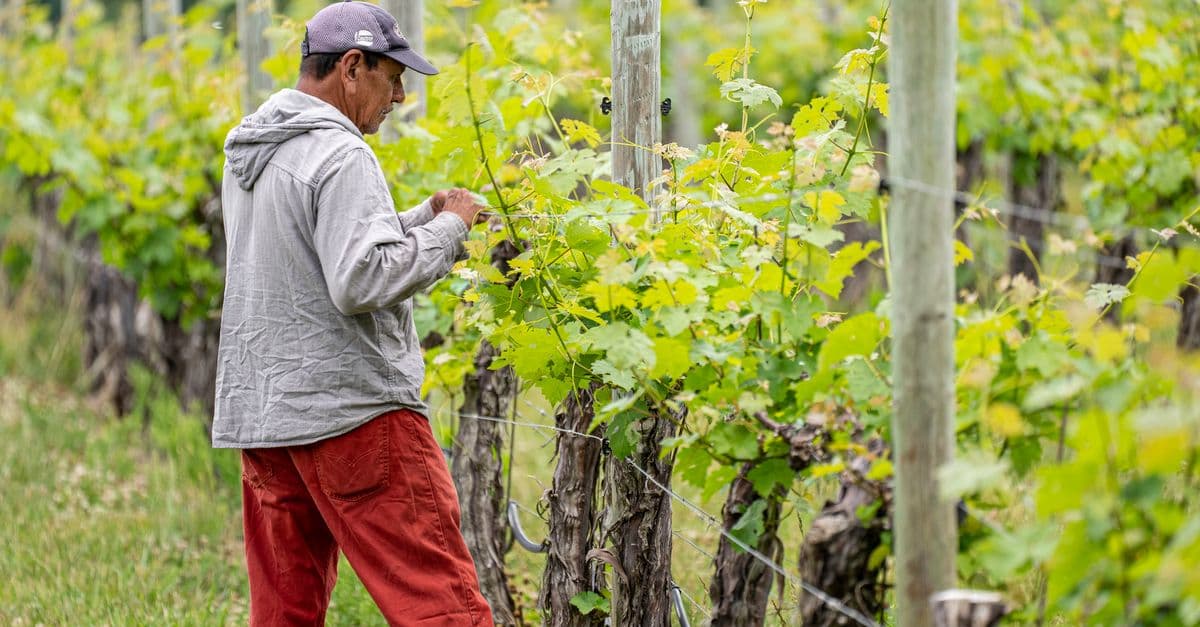
You can systematically evaluate your vineyard's sustainability performance across water management, soil health, pesticide use, carbon footprint, input costs, labor practices, and community relations. Claude generates quantifiable baselines, identifies high-impact interventions tailored to viticulture's unique constraints (seasonal labor, phytosanitary pressures, terroir dependencies), and creates implementation roadmaps that integrate with your existing operations—whether you're pursuing organic certification, biodynamic transition, or responding to retailer sustainability requirements.
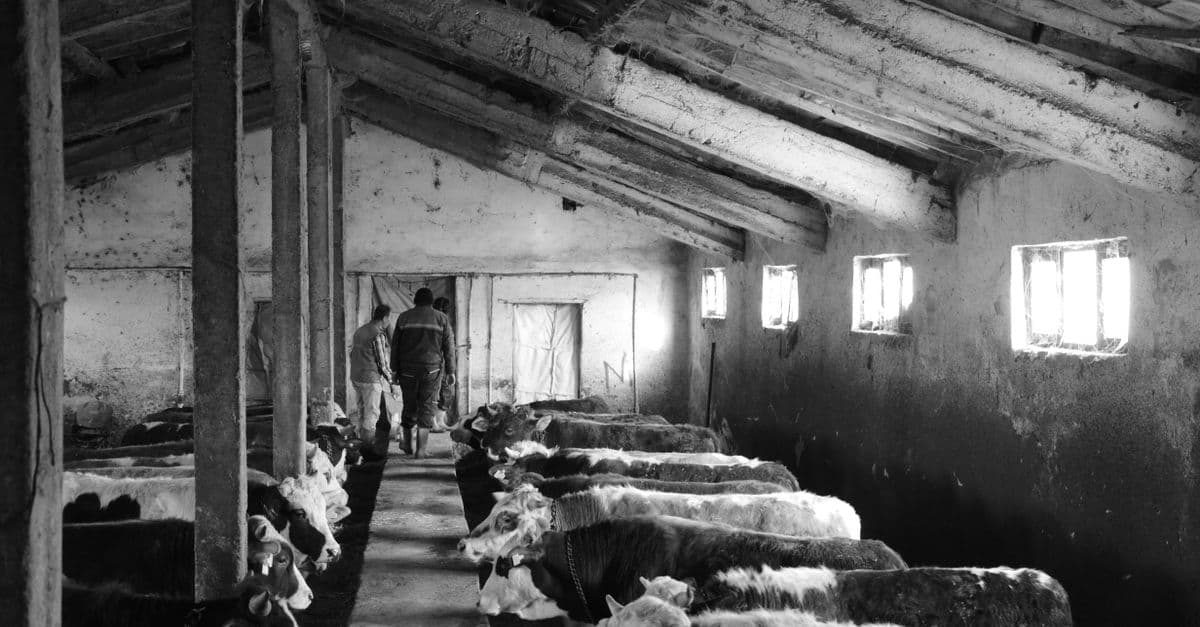
This skill helps you review and validate livestock facility designs by analyzing structural requirements, calculating dynamic loads, verifying code compliance, and optimizing layouts for animal welfare. You can assess architectural plans for dairy barns, poultry houses, and feed storage facilities, identify design gaps, evaluate material options, and confirm that facilities meet both building codes and agricultural regulations.
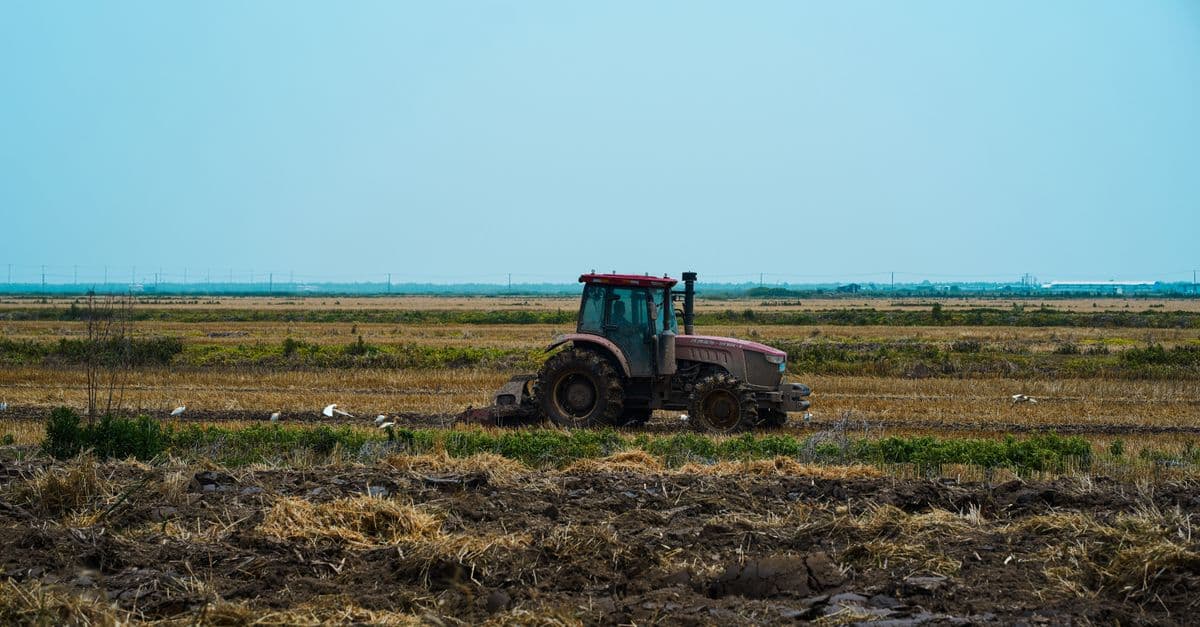
You can systematically evaluate mechanization investments by calculating total cost of ownership (TCO), comparing ownership versus leasing scenarios, and assessing labor replacement equipment. The skill delivers quantified operational efficiency gains and long-term financial projections, reducing evaluation time from weeks to hours while building stakeholder confidence in capital deployment decisions.
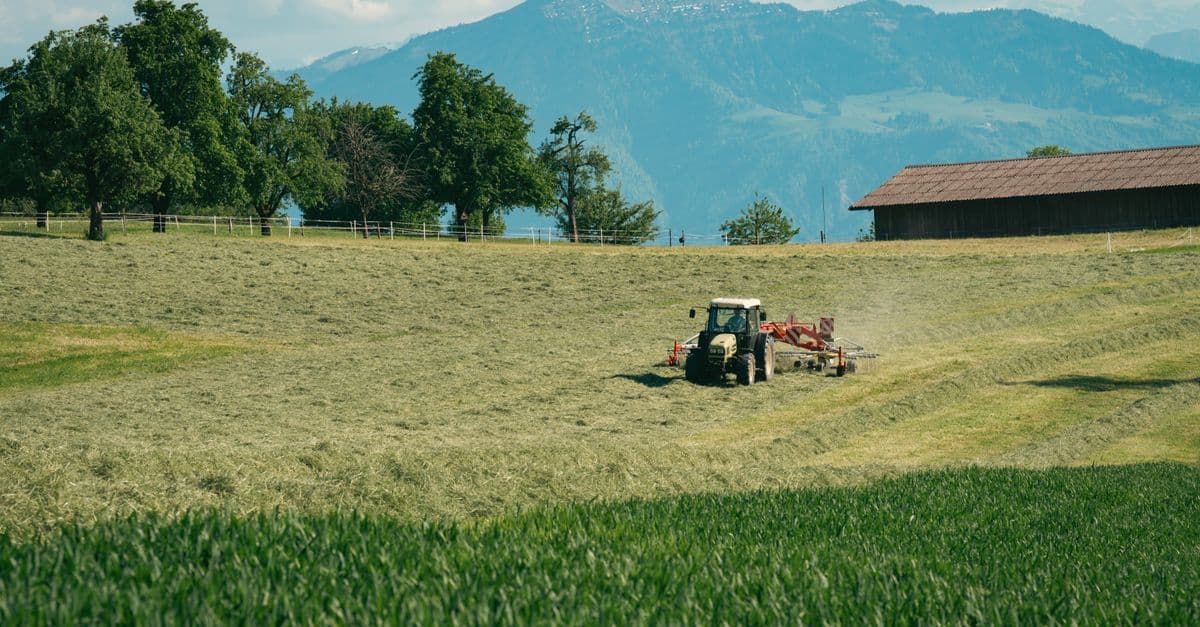
You can develop complete mechanization system architectures that match your farm's specific operations, soil conditions, and economic constraints. This skill guides you through equipment selection, power management, field logistics optimization, and ROI analysis to create actionable mechanization strategies that improve operational efficiency while maintaining sustainability and profitability.
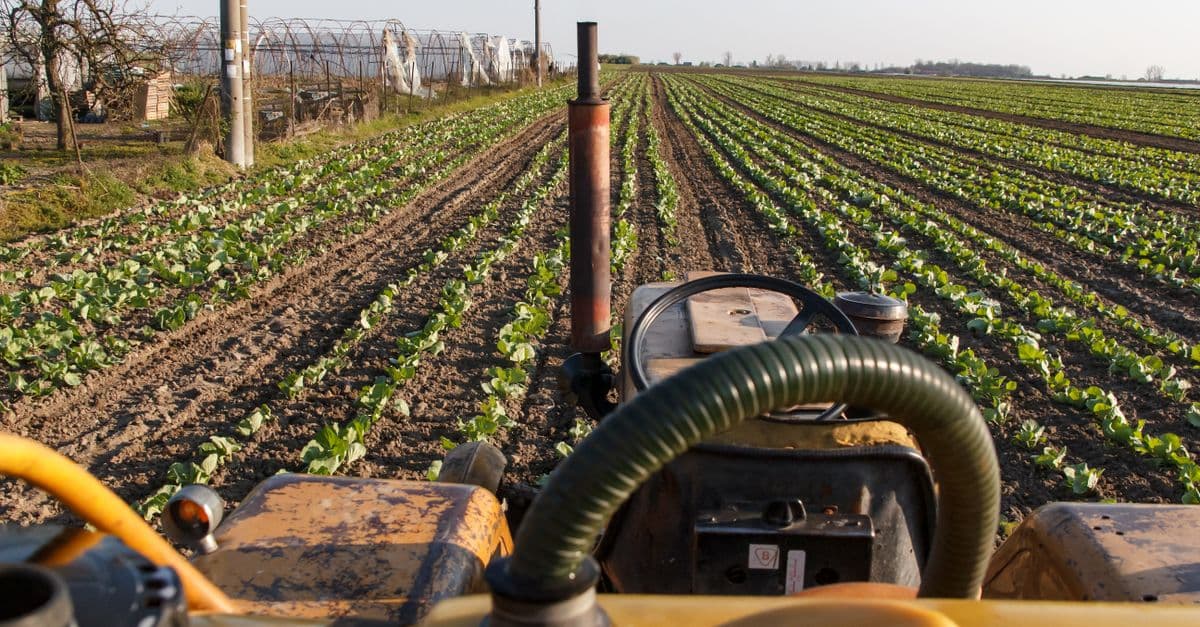
You can systematically analyze germplasm trial data to identify elite parent combinations and predict breeding outcomes. This skill processes yield, disease resistance, morphological traits, and environmental variables to quantify genotype-by-environment interactions, recommend optimal crossing strategies, and document data-driven selection rationale for regulatory compliance. It bridges raw field data and strategic breeding decisions, helping you achieve genetic gain faster while minimizing subjective bias in parental selection.
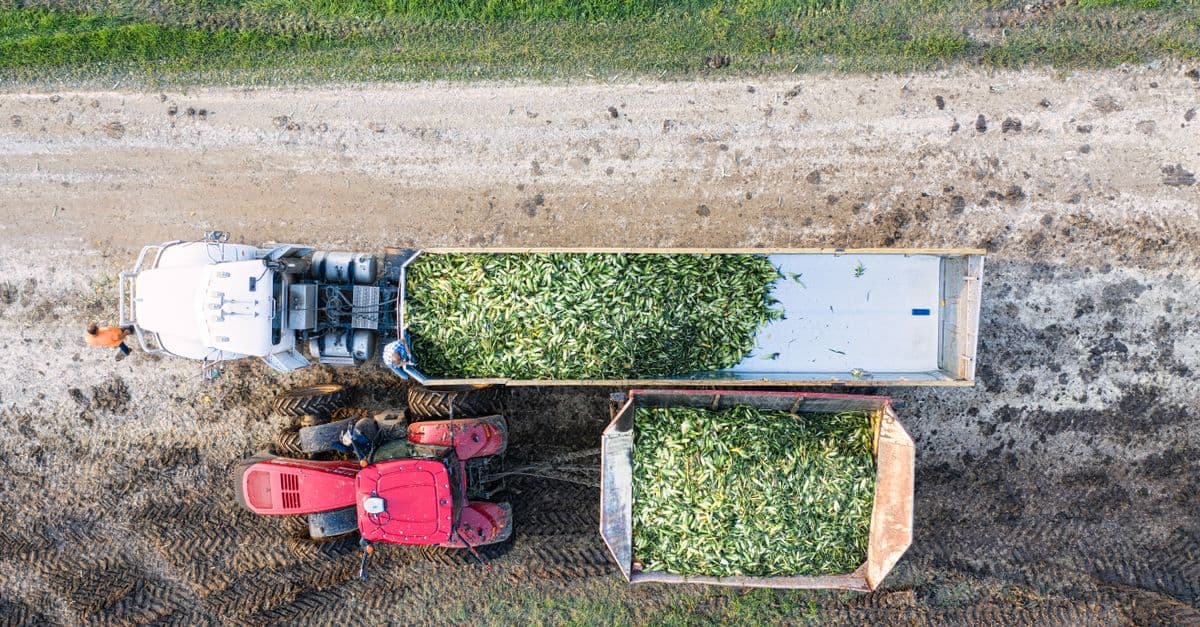
Transform raw field variability data—soil EC maps, yield histories, organic matter, elevation, and satellite imagery—into agronomically sound, equipment-ready prescription maps. You'll generate site-specific application recommendations for fertilizer, fungicides, herbicides, and seed rates across field zones, with quantified cost savings and environmental impact reductions that justify zone-based management to stakeholders.
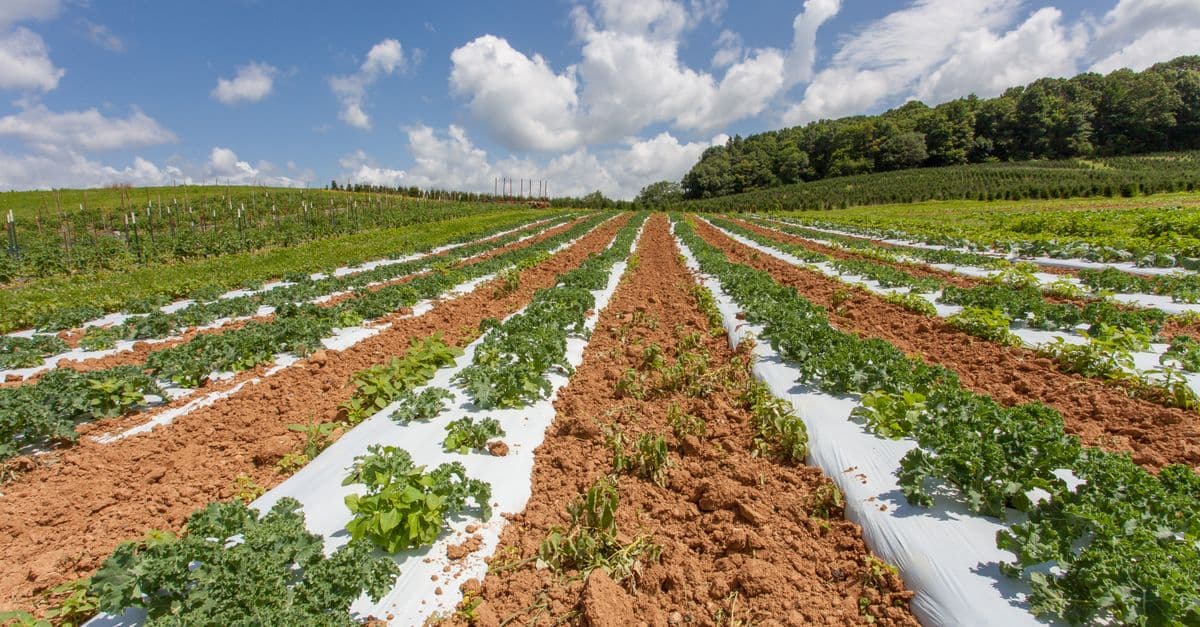
Analyze crop disease symptoms and receive rapid, evidence-based diagnoses specific to your specialty crop type. Generate spray schedules that rotate fungicide families to prevent resistance, comply with organic or export certifications, and time applications around critical crop growth stages. Cross-reference environmental conditions, disease pressure windows, and buyer residue requirements to create season-long disease management calendars that minimize crop loss while maintaining market compliance.
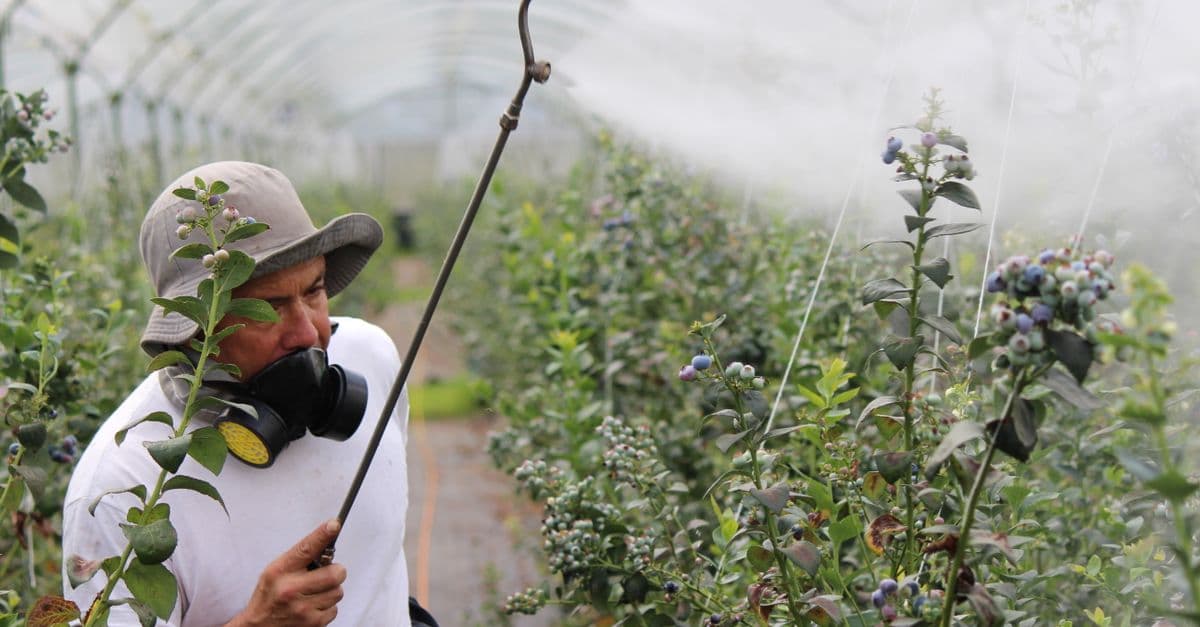
You can rapidly diagnose pest and disease pressures from field descriptions or symptom reports, then calculate economic thresholds based on your specific crop value and control costs. The skill generates field-specific spray schedules that integrate cultural, chemical, and biological tactics while building in resistance management protocols to protect chemical efficacy long-term.