


Livestock Health & Production Analyzer
Diagnose livestock health issues and optimize herd production metrics with real-time data analysis
What You Can Do
Input your livestock data—including weight gains, milk production, feed intake, reproduction metrics, and observed symptoms—and receive detailed diagnostic assessments identifying root causes across multiple data points simultaneously. You'll generate actionable herd management recommendations, production optimization strategies, and guidance on whether issues require immediate veterinary intervention or management adjustment. The skill works across beef cattle, dairy, swine, poultry, and sheep operations ranging from 50 to 5,000+ head.
Features
analyze symptoms and production data to identify likely causes of health problems across your herd
pinpoint factors limiting weight gain, milk yield, egg production, or other key metrics
evaluate conception failure rates, calving intervals, and breeding performance
assess feed cost per pound of gain and identify nutritional or management gaps
synthesize multiple data points simultaneously to uncover root causes single-metric analysis would miss
analyze post-treatment recovery patterns to evaluate intervention success
prepare evidence-based herd health plans and veterinary consultation agendas
tailored guidance for beef cattle, dairy, swine, poultry, and sheep operations
Example Output
Example 1: Dairy Production Drop
Input: 15% milk production decline across 40 cows over 2 weeks; elevated somatic cell count; feed quality consistent; water intake normal
Output:
- Primary likely cause: Subclinical mastitis cluster
- Secondary factors: Potential heat stress (check barn temperature/ventilation)
- Recommended actions: ✓ Increase milking frequency to 3x daily for affected animals ✓ Boost immune support with enhanced mineral package ✓ Culture bulk tank milk; isolate affected cows ✓ Schedule veterinary mastitis assessment within 48 hours
- Expected recovery timeline: 7–14 days with intervention
Example 2: Feeder Cattle Weight Gain Problem
Input: 85 head feeders averaging 1.8 lbs/day gain (target: 2.8 lbs); feed intake 2.1% of bodyweight; forage quality Good; water access good
Output:
- Primary constraint: Inadequate protein supplementation (likely 10–12% crude protein vs. required 14–16%)
- Secondary factor: Possible trace mineral deficiency (copper, zinc) limiting feed conversion
- Recommended actions: ✓ Reformulate supplement to boost crude protein by 3–4 percentage points ✓ Add chelated mineral package; retest in 14 days ✓ Expect 0.6–0.8 lbs/day improvement within 10–14 days
- Cost-benefit: $8–12/head adjustment for projected $30–40/head revenue gain
What's Included
- SKILL.md instruction file: complete framework for data analysis and diagnostic protocols
- Health Assessment Template: structured worksheet for symptom documentation and data organization
- Production Metrics Checklist: standardized tracking parameters across species (dairy, beef, swine, poultry, sheep)
- Herd Health Plan Worksheet: quarterly planning framework for proactive management
- Diagnostic Decision Tree: flowchart for determining when to seek veterinary consultation vs. management adjustment
Who It's For
- Farm managers and livestock operators — managing herds of 50–5,000+ head across beef, dairy, swine, poultry, or sheep enterprises
- Herd health consultants — preparing diagnostic assessments and optimization strategies for client farms
- Veterinary clinic staff — pre-screening production problems before veterinary consultation to prioritize cases
- Agricultural extension advisors — providing evidence-based recommendations to producer networks
- Operations managers on larger farms — coordinating herd health data analysis and production planning
Best For
- Diagnosing sudden production declines or health issues without obvious cause
- Optimizing feed efficiency and reducing cost per pound of gain
- Analyzing reproductive performance and improving conception rates
- Identifying which production problems require immediate veterinary intervention
- Preparing herd health plans and annual veterinary consultation agendas
- Evaluating treatment effectiveness through post-intervention data analysis
You might also like
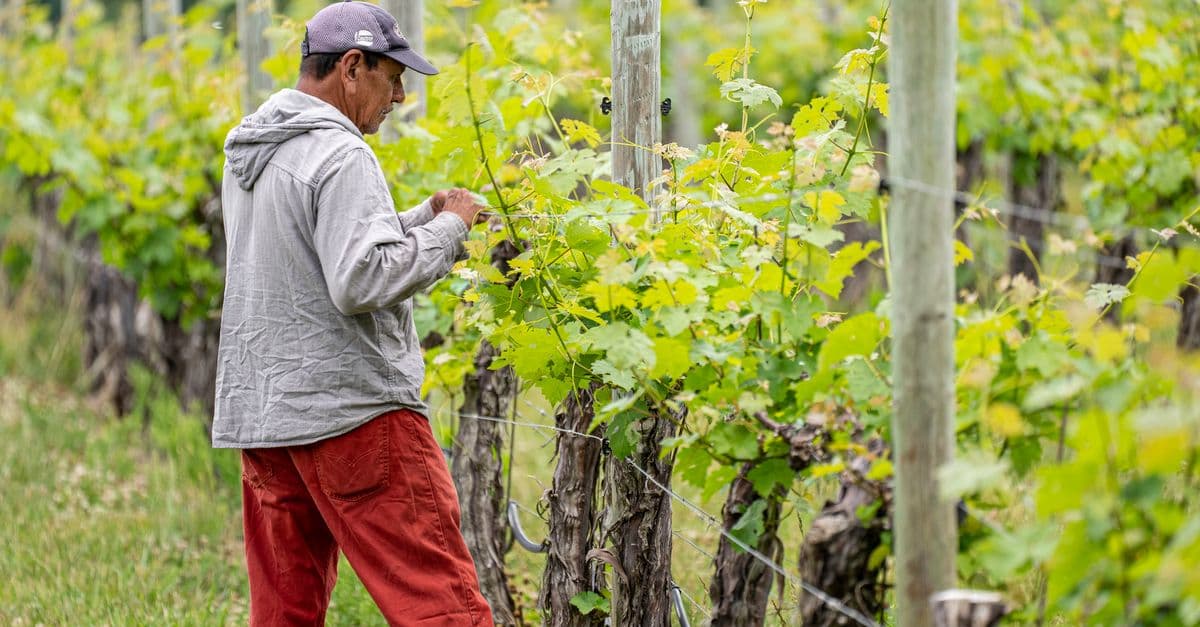
You can systematically evaluate your vineyard's sustainability performance across water management, soil health, pesticide use, carbon footprint, input costs, labor practices, and community relations. Claude generates quantifiable baselines, identifies high-impact interventions tailored to viticulture's unique constraints (seasonal labor, phytosanitary pressures, terroir dependencies), and creates implementation roadmaps that integrate with your existing operations—whether you're pursuing organic certification, biodynamic transition, or responding to retailer sustainability requirements.
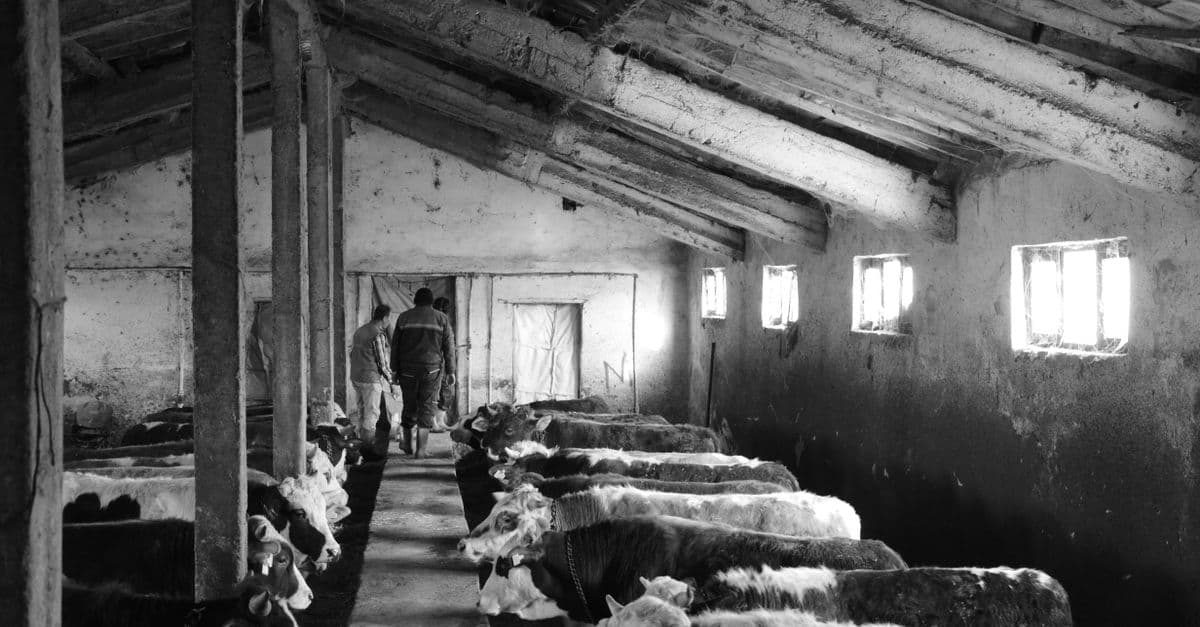
This skill helps you review and validate livestock facility designs by analyzing structural requirements, calculating dynamic loads, verifying code compliance, and optimizing layouts for animal welfare. You can assess architectural plans for dairy barns, poultry houses, and feed storage facilities, identify design gaps, evaluate material options, and confirm that facilities meet both building codes and agricultural regulations.
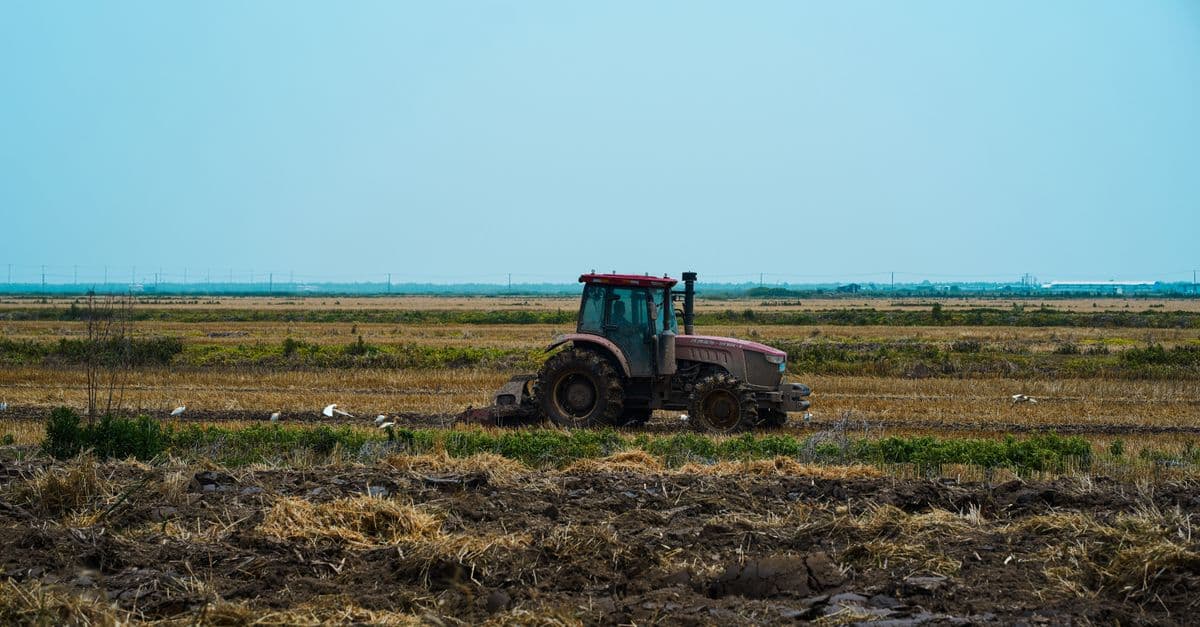
You can systematically evaluate mechanization investments by calculating total cost of ownership (TCO), comparing ownership versus leasing scenarios, and assessing labor replacement equipment. The skill delivers quantified operational efficiency gains and long-term financial projections, reducing evaluation time from weeks to hours while building stakeholder confidence in capital deployment decisions.
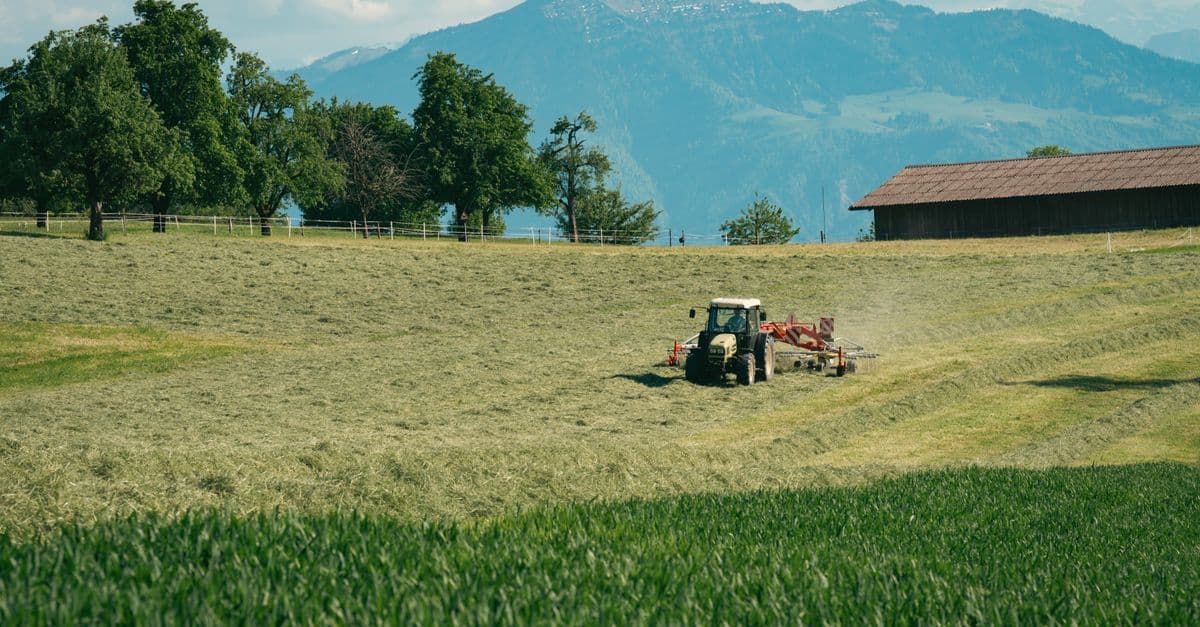
You can develop complete mechanization system architectures that match your farm's specific operations, soil conditions, and economic constraints. This skill guides you through equipment selection, power management, field logistics optimization, and ROI analysis to create actionable mechanization strategies that improve operational efficiency while maintaining sustainability and profitability.
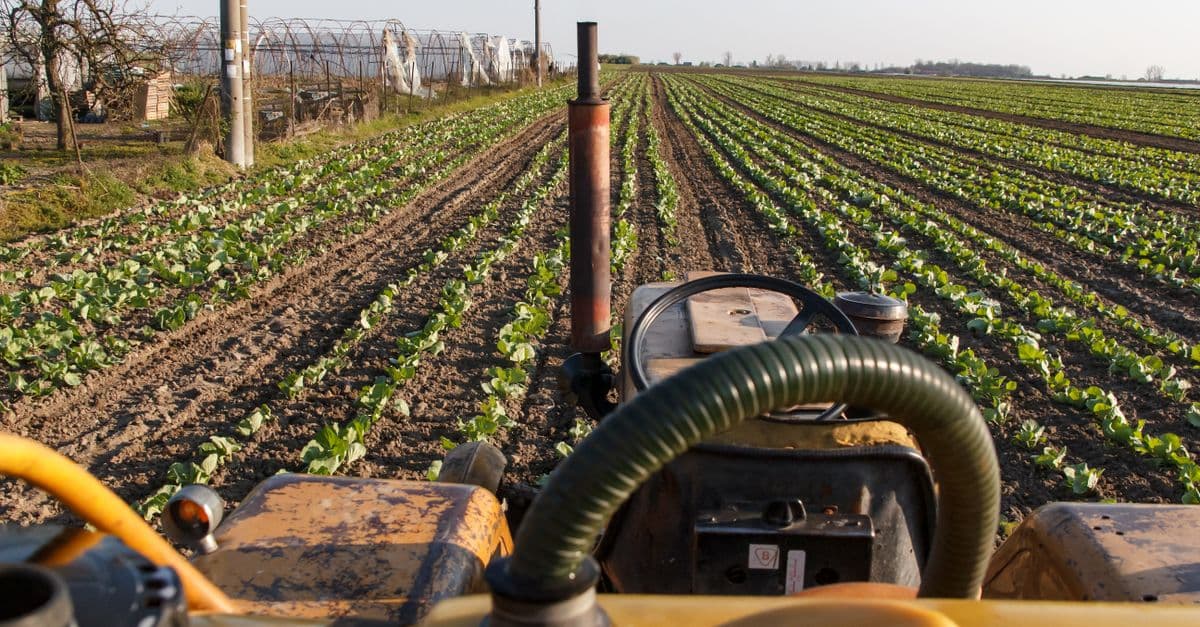
You can systematically analyze germplasm trial data to identify elite parent combinations and predict breeding outcomes. This skill processes yield, disease resistance, morphological traits, and environmental variables to quantify genotype-by-environment interactions, recommend optimal crossing strategies, and document data-driven selection rationale for regulatory compliance. It bridges raw field data and strategic breeding decisions, helping you achieve genetic gain faster while minimizing subjective bias in parental selection.
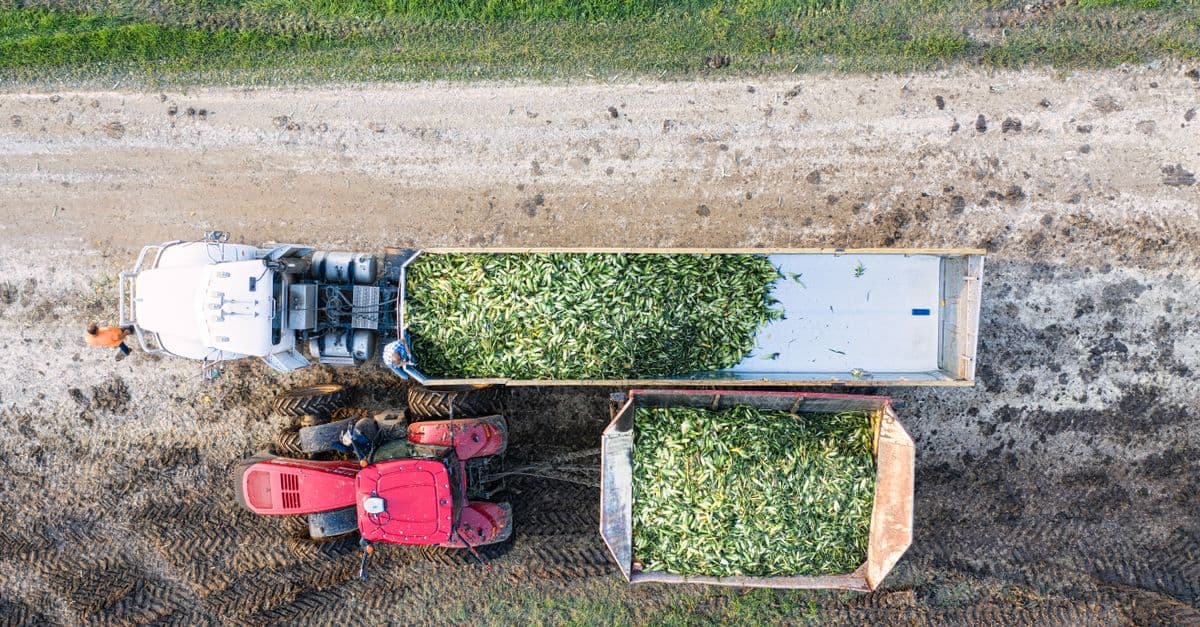
Transform raw field variability data—soil EC maps, yield histories, organic matter, elevation, and satellite imagery—into agronomically sound, equipment-ready prescription maps. You'll generate site-specific application recommendations for fertilizer, fungicides, herbicides, and seed rates across field zones, with quantified cost savings and environmental impact reductions that justify zone-based management to stakeholders.
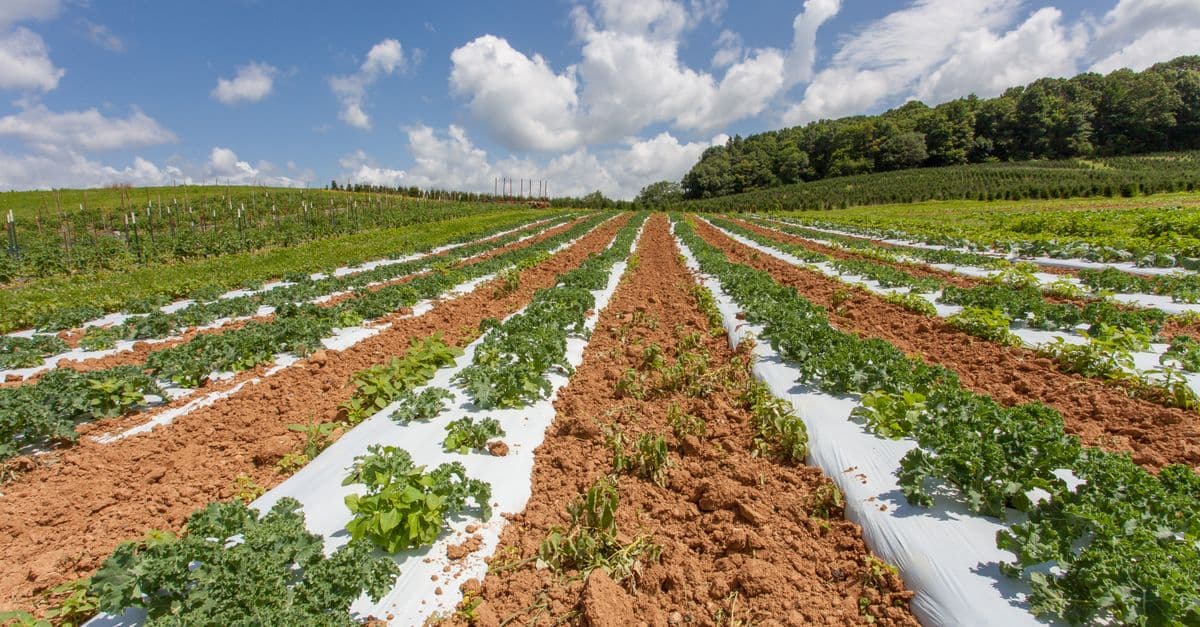
Analyze crop disease symptoms and receive rapid, evidence-based diagnoses specific to your specialty crop type. Generate spray schedules that rotate fungicide families to prevent resistance, comply with organic or export certifications, and time applications around critical crop growth stages. Cross-reference environmental conditions, disease pressure windows, and buyer residue requirements to create season-long disease management calendars that minimize crop loss while maintaining market compliance.

You can rapidly diagnose pest and disease pressures from field descriptions or symptom reports, then calculate economic thresholds based on your specific crop value and control costs. The skill generates field-specific spray schedules that integrate cultural, chemical, and biological tactics while building in resistance management protocols to protect chemical efficacy long-term.