

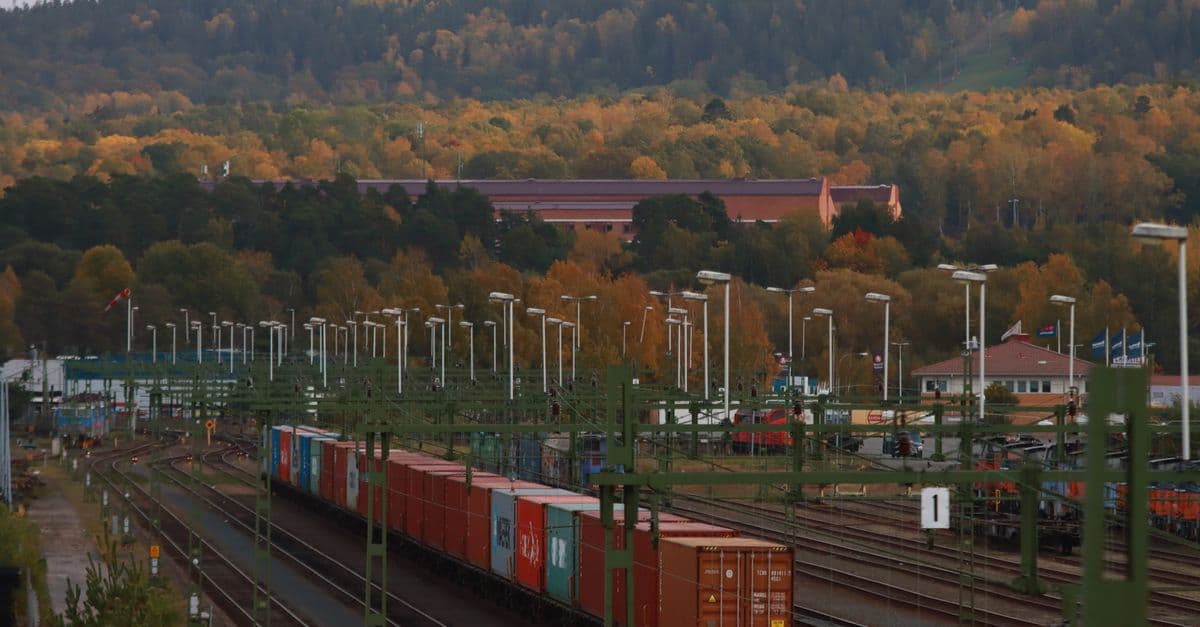
Intermodal Yard Optimization and Conflict Resolution
Optimize intermodal yards and resolve scheduling conflicts instantly
What You Can Do
This skill helps you analyze intermodal yard operations to identify bottlenecks, scheduling conflicts, and resource inefficiencies. You can generate optimized loading sequences, equipment allocation plans, and conflict resolution strategies that reduce dwell times and maximize throughput. It provides data-driven recommendations for managing multiple transportation modes in a single facility.
Features
Automatically identify scheduling conflicts between truck arrivals, rail cars, and vessel loading times. The skill analyzes your yard constraints and provides detailed conflict reports with root cause analysis.
Generate optimal loading and unloading sequences that minimize idle time and equipment repositioning. Considers container types, equipment availability, and operational constraints.
Determine the best allocation of cranes, forklifts, trucks, and staff across multiple yard zones based on current demand and capacity constraints.
Identify opportunities to reduce container dwell times through better sequencing, prioritization rules, and equipment positioning strategies.
Coordinate schedules across truck, rail, and vessel operations to minimize handoff delays and maximize facility utilization rates.
Calculate key performance indicators including throughput, average dwell time, equipment utilization rates, and cost per container handled.
Model how staffing changes, equipment additions, or schedule modifications would impact overall yard performance and conflict resolution.
Example Output
Conflict Report:
- Current bottleneck: Rail cars 3-5 waiting for crane availability (2.3 hour delay)
- Root cause: Vessel unload taking 40% longer than scheduled
- Recommendation: Reassign secondary crane from truck zone to rail zone; reschedule truck appointments by 1.5 hours
- Projected impact: Eliminate 2.3 hour rail delay, reduce average dwell time from 8.2 to 7.1 hours
Optimized Loading Sequence (Next 4 Hours):
- Zone A, Positions 1-4: Export containers (scheduled for 14:30 vessel departure)
- Zone B, Positions 5-8: Import containers (low priority, can stack temporarily)
- Zone C, Positions 9-12: Drayage pickups (schedule truck arrivals 15:45-16:15)
- Crane assignment: Crane 1 and 2 to Zone A, Crane 3 to Zone B
Resource Recommendation: Add temporary forklift coverage to Zone B from 14:00-16:00 to prevent cascading delays when Crane 2 shifts to export operations.
What's Included
- Conflict Detection Engine: Analyzes your current yard data to identify scheduling conflicts, resource bottlenecks, and constraint violations automatically.
- Optimization Solver: Generates multiple feasible solutions ranked by total dwell time, equipment utilization, and operational cost, letting you choose the best fit.
- Performance Analysis Module: Calculates KPIs and provides trend analysis showing how changes impact yard efficiency metrics over time.
- Scenario Modeling Tool: Test hypothetical changes like adding equipment, extending hours, or prioritizing certain cargo types without disrupting live operations.
- Implementation Guidance: Step-by-step action plans with timing, resource assignments, and contingency strategies for executing optimized schedules.
Who It's For
- Yard Operations Managers
- Logistics Coordinators and Planners
- Intermodal Terminal Supervisors
- Supply Chain Optimization Teams
- Transportation Dispatchers
Best For
- Daily scheduling and conflict resolution
- Identifying bottlenecks and efficiency improvements
- Reducing container dwell times
- Optimizing equipment and staffing allocation
- Planning terminal expansions and capacity changes
You might also like

You get expert design critique and optimization recommendations for small watercraft projects, from initial concept sketches to detailed plans. Claude analyzes your designs for hydrodynamic efficiency, structural integrity, material optimization, and buildability, then provides specific improvements to reduce weight, improve performance, and ensure seaworthiness.
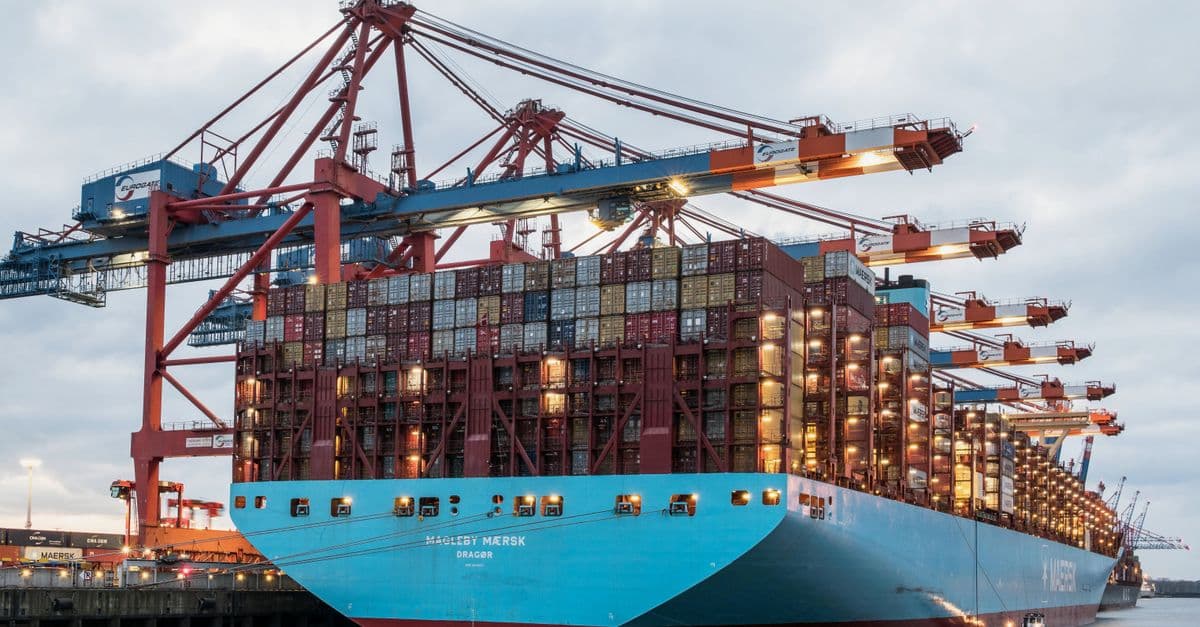
This skill rapidly analyzes ship hulls for hydrodynamic performance, stability characteristics, and maritime regulatory compliance. You provide hull geometry data, design parameters, or vessel specifications, and Claude performs comprehensive assessments including resistance predictions, stability calculations, and compliance checks against IMO and classification society standards. Accelerate your design iteration cycles by automating preliminary analysis that normally requires specialized software and weeks of external consultant review.

You can accelerate the preliminary design phase of shipbuilding projects by analyzing design briefs against regulatory standards, evaluating hull resistance and propulsion requirements, and generating technical compliance documentation. This skill helps naval architects and marine engineers validate design concepts early, identify compliance gaps before detailed design begins, and produce documentation suitable for regulatory review boards and client presentations.
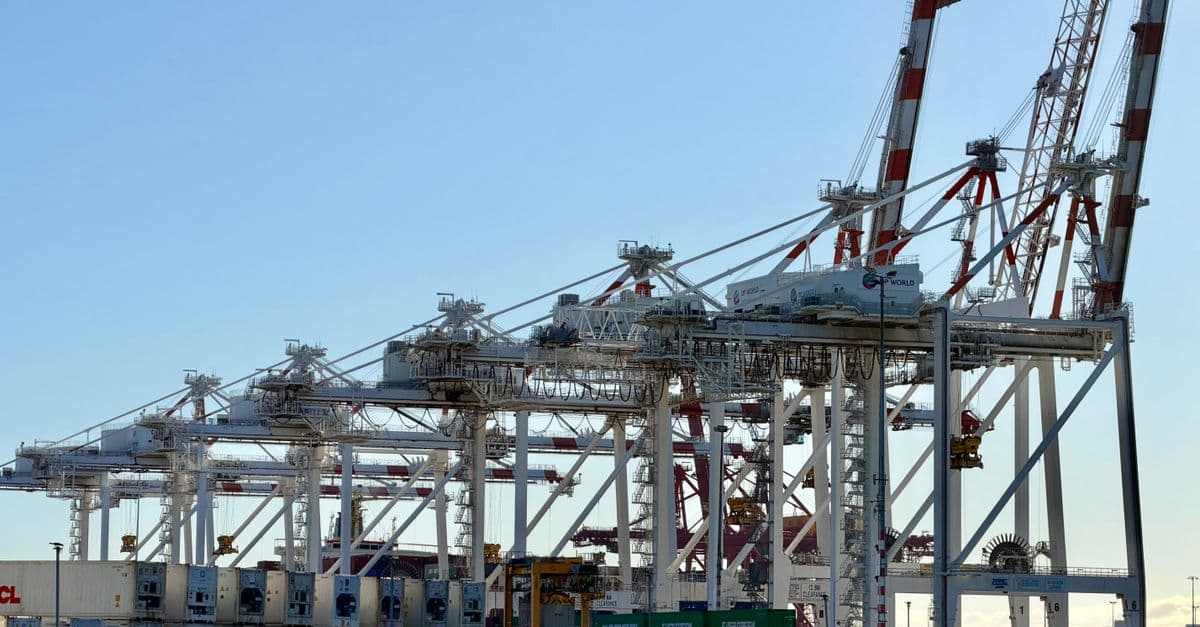
Analyze vessel schedules, berth assignments, crane utilization, and gate throughput data to identify operational bottlenecks and performance gaps. Claude helps you generate optimization recommendations, forecast terminal capacity constraints, and prioritize improvements based on impact. You make faster, more informed operational decisions backed by real performance analysis.

Accelerate marine propulsion and auxiliary system design by automating FMEA analysis, validating against IMO and classification society standards, and generating comprehensive risk assessments. You'll receive structured failure mode identification, severity/occurrence/detectability scoring, and regulatory compliance documentation that meets international maritime requirements.

You can input your small craft specifications, blueprints, or design parameters and receive detailed technical analysis, regulatory compliance documentation, and comprehensive design reports. The skill generates specification sheets, material recommendations, performance calculations, and safety documentation tailored to your vessel type and intended use.
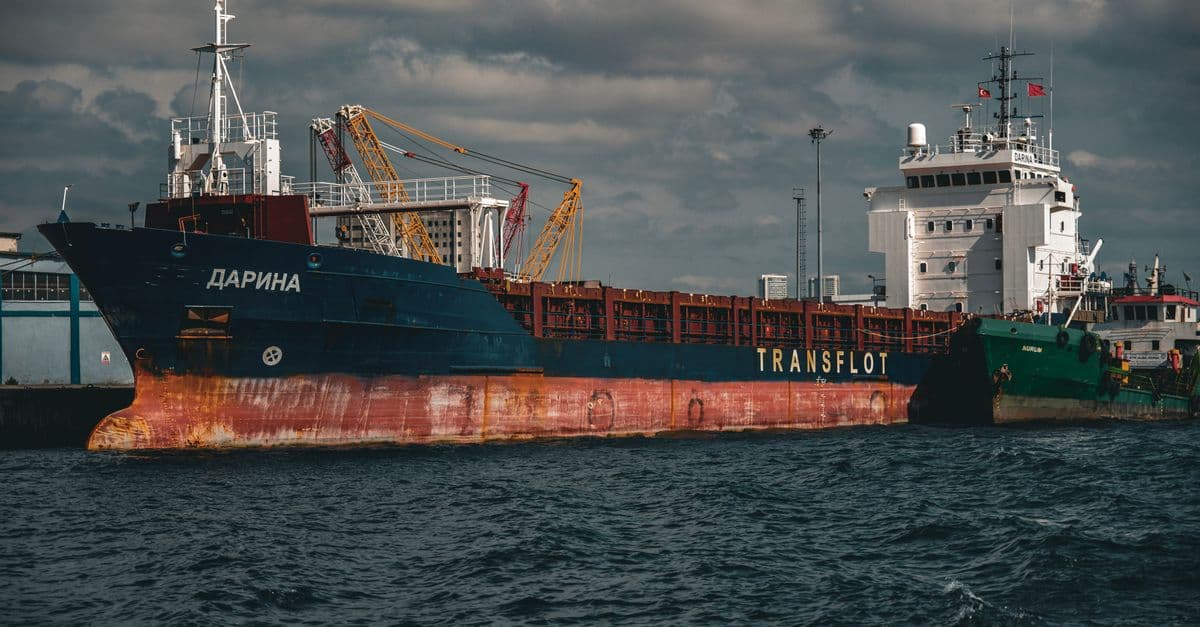
Analyze complex hull design trade-offs between performance metrics like stability, speed, and fuel efficiency. Validate your designs against maritime regulations including IMO SOLAS, MARPOL, and flag state requirements. Generate comprehensive design documentation and performance optimization recommendations to support faster, data-driven decision-making throughout your design cycle.
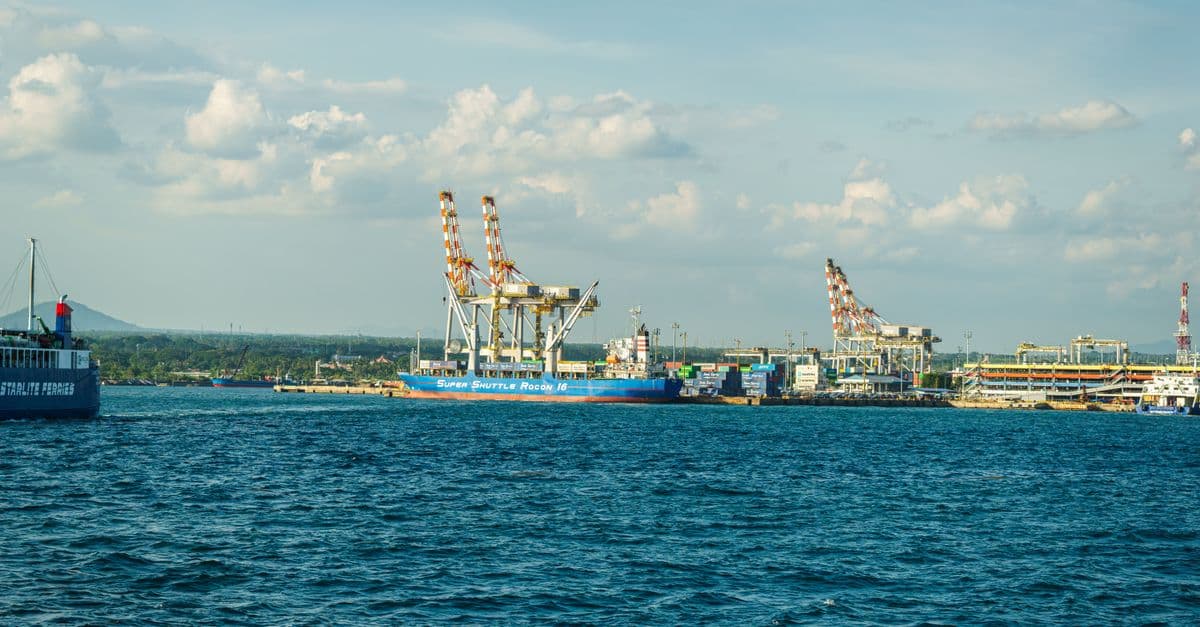
You can create comprehensive turnaround plans that optimize crew changes, passenger logistics, and vendor coordination while meeting port compliance requirements. This skill helps you manage multiple operational streams in parallel, anticipate delays, and maintain clear communication with all stakeholders involved in cruise ship port visits.