


Ship Design Preliminary Analysis and Compliance Assistant
Analyze preliminary ship designs and verify regulatory compliance in minutes
What You Can Do
You can accelerate the preliminary design phase of shipbuilding projects by analyzing design briefs against regulatory standards, evaluating hull resistance and propulsion requirements, and generating technical compliance documentation. This skill helps naval architects and marine engineers validate design concepts early, identify compliance gaps before detailed design begins, and produce documentation suitable for regulatory review boards and client presentations.
Features
Parse complex design briefs to extract key performance parameters (deadweight tonnage, service speed, cargo capacity) and identify critical design drivers and constraints
Verify designs against SOLAS, MARPOL, Load Lines, and flag state requirements, highlighting non-compliant areas and suggesting corrections
Assess hull form efficiency, estimate powering requirements, and verify propulsion system sizing against performance targets
Automatically generate preliminary design reports, compliance matrices, and technical specifications from design parameters
Flag potential design conflicts, safety concerns, and feasibility issues early in the development process
Compare multiple design concepts against performance metrics, regulatory requirements, and cost constraints to support design selection
Create clear, structured reports for shipowners, classification societies, and regulatory authorities with findings and recommendations
Example Output
Example 1: Compliance Check Summary
Vessel: 25,000 TEU Container Ship Flag State: Panama Key Findings:
- SOLAS II-2 Fire Safety: COMPLIANT (enhanced sprinkler coverage specified)
- MARPOL Annex I Pollution Prevention: COMPLIANT (segregated ballast tanks sized correctly)
- Load Lines Convention: NON-COMPLIANT (freeboard calculation shows 450mm shortfall)
- Recommendation: Reduce hull depth by 0.5m or increase beam by 2.0m
Example 2: Propulsion Analysis
Design Parameters: 20-knot service speed, 180m LOA Estimated Resistance: 650 kW at design speed Propulsion System Sizing:
- Main Engine: 8,800 kW (MCR) recommended
- Propeller Diameter: 5.2m (fixed pitch)
- Fuel Consumption: 195 g/kWh (estimated)
- Status: FEASIBLE within power budget
Example 3: Design Risk Report
Critical Issues: 2
- Bow thruster capacity insufficient for 2-knot current maneuvering (increase from 1,200 to 1,800 kW)
Warnings: 3
- Metacentric height (GM) marginal at ballast condition (recommend GM > 1.5m)
Recommendations: 5
- Add 250 tonnes permanent ballast to improve stability margin
What's Included
- Design Review Framework: Structured templates for analyzing hull forms, propulsion systems, and onboard systems against performance and regulatory criteria
- Regulatory Database: Reference material covering SOLAS, MARPOL, Load Lines, and common flag state (Panama, Liberia, Marshall Islands) requirements
- Technical Analysis Prompts: Copy-paste prompts for resistance estimation, propulsion sizing, stability calculations, and compliance matrix generation
- Report Templates: Pre-formatted markdown templates for preliminary design reports, compliance summaries, and technical recommendations
- Reference Data: Quick-reference tables for typical fuel consumption, propeller efficiencies, and hull coefficient ranges by vessel type
Who It's For
- Naval Architects
- Marine Engineers
- Shipyard Design Managers
- Regulatory Compliance Officers
- Ship Classification Society Surveyors
Best For
- Initial design concept evaluation and feasibility studies
- Regulatory compliance verification before detailed design phase
- Technical documentation generation for client and regulatory review
- Design comparison and option analysis
- Risk and conflict identification in early-stage designs
You might also like

You can input your small craft specifications, blueprints, or design parameters and receive detailed technical analysis, regulatory compliance documentation, and comprehensive design reports. The skill generates specification sheets, material recommendations, performance calculations, and safety documentation tailored to your vessel type and intended use.
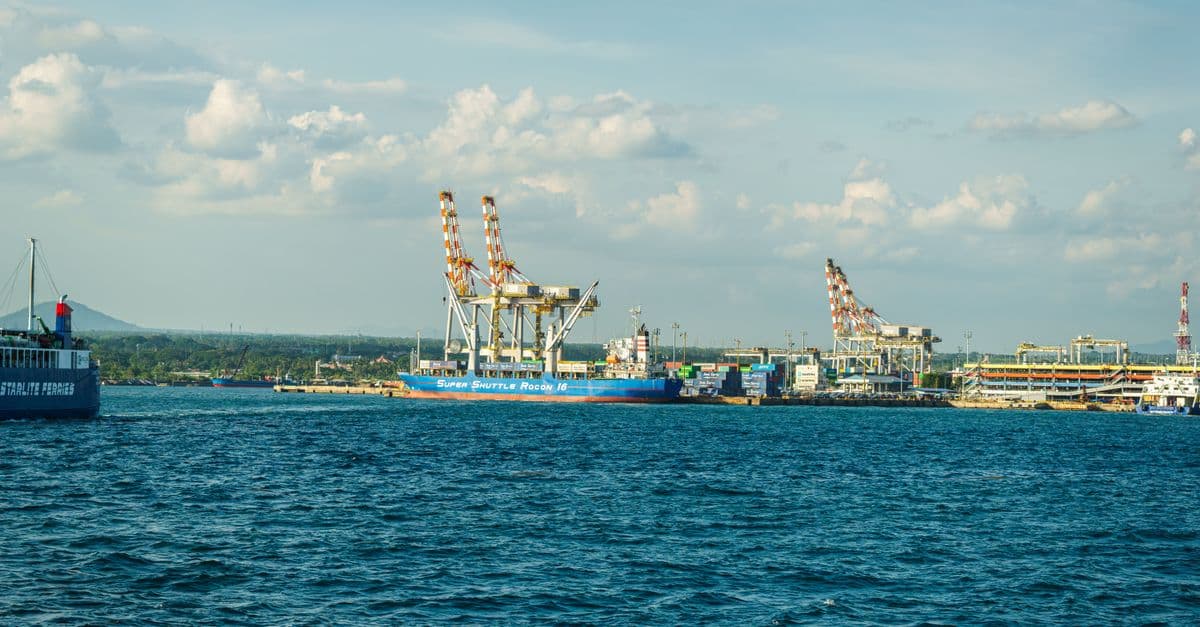
You can create comprehensive turnaround plans that optimize crew changes, passenger logistics, and vendor coordination while meeting port compliance requirements. This skill helps you manage multiple operational streams in parallel, anticipate delays, and maintain clear communication with all stakeholders involved in cruise ship port visits.
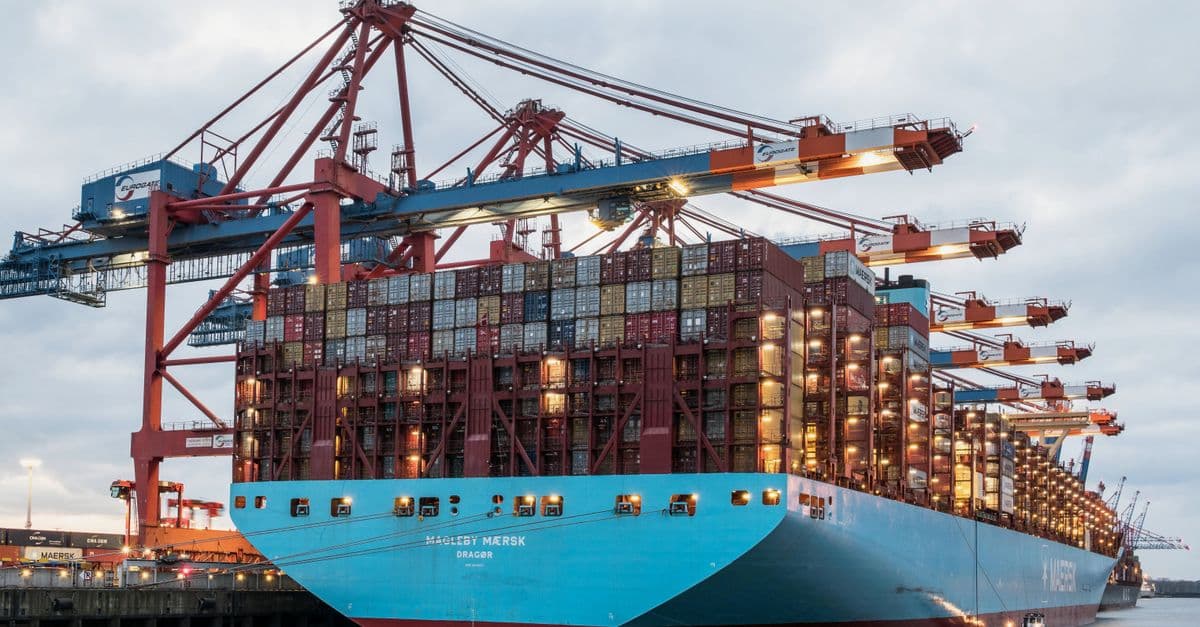
This skill rapidly analyzes ship hulls for hydrodynamic performance, stability characteristics, and maritime regulatory compliance. You provide hull geometry data, design parameters, or vessel specifications, and Claude performs comprehensive assessments including resistance predictions, stability calculations, and compliance checks against IMO and classification society standards. Accelerate your design iteration cycles by automating preliminary analysis that normally requires specialized software and weeks of external consultant review.
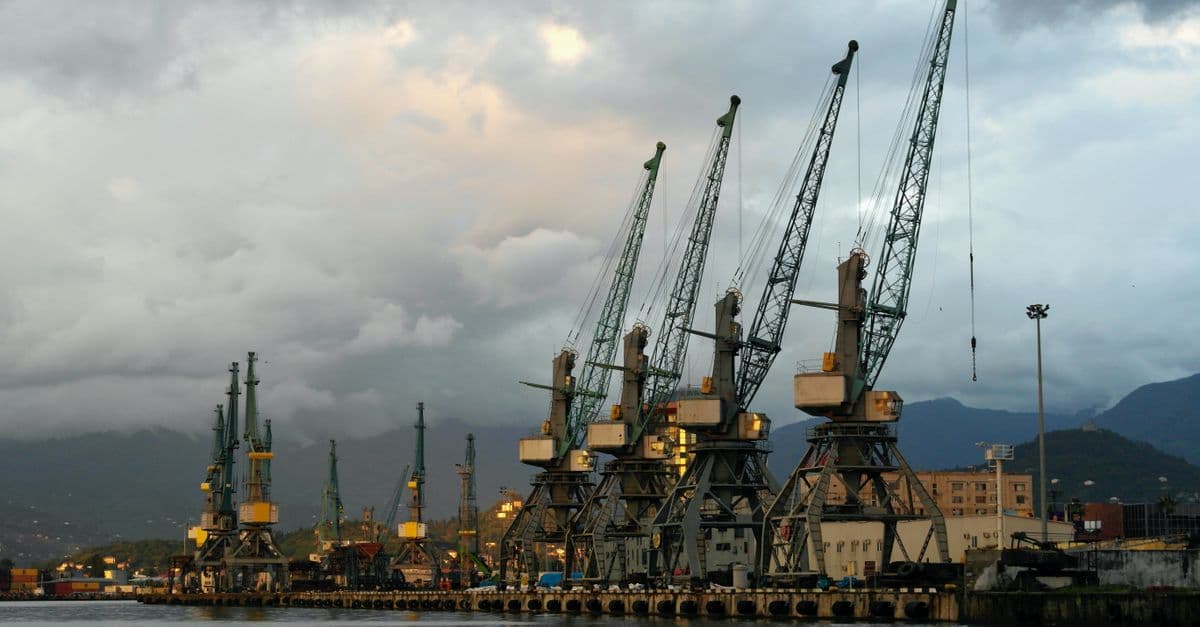
You can generate complete cargo operations plans, calculate optimal loading configurations, verify regulatory compliance, and forecast capacity across multiple vessels. Claude analyzes vessel specs, commodity constraints, port conditions, and cost factors to deliver detailed operations schedules with cost breakdowns and risk assessments.

You receive comprehensive validation of marine system architectures against maritime standards including IMO, SOLAS, and MARPOL regulations. Claude identifies integration conflicts between subsystems (propulsion, navigation, power management), cross-system dependencies, and optimization opportunities while generating compliance documentation and remediation plans for each identified issue.
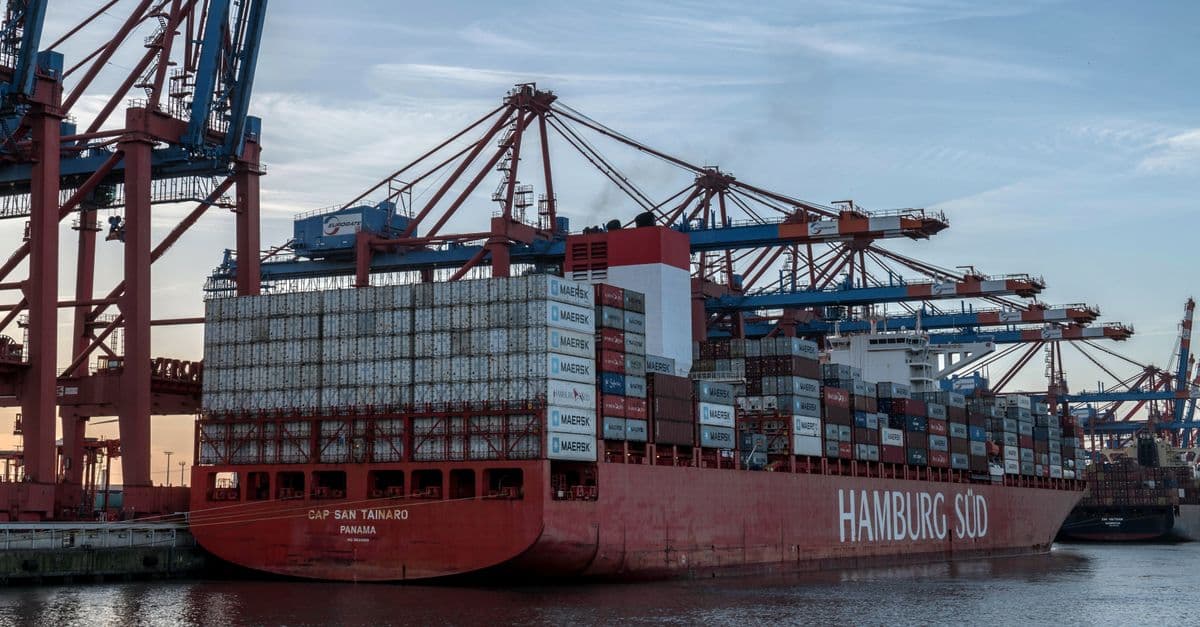
You can analyze container dwell time patterns across your port to identify bottlenecks and inefficiencies in current operations. Claude coordinates optimal transfer sequences between ship, rail, and truck modes, generating detailed schedules that reduce congestion and maximize throughput. By leveraging data-driven insights, you can implement incremental improvements that compound into significant reductions in container cycle time and operational costs.

Accelerate marine propulsion and auxiliary system design by automating FMEA analysis, validating against IMO and classification society standards, and generating comprehensive risk assessments. You'll receive structured failure mode identification, severity/occurrence/detectability scoring, and regulatory compliance documentation that meets international maritime requirements.

You can assess offshore structures against international regulatory standards, identify compliance gaps, and prioritize structural and operational risks. This skill generates detailed compliance reports, risk matrices, and actionable remediation recommendations tailored to your facility's specific condition and regulatory regime. You'll streamline audits, accelerate due diligence reviews, and strengthen your safety and compliance posture with data-driven risk assessments.