


Small Craft Design Review & Optimization
Review and optimize small craft designs with expert naval architecture guidance
What You Can Do
You get expert design critique and optimization recommendations for small watercraft projects, from initial concept sketches to detailed plans. Claude analyzes your designs for hydrodynamic efficiency, structural integrity, material optimization, and buildability, then provides specific improvements to reduce weight, improve performance, and ensure seaworthiness.
Features
Evaluate hull shapes, waterline transitions, and drag characteristics to optimize speed and fuel efficiency for your design parameters
Assess framing, longitudinal stiffness, and load distribution to ensure safety and durability under operating conditions
Recommend material choices (marine plywood, composite, fiberglass, aluminum) based on weight, cost, durability, and maintenance requirements
Review construction sequences, joinery details, and assembly methods to simplify the build process and reduce errors
Calculate stability metrics, trim characteristics, and expected speed ranges for different displacement and power scenarios
Identify opportunities to reduce material waste, simplify construction, and optimize labor requirements without compromising quality
Verify designs meet relevant standards for stability, freeboard, and safety equipment based on vessel size and intended use
Example Output
Example 1: 22-foot Sailboat Hull Review
Analysis shows overly deep keel (recommend reducing draft by 6 inches) while maintaining stability. Hull form exhibits high prismatic coefficient (good for cruising) but wave-making resistance could drop 8-12% with softer bow entry. Recommend: reshaped stem, modified waterline beam aft, and reduced overall weight through composite mast step.
Example 2: Fishing Boat Build Optimization
Current plan uses excessive framing intervals (16 inches). Recommend 20-inch spacing with slightly heavier longitudinals - saves 200 lbs, simplifies assembly, maintains full strength. Plywood thickness recommendations: bottom 3/8" (adequate), topsides 1/4" (reduce from 3/8"), cabin front 3/16" (thin enough, simplifies bending). Material savings: 15%, labor savings: 20 hours.
Example 3: Stability and Safety Audit
For proposed 19-foot recreational cruiser: Metacentric height 2.1 feet (borderline, recommend 2.4+ for comfort). Current freeboard at bow 3.2 feet (marginal, increase to 3.8 feet). Weight analysis shows 200 lbs of excess topside structure that can be eliminated through redesigned cabin windows and compartment lids. Revised design improves seaworthiness and reduces seasickness risk significantly.
What's Included
- Design Review Checklist: Comprehensive evaluation framework covering hull shape, structure, materials, and performance metrics
- Optimization Recommendations: Specific, actionable changes with estimated impact on weight, cost, performance, and build difficulty
- Technical Calculations: Stability analysis, displacement estimates, speed predictions, and load distribution diagrams
- Material Selection Guide: Comparison of marine construction options with weight, cost, longevity, and workability trade-offs
- Build Simplification Analysis: Assembly sequence review and construction detail optimization to reduce labor and material waste
Who It's For
- Amateur Boat Builders
- Naval Architects and Marine Engineers
- Small Boat Designers and Builders
- Fishing and Commercial Vessel Operators
Best For
- Hull shape optimization and performance tuning
- Material selection and weight reduction
- Construction planning and buildability review
- Stability and seaworthiness verification
You might also like
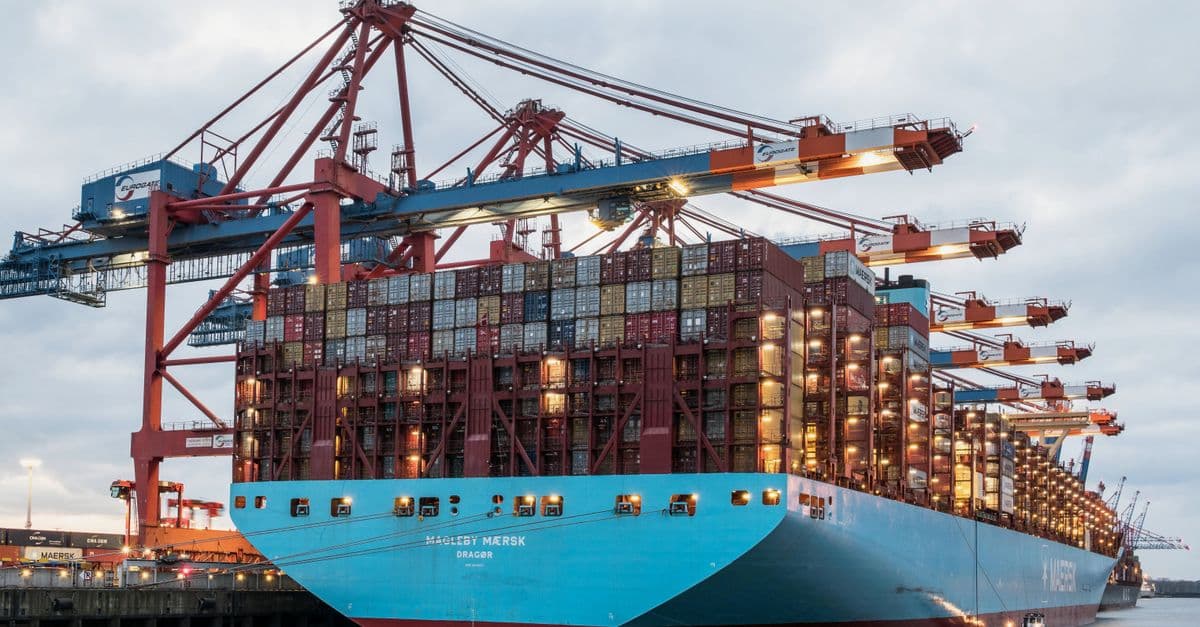
This skill rapidly analyzes ship hulls for hydrodynamic performance, stability characteristics, and maritime regulatory compliance. You provide hull geometry data, design parameters, or vessel specifications, and Claude performs comprehensive assessments including resistance predictions, stability calculations, and compliance checks against IMO and classification society standards. Accelerate your design iteration cycles by automating preliminary analysis that normally requires specialized software and weeks of external consultant review.

You can accelerate the preliminary design phase of shipbuilding projects by analyzing design briefs against regulatory standards, evaluating hull resistance and propulsion requirements, and generating technical compliance documentation. This skill helps naval architects and marine engineers validate design concepts early, identify compliance gaps before detailed design begins, and produce documentation suitable for regulatory review boards and client presentations.
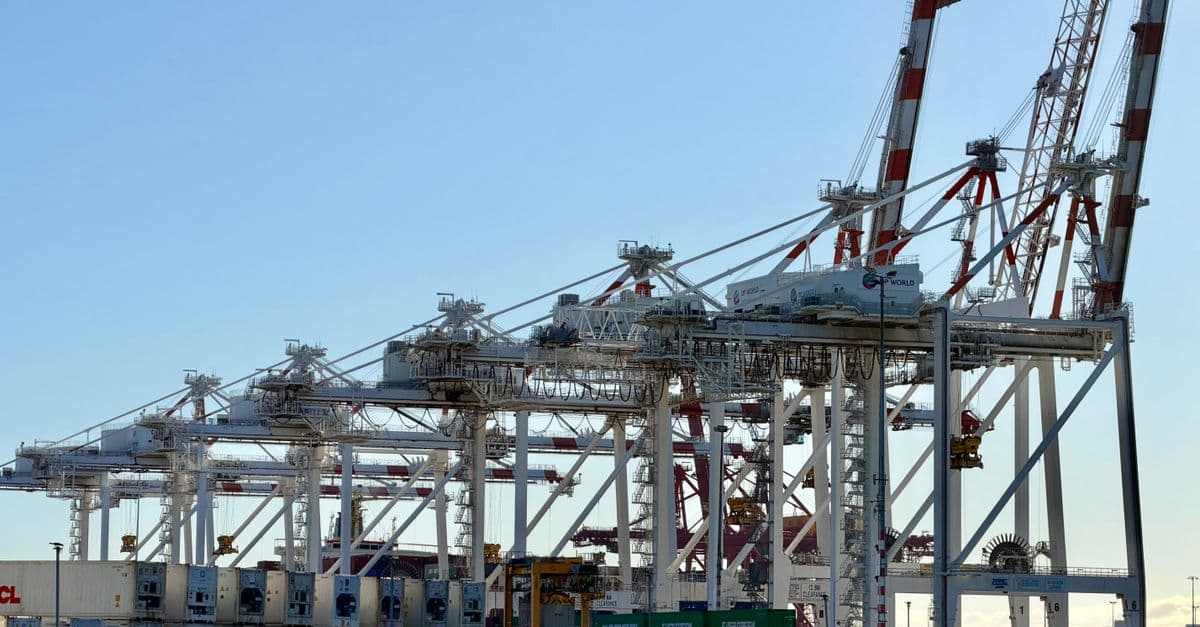
Analyze vessel schedules, berth assignments, crane utilization, and gate throughput data to identify operational bottlenecks and performance gaps. Claude helps you generate optimization recommendations, forecast terminal capacity constraints, and prioritize improvements based on impact. You make faster, more informed operational decisions backed by real performance analysis.

Accelerate marine propulsion and auxiliary system design by automating FMEA analysis, validating against IMO and classification society standards, and generating comprehensive risk assessments. You'll receive structured failure mode identification, severity/occurrence/detectability scoring, and regulatory compliance documentation that meets international maritime requirements.

You can input your small craft specifications, blueprints, or design parameters and receive detailed technical analysis, regulatory compliance documentation, and comprehensive design reports. The skill generates specification sheets, material recommendations, performance calculations, and safety documentation tailored to your vessel type and intended use.
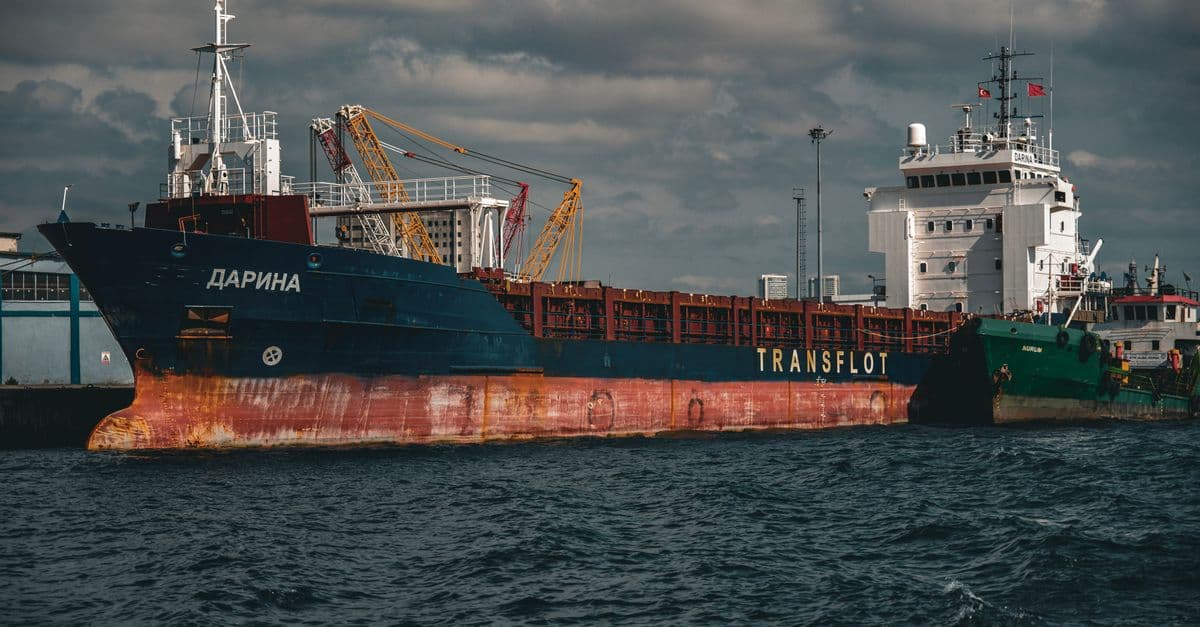
Analyze complex hull design trade-offs between performance metrics like stability, speed, and fuel efficiency. Validate your designs against maritime regulations including IMO SOLAS, MARPOL, and flag state requirements. Generate comprehensive design documentation and performance optimization recommendations to support faster, data-driven decision-making throughout your design cycle.
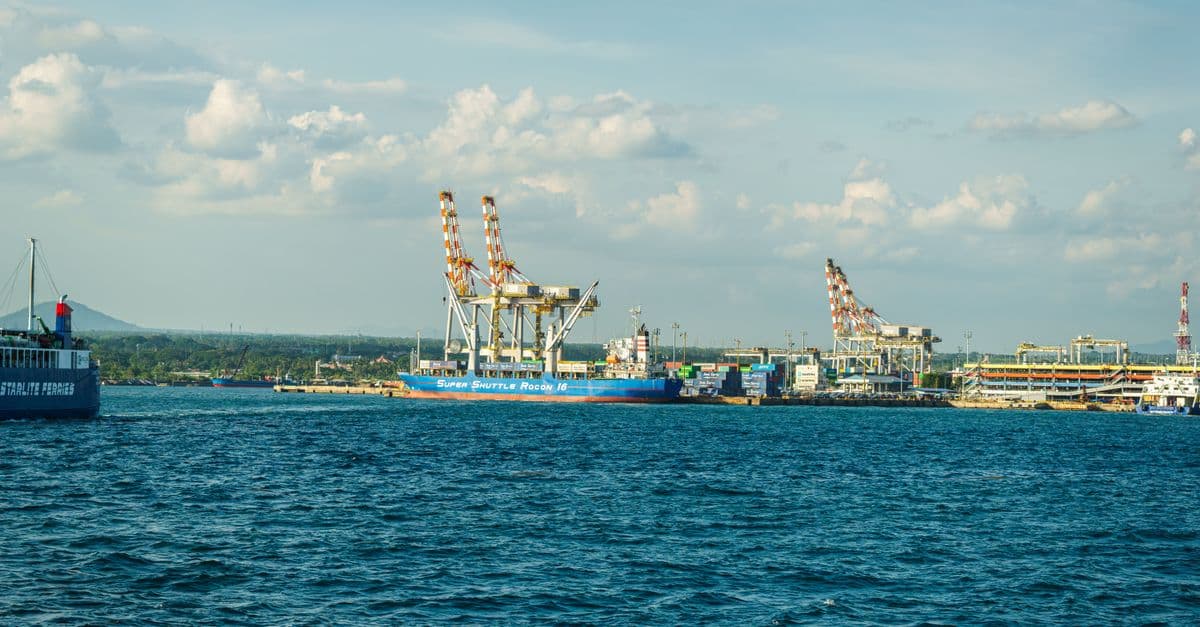
You can create comprehensive turnaround plans that optimize crew changes, passenger logistics, and vendor coordination while meeting port compliance requirements. This skill helps you manage multiple operational streams in parallel, anticipate delays, and maintain clear communication with all stakeholders involved in cruise ship port visits.

You receive comprehensive validation of marine system architectures against maritime standards including IMO, SOLAS, and MARPOL regulations. Claude identifies integration conflicts between subsystems (propulsion, navigation, power management), cross-system dependencies, and optimization opportunities while generating compliance documentation and remediation plans for each identified issue.