

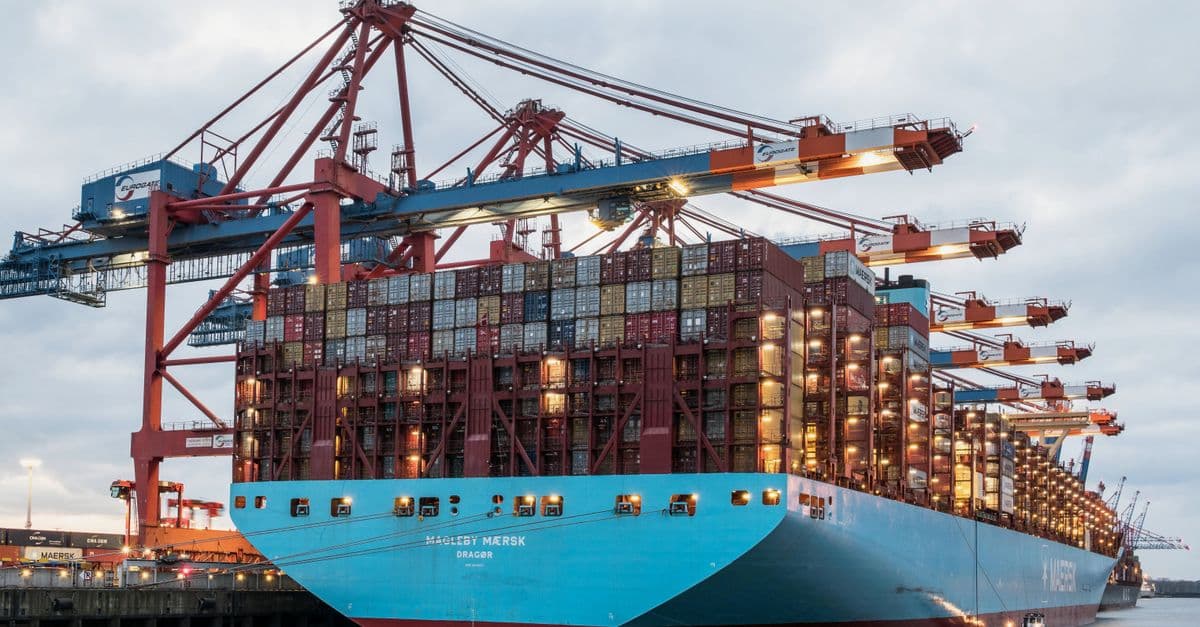
Ship Design Analysis & Optimization
Optimize ship designs with instant hydrodynamic analysis and compliance verification
What You Can Do
This skill rapidly analyzes ship hulls for hydrodynamic performance, stability characteristics, and maritime regulatory compliance. You provide hull geometry data, design parameters, or vessel specifications, and Claude performs comprehensive assessments including resistance predictions, stability calculations, and compliance checks against IMO and classification society standards. Accelerate your design iteration cycles by automating preliminary analysis that normally requires specialized software and weeks of external consultant review.
Features
Predicts drag, lift, and resistance characteristics across speed ranges and loading conditions
Calculates metacentric height, righting moments, heel angles, and damage stability margins
Verifies alignment with IMO SOLAS, Load Line Rules, and classification society design standards
Suggests specific geometry refinements to bulbous bow, sections, and appendages for improved efficiency
Compares your design against comparable vessel types and industry standards for the same class
Evaluates optimal loading scenarios, free surface effects, and stability across operational envelopes
Models frictional, wave-making, and form drag components with powering requirements
Produces formatted analysis findings with calculations, charts, and recommendations ready for stakeholders
Example Output
Hull Analysis for 120m Container Vessel
Hydrodynamic Summary
- Estimated Resistance at 15 knots: 85 kW
- Propulsive Efficiency: 68%
- Froude Number: 0.142
Stability Assessment
- GM (Initial Metacentric Height): 1.2m (check) Exceeds IMO requirement of 0.55m
- Righting Arm at 30 degrees: 0.31m (check)
- Free Surface Correction: -0.08m
Compliance Status
- SOLAS Chapter II-1: (check) Compliant
- Load Line Assignment: (check) Meets seasonal freeboard
- Intact Stability Criteria: (check) All checks passed
Design Recommendations
- Increase bulb height by 0.2m to reduce wave-making resistance
- Refine bilge radius geometry for improved seakeeping performance
- Consider optimized bulbous bow profile for target operating speeds
What's Included
- Hull Geometry Analysis: Processes 2D sections, 3D surface data, design parameters, and descriptive hull characteristics
- Hydrodynamic Calculations: Delivers resistance predictions, powering analysis, propulsion efficiency, and speed performance models
- Stability Analysis: Intact stability assessment, damage stability scenarios, and freeboard compliance verification
- Regulatory Cross-Reference: Systematic audit against IMO SOLAS, Load Line conventions, and relevant classification society rules
- Optimization Recommendations: Specific, prioritized design changes with technical justification and estimated performance impact
- Formal Report Templates: Analysis outputs formatted for client presentations, design reviews, and regulatory submissions
Who It's For
- Naval Architects
- Marine Engineers
- Shipyard Design Teams
- Classification Society Surveyors
- Maritime Consultants
Best For
- Preliminary Design Phase Feasibility Studies
- Design Iteration and Hull Geometry Variants
- Regulatory Compliance Verification
- Performance Benchmarking Against Fleet Standards
- Proposal Development with Technical Justification
You might also like

You can input your small craft specifications, blueprints, or design parameters and receive detailed technical analysis, regulatory compliance documentation, and comprehensive design reports. The skill generates specification sheets, material recommendations, performance calculations, and safety documentation tailored to your vessel type and intended use.
You can create comprehensive turnaround plans that optimize crew changes, passenger logistics, and vendor coordination while meeting port compliance requirements. This skill helps you manage multiple operational streams in parallel, anticipate delays, and maintain clear communication with all stakeholders involved in cruise ship port visits.

You can accelerate the preliminary design phase of shipbuilding projects by analyzing design briefs against regulatory standards, evaluating hull resistance and propulsion requirements, and generating technical compliance documentation. This skill helps naval architects and marine engineers validate design concepts early, identify compliance gaps before detailed design begins, and produce documentation suitable for regulatory review boards and client presentations.
You can generate complete cargo operations plans, calculate optimal loading configurations, verify regulatory compliance, and forecast capacity across multiple vessels. Claude analyzes vessel specs, commodity constraints, port conditions, and cost factors to deliver detailed operations schedules with cost breakdowns and risk assessments.

You receive comprehensive validation of marine system architectures against maritime standards including IMO, SOLAS, and MARPOL regulations. Claude identifies integration conflicts between subsystems (propulsion, navigation, power management), cross-system dependencies, and optimization opportunities while generating compliance documentation and remediation plans for each identified issue.
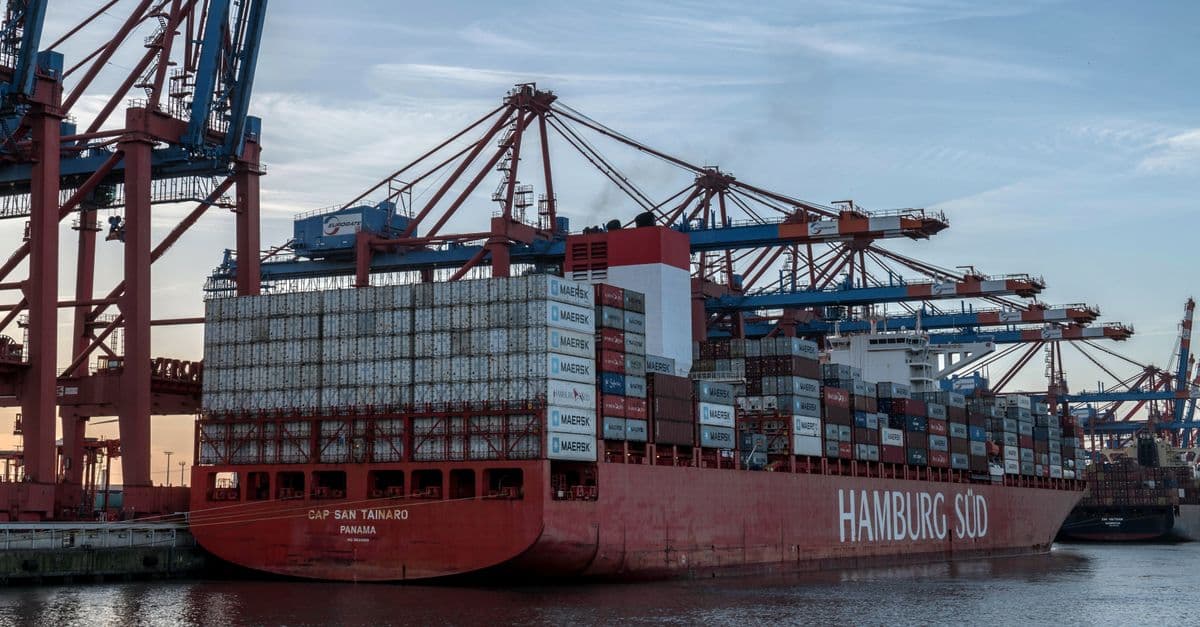
You can analyze container dwell time patterns across your port to identify bottlenecks and inefficiencies in current operations. Claude coordinates optimal transfer sequences between ship, rail, and truck modes, generating detailed schedules that reduce congestion and maximize throughput. By leveraging data-driven insights, you can implement incremental improvements that compound into significant reductions in container cycle time and operational costs.

Accelerate marine propulsion and auxiliary system design by automating FMEA analysis, validating against IMO and classification society standards, and generating comprehensive risk assessments. You'll receive structured failure mode identification, severity/occurrence/detectability scoring, and regulatory compliance documentation that meets international maritime requirements.
Access 30+ RunComfy model endpoints directly from Claude Code, including image-to-video, video-editing, AI image generation, AI video generation, and music composition. Each skill wraps a production endpoint with schema validation and intent-based routing. Use the RunComfy CLI to generate, inpaint, outpaint, and transform media from ACE Step music (tag-driven, $0.0002/s) to video and image models. Skills route automatically based on your request intent.