

Integrated Pest Management Diagnostic Assistant
Diagnose crop pests and diseases to make defensible IPM spray decisions
What You Can Do
You can systematically evaluate pest and disease pressure in your fields by analyzing visual symptoms, population counts, environmental conditions, and economic thresholds. Claude helps you determine whether intervention is warranted, identify the specific pest or disease causing damage, prioritize between multiple pressures, and select the most cost-effective control method—whether chemical, biological, or cultural. Your recommendations become defensible, documented decisions that you can justify to clients and regulators.
Features
Match field symptoms to specific pathogens and insects using descriptive observations and environmental context
Compare current pest populations and damage levels against cost-benefit breakpoints to determine if treatment is justified
Evaluate chemical, biological, and cultural options side-by-side for efficacy, resistance risk, cost, and environmental impact
When multiple pressures exist, rank intervention order based on crop stage, threshold proximity, and control compatibility
Recommend rotation of active ingredients and control modes to prevent resistance buildup
Generate defensible recommendations with clear reasoning you can explain to justify spray costs and decisions
Create records of your diagnostic process and recommendations for liability and regulatory purposes
Factor temperature, humidity, rainfall, and crop growth stage into control timing and product selection
Example Output
Example 1: Soybean Aphid Identification & Threshold Decision
You observe 12–15 aphids per plant on V3 soybean with localized leaf curling. Claude analyzes:
- Symptom match: Confirms soybean aphid (Aphis glycines)
- Economic threshold: 250 aphids per plant for early vegetative stages
- Recommendation: No spray warranted — population is 95% below threshold; monitor weekly and reassess at V5
- Resistance note: Recommend neonicotinoid only if threshold exceeded; rotate to pyrethroids next season if used this year
Example 2: Corn Disease Diagnosis Under Wet Conditions
You find tan lesions with concentric rings on mid-canopy corn leaves in a high-humidity field. Claude diagnoses:
- Disease ID: Northern corn leaf spot (Setosphaeria turcica) based on lesion morphology and growth stage
- Environmental risk: Recent rainfall and 85°F nighttime temperatures favor rapid progression
- Recommendation: Fungicide spray recommended — apply triazole at flag leaf to R1 growth stage; lesions present on 30% of plants approaching economic threshold
- Rotation: Alternate chemical classes; plan resistant hybrid selection for next season
Example 3: Multi-Pest Prioritization in Wheat
You scout wheat at Feekes 10 and observe Hessian flies (larval feeding), early Septoria tritici, and trace armyworm damage. Claude prioritizes:
- Hessian fly — Check egg-lay timing; if pre-peak, insecticide may prevent crop loss; if post-peak, adults already hatched; focus on next season genetics
- Septoria — At Feekes 10, fungicide justified only if >20% severity on flag leaf (check with pressure microscope); current estimate 8%
- Armyworm — Trace pressure; monitor and treat only if >10% plants affected
- Action: Fungicide spray now justified for Septoria trajectory; delay armyworm decision to next scout in 5 days
What's Included
- SKILL.md: Complete diagnostic framework with symptom-matching logic, threshold interpretation, and control selection workflow
- Pest & Disease Reference Table: Common crop pests and diseases with visual symptom descriptors, threshold values, and rapid identification cues
- Economic Threshold Checklist: Premade thresholds for major commodity crops (corn, soybeans, wheat, cotton) by growth stage
- Control Method Comparison Matrix: Side-by-side evaluation of chemical, biological, and cultural options with resistance-risk rankings
- Client Recommendation Template: Structured format for documenting diagnosis, threshold assessment, and recommended action with justification
Who It's For
- Field Crop Agronomists — Make consistent, defensible pest management recommendations across multiple client farms and seasons
- Crop Scouts — Standardize field observation protocols and decision logic to improve diagnostic accuracy and reduce spray waste
- Farm Managers & Operators — Evaluate contractor or consultant recommendations using transparent threshold-based logic before approving spray applications
- Extension Educators — Teach grower groups how to recognize pests, assess thresholds, and make economically sound spray decisions
- Agricultural Sales Professionals — Support customer recommendations with data-driven, threshold-based justifications that build trust and reduce input waste
Best For
- Identifying unknown pests and diseases in field observations using symptom descriptions and environmental context
- Evaluating whether a spray is economically justified by comparing current pest population or disease severity against thresholds
- Selecting the best control method when multiple options exist (chemical, biological, cultural) based on cost, efficacy, and resistance risk
- Prioritizing interventions when multiple pest or disease pressures occur simultaneously in a single field
- Documenting recommendations with clear diagnostic reasoning and threshold-based rationale for client communication and compliance records
You might also like
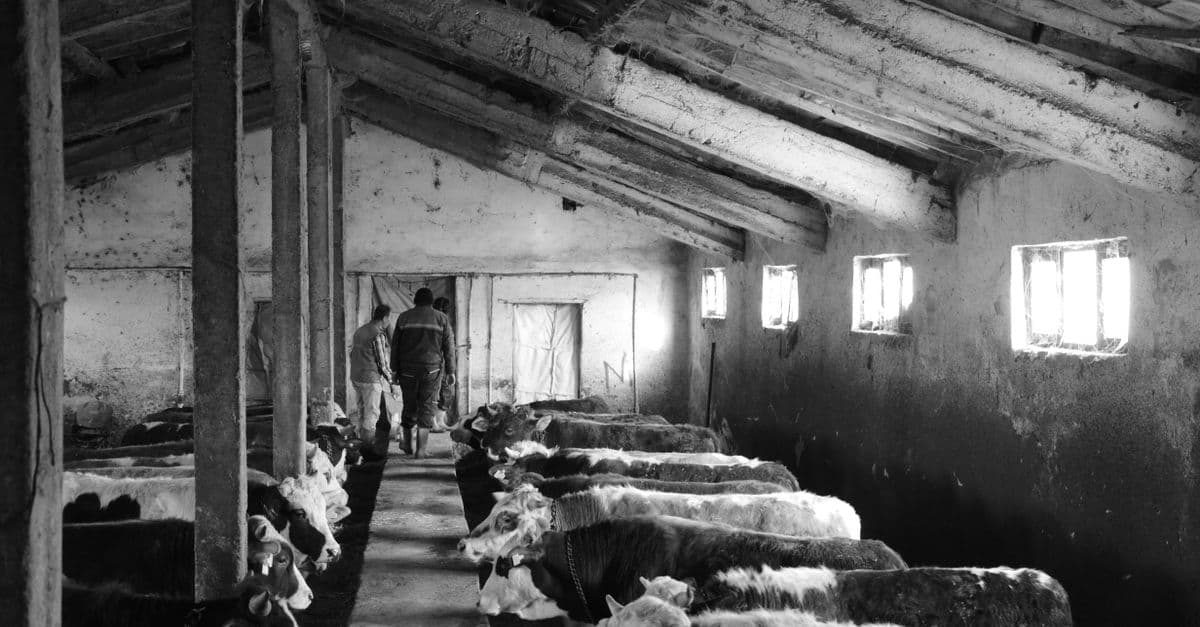
This skill helps you review and validate livestock facility designs by analyzing structural requirements, calculating dynamic loads, verifying code compliance, and optimizing layouts for animal welfare. You can assess architectural plans for dairy barns, poultry houses, and feed storage facilities, identify design gaps, evaluate material options, and confirm that facilities meet both building codes and agricultural regulations.
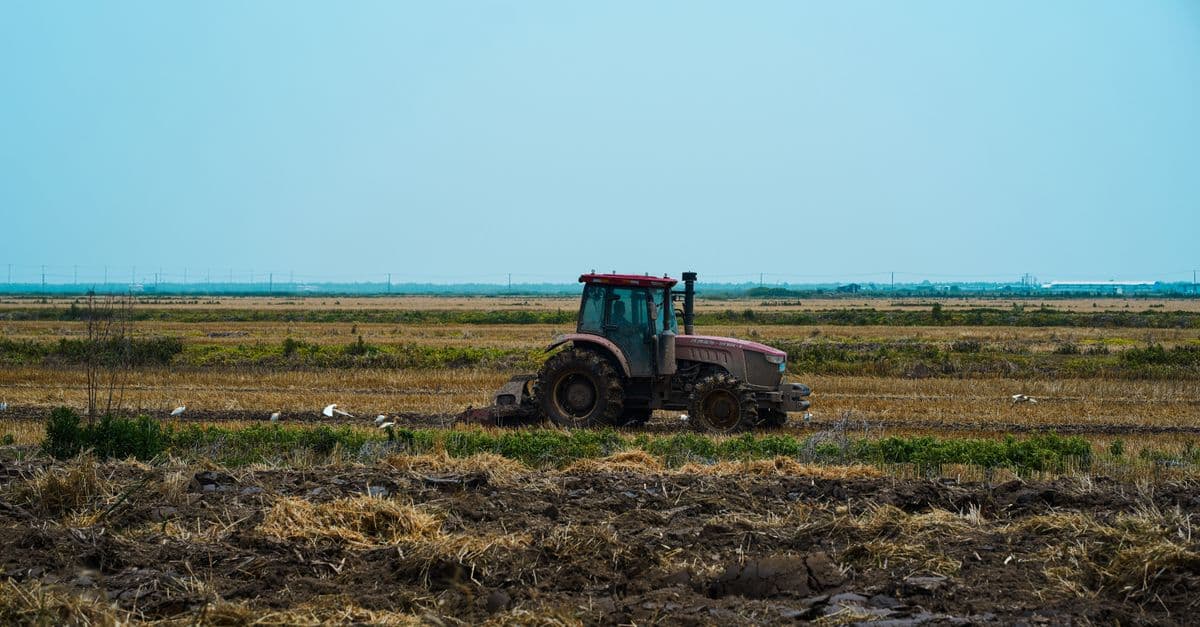
You can systematically evaluate mechanization investments by calculating total cost of ownership (TCO), comparing ownership versus leasing scenarios, and assessing labor replacement equipment. The skill delivers quantified operational efficiency gains and long-term financial projections, reducing evaluation time from weeks to hours while building stakeholder confidence in capital deployment decisions.
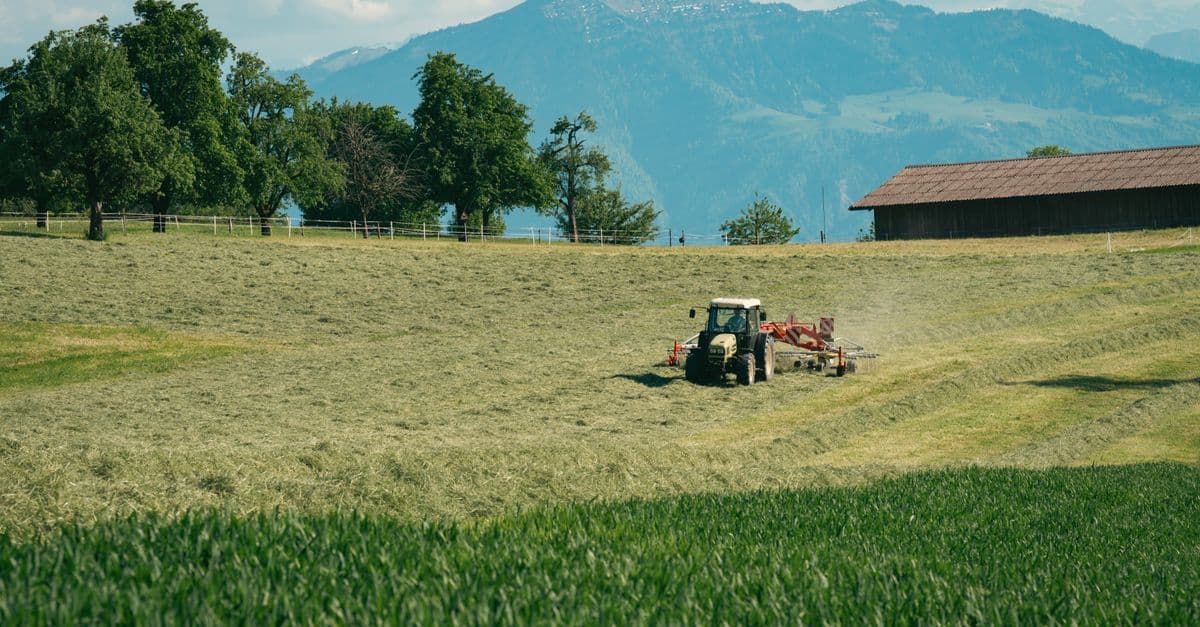
You can develop complete mechanization system architectures that match your farm's specific operations, soil conditions, and economic constraints. This skill guides you through equipment selection, power management, field logistics optimization, and ROI analysis to create actionable mechanization strategies that improve operational efficiency while maintaining sustainability and profitability.
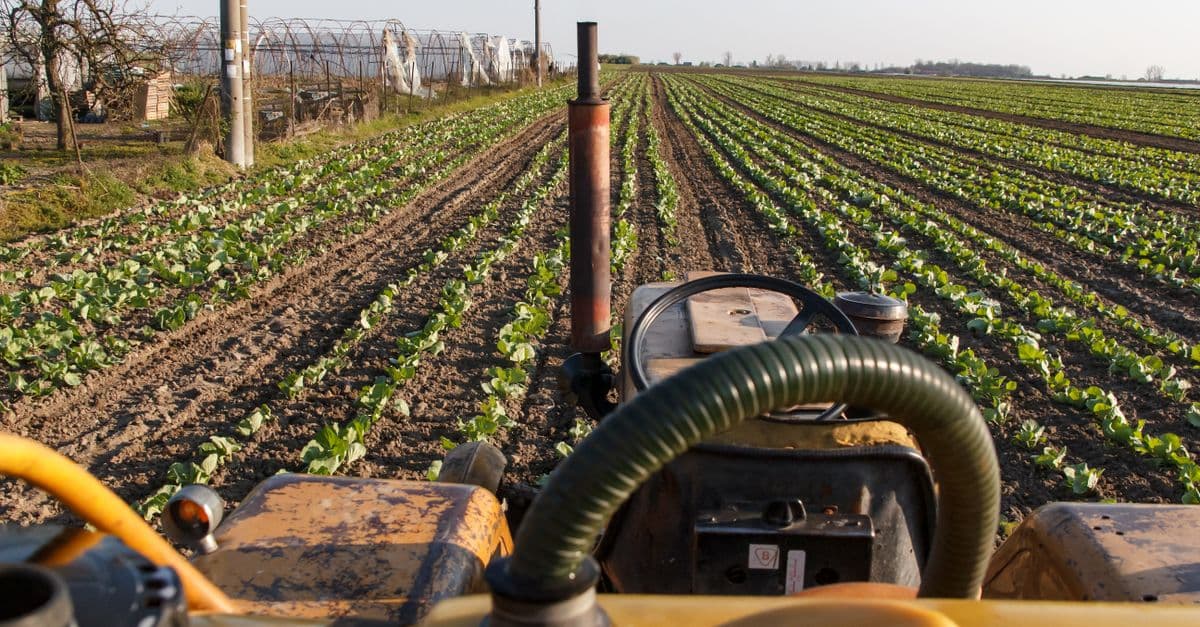
You can systematically analyze germplasm trial data to identify elite parent combinations and predict breeding outcomes. This skill processes yield, disease resistance, morphological traits, and environmental variables to quantify genotype-by-environment interactions, recommend optimal crossing strategies, and document data-driven selection rationale for regulatory compliance. It bridges raw field data and strategic breeding decisions, helping you achieve genetic gain faster while minimizing subjective bias in parental selection.
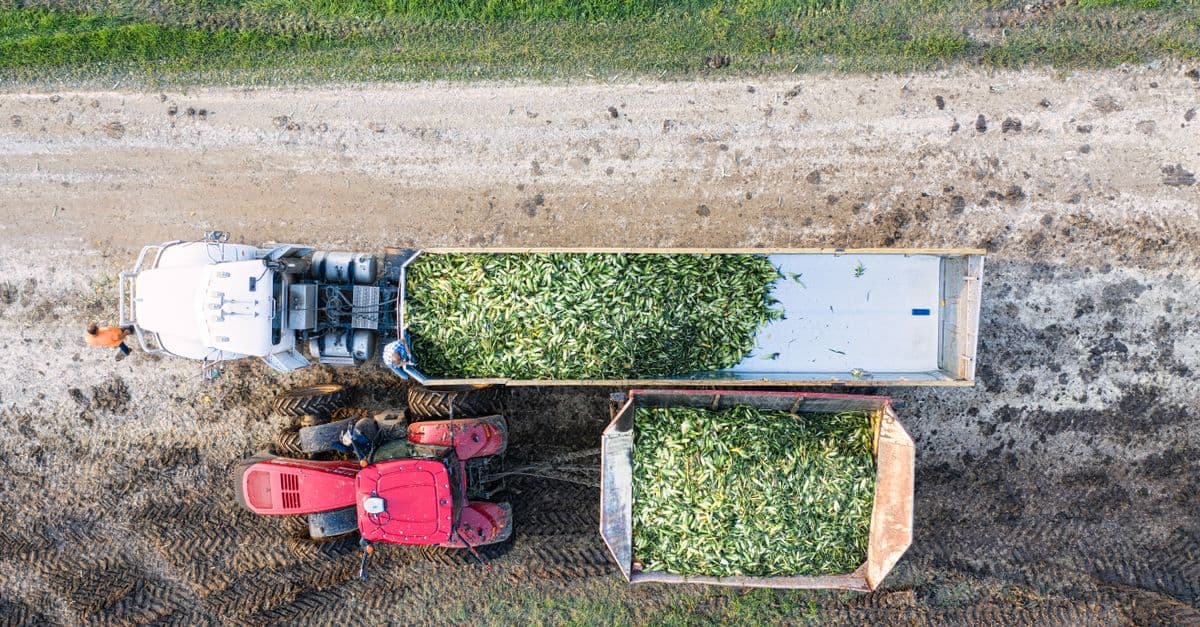
Transform raw field variability data—soil EC maps, yield histories, organic matter, elevation, and satellite imagery—into agronomically sound, equipment-ready prescription maps. You'll generate site-specific application recommendations for fertilizer, fungicides, herbicides, and seed rates across field zones, with quantified cost savings and environmental impact reductions that justify zone-based management to stakeholders.
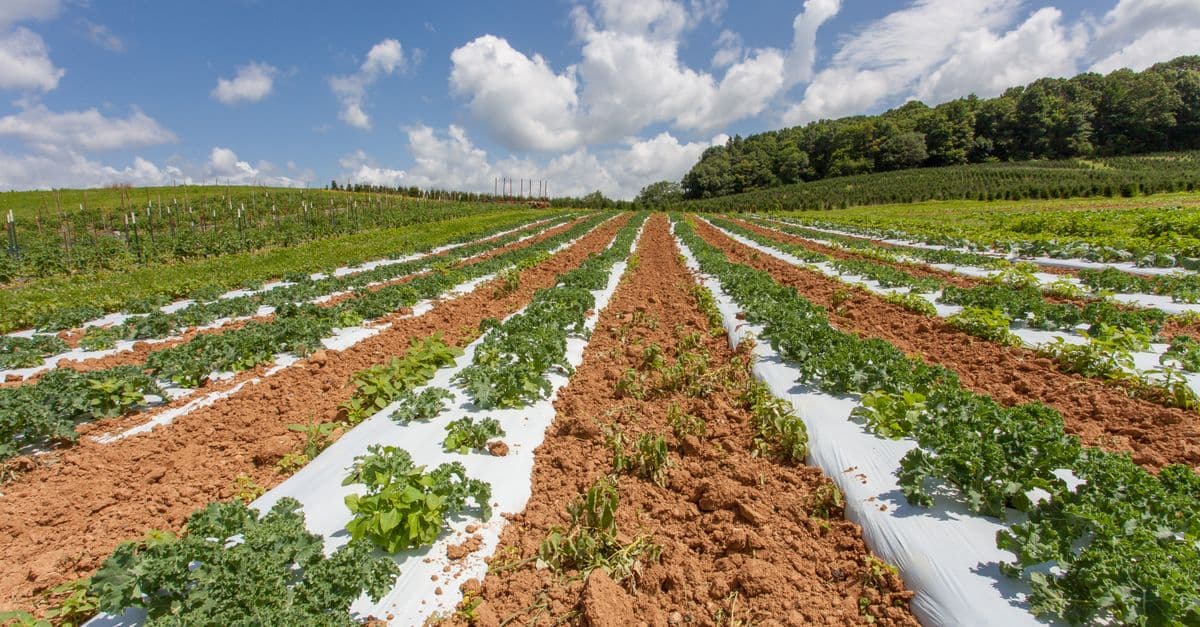
Analyze crop disease symptoms and receive rapid, evidence-based diagnoses specific to your specialty crop type. Generate spray schedules that rotate fungicide families to prevent resistance, comply with organic or export certifications, and time applications around critical crop growth stages. Cross-reference environmental conditions, disease pressure windows, and buyer residue requirements to create season-long disease management calendars that minimize crop loss while maintaining market compliance.

You can analyze ripeness progression across individual vineyard blocks and predict optimal harvest windows by integrating phenolic and sugar maturity data with real-time weather forecasts, labor scheduling constraints, and vintage market positioning. The skill helps you coordinate multi-block harvest logistics while accounting for unexpected weather events, equipment availability, and production cost targets.
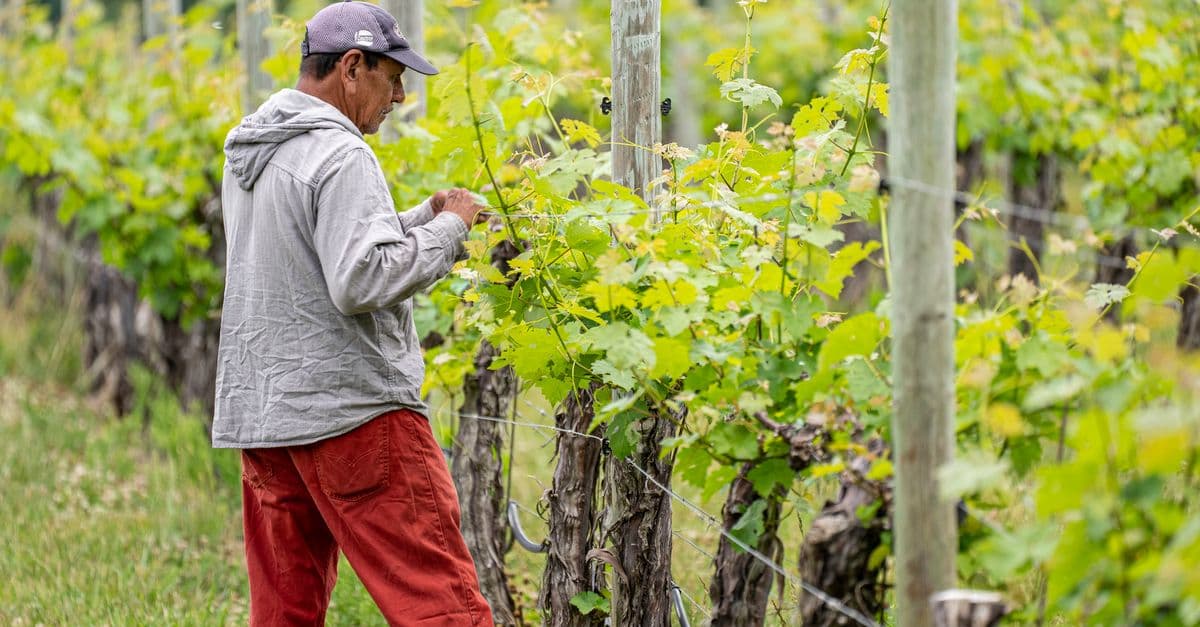
You can systematically evaluate your vineyard's sustainability performance across water management, soil health, pesticide use, carbon footprint, input costs, labor practices, and community relations. Claude generates quantifiable baselines, identifies high-impact interventions tailored to viticulture's unique constraints (seasonal labor, phytosanitary pressures, terroir dependencies), and creates implementation roadmaps that integrate with your existing operations—whether you're pursuing organic certification, biodynamic transition, or responding to retailer sustainability requirements.