

Foundation Design Analyzer
Analyze soil data and design foundations with bearing capacity calculations
What You Can Do
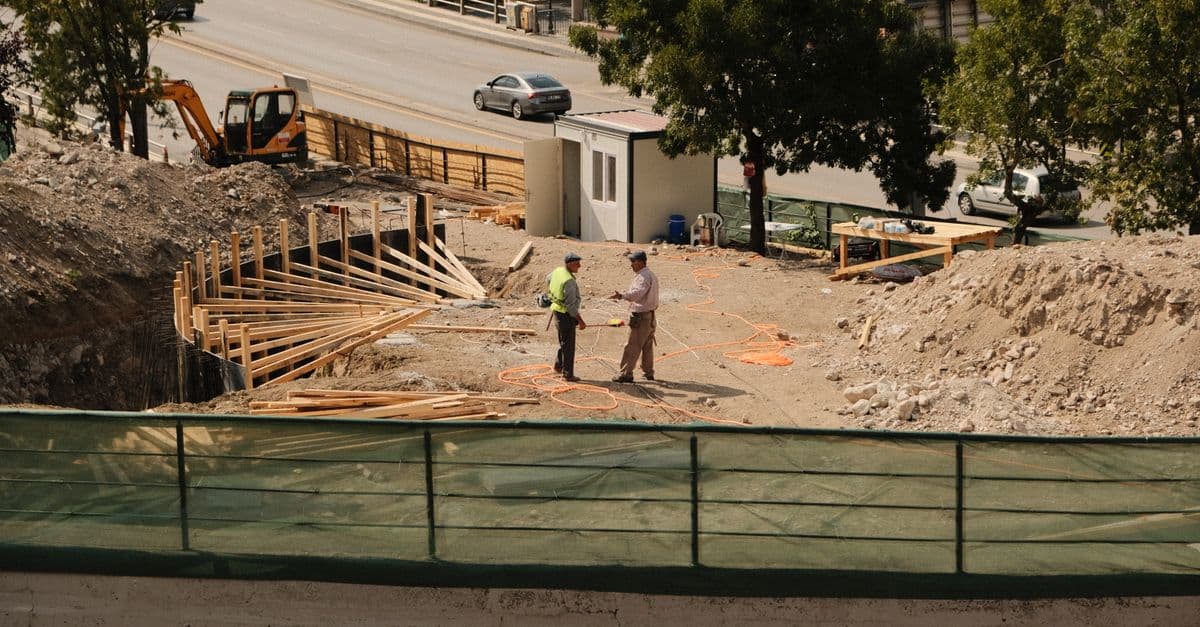
This skill synthesizes soil investigation reports, borehole logs, and laboratory test results into actionable foundation design recommendations. You can perform bearing capacity calculations using standard methods (Terzaghi, Meyerhof, Hansen), evaluate settlement potential, determine appropriate foundation types (spread footings, piles, mats, micropiles), and generate professional design reports that integrate engineering judgment with quantitative analysis—all while maintaining full traceability of assumptions and factors of safety.
Features
Computes allowable bearing pressures using Terzaghi, Meyerhof, and Hansen methods with customizable factors of safety
Converts Standard Penetration Test N-values and laboratory results into design parameters and soil classification
Evaluates immediate, consolidation, and differential settlement potential with risk flagging
Compares shallow foundations, deep piles, mat foundations, and micropiles with cost-benefit analysis
Produces client-ready documentation with assumptions, calculations, and design traceability
Identifies soil anomalies, variable strata, and design constraints requiring engineer review
Structures findings for design team integration and regulatory submission
Maintains transparent documentation of all applied safety factors and engineering judgment
Example Output
Example 1: Spread Footing Analysis
- Soil Profile: Dense sand (SPT N=35) over stiff clay (SPT N=22)
- Allowable Bearing Pressure (Meyerhof): 285 kPa at 1.5 m depth
- Settlement Estimate: 18 mm immediate + 12 mm consolidation
- Recommendation: 1.5 m × 1.5 m spread footing at 1.5 m depth, bearing pressure limited to 250 kPa (conservative)
Example 2: Pile Foundation Decision
- Soil Profile: 3 m fill/soft clay, then dense sand below
- Shallow foundation settlement risk: 75 mm differential
- Recommended: 400 mm diameter bored piles to 12 m depth in dense sand
- Pile Capacity (shaft + tip): 850 kN per pile, safety factor = 2.5
- Cost comparison: Piles +25% material, -40% settlement risk
Example 3: Design Summary Report
- Bearing capacity summary table with three foundation options
- Settlement assessment with differential settlement matrix
- Design assumptions and factor of safety justification
- Recommended foundation type with depth, dimensions, and pressure limits
What's Included
- SKILL.md instruction file with analysis methodology and workflow:
- Bearing Capacity Calculation Template: Pre-formatted sheets for Terzaghi, Meyerhof, and Hansen methods
- SPT Data Processing Checklist: Step-by-step guide for converting field logs to design parameters
- Foundation Type Comparison Matrix: Framework for evaluating spread footings, piles, mats, and micropiles
- Design Report Template: Professional memo format with assumptions, calculations, and recommendations
- Settlement Assessment Worksheet: Structured approach to immediate and consolidation settlement evaluation
Who It's For
- Geotechnical Engineers — Designing foundations from soil investigation data and producing design documentation
- Structural Engineers — Evaluating foundation recommendations and coordinating with geotechnical team
- Junior Engineers & Graduates — Learning soil-to-structure design workflow and bearing capacity principles
- Construction Managers — Reviewing geotechnical recommendations for feasibility and cost implications
- Project Engineers — Preparing foundation design memos for client approval and regulatory submission
Best For
- Preliminary foundation design analysis from Phase 1 borehole investigation data
- Converting SPT N-values and laboratory test results into allowable bearing pressures
- Evaluating and comparing multiple foundation options (shallow vs. deep, cost-benefit analysis)
- Settlement assessment and differential settlement risk evaluation
- Generating professional design documentation for client approval and permit submission
You might also like

Query your local Screenpipe instance to retrieve screen recordings, audio transcriptions, UI element accessibility trees, keyboard/mouse input logs, and productivity analytics. You can search by keywords, filter by content type (audio, OCR, accessibility, input), set time ranges, and extract structured data about your applications, meetings, and work sessions without sending data to external servers.
 by az9713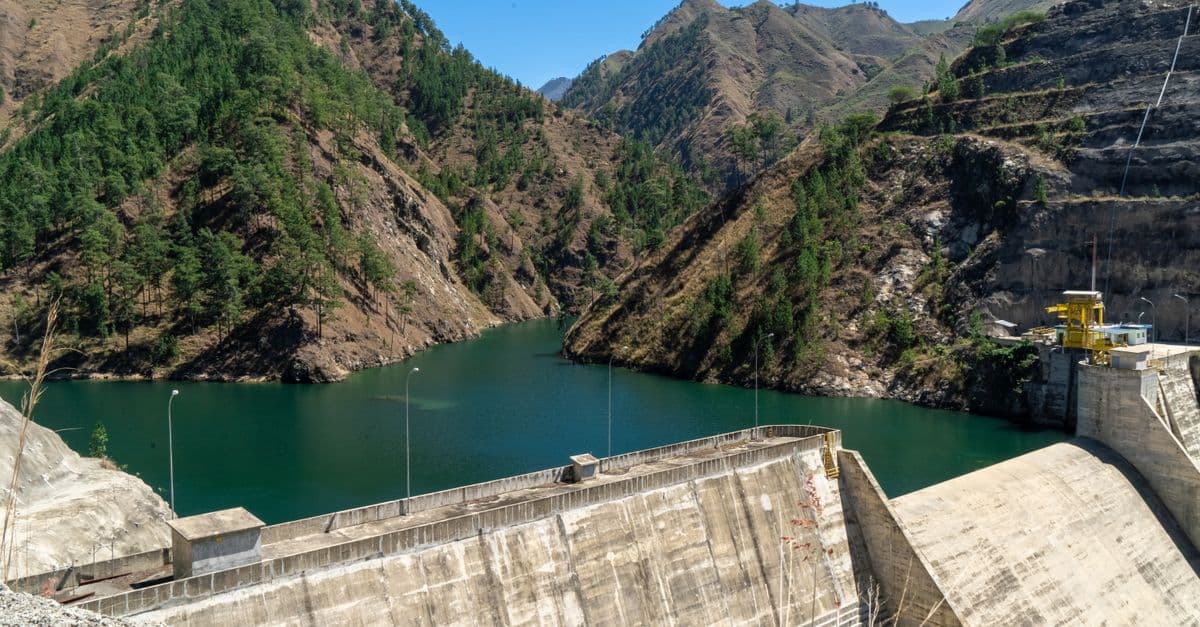
You can conduct comprehensive slope stability analyses that integrate site characterization, soil/rock properties, and quantitative calculations to evaluate both simple and complex slope geometries. The framework helps you identify critical failure mechanisms, calculate safety factors, assess groundwater and seismic effects, and develop technically defensible remediation recommendations suitable for permitting, design decisions, and stakeholder communication.
by az9713
You can systematically design test cases for any feature or system by analyzing requirements or code to extract test parameters, values, and business constraints. The skill generates a PICT model, executes pairwise testing logic to minimize test case count while maximizing coverage, and delivers a formatted test matrix with expected results—reducing manual test design effort while ensuring comprehensive scenario coverage.
by az9713
This skill deconstructs your writing samples to identify the specific patterns, personality markers, emotional range, language quirks, and formatting habits that make your voice uniquely yours. You'll receive a detailed voice DNA profile that includes your core communication style, signature phrases, emotional tone, formality level, and what you actively avoid—creating a blueprint that AI systems can use to replicate your authentic voice consistently across projects, platforms, and content types.
by az9713
You can submit architectural design documents, floor plans, and project parameters to receive a comprehensive compliance analysis that cross-references IBC, local amendments, zoning ordinances, and ADA accessibility requirements. Claude identifies specific gaps, cites applicable code sections, explains why each gap matters, and provides concrete remediation strategies—all before formal design review submission when corrections are costly and schedule-impacting.
by az9713
You can leverage Claude to synthesize regional seismic hazard data from authoritative sources (USGS maps, published studies), interpret probabilistic versus deterministic earthquake scenarios, and analyze how site conditions modify ground motions. Claude helps you justify seismic design parameters to clients and regulators, evaluate liquefaction and earthquake-induced landslide risks, and develop defensible recommendations aligned with ASCE 7 and current guidelines—accelerating report preparation without replacing specialized geotechnical software.
by az9713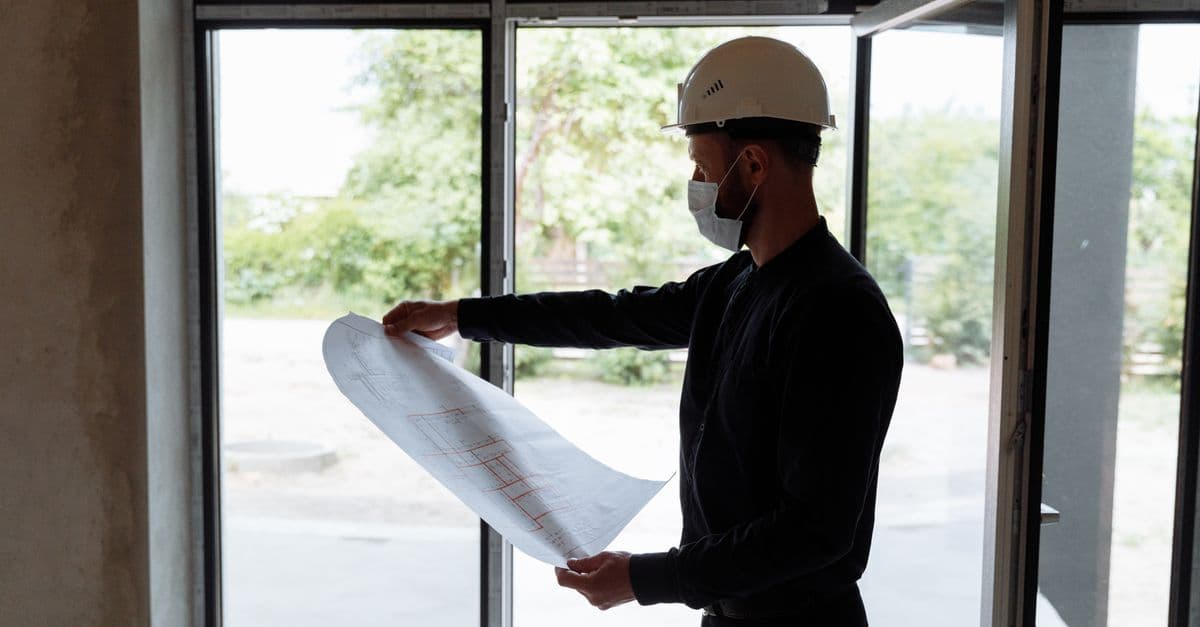
You can compare building materials across embodied carbon, water usage, recyclability, supply chain impacts, and lifecycle costs—all grounded in industry standards like EN 15804 and ISO 14040/44. This skill transforms material selection from intuition-based guessing into data-driven specification, producing analysis outputs ready for client presentations, value engineering discussions, and regulatory compliance documentation.
by az9713
You can accelerate HVAC design workflows by inputting building parameters—envelope characteristics, occupancy data, climate conditions, and existing systems—and receiving calculated heating/cooling loads, equipment sizing recommendations, and zone-by-zone analysis. Claude organizes complex building data into actionable design parameters and specification summaries for client review, permit submission, and professional validation against ASHRAE and ACCA standards.
by az9713