

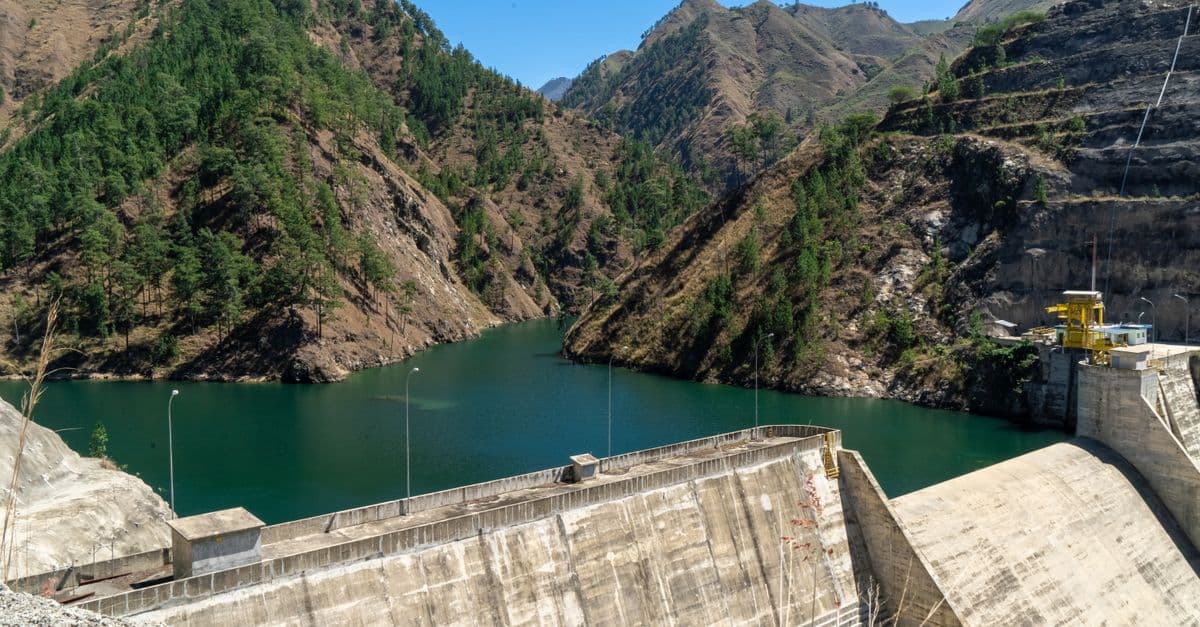
Slope Stability Analysis Framework
Analyze slope failure mechanisms and calculate safety factors for geotechnical design
What You Can Do
You can conduct comprehensive slope stability analyses that integrate site characterization, soil/rock properties, and quantitative calculations to evaluate both simple and complex slope geometries. The framework helps you identify critical failure mechanisms, calculate safety factors, assess groundwater and seismic effects, and develop technically defensible remediation recommendations suitable for permitting, design decisions, and stakeholder communication.
Features
systematically document slope geometry, soil/rock stratigraphy, and material properties from lab and field testing
determine critical slip surfaces and failure modes (circular, planar, wedge) based on geotechnical conditions
apply limit equilibrium methods (Bishop, Fellenius, Janbu) with quantitative results and sensitivity analysis
incorporate seepage analysis, pore pressure conditions, and dynamic/seismic loading into stability calculations
evaluate stabilization alternatives (slope geometry, drainage, reinforcement) with cost-benefit trade-off analysis
create defensible assessment records, risk matrices, and phased monitoring plans for slope performance tracking
generate technical reports formatted for regulatory submission and liability documentation
Example Output
Example 1: Cut Slope Safety Assessment
- Site conditions: 25m cut slope in overconsolidated clay, water table at midheight
- Critical mechanism identified: Circular slip surface with 1.8m depth
- Safety factor calculation: SF = 1.24 (Bishop's method), below 1.3 threshold for permanent slopes
- Recommendation: Install surface and subsurface drainage, reduce slope angle to 28°, yielding SF = 1.35
Example 2: Existing Slope with Instability Indicators
- Cracking pattern and lateral movement observed at crest
- Analysis reveals multiple potential failure surfaces; deepest wedge SF = 0.89
- Groundwater monitoring shows seasonal rise of 2m triggering instability
- Remediation ranking: Priority 1 = subsurface drain installation (4-6 week timeline), Priority 2 = soil nail reinforcement (12-week design/build)
Example 3: Seismic Stability Analysis
- Pseudostatic analysis: SF = 1.15 under Kh = 0.15g
- Slope geometry modification (reduce height, flatten angle) achieves SF = 1.45 seismically
- Cost comparison: slope modification ($120K) vs. soil reinforcement ($280K) for equivalent safety
What's Included
- SLOPE-STABILITY-ANALYSIS-FRAMEWORK.md instruction file with methodology, calculation workflows, and documentation standards:
- Site Characterization Checklist: guidance for collecting and organizing geotechnical data
- Failure Mechanism Analysis Template: worksheets for identifying critical slip surfaces and geometry definition
- Safety Factor Calculation Workbook: step-by-step Bishop, Fellenius, and Janbu method templates with sensitivity analysis structure
- Remediation Design & Cost-Benefit Matrix: comparison framework for stabilization alternatives
- Assessment Report Outline & Compliance Checklist: regulatory-ready documentation structure for permitting and liability
Who It's For
- Geotechnical engineers designing and evaluating slopes for highway, dam, mine, and building projects
- Civil engineers assessing slope performance and remediation options during construction and post-project monitoring
- Site development consultants conducting pre-design stability evaluations for land development and infrastructure permitting
- Mining/quarry operators managing open-pit slope stability and long-term pit wall risk assessment
- Environmental/remediation specialists evaluating slope hazards at brownfield and contaminated sites
Best For
- Pre-design slope stability assessments for new cut and fill slopes
- Evaluating existing slopes showing movement, cracking, or failure indicators
- Designing and comparing stabilization measures (drainage, reinforcement, geometry modification)
- Preparing technical analyses for permitting, regulatory compliance, and insurance documentation
- Assessing seismic, groundwater, or loading impacts on slope safety and performance
- Creating phased monitoring and risk management plans for known slope instability
You might also like

Query your local Screenpipe instance to retrieve screen recordings, audio transcriptions, UI element accessibility trees, keyboard/mouse input logs, and productivity analytics. You can search by keywords, filter by content type (audio, OCR, accessibility, input), set time ranges, and extract structured data about your applications, meetings, and work sessions without sending data to external servers.
 by az9713
You can submit architectural design documents, floor plans, and project parameters to receive a comprehensive compliance analysis that cross-references IBC, local amendments, zoning ordinances, and ADA accessibility requirements. Claude identifies specific gaps, cites applicable code sections, explains why each gap matters, and provides concrete remediation strategies—all before formal design review submission when corrections are costly and schedule-impacting.
by az9713
You can leverage Claude to synthesize regional seismic hazard data from authoritative sources (USGS maps, published studies), interpret probabilistic versus deterministic earthquake scenarios, and analyze how site conditions modify ground motions. Claude helps you justify seismic design parameters to clients and regulators, evaluate liquefaction and earthquake-induced landslide risks, and develop defensible recommendations aligned with ASCE 7 and current guidelines—accelerating report preparation without replacing specialized geotechnical software.
by az9713
You can compare building materials across embodied carbon, water usage, recyclability, supply chain impacts, and lifecycle costs—all grounded in industry standards like EN 15804 and ISO 14040/44. This skill transforms material selection from intuition-based guessing into data-driven specification, producing analysis outputs ready for client presentations, value engineering discussions, and regulatory compliance documentation.
by az9713
You systematically evaluate your internal developer platform across dimensions like onboarding, deployment, tooling, and documentation to identify quantifiable friction points. Claude analyzes your platform's usability, creates a friction scoring matrix, and generates a prioritized improvement roadmap ranked by team impact and implementation effort. You get a data-driven strategy to reduce developer toil and accelerate delivery.
by az9713
You can audit BIM models across five critical domains: geometric accuracy and LOD consistency, information requirements and metadata, coordinate systems and project setup, element naming and classification standards, and documentation completeness. This skill generates detailed compliance reports that identify every gap and provide specific remediation guidance, enabling you to enforce consistent standards across projects, reduce rework, and ensure models are ready for handoff to downstream disciplines or coordination workflows.
by az9713
You can conduct rigorous architectural design reviews that verify compliance with building codes, accessibility standards, energy regulations, and client requirements. The skill produces evidence-based, severity-ranked findings with specific remediation recommendations and regulatory citations, enabling you to identify issues before design phase submission or construction document preparation.
by az9713
You can accelerate HVAC design workflows by inputting building parameters—envelope characteristics, occupancy data, climate conditions, and existing systems—and receiving calculated heating/cooling loads, equipment sizing recommendations, and zone-by-zone analysis. Claude organizes complex building data into actionable design parameters and specification summaries for client review, permit submission, and professional validation against ASHRAE and ACCA standards.
by az9713