

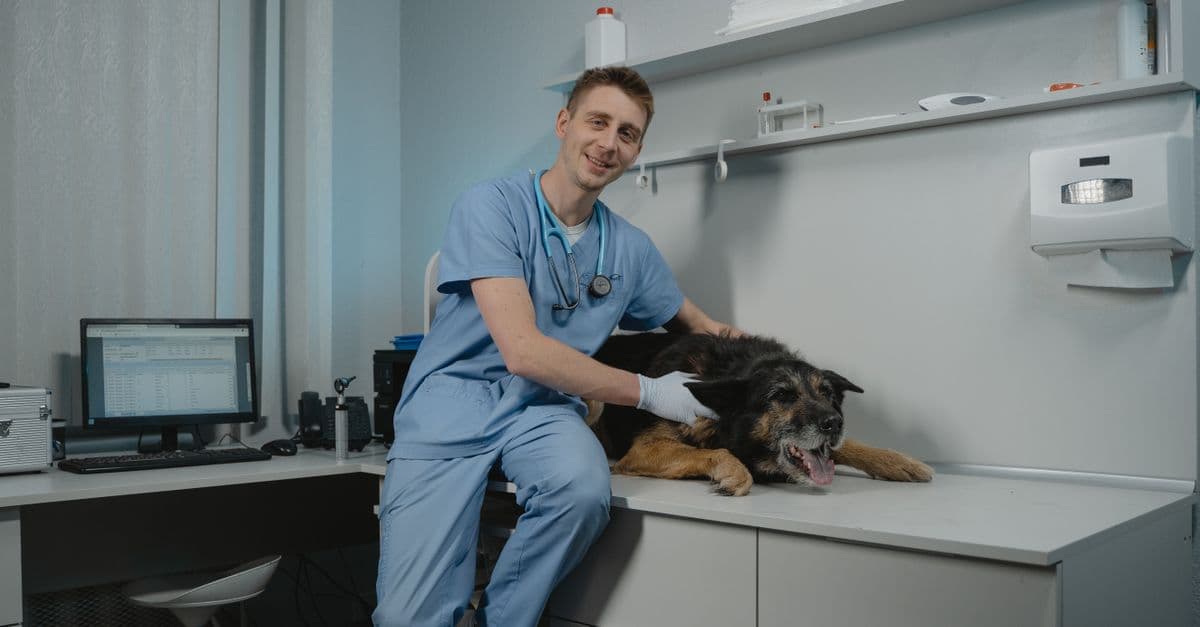
Veterinary Dermatology Case Advisor
Analyze veterinary dermatology cases and generate evidence-based treatment plans
What You Can Do
You can submit complex dermatology cases with clinical findings, diagnostic test results, and medical history to receive comprehensive differential diagnoses ranked by likelihood. The skill generates detailed treatment protocols with drug selection, dosing regimens, and monitoring recommendations. You also get customizable client-facing educational materials explaining conditions and treatment approaches in accessible language.
Features
Analyzes clinical presentation, diagnostic findings, and patient history to generate ranked differential diagnoses with evidence-based probability scoring based on epidemiology and clinical patterns.
Creates evidence-based treatment plans including first-line and alternative therapies, specific drug dosing for various patient weights, duration of treatment, and monitoring intervals.
Explains the clinical reasoning behind diagnostic recommendations including when to pursue additional testing (culture, biopsy, serology) and how to interpret results.
Generates owner-facing handouts explaining the diagnosed condition, treatment expectations, prognosis, and home care instructions in accessible, non-technical language.
Evaluates treatment success likelihood based on case factors, expected timeline to improvement, and risk factors that may complicate recovery.
Helps format case information for medical records, creating organized summaries of diagnosis, treatment plan, and follow-up recommendations for documentation purposes.
Identifies potential drug interactions and contraindications in proposed treatment protocols, especially for patients on concurrent medications or with comorbidities.
Example Output
Case Input: 3-year-old Golden Retriever with chronic otitis externa, recurrent pyoderma, and pruritus since 1 year. Skin scrapings negative for mites. Fungal culture pending.
Differential Diagnoses:
- Atopic Dermatitis (65% confidence) - breed predisposition, seasonal pattern, age of onset
- Food Allergy (20% confidence) - year-round pruritus, gastrointestinal signs possible
- Malassezia Dermatitis (10% confidence) - secondary to atopy, recurrent pyoderma
- Sarcoptes scabiei (5% confidence) - less likely given negative scrapings
Treatment Protocol:
- First-line: Cyclosporine 5mg/kg PO BID for 4 weeks, then taper to lowest effective dose
- Symptomatic: Cetirizine 1mg/kg PO BID during acute flares
- Topical: Medicated shampoo with chlorhexidine/miconazole twice weekly for 4 weeks
- For active pyoderma: Amoxicillin-clavulanate 22mg/kg BID for 21 days
- Recheck: 2 weeks (clinical assessment), 4 weeks (prognosis scoring)
Client Handout: Golden Retrievers commonly develop allergies as they age. These can be to pollen, dust, or certain foods. Your dog is scratching and getting ear and skin infections because of an allergic reaction. We're starting medications to calm the immune response and antibiotics to treat the current infection.
What's Included
- Differential Diagnosis Framework: Structured assessment of clinical signs, patient signalment, and diagnostic findings to generate prioritized differentials with reasoning for each diagnosis.
- Evidence-Based Treatment Protocols: Detailed treatment plans with specific drugs, dosing calculations for different patient weights, duration recommendations, and monitoring schedules based on current veterinary literature.
- Client Education Templates: Customizable handouts for owners explaining the diagnosis, treatment timeline, home care requirements, and what to watch for, written in accessible language.
- Diagnostic Decision Support: Guidance on which diagnostics to pursue next, how to interpret results, and when additional testing (allergy testing, biopsy) is warranted versus when you can proceed with treatment.
- Drug Interaction Database: Real-time checking of proposed treatment protocols against common veterinary medications to identify contraindications, interactions, and dosing considerations.
- Case Documentation Templates: Structured formats for organizing case information, diagnostic findings, and treatment plans to streamline medical record documentation.
Who It's For
- Veterinary Dermatologists
- General Practice Veterinarians
- Veterinary Students and Residents
- Veterinary Technicians in Specialty Clinics
Best For
- Complex multi-system dermatology cases with unclear diagnoses
- Treatment planning for chronic allergic skin disease
- Secondary infection management in dermatology cases
- Client education and expectation setting
- Continuing education and case review
You might also like
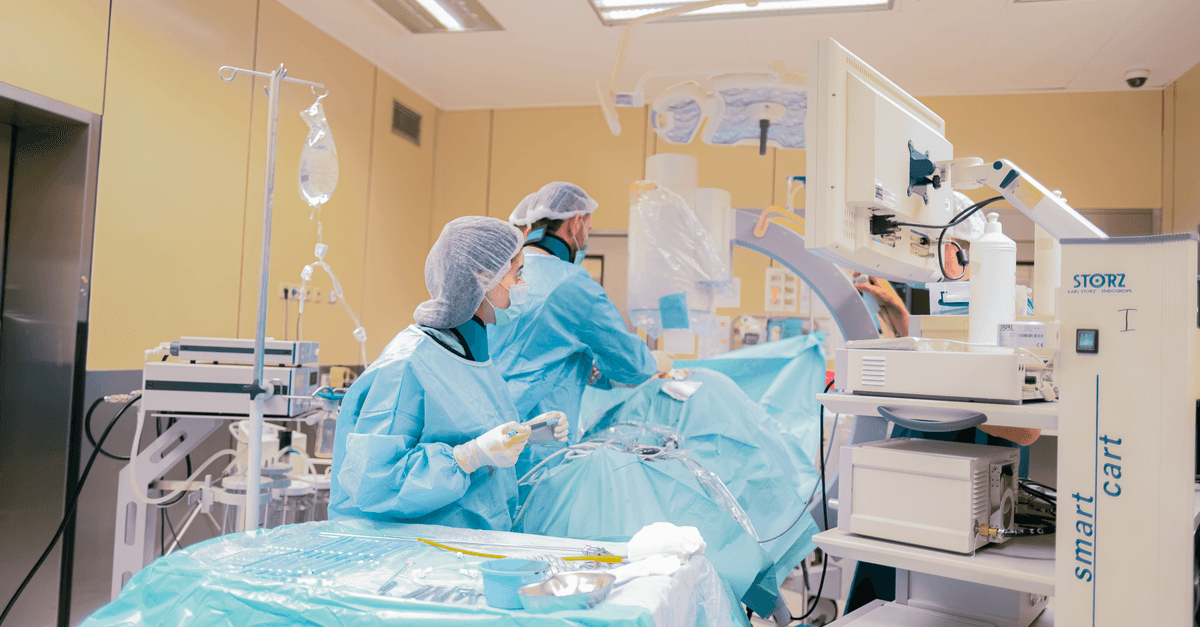
You receive comprehensive anesthesia support from pre-operative assessment through recovery planning. The skill helps you select appropriate anesthesia protocols based on patient factors, calculate precise drug dosages for your specific cases, and identify risk factors before surgery begins. You get real-time intra-operative guidance and evidence-based recommendations for monitoring and managing complications.
 by russell-cell
This skill provides veterinary surgeons with real-time decision support throughout the surgical journey, from initial case planning through final documentation. You can access anatomically informed recommendations, complication management protocols, and evidence-based techniques tailored to your patient's specific condition and clinical needs. Every consultation generates detailed, actionable guidance that enhances surgical outcomes and creates comprehensive case records.
by russell-cell
Aggregate performance metrics across all your business locations and generate unified analysis. Compare regional performance, identify top and bottom performers, spot trends, and create executive dashboards that reveal where to focus improvement efforts. Claude transforms raw data from multiple sources into clear, comparative insights.
by russell-cell
Generate comprehensive surgical protocols that standardize procedures across your surgical team. This skill helps you document pre-operative, intra-operative, and post-operative workflows, create role-specific checklists, and ensure consistent safety standards. You can rapidly prototype new protocols, adapt existing procedures, and maintain version control for protocol updates.
by russell-cell
Generate customized standard operating procedures (SOPs) that address your specific practice workflows, staffing levels, and patient care standards. You'll receive polished, implementable protocols for everything from patient intake to emergency procedures that your entire team can follow consistently. These SOPs reduce errors, improve client satisfaction, and establish scalable systems as your practice grows.
by russell-cell
You can audit and standardize operations, compliance protocols, and team performance across all your veterinary clinic locations simultaneously. This skill helps you create consistent Standard Operating Procedures (SOPs), track compliance metrics, benchmark staff performance, and identify operational bottlenecks across your multi-location practice. You'll gain visibility into financial performance, inventory management, and quality metrics across all clinics, enabling data-driven decisions that improve profitability and patient care consistency.
by russell-cell
You receive comprehensive pre-operative risk assessments and structured post-operative care protocols tailored to your specific dental cases. This skill systematically evaluates surgical candidates, documents pathology with standardized dental charting, develops multimodal pain management plans, and creates client-ready discharge instructions that reduce post-operative complications and improve recovery outcomes.
by russell-cell
Generate systematic diagnostic workflows that organize clinical findings, build evidence-weighted differential diagnosis lists, and produce comprehensive case documentation. You provide structured guidance on differential diagnosis development, clinical reasoning frameworks, and test prioritization based on presenting signs and patient history. This skill helps you move from initial presentation through systematic problem-solving to actionable clinical decision-making.
by russell-cell