

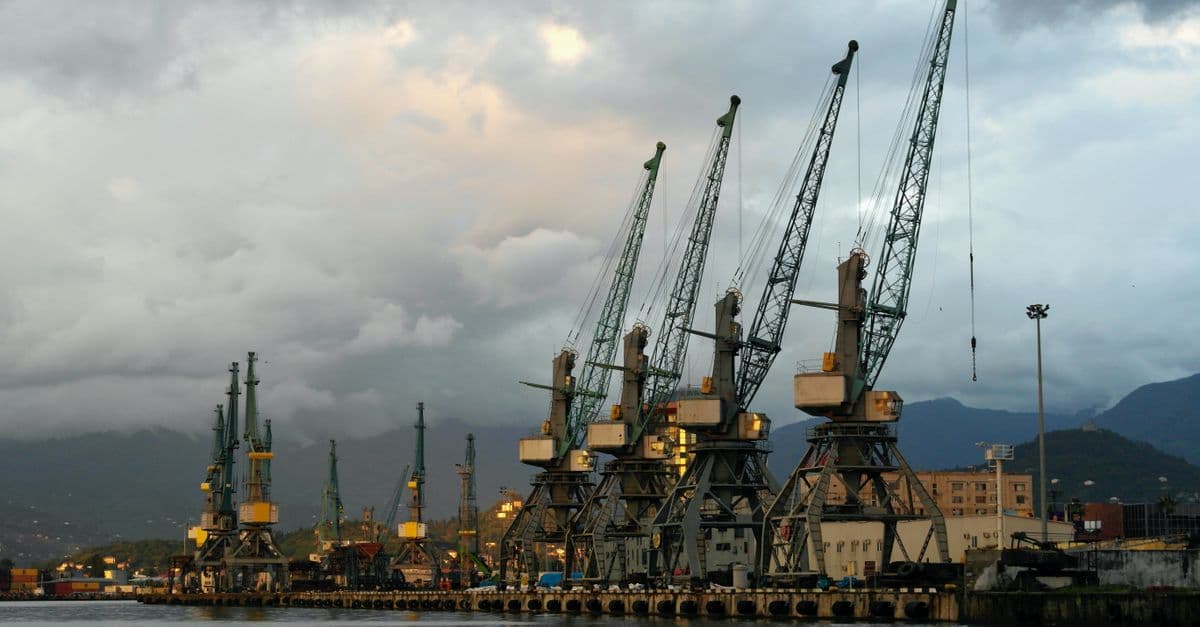
Bulk Cargo Operations Planning and Optimization
Optimize bulk cargo routes, loads, and schedules in minutes
What You Can Do
You can generate complete cargo operations plans, calculate optimal loading configurations, verify regulatory compliance, and forecast capacity across multiple vessels. Claude analyzes vessel specs, commodity constraints, port conditions, and cost factors to deliver detailed operations schedules with cost breakdowns and risk assessments.
Features
Calculate efficient shipping routes considering port availability, weather patterns, fuel costs, and delivery deadlines to minimize voyage time and operating expenses.
Generate detailed cargo loading sequences with weight distribution, stability calculations, and trim specifications to meet vessel requirements and commodity handling rules.
Break down total voyage costs including fuel, port fees, labor, insurance, and compliance expenses with per-ton cost metrics for profitability decisions.
Validate cargo plans against international maritime regulations, hazmat classifications, stowage codes, and destination port restrictions automatically.
Project vessel utilization rates, identify bottlenecks, and recommend equipment adjustments based on historical cargo volumes and seasonal demand patterns.
Model arrival times, berth allocations, and demurrage risks across multiple ports and vessels to minimize waiting periods and port congestion penalties.
Generate fallback loading configurations and alternative routes when primary constraints change (weather delays, equipment failures, sudden demand shifts).
Example Output
Route Optimization Output
Voyage: Shanghai -> Rotterdam -> Hamburg
Primary Route: Suez Canal via Port Said
Alternate Route: Cape of Good Hope (15 days longer, 12% fuel savings)

Recommended: Primary Route
- Total Voyage Cost: $287,450
- Estimated Transit Time: 31 days
- Fuel Cost: $145,200
- Port Fees: $68,300
Loading Plan
Vessel: Panamax Bulker (82,000 DWT)

Cargo Distribution:
- Hold 1: 18,500 mt Iron Ore (Port Said discharge: 8,000 mt)
- Hold 2: 22,300 mt Coal (Hamburg discharge: 22,300 mt)
- Hold 3: 19,200 mt Grain (Rotterdam discharge: 19,200 mt)

Stability Check: ✓ GM = 2.8m (Acceptable)
Trim: Even keel (balanced)
Cost Breakdown Per Ton
| Component | Cost | Per Ton |
|---|---|---|
| Fuel | $145,200 | $2.18 |
| Port Fees | $68,300 | $1.03 |
| Labor/Handling | $42,150 | $0.63 |
| Insurance | $21,800 | $0.33 |
| Total | $287,450 | $4.33 |
What's Included
- Route Calculation Framework: Templates for analyzing port-to-port distances, fuel consumption rates, and cost optimization across major shipping lanes and seasonal conditions.
- Load Planning Checklist: Structured worksheet for verifying cargo compatibility, calculating weight distribution, confirming stowage factors, and validating stability requirements.
- Compliance Verification Templates: Reference sheets for hazmat codes, port regulations by destination, vessel class restrictions, and maritime authority requirements for your cargo types.
- Cost Estimation Model: Spreadsheet framework for calculating fuel consumption, port tariffs, labor costs, and insurance premiums with sensitivity analysis tools.
- Scenario Simulation Tool: Prompts and workflows for modeling delays, alternate routes, equipment failures, and demand changes to prepare contingency schedules in advance.
Who It's For
- Cargo Planners
- Ship Operations Managers
- Logistics Coordinators
- Fleet Schedulers
- Port Operations Directors
Best For
- Designing optimal voyage routes
- Calculating cargo loading sequences
- Estimating voyage profitability
- Verifying regulatory compliance
- Planning contingency schedules
You might also like

You get expert design critique and optimization recommendations for small watercraft projects, from initial concept sketches to detailed plans. Claude analyzes your designs for hydrodynamic efficiency, structural integrity, material optimization, and buildability, then provides specific improvements to reduce weight, improve performance, and ensure seaworthiness.
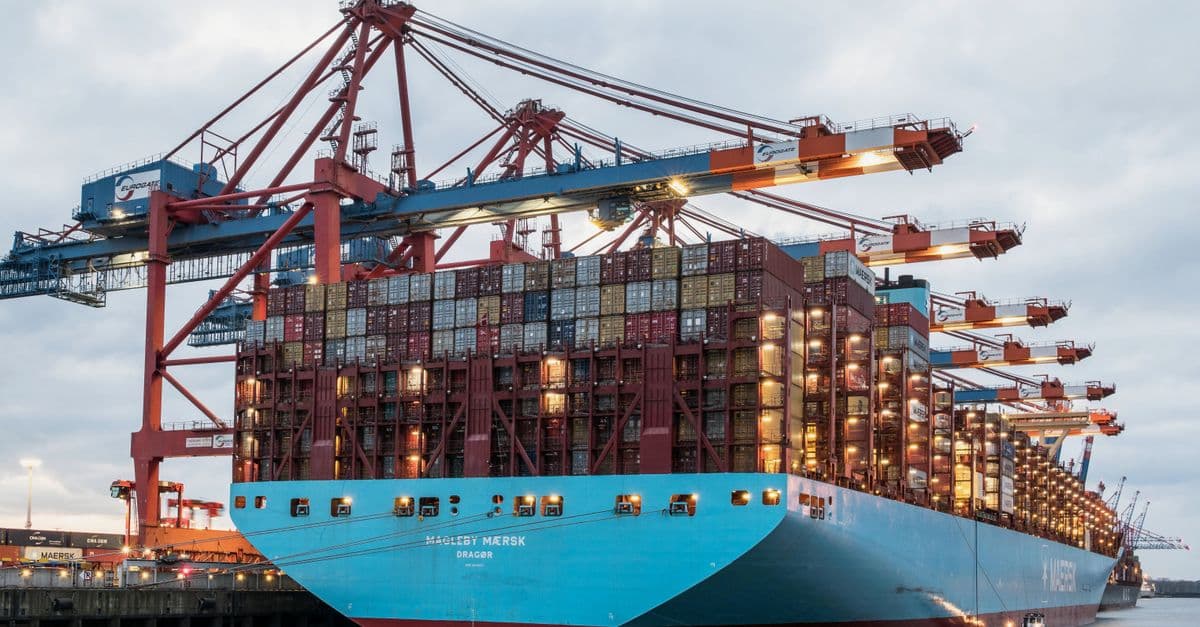
This skill rapidly analyzes ship hulls for hydrodynamic performance, stability characteristics, and maritime regulatory compliance. You provide hull geometry data, design parameters, or vessel specifications, and Claude performs comprehensive assessments including resistance predictions, stability calculations, and compliance checks against IMO and classification society standards. Accelerate your design iteration cycles by automating preliminary analysis that normally requires specialized software and weeks of external consultant review.

You can accelerate the preliminary design phase of shipbuilding projects by analyzing design briefs against regulatory standards, evaluating hull resistance and propulsion requirements, and generating technical compliance documentation. This skill helps naval architects and marine engineers validate design concepts early, identify compliance gaps before detailed design begins, and produce documentation suitable for regulatory review boards and client presentations.
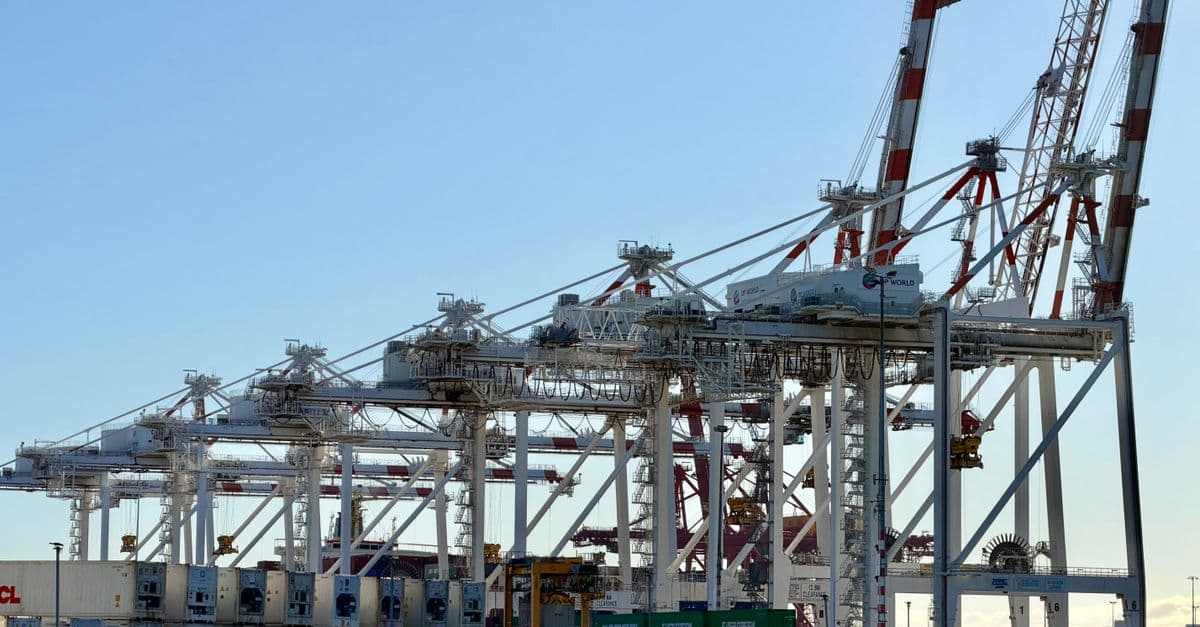
Analyze vessel schedules, berth assignments, crane utilization, and gate throughput data to identify operational bottlenecks and performance gaps. Claude helps you generate optimization recommendations, forecast terminal capacity constraints, and prioritize improvements based on impact. You make faster, more informed operational decisions backed by real performance analysis.

Accelerate marine propulsion and auxiliary system design by automating FMEA analysis, validating against IMO and classification society standards, and generating comprehensive risk assessments. You'll receive structured failure mode identification, severity/occurrence/detectability scoring, and regulatory compliance documentation that meets international maritime requirements.

You can input your small craft specifications, blueprints, or design parameters and receive detailed technical analysis, regulatory compliance documentation, and comprehensive design reports. The skill generates specification sheets, material recommendations, performance calculations, and safety documentation tailored to your vessel type and intended use.
Analyze complex hull design trade-offs between performance metrics like stability, speed, and fuel efficiency. Validate your designs against maritime regulations including IMO SOLAS, MARPOL, and flag state requirements. Generate comprehensive design documentation and performance optimization recommendations to support faster, data-driven decision-making throughout your design cycle.
You can create comprehensive turnaround plans that optimize crew changes, passenger logistics, and vendor coordination while meeting port compliance requirements. This skill helps you manage multiple operational streams in parallel, anticipate delays, and maintain clear communication with all stakeholders involved in cruise ship port visits.