


Veterinary Internal Medicine: Differential Diagnosis Assistant
Generate systematic differential diagnoses for veterinary internal medicine cases
What You Can Do
Accelerate clinical decision-making by inputting patient data (signalment, clinical signs, lab work, imaging findings) and receiving a ranked list of evidence-based differential diagnoses. You get probability-weighted differentials organized by affected organ system, supporting clinical evidence, and actionable diagnostic next steps for each diagnosis.
Features
Input patient signalment, clinical signs, disease duration, progression, and complete diagnostic findings to build a comprehensive clinical picture
Receive diagnoses ordered by likelihood based on prevalence, patient demographics, and clinical presentation patterns
Differentials organized by primary affected organ system (GI, hepatic, renal, hematologic, immune, etc.) for focused clinical reasoning
Each diagnosis includes specific supporting findings from your case data plus key clinical signs that would confirm or rule out the condition
Specific recommendations for next diagnostic steps for each differential including expected sensitivity, specificity, and clinical utility
Empirical treatment options for top differentials including drug selection, dosing considerations, and monitoring parameters
Automatic consideration of patient signalment, genetic predispositions, and breed-specific conditions in differential generation
Learn the reasoning pathway for each case with connections between clinical signs and differential considerations
Example Output
Case: 3-year-old Labrador with vomiting and lethargy
Top Differentials by Probability:
1. Acute Gastroenteritis (40% likelihood)
- Supporting: Acute onset, diarrhea present, normal bloodwork, negative imaging
- Next test: Fecal flotation if diarrhea persists >5 days, consider GI ultrasound if non-responsive
- Treatment: IV fluid support, dietary modification, antiemetics as needed
2. Pancreatitis (25% likelihood)
- Supporting: Vomiting plus lethargy, elevated lipase, abdominal pain on palpation
- Next test: Pancreatic lipase immunoreactivity (PLI), abdominal ultrasound, amylase
- Treatment: NPO, IV fluids, pain management, pancreatitis-specific diet
3. Hepatic dysfunction (20% likelihood)
- Supporting: Lethargy prominent, elevated liver enzymes, possible icterus
- Next test: Bile acids, PT/PTT, abdominal ultrasound, liver function panel
- Treatment: Supportive care, hepatoprotective agents, address underlying etiology
4. Foreign body (10% likelihood)
- Supporting: Acute onset, persistent vomiting, imaging findings suggestive
- Next test: Endoscopy or CT imaging if ultrasound inconclusive
- Treatment: Surgical removal if confirmed
What's Included
- Differential diagnosis engine: AI-powered system that systematically generates ranked differentials based on your clinical data
- Clinical data parsing protocol: Structured format for inputting signalment, clinical signs, lab results, imaging findings, and disease timeline
- Diagnostic decision trees: Step-by-step guidance for narrowing differentials with specific diagnostic recommendations for each branch
- Treatment protocol templates: Evidence-based treatment options, dosing considerations, and monitoring parameters for top-ranked diagnoses
- Clinical reasoning explanations: Detailed justification for differential ranking based on your specific case data and clinical findings
- Veterinary reference standards: Integration with current internal medicine principles, diagnostic accuracy data, and treatment guidelines
Who It's For
- Small animal veterinarians
- Veterinary internal medicine specialists
- Emergency and critical care veterinarians
- Veterinary students and residents
- Veterinary clinic and hospital teams
Best For
- Complex multi-system cases
- Atypical or unusual presentations
- Treatment-resistant conditions
- Teaching and case review
- Rapid diagnostic triage decisions
You might also like
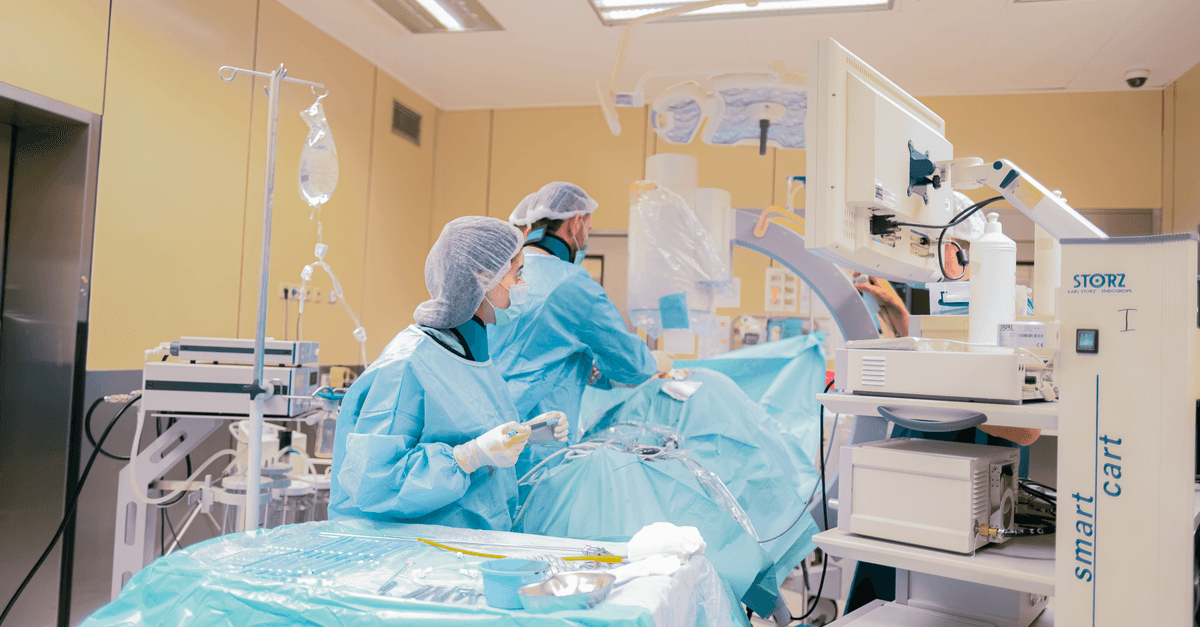
You receive comprehensive anesthesia support from pre-operative assessment through recovery planning. The skill helps you select appropriate anesthesia protocols based on patient factors, calculate precise drug dosages for your specific cases, and identify risk factors before surgery begins. You get real-time intra-operative guidance and evidence-based recommendations for monitoring and managing complications.
 by russell-cell
This skill provides veterinary surgeons with real-time decision support throughout the surgical journey, from initial case planning through final documentation. You can access anatomically informed recommendations, complication management protocols, and evidence-based techniques tailored to your patient's specific condition and clinical needs. Every consultation generates detailed, actionable guidance that enhances surgical outcomes and creates comprehensive case records.
by russell-cell
Aggregate performance metrics across all your business locations and generate unified analysis. Compare regional performance, identify top and bottom performers, spot trends, and create executive dashboards that reveal where to focus improvement efforts. Claude transforms raw data from multiple sources into clear, comparative insights.
by russell-cell
Generate comprehensive surgical protocols that standardize procedures across your surgical team. This skill helps you document pre-operative, intra-operative, and post-operative workflows, create role-specific checklists, and ensure consistent safety standards. You can rapidly prototype new protocols, adapt existing procedures, and maintain version control for protocol updates.
by russell-cell
Generate customized standard operating procedures (SOPs) that address your specific practice workflows, staffing levels, and patient care standards. You'll receive polished, implementable protocols for everything from patient intake to emergency procedures that your entire team can follow consistently. These SOPs reduce errors, improve client satisfaction, and establish scalable systems as your practice grows.
by russell-cell
You can audit and standardize operations, compliance protocols, and team performance across all your veterinary clinic locations simultaneously. This skill helps you create consistent Standard Operating Procedures (SOPs), track compliance metrics, benchmark staff performance, and identify operational bottlenecks across your multi-location practice. You'll gain visibility into financial performance, inventory management, and quality metrics across all clinics, enabling data-driven decisions that improve profitability and patient care consistency.
by russell-cell
You receive comprehensive pre-operative risk assessments and structured post-operative care protocols tailored to your specific dental cases. This skill systematically evaluates surgical candidates, documents pathology with standardized dental charting, develops multimodal pain management plans, and creates client-ready discharge instructions that reduce post-operative complications and improve recovery outcomes.
by russell-cell
Generate systematic diagnostic workflows that organize clinical findings, build evidence-weighted differential diagnosis lists, and produce comprehensive case documentation. You provide structured guidance on differential diagnosis development, clinical reasoning frameworks, and test prioritization based on presenting signs and patient history. This skill helps you move from initial presentation through systematic problem-solving to actionable clinical decision-making.
by russell-cell