


Sustainable Building Material Selector
Compare sustainable building materials by embodied carbon, cost, and certifications
What You Can Do
This skill systematically compares building materials across environmental, economic, and performance criteria to support evidence-based specification decisions. You'll analyze embodied carbon inventories, assess certified sustainable options, evaluate regional sourcing feasibility, and generate material justifications aligned with LEED v4.1, Fitwel, and Living Building Challenge frameworks. It synthesizes Environmental Product Declarations (EPDs), manufacturer data, cost databases, and local sourcing information into comparative matrices ready for client presentations and contractor RFQs.
Features
compares lifecycle carbon emissions across material options with EPD data
projects total cost of ownership including material, installation, maintenance, and end-of-life impacts
identifies materials meeting LEED credits, Living Building Challenge petal requirements, Declare labels, and other third-party certifications
evaluates transportation emissions and local material availability to minimize supply chain carbon
generates side-by-side tables ranking alternatives by carbon, cost, durability, and performance metrics
creates narrative justifications for material selections tied to project sustainability goals
builds project-specific material libraries with environmental performance data for consistent specification
suggests lower-carbon substitutes for conventional materials with performance trade-off analysis
Example Output
Material Comparison Matrix for Structural Insulation:
| Material | Embodied Carbon (kg CO2e/m²) | Lifecycle Cost ($/m²) | R-Value | LEED Credits | Sourcing |
|---|---|---|---|---|---|
| Fiberglass batts | 8.2 | $12 | 3.2 | MR Credit | Regional supply |
| Mineral wool | 6.1 | $18 | 3.4 | MR Credit + IEQ | Regional supply |
| Cork composite | 2.3 | $28 | 3.0 | MR Credit + RECs | EU import |
| Recycled denim | 1.8 | $22 | 3.1 | MR Credit + Declare | Local availability |
Recommendation: Cork composite reduces embodied carbon by 72% vs. fiberglass with superior durability. Living Building Challenge compliance requires 90% recycled content; recommend denim alternative with local sourcing to eliminate transport emissions.
Flooring Material Palette (for residential renovation):
- ✓ FSC-certified oak: 4.2 kg CO2e/m², Declare label pending
- ✓ Cork tiles: 2.1 kg CO2e/m², recycled backing 85%
- ✓ Reclaimed wood (local salvage): 0.3 kg CO2e/m², zero embodied carbon from reuse
What's Included
- SKILL.md instruction file with complete material evaluation framework:
- Material Comparison Template: spreadsheet structure for embodied carbon, cost, and certification tracking across 10+ alternatives
- EPD Research Checklist: step-by-step guide to sourcing and validating Environmental Product Declarations
- LEED/Living Building Challenge Mapping Worksheet: material-to-credit cross-reference for common building components
- Specification Justification Template: pre-structured narrative format for client proposals and certification submissions
Who It's For
- Architects specializing in sustainable design and green building certification
- Specification writers managing material selection for LEED, Living Building Challenge, or Fitwel projects
- Building envelope consultants evaluating insulation, cladding, and fenestration alternatives
- Project managers leading value engineering with environmental performance objectives
- Sustainable design consultants supporting material research for client presentations
Best For
- Material research and comparison for new construction or deep energy retrofits
- Justifying material selections for green building certification submissions
- Early-stage design phase material palette development with sustainability metrics
- Evaluating regional sourcing options to minimize transportation carbon
- Preparing material specifications and contractor RFQs with environmental performance criteria
You might also like

Query your local Screenpipe instance to retrieve screen recordings, audio transcriptions, UI element accessibility trees, keyboard/mouse input logs, and productivity analytics. You can search by keywords, filter by content type (audio, OCR, accessibility, input), set time ranges, and extract structured data about your applications, meetings, and work sessions without sending data to external servers.
 by az9713
You can submit architectural design documents, floor plans, and project parameters to receive a comprehensive compliance analysis that cross-references IBC, local amendments, zoning ordinances, and ADA accessibility requirements. Claude identifies specific gaps, cites applicable code sections, explains why each gap matters, and provides concrete remediation strategies—all before formal design review submission when corrections are costly and schedule-impacting.
by az9713
You can leverage Claude to synthesize regional seismic hazard data from authoritative sources (USGS maps, published studies), interpret probabilistic versus deterministic earthquake scenarios, and analyze how site conditions modify ground motions. Claude helps you justify seismic design parameters to clients and regulators, evaluate liquefaction and earthquake-induced landslide risks, and develop defensible recommendations aligned with ASCE 7 and current guidelines—accelerating report preparation without replacing specialized geotechnical software.
by az9713
You systematically evaluate your internal developer platform across dimensions like onboarding, deployment, tooling, and documentation to identify quantifiable friction points. Claude analyzes your platform's usability, creates a friction scoring matrix, and generates a prioritized improvement roadmap ranked by team impact and implementation effort. You get a data-driven strategy to reduce developer toil and accelerate delivery.
by az9713
You can conduct rigorous architectural design reviews that verify compliance with building codes, accessibility standards, energy regulations, and client requirements. The skill produces evidence-based, severity-ranked findings with specific remediation recommendations and regulatory citations, enabling you to identify issues before design phase submission or construction document preparation.
by az9713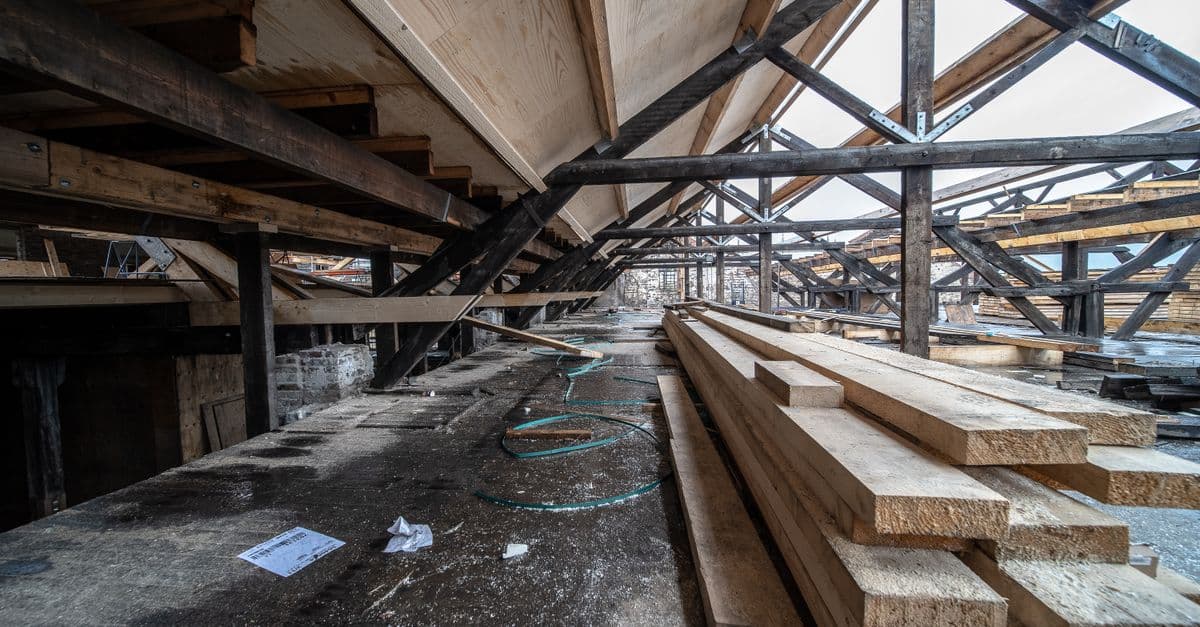
This skill enables you to rapidly produce structural analyses for timber members, including bending, shear, compression, and combined stress calculations. You can determine lateral load capacity for shear walls, design connections, evaluate code compliance against NDS standards, assess serviceability limits, and generate calculation frameworks suitable for permit submission and engineer stamping.
by az9713
Design earth retention systems by inputting soil properties, site geometry, and regulatory requirements. Claude calculates lateral earth pressures using Coulomb, Rankine, and Mononobe-Okabe methods, verifies factors of safety for internal and external stability, compares competing retention concepts (gravity walls, cantilever, anchored, sheet-pile, soil-nail), and generates cost-benefit analysis and regulatory documentation packages ready for permit submission.
by az9713
You can accelerate HVAC design workflows by inputting building parameters—envelope characteristics, occupancy data, climate conditions, and existing systems—and receiving calculated heating/cooling loads, equipment sizing recommendations, and zone-by-zone analysis. Claude organizes complex building data into actionable design parameters and specification summaries for client review, permit submission, and professional validation against ASHRAE and ACCA standards.
by az9713