

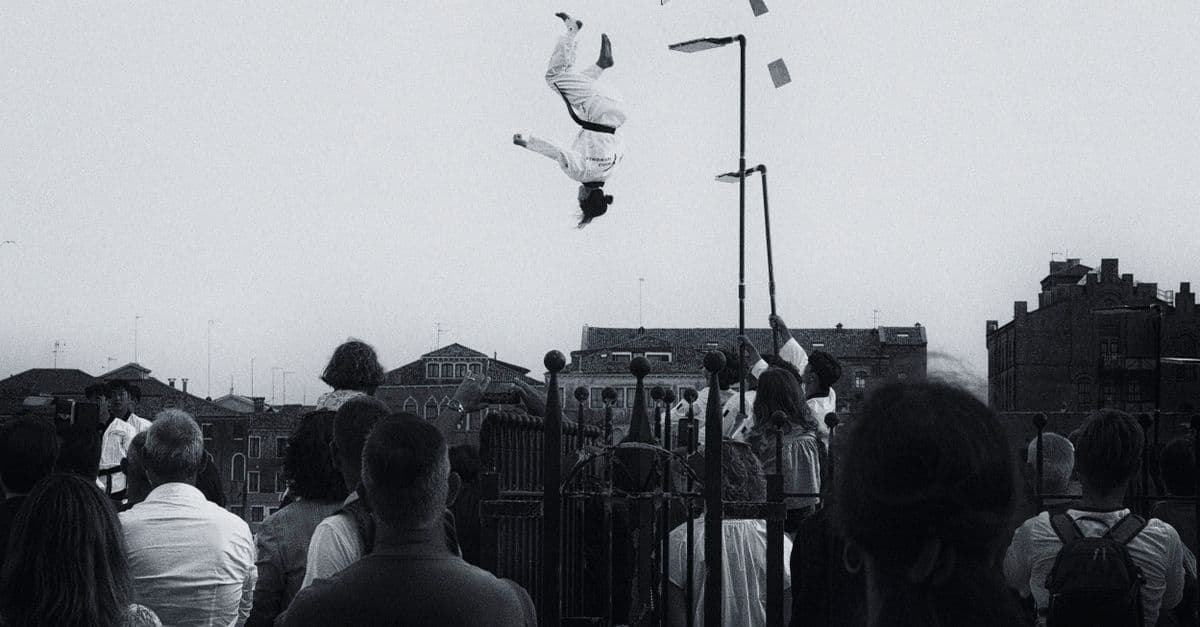
Stunt Action Sequence Builder
Transform screenplays into production-ready stunt breakdowns with safety protocols
What You Can Do
You'll transform vague screenplay action descriptions into comprehensive stunt breakdowns that specify camera angles, performer positioning, safety protocols, required equipment, and take-by-take choreography. This skill bridges the gap between creative intent and practical execution, enabling stunt coordinators, safety personnel, and camera operators to work from the same detailed reference—reducing ambiguity, accelerating shoot schedules, and minimizing liability on high-risk sequences.
Features
Converts screenplay descriptions into numbered shots with specific camera angles, performer positions, and choreography cues
Identifies hazards, establishes safety zones, and specifies protective equipment and medical standby requirements
Details rigging, vehicles, props, pyrotechnics, and specialized gear needed for each sequence element
Creates spatial layouts showing stunt performer placement, camera positioning, and safety perimeter boundaries
Develops weather alternatives, injury protocols, and fallback execution methods for high-risk sequences
Generates one-page crew briefs summarizing sequence flow, key risks, and departmental responsibilities
Estimates rehearsal time, identifies prerequisite skills, and flags sequences requiring pre-shoot practice
Compiles hazard summaries and risk assessments suitable for production insurance and liability tracking
Example Output
Input: "Sarah chases the suspect across rooftops, jumping between buildings, then slides down a fire escape."
Output:
SEQUENCE: Rooftop Chase & Escape (3 days, 12 shots)
SHOT 1-2: Building approach & climb
- Performer: Stunt double (parkour trained)
- Camera: Crane, 40ft height, tracking medium shot
- Safety: Harness rigged to building anchor, spotter on roof
- Equipment: Roof access permit, safety net 15ft below
SHOT 3-5: Rooftop jump sequence (2-story gap)
- Performer: Stunt double with advanced air awareness
- Camera: Two angles—crane wide shot + ground-level catch angle
- Safety: Landing pad (crash pad + air bag), harness backup, medical team with spinal injury protocols
- Equipment: 12x24ft landing surface, ambulance on standby
SHOT 6-8: Fire escape descent
- Performer: Stunt double (experienced with platform work)
- Camera: Side-angle handheld tracking down 4 flights
- Safety: Guardrail inspection, non-slip surface treatment, spotter on escape platform
- Equipment: Fire escape structural engineer sign-off
Crew Briefing Highlights:
- Stunt coordinator oversees all rigging & performer blocking (Day 1: 6 hours rehearsal)
- Safety officer inspects roof load limits & fire escape integrity before shoot
- Medical team (paramedic + AED) positioned on ground throughout sequences
- Weather contingency: Rain shuts down rooftop work immediately
What's Included
- SKILL.md instruction file with breakdown methodology and safety frameworks:
- Sequence breakdown template: Shot-by-shot format with camera/performer/safety/equipment sections
- Safety protocol checklist: Hazard identification, risk levels, and required mitigations
- Equipment requirement matrix: Standardized list mapping sequence elements to gear needs
- Crew briefing one-sheet template: One-page format for quick onset distribution
- Rehearsal time estimator: Guidelines for scheduling practice based on sequence complexity
Who It's For
- Stunt Coordinators — Planning and documenting action sequences for safe, efficient onset execution
- Safety Supervisors/Coordinators — Developing hazard assessments and injury prevention protocols
- First Assistant Directors — Estimating scheduling and resource allocation for stunt-heavy shooting days
- Production Managers — Budgeting equipment, crew, and contingency time for complex action sequences
- Directors — Understanding practical execution feasibility and logistics before committing to screenplay sequences
Best For
- Car chases and vehicle sequences — Breaking down multi-angle shots, performer safety, and rigging requirements
- Rooftop and high-fall sequences — Mapping landing zones, harness systems, and medical protocols
- Fights and hand-to-hand combat — Choreographing performer positioning, impact angles, and camera framing
- Pyrotechnic and explosion sequences — Documenting burn zones, blast radius safety, and performer distance requirements
- Water and underwater stunts — Establishing diver safety, equipment needs, and rescue team positioning
You might also like

You can rapidly conduct script breakdowns that isolate key production needs, anticipate scheduling bottlenecks, and identify directorial challenges specific to episodic television timelines. This skill translates script analysis into clear technical and creative briefs for your department heads, ensuring alignment on blocking, special requirements, and shot prioritization before principal photography begins.

You can generate detailed budget breakdowns tailored to independent film production realities, including realistic contingencies, cost-optimization strategies, and investor-friendly categorization. The skill handles incomplete crew information, creative role combinations, and multi-source financing scenarios—producing budgets that lenders and equity investors trust for securing financing packages.

You can convert creative briefs into 3-5 distinct visual direction options complete with mood boards, color palettes, and art direction specifications within 48-72 hours. The skill helps you reconcile conflicting stakeholder preferences, establish design hierarchies that reinforce brand messaging, and identify practical production constraints before costly set construction begins. You'll generate presentation-ready assets that demonstrate how product placement, lighting, set dressing, and color strategy work together to achieve commercial objectives.

You can convert TV scripts into comprehensive production breakdowns that identify every requirement—cast, locations, effects, equipment, and crew days—and translate them into detailed department budgets. This skill captures TV-specific variables like episode length, multi-camera vs. single-camera formats, and weekly production cycles to produce line-item budgets suitable for internal planning and investor presentations.
You can generate comprehensive series bibles tailored to specific streaming platforms (Netflix, Apple TV+, Amazon Prime, HBO Max) that position your concept for acquisition while maintaining creative authenticity. The skill accounts for binge-watching patterns, platform-specific content policies, algorithmic hooks, and compressed greenlight timelines that distinguish streaming development from traditional broadcast.
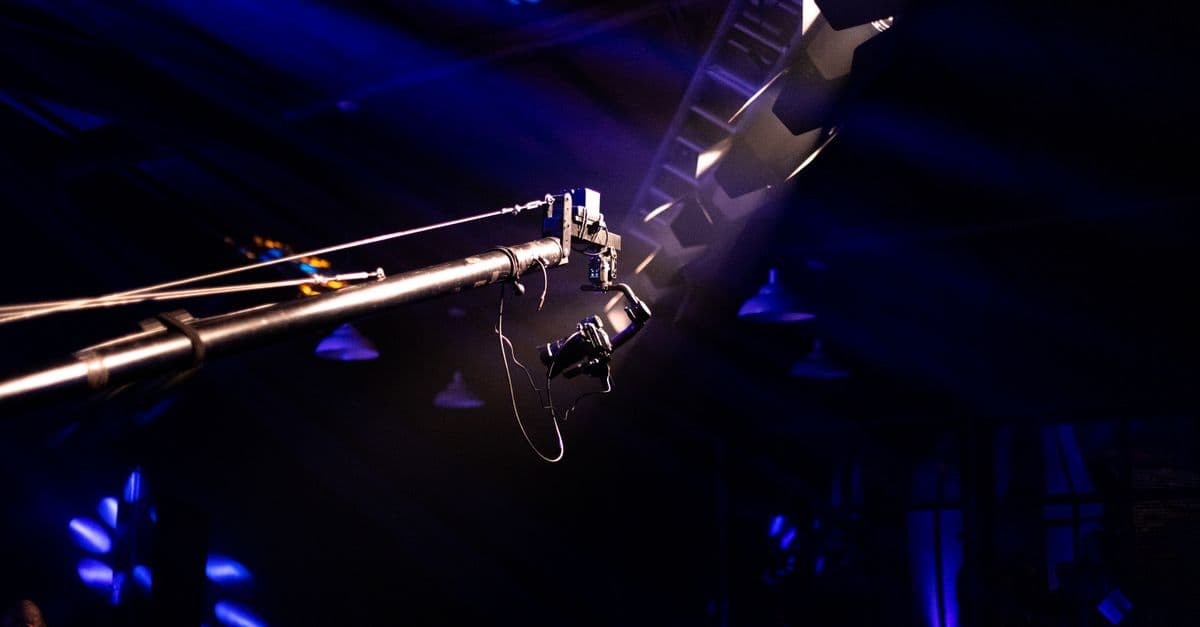
This skill helps you rapidly develop cohesive visual design frameworks for TV episodic content by synthesizing script analysis, production parameters, and visual storytelling principles. You'll create design briefs, mood boards, color palettes, and visual continuity documentation that align department heads around a unified aesthetic while maintaining narrative consistency across episodes and production budgets.
You can feed Claude any commercial script and receive a complete production breakdown that coordinates all departments while respecting budget and timeline constraints. Claude identifies every shot requirement, location need, talent direction, and scheduling opportunity—systematically flagging production challenges and cost-saving strategies that maintain creative impact. This eliminates manual breakdown work and ensures nothing falls through the cracks in compressed pre-production windows.

You can submit wire rig designs, equipment specifications, and stunt parameters to receive detailed safety engineering analysis. Claude calculates actual vs. rated load capacities across multi-point rigging systems, identifies potential failure modes, flags compliance gaps, and generates formal safety reports ready for insurance and film commissions. This transforms conceptual designs into verified safety assessments before rigging setup begins.