


Episodic Script Breakdown & Direction Planning
Break down episodic TV scripts into production-ready directorial briefs

What You Can Do
You can rapidly conduct script breakdowns that isolate key production needs, anticipate scheduling bottlenecks, and identify directorial challenges specific to episodic television timelines. This skill translates script analysis into clear technical and creative briefs for your department heads, ensuring alignment on blocking, special requirements, and shot prioritization before principal photography begins.
Features
identify stunts, VFX, multi-camera sequences, location needs, and special equipment per scene
spotlight emotional beats, character arcs, and creative approaches that shape your visual strategy
create targeted briefs for DP, production designer, stunt coordinator, and other key departments with specific scene requirements
analyze spatial complexity, actor positioning, and technical obstacles that impact shoot time allocation
identify scenes that can be combined by location, lighting setup, or character grouping to optimize schedule efficiency
flag sequences requiring disproportionate shoot days or specialized crew based on script complexity
systematize scouting priorities and construction requirements across the episode
Example Output
Scene 17 — Detective's Office (INT, 3 pages)
Production Requirements:
- Multi-camera dialogue (2 actors, overlapping conversation) — estimate 4-5 setups, 2-3 hours
- Lighting: naturalistic office fluorescents + practical desk lamp
- Special equipment: none
- Location notes: tight office space, minimal furniture movement
Directorial Priorities:
- Emotional climax — character reveals hidden information. Requires close performance focus and coverage favoring reaction shots
- Blocking approach: stationary/minimal movement to emphasize restraint and tension
- Key beats: lines 45-62 (confrontation), 68-73 (vulnerability)
DP Brief: Balanced lighting for dual close-ups; practical lamp must read naturalistic. No elaborate lighting rigs needed — efficient setup.
Production Designer Brief: Establish office authenticity through dressing; no set construction required. Confirm desk stability for actor movement.
Scene 24 — Warehouse Chase (EXT, 2 pages)
Production Requirements:
- Stunt coordination required — one actor jump, two running sequences
- Location: industrial exterior, multi-level (requires safety certification)
- Camera movement: handheld/Steadicam capability
- Special equipment: safety mats, stunt rehearsal time (½ day minimum)
Directorial Priorities:
- Action clarity — audience must track movement through space despite fast cuts
- Blocking: pre-choreographed stunt with 3 camera positions to capture safety angles
Stunt Coordinator Brief: Actor jump ~8 feet onto padded surface. Provide jump rehearsal schedule. Camera positions locked by day-before walk-through.
Schedule Impact: +2 shoot days allocated; cannot consolidate with other scenes.
What's Included
- SKILL.md instruction file with breakdown methodology and scene analysis templates:
- Scene Analysis Template: standardized breakdown form for production requirements, directorial notes, and department briefs
- Department Head Brief Generator: pre-formatted briefs for DP, production designer, stunt coordinator, and key departments
- Shoot Day Allocation Checklist: estimating shoot time per scene based on complexity factors
- Episode Schedule Optimizer Worksheet: consolidating scenes by location, setup, and crew requirements
Who It's For
- Television episodic directors preparing 4-8 weeks before principal photography
- First assistant directors (ADs) coordinating production schedules and department requirements
- Line producers and UPMs requiring detailed production breakdowns for budget and schedule planning
- Production managers building call sheets and location schedules from directorial analysis
- Directing coaches and mentors teaching episodic television production methodology
Best For
- Breaking down new episodic scripts before department head meetings
- Identifying technical challenges (stunts, VFX, complex blocking) early in pre-production
- Creating targeted briefs for specific departments based on scene requirements
- Optimizing shooting schedules by consolidating scenes with matching technical needs
- Flagging scenes requiring additional prep time, location scouts, or specialized equipment
You might also like

You can convert creative briefs into 3-5 distinct visual direction options complete with mood boards, color palettes, and art direction specifications within 48-72 hours. The skill helps you reconcile conflicting stakeholder preferences, establish design hierarchies that reinforce brand messaging, and identify practical production constraints before costly set construction begins. You'll generate presentation-ready assets that demonstrate how product placement, lighting, set dressing, and color strategy work together to achieve commercial objectives.
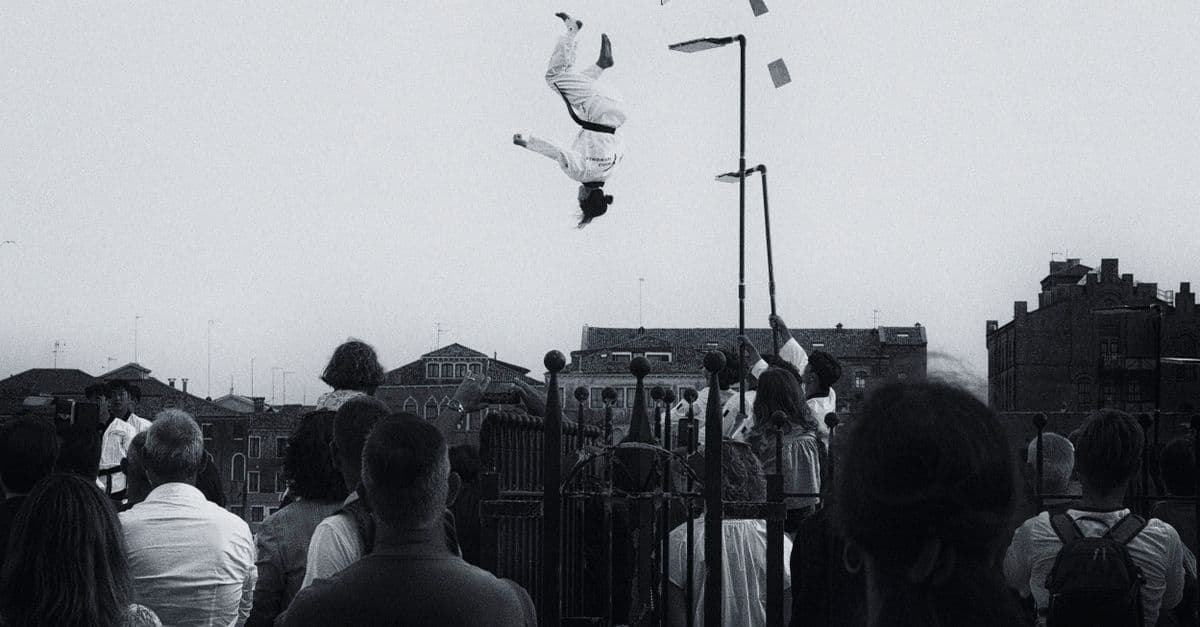
You'll transform vague screenplay action descriptions into comprehensive stunt breakdowns that specify camera angles, performer positioning, safety protocols, required equipment, and take-by-take choreography. This skill bridges the gap between creative intent and practical execution, enabling stunt coordinators, safety personnel, and camera operators to work from the same detailed reference—reducing ambiguity, accelerating shoot schedules, and minimizing liability on high-risk sequences.

You can convert TV scripts into comprehensive production breakdowns that identify every requirement—cast, locations, effects, equipment, and crew days—and translate them into detailed department budgets. This skill captures TV-specific variables like episode length, multi-camera vs. single-camera formats, and weekly production cycles to produce line-item budgets suitable for internal planning and investor presentations.

You can convert raw narrative concepts into fully-structured short-form screenplays engineered for digital platform algorithms and audience retention. This skill helps you identify which story beats are essential versus expendable, optimize your hook for the critical first 3 seconds, and build complete emotional arcs in miniature that treat visual choice as character development. You'll generate production-ready outlines that balance commercial viability with creative intent.
You generate detailed, format-specific delivery specifications that account for codec requirements, loudness standards (LUFS targets), channel configurations, metadata tagging, file naming conventions, and quality assurance checkpoints. This skill produces specifications that are immediately actionable for your sound team while remaining compliant with theatrical (DCP), streaming (Netflix, Apple TV+, Prime Video, Disney+), and broadcast standards—eliminating costly rework and missed distribution windows.
You can synthesize disparate documentary source materials—interview transcripts, archival notes, and footage descriptions—into organized narrative structures. The skill identifies thematic patterns across interviews, diagnoses pacing gaps between segments, reveals missing perspectives or unexplained concepts, and generates multiple narrative approaches before you commit to final assembly. You'll receive actionable editorial recommendations on interview clip prioritization, archival material placement, and optimal reveal sequencing.
Stop wasting hours analyzing properties manually. Compare multiple investment opportunities side-by-side with quantified financial metrics, risk rankings, and strategic recommendations. Get clarity on which properties offer the best returns, cashflow potential, and risk-adjusted value in minutes instead of hours, then confidently place offers on winners.

You can submit wire rig designs, equipment specifications, and stunt parameters to receive detailed safety engineering analysis. Claude calculates actual vs. rated load capacities across multi-point rigging systems, identifies potential failure modes, flags compliance gaps, and generates formal safety reports ready for insurance and film commissions. This transforms conceptual designs into verified safety assessments before rigging setup begins.