

Production Design Visual Narrative Builder
Build cohesive production design briefs and mood boards for TV episodes
What You Can Do
This skill helps you rapidly develop cohesive visual design frameworks for TV episodic content by synthesizing script analysis, production parameters, and visual storytelling principles. You'll create design briefs, mood boards, color palettes, and visual continuity documentation that align department heads around a unified aesthetic while maintaining narrative consistency across episodes and production budgets.
Features
Translate scripts and showrunner vision into detailed, actionable specifications for art departments and construction teams
Develop visual references, color palettes, and aesthetic documentation tied to narrative themes and character arcs
Document design decisions and maintain consistency across multiple episodes, locations, and production weeks
Create psychological and symbolic color strategies that support storytelling while reflecting production constraints
Convert location surveys into concrete design parameters for set dressing and construction
Build presentation-ready narratives explaining visual choices for showrunners, network executives, and international teams
Plan and visualize design changes reflecting character transformation, timeline progression, or thematic development
Develop aesthetically ambitious concepts within production resource constraints
Example Output
Series Design Brief (Fantasy Drama)
- Visual World: Decaying monarchy aesthetic with art deco remnants in marble and brass against overgrown natural elements
- Color Palette: Deep jewel tones (emerald, sapphire, burgundy) accented with gold leaf and weathered stone grays
- Key Locations: Throne room (ornamental decay), characters' quarters (personal taste friction), outdoor scenes (nature reclaiming civilization)
- Design Evolution: Increasing overgrowth and structural damage across 8 episodes to mirror political collapse
Episode-Specific Design Addendum
- New Location: Underground library with candlelit wooden shelving, aged paper textures, dim brass fixtures
- Character Environment: Protagonist's bedroom transforms from formal to personal—adding maps, sketches, worn fabrics
- Visual Continuity Notes: Maintain established gold/green palette; introduce cooler shadows as tension escalates
Mood Board References
- Architectural inspiration: Art deco + gothic revival + botanical chaos
- Material palette: Tarnished brass, cracked marble, moss-covered stone, aged leather bindings
What's Included
- SKILL.md instruction file with full skill workflow:
- Production Design Brief Template: Script-to-specification framework with sections for visual world, color strategy, location specifications, and continuity notes
- Mood Board Framework: Visual reference organization system with color palette, material specifications, and aesthetic mood examples
- Visual Continuity Checklist: Episode-to-episode tracking matrix for set conditions, color consistency, and design evolution
- Design Presentation Outline: Executive summary format for showrunner reviews and network pitches with rationale documentation
Who It's For
- Production Designers developing visual identities for new series or seasons
- Set Decorators needing detailed design specifications and continuity documentation
- Art Directors creating actionable briefs for construction and decoration teams
- Showrunners and Creative Directors requiring visual narrative frameworks to communicate design intent
- Production Managers coordinating design decisions across multiple episodes and budgets
Best For
- Creating cohesive design briefs for episodic television from script analysis
- Developing mood boards and color palettes aligned to narrative themes
- Documenting visual continuity across multiple production weeks
- Translating creative vision into specifications for art departments
- Building design presentations for executive reviews and international co-productions
- Planning visual evolution reflecting character arcs or story progression
- Establishing aesthetic guidelines for recurring sets and locations
You might also like

You can convert creative briefs into 3-5 distinct visual direction options complete with mood boards, color palettes, and art direction specifications within 48-72 hours. The skill helps you reconcile conflicting stakeholder preferences, establish design hierarchies that reinforce brand messaging, and identify practical production constraints before costly set construction begins. You'll generate presentation-ready assets that demonstrate how product placement, lighting, set dressing, and color strategy work together to achieve commercial objectives.
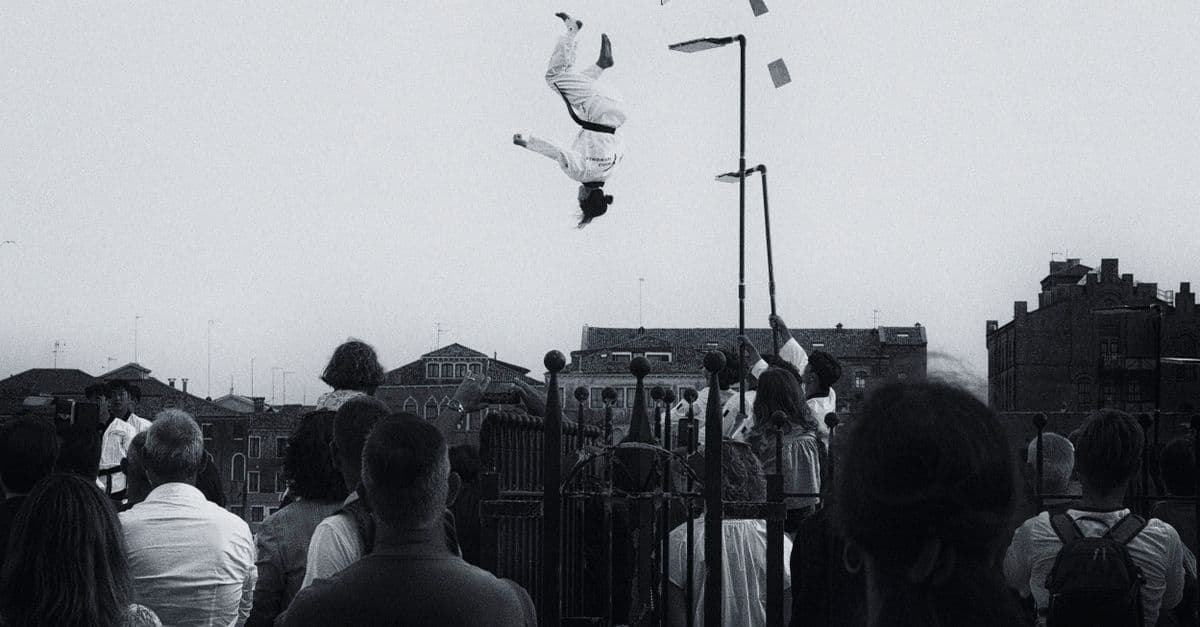
You'll transform vague screenplay action descriptions into comprehensive stunt breakdowns that specify camera angles, performer positioning, safety protocols, required equipment, and take-by-take choreography. This skill bridges the gap between creative intent and practical execution, enabling stunt coordinators, safety personnel, and camera operators to work from the same detailed reference—reducing ambiguity, accelerating shoot schedules, and minimizing liability on high-risk sequences.

You can convert TV scripts into comprehensive production breakdowns that identify every requirement—cast, locations, effects, equipment, and crew days—and translate them into detailed department budgets. This skill captures TV-specific variables like episode length, multi-camera vs. single-camera formats, and weekly production cycles to produce line-item budgets suitable for internal planning and investor presentations.

You can convert raw narrative concepts into fully-structured short-form screenplays engineered for digital platform algorithms and audience retention. This skill helps you identify which story beats are essential versus expendable, optimize your hook for the critical first 3 seconds, and build complete emotional arcs in miniature that treat visual choice as character development. You'll generate production-ready outlines that balance commercial viability with creative intent.
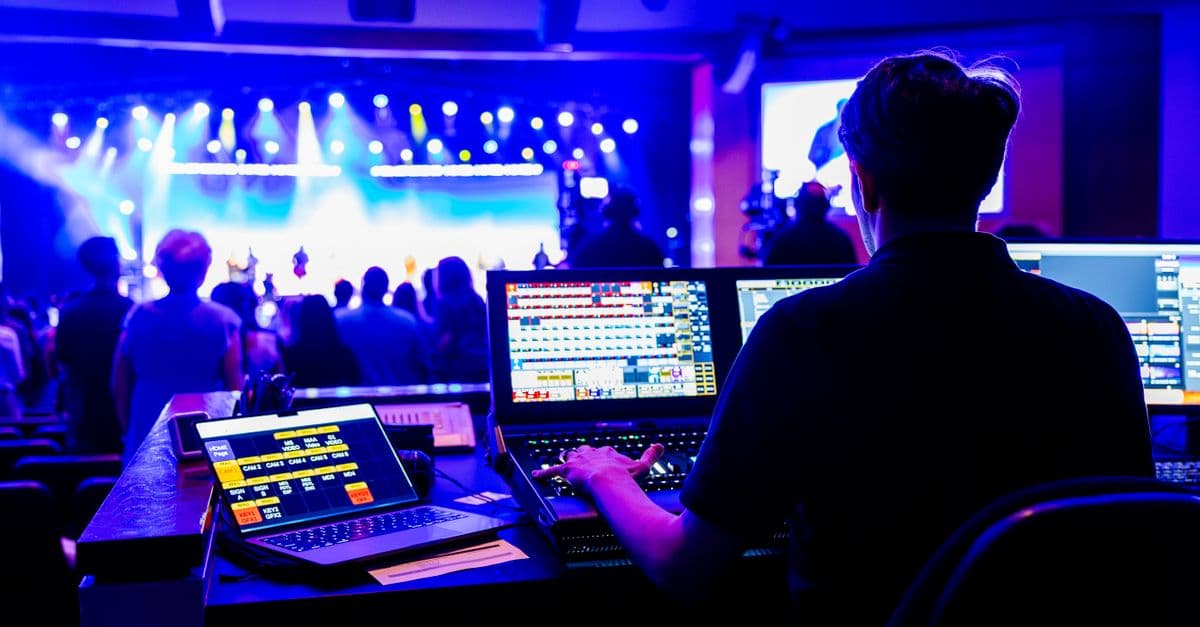
You generate detailed, format-specific delivery specifications that account for codec requirements, loudness standards (LUFS targets), channel configurations, metadata tagging, file naming conventions, and quality assurance checkpoints. This skill produces specifications that are immediately actionable for your sound team while remaining compliant with theatrical (DCP), streaming (Netflix, Apple TV+, Prime Video, Disney+), and broadcast standards—eliminating costly rework and missed distribution windows.

You can create structured continuity matrices that track set designs, color schemes, props, and wardrobe consistency across multiple episodes and seasons. This skill helps you identify visual conflicts before they occur, document design decisions for handoff to departments, and ensure recurring locations maintain their visual identity while reflecting narrative progression. You'll produce verifiable visual specifications that prevent costly reshoots and maintain viewer immersion.
 by scverse
You can synthesize disparate documentary source materials—interview transcripts, archival notes, and footage descriptions—into organized narrative structures. The skill identifies thematic patterns across interviews, diagnoses pacing gaps between segments, reveals missing perspectives or unexplained concepts, and generates multiple narrative approaches before you commit to final assembly. You'll receive actionable editorial recommendations on interview clip prioritization, archival material placement, and optimal reveal sequencing.

You can submit wire rig designs, equipment specifications, and stunt parameters to receive detailed safety engineering analysis. Claude calculates actual vs. rated load capacities across multi-point rigging systems, identifies potential failure modes, flags compliance gaps, and generates formal safety reports ready for insurance and film commissions. This transforms conceptual designs into verified safety assessments before rigging setup begins.