


Skill: Community Wellness Program Design & Logic Modeling
Design community wellness programs with structured logic models
What You Can Do
You'll design comprehensive community wellness programs from the ground up using evidence-based logic modeling frameworks. Claude helps you map program inputs, activities, outputs, outcomes, and impact, ensuring your wellness initiatives are strategic, measurable, and aligned with community needs. Whether you're launching a fitness initiative, mental health program, or holistic wellness project, you'll get structured frameworks and actionable implementation roadmaps.
Features
Create complete logic models that map your program's theory of change, showing how inputs lead to activities, outputs, outcomes, and long-term impact
Develop structured frameworks to identify and analyze community health priorities, assets, and gaps that your wellness program should address
Establish clear, measurable SMART goals and objectives aligned with your community's wellness priorities and organizational capacity
Plan evidence-based wellness activities including fitness classes, mental health support, nutrition education, and stress management interventions
Define key performance indicators, data collection methods, and evaluation timelines to track program effectiveness and community outcomes
Design approaches to engage community members, partners, healthcare providers, and local organizations in program planning and implementation
Develop realistic budgets and resource plans that align program components with available funding and organizational constraints
Example Output
Logic Model Example
Goal: Increase physical activity and mental wellness among underserved adults
INPUTS: Community health workers, fitness equipment, mental health counselors, grant funding, partnership agreements
ACTIVITIES: Weekly yoga and walking groups, monthly mental health workshops, one-on-one wellness coaching, peer support circles
OUTPUTS: 500 participants enrolled, 40 weekly class sessions, 100+ hours of coaching delivered
SHORT-TERM OUTCOMES: Participants increase weekly activity 25%, report improved mood and stress management
LONG-TERM OUTCOMES: Sustained behavior change, reduced healthcare utilization, strengthened community connections
Needs Assessment Summary
Current State: 60% sedentary, high depression rates, limited low-cost wellness resources
Assets: Parks, community centers, volunteer base, healthcare partnerships
Gaps: Affordable programming, mental health support, accessible transportation
Community Priorities: Physical activity access, mental health support, culturally relevant programming
What's Included
- Logic Model Template: Structured framework showing inputs, activities, outputs, outcomes, and impact pathways for your wellness program
- Community Needs Assessment Guide: Worksheet and methodology to identify community health priorities, assets, and gaps through multiple assessment approaches
- Goal and Objective Setting Framework: Process for developing SMART goals aligned with community priorities and organizational capacity constraints
- Program Implementation Plan: Detailed roadmap including activities, timeline, responsible parties, resources, and success metrics for each component
- Evaluation and Measurement Plan: Guidance on defining KPIs, selecting evaluation methods, and establishing data collection and analysis procedures
- Stakeholder Engagement Strategy: Approaches for identifying and engaging community partners, participants, and organizational stakeholders throughout program lifecycle
Who It's For
- Public health professionals and program planners
- Community health program coordinators
- Nonprofit wellness program managers
- Community development specialists
- Fitness and wellness entrepreneurs
Best For
- Launching new wellness initiatives from scratch
- Securing grant funding through strategic program design
- Evaluating and improving existing wellness programs
- Building community partnerships around health priorities
- Creating sustainability plans for wellness interventions
You might also like
Build customized weight management strategies and behavioral coaching plans tailored to each client's unique health context. Generate motivational scripts, progress tracking systems, and client communications that support sustainable lifestyle change. Use Claude's analytical capabilities to develop evidence-based interventions grounded in behavioral psychology and nutrition science.
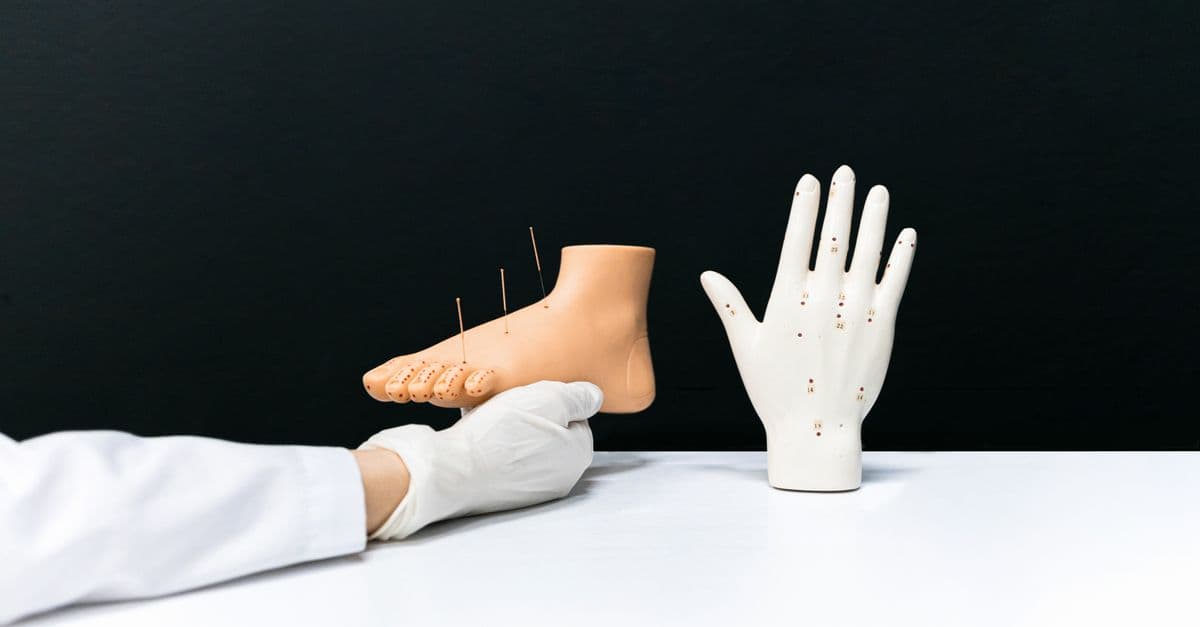
Create evidence-based acupuncture treatment plans that synthesize Traditional Chinese Medicine diagnostics with Western medical findings and patient history. You'll generate customized protocols with specific point recommendations, patient education materials, and professional clinical documentation ready for patient handoff and insurance submission.

Create evidence-based, tailored nutrition programs that meet the specific needs of your target population and community setting. You'll develop culturally appropriate curricula, implementation roadmaps, and evaluation frameworks that address food access barriers, health disparities, and local preferences. The skill generates actionable program designs ready for pilot testing or full-scale rollout.

You develop structured acupuncture treatment plans by conducting thorough TCM assessments and selecting evidence-informed point protocols tailored to each patient's pain presentation and constitution. Claude helps you differentiate syndromes, sequence treatments, personalize protocols based on patient factors, and document clinical progress systematically. This ensures consistent, high-quality treatment planning that integrates traditional principles with modern clinical practice.

Create comprehensive, clinically-sound patient care protocols that seamlessly combine conventional diagnostics with herbal, nutritional, and lifestyle interventions. You receive structured protocols with evidence citations, safety considerations, patient education components, and monitoring frameworks tailored to specific health conditions or patient populations.
You'll create comprehensive supportive care protocols and clinical documentation for cancer patients that integrate naturopathic and evidence-based complementary approaches with conventional oncology. This skill generates customized protocols for specific cancer types, treatment phases, and patient populations, complete with patient education materials and safety screening. You'll produce clinically formatted documentation ready for practitioner use or patient-facing education.
Use this skill to run comprehensive digital health assessments that gather client lifestyle, medical, and behavioral data, then automatically generate personalized wellness plans grounded in evidence-based behavior change principles. The skill creates actionable, realistic goals tailored to your client's circumstances and readiness for change, complete with progress tracking tools and structured accountability protocols.

Generate comprehensive, personalized wellness plans tailored to individual client health profiles, goals, and lifestyles. You provide client information and Claude creates detailed, evidence-based plans including nutrition protocols, exercise routines, behavioral strategies, and progress tracking tools. Plans are customized for remote delivery with built-in accountability and monitoring mechanisms.