


Oncology Support Protocol Builder
Generate evidence-informed supportive care protocols for cancer patients
What You Can Do
You'll create comprehensive supportive care protocols and clinical documentation for cancer patients that integrate naturopathic and evidence-based complementary approaches with conventional oncology. This skill generates customized protocols for specific cancer types, treatment phases, and patient populations, complete with patient education materials and safety screening. You'll produce clinically formatted documentation ready for practitioner use or patient-facing education.
Features
Create tailored supportive care protocols for specific cancer types (breast, lung, colorectal, prostate, ovarian, lymphoma, etc.) with evidence-informed clinical frameworks.
Combines naturopathic approaches, botanical medicine, and complementary therapies with conventional oncology evidence and safety considerations.
Generate formatted clinical assessments, treatment plans, progress notes, and decision-making frameworks ready for practitioner records.
Produce accessible patient handouts covering lifestyle modifications, self-care strategies, and supportive care aligned with treatment phases.
Develop evidence-based recommendations for supportive herbs and supplements with dosages, timing, and contraindication screening.
Generate strategies for managing chemotherapy side effects, radiation effects, and hormone therapy symptoms through nutritional and botanical support.
Identify potential drug-supplement interactions, contraindications, and safety considerations specific to each patient's medication profile.
Example Output
Breast Cancer Supportive Care Protocol Example
Patient: 54-year-old female, Stage II HR+PR+ breast cancer, beginning chemotherapy Clinical Assessment: Good functional status, interested in integrative support for side effect management.
Nutritional Support Protocol
- Protein target: 1.2 g/kg daily for immune function and tissue repair
- Micronutrient support: Vitamin D3 4000 IU daily, Selenium 200 mcg daily, CoQ10 300 mg daily
- Probiotic support: Multi-strain formula 25+ billion CFU daily to support gut health during treatment
Botanical Medicine Protocol
- Ginger extract 1000 mg daily (divided doses) for nausea prevention and GI support
- Milk thistle 300 mg three times daily for hepatic support during chemotherapy metabolism
- Turmeric (standardized curcumin) 500 mg twice daily for inflammatory management
Clinical Documentation Note
Assessment: Patient appropriate for integrative supportive care. Educated on supplement-chemotherapy interactions. No contraindications identified with planned regimen. Plan: Initiate nutritional protocol, monitor for nausea response to ginger intervention, recheck labs at midpoint of chemotherapy cycle, refer to acupuncture for neuropathy prevention.
Patient Education Handout
Supporting Your Body During Chemotherapy
- Eat small, frequent meals every 2-3 hours to maintain nutrition
- Gentle movement: 15-minute walks on treatment days, 20-30 minute walks on off days
- Stay hydrated: 2-3 liters water daily, add electrolyte support as needed
- Rest: Aim for 8-9 hours sleep, take 20-minute naps when fatigued
What's Included
- Protocol builder framework: Structured templates for major cancer types organized by diagnosis, treatment phase, and clinical indication.
- Clinical documentation system: Professional templates for patient assessments, clinical notes, treatment plans, and evidence-informed decision documentation.
- Evidence-based supplement database: Curated botanical and nutritional interventions with research backing, organized by clinical use and safety profile.
- Patient education generator: Tools to create clear, actionable patient handouts on nutrition, movement, stress management, and self-care during cancer treatment.
- Safety and interaction protocol: Framework for identifying drug-supplement interactions, monitoring parameters, and contraindications for each patient scenario.
Who It's For
- Oncology nurses and nurse practitioners building supportive care plans
- Naturopathic doctors and licensed acupuncturists working with cancer patients
- Integrative medicine practitioners developing evidence-informed protocols
- Cancer care coordinators and health coaches managing comprehensive treatment support
- Medical researchers designing complementary oncology intervention studies
Best For
- Creating supportive care protocols for specific cancer diagnoses
- Generating clinical documentation and structured treatment plans
- Building patient education materials for treatment phases
- Designing side effect management strategies using botanical and nutritional medicine
- Developing safe integrative medicine protocols that complement conventional oncology
You might also like
Build customized weight management strategies and behavioral coaching plans tailored to each client's unique health context. Generate motivational scripts, progress tracking systems, and client communications that support sustainable lifestyle change. Use Claude's analytical capabilities to develop evidence-based interventions grounded in behavioral psychology and nutrition science.

You develop structured acupuncture treatment plans by conducting thorough TCM assessments and selecting evidence-informed point protocols tailored to each patient's pain presentation and constitution. Claude helps you differentiate syndromes, sequence treatments, personalize protocols based on patient factors, and document clinical progress systematically. This ensures consistent, high-quality treatment planning that integrates traditional principles with modern clinical practice.
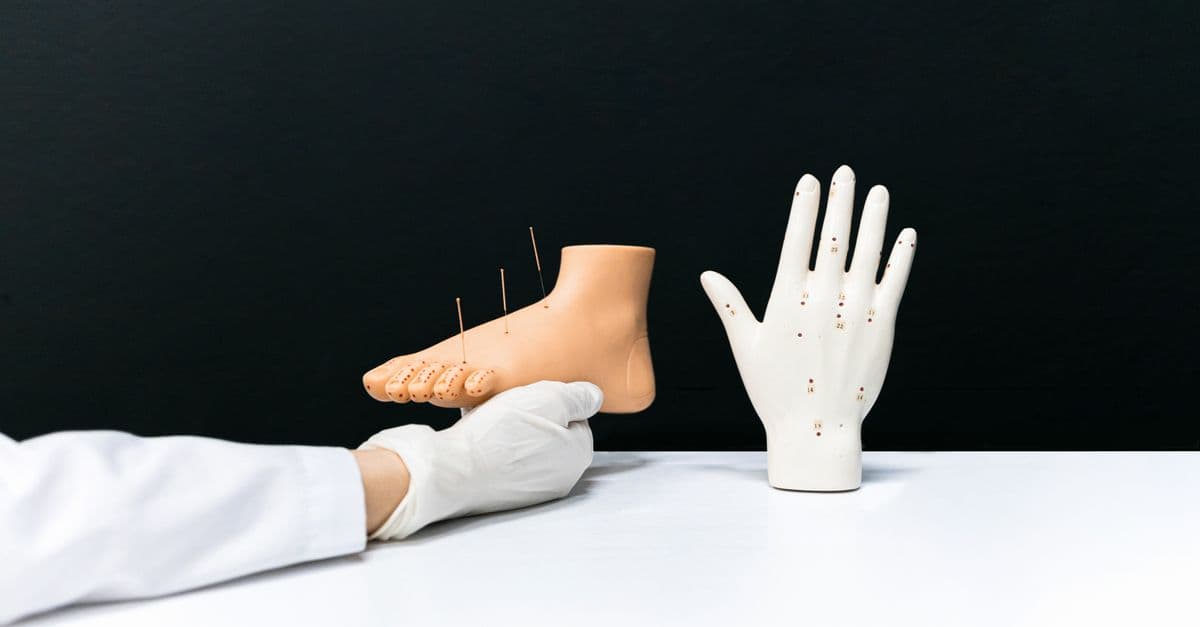
Create evidence-based acupuncture treatment plans that synthesize Traditional Chinese Medicine diagnostics with Western medical findings and patient history. You'll generate customized protocols with specific point recommendations, patient education materials, and professional clinical documentation ready for patient handoff and insurance submission.

Create comprehensive, evidence-based nutrition programs that respect cultural preferences, address health disparities, and engage community stakeholders. You'll develop implementation plans complete with budgets, timelines, educational materials, and evaluation metrics that ensure your program achieves measurable health outcomes while building community buy-in and long-term sustainability.

Create comprehensive, clinically-sound patient care protocols that seamlessly combine conventional diagnostics with herbal, nutritional, and lifestyle interventions. You receive structured protocols with evidence citations, safety considerations, patient education components, and monitoring frameworks tailored to specific health conditions or patient populations.
Use this skill to run comprehensive digital health assessments that gather client lifestyle, medical, and behavioral data, then automatically generate personalized wellness plans grounded in evidence-based behavior change principles. The skill creates actionable, realistic goals tailored to your client's circumstances and readiness for change, complete with progress tracking tools and structured accountability protocols.
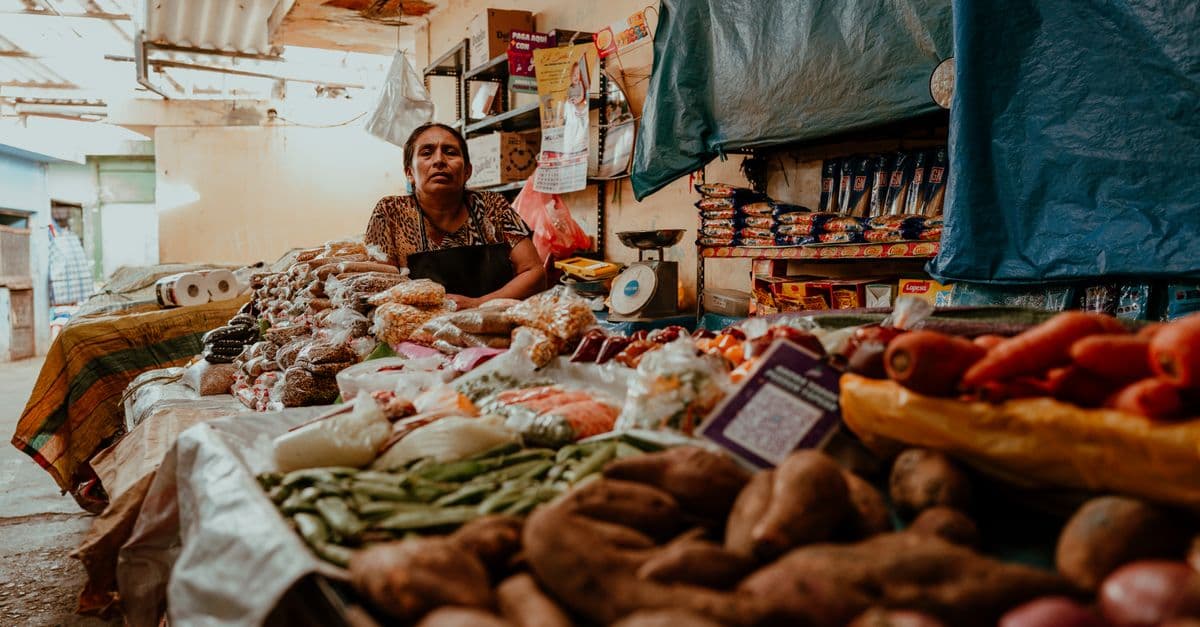
Create evidence-based, tailored nutrition programs that meet the specific needs of your target population and community setting. You'll develop culturally appropriate curricula, implementation roadmaps, and evaluation frameworks that address food access barriers, health disparities, and local preferences. The skill generates actionable program designs ready for pilot testing or full-scale rollout.

Generate comprehensive, personalized wellness plans tailored to individual client health profiles, goals, and lifestyles. You provide client information and Claude creates detailed, evidence-based plans including nutrition protocols, exercise routines, behavioral strategies, and progress tracking tools. Plans are customized for remote delivery with built-in accountability and monitoring mechanisms.