


Acupuncture Pain Assessment and Treatment Planning
Design comprehensive acupuncture treatment plans for pain management
What You Can Do
You develop structured acupuncture treatment plans by conducting thorough TCM assessments and selecting evidence-informed point protocols tailored to each patient's pain presentation and constitution. Claude helps you differentiate syndromes, sequence treatments, personalize protocols based on patient factors, and document clinical progress systematically. This ensures consistent, high-quality treatment planning that integrates traditional principles with modern clinical practice.
Features
Analyze patient symptoms and signs through eight-principle analysis to identify underlying imbalances, pathogenic factors, and affected meridians or organs
Generate acupuncture point protocols combining classical TCM indications with contemporary research on efficacy for specific pain conditions
Create patient-specific protocols accounting for age, constitution, comorbidities, needle tolerance, and treatment frequency preferences
Develop logical treatment phases with recommended needle counts, retention times, and session intervals based on condition severity and patient response
Generate structured assessment forms and progress notes capturing TCM diagnostic findings, treatment details, and patient outcomes for complete records
Incorporate moxibustion, cupping, gua sha, tui na, and other complementary techniques into comprehensive treatment protocols
Adjust protocols based on patient response, providing recommendations for point changes, technique adjustments, or frequency modifications
Example Output
Example 1: Chronic Lower Back Pain Plan
Claude delivers a complete assessment including:
- Syndrome: Kidney Yang Deficiency with Qi and Blood Stasis
- Primary points: GV3 (Mingmen), UB23 (Shenshu), UB40 (Weizhong)
- Adjunctive points: REN4 (Guanyuan), GB34 (Yanglingquan)
- Technique: 1.5-2 inch depth, 20-minute retention, bidirectional manipulation
- Frequency: 2x weekly for 4 weeks, then 1x weekly maintenance
- Expected outcomes: Pain reduction week 2, functional improvement week 4
Example 2: Migraine Prevention Protocol
- Syndrome: Liver Yang Rising with Blood Deficiency
- Acute points: LI4 (Hegu), LIV3 (Taichong), GV20 (Baihui)
- Prevention points: UB10 (Tianzhu), GB20 (Fengchi), Ex-HN5 (Taiyang)
- Moxibustion: On UB23 and REN4 for prevention
- Dietary recommendations: Nourish liver blood, avoid liver-heat triggers
- Frequency: 1x weekly prevention, 2-3x weekly during active phase
What's Included
- TCM Assessment Framework: Structured approach to eight-principle differentiation, meridian palpation, constitution analysis, and pattern recognition
- Point Protocol Library: Evidence-informed protocols for back pain, neck tension, headaches, joint pain, neuropathic pain, and sports injuries
- Treatment Plan Templates: Customizable templates for initial consultation, ongoing treatment progression, discharge planning, and follow-up protocols
- Patient Education Materials: Accessible explanations of TCM concepts, treatment rationale, self-care recommendations, and lifestyle modifications
- Clinical Documentation Tools: Intake forms, point location verification, session notes templates, and outcome tracking sheets for systematic record-keeping
Who It's For
- Licensed acupuncturists and TCM practitioners
- Pain management specialists integrating acupuncture
- Sports medicine clinicians and athletic trainers
- Integrative and functional medicine providers
Best For
- Initial patient assessment and pain diagnosis
- Developing personalized acupuncture protocols
- Managing chronic and complex pain presentations
- Treatment progression and protocol modification
- Clinical documentation and outcome tracking
You might also like
Build customized weight management strategies and behavioral coaching plans tailored to each client's unique health context. Generate motivational scripts, progress tracking systems, and client communications that support sustainable lifestyle change. Use Claude's analytical capabilities to develop evidence-based interventions grounded in behavioral psychology and nutrition science.
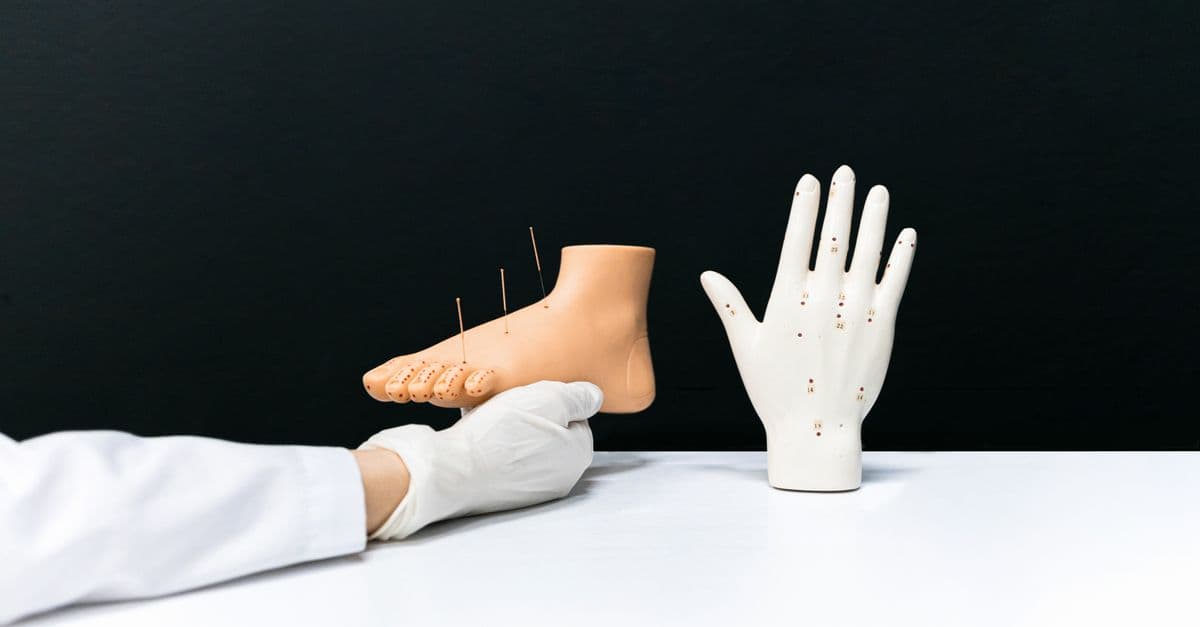
Create evidence-based acupuncture treatment plans that synthesize Traditional Chinese Medicine diagnostics with Western medical findings and patient history. You'll generate customized protocols with specific point recommendations, patient education materials, and professional clinical documentation ready for patient handoff and insurance submission.

Create comprehensive, clinically-sound patient care protocols that seamlessly combine conventional diagnostics with herbal, nutritional, and lifestyle interventions. You receive structured protocols with evidence citations, safety considerations, patient education components, and monitoring frameworks tailored to specific health conditions or patient populations.

You'll create comprehensive supportive care protocols and clinical documentation for cancer patients that integrate naturopathic and evidence-based complementary approaches with conventional oncology. This skill generates customized protocols for specific cancer types, treatment phases, and patient populations, complete with patient education materials and safety screening. You'll produce clinically formatted documentation ready for practitioner use or patient-facing education.
Use this skill to run comprehensive digital health assessments that gather client lifestyle, medical, and behavioral data, then automatically generate personalized wellness plans grounded in evidence-based behavior change principles. The skill creates actionable, realistic goals tailored to your client's circumstances and readiness for change, complete with progress tracking tools and structured accountability protocols.
Design comprehensive, periodized nutrition programs that adapt to your athletes' training phases, competition schedules, and sport-specific demands. You'll synchronize macronutrient ratios, micronutrient timing, and hydration protocols with periodized training blocks to optimize performance across preparation, peak, and recovery phases. The skill analyzes athlete profiles, training structure, and competition calendars to generate actionable nutrition protocols grounded in sports science.

You'll receive detailed case consultations that integrate constitutional assessment, family health history analysis, and evidence-based natural treatment recommendations for children. The skill guides you through systematic evaluation of pediatric conditions, helping you develop personalized naturopathic protocols that consider the child's developmental stage, nutritional status, and environmental factors.

Generate comprehensive, personalized wellness plans tailored to individual client health profiles, goals, and lifestyles. You provide client information and Claude creates detailed, evidence-based plans including nutrition protocols, exercise routines, behavioral strategies, and progress tracking tools. Plans are customized for remote delivery with built-in accountability and monitoring mechanisms.