


Geothermal Drilling Wellbore Design Optimizer
Optimize geothermal wellbore design and predict stability risks in high-temperature drilling
What You Can Do
You can input formation data, drilling fluid specifications, temperature gradients, and stress regimes to receive actionable wellbore design recommendations and risk assessments. The skill evaluates alternative well trajectories, casing programs, and drilling fluid systems specifically for geothermal conditions (150-400°C), helping you minimize non-productive time and maximize thermal productivity while navigating the unique constraints of deep, high-temperature drilling operations.
Features
evaluates clay swelling, cement compatibility, and rock mechanics in crystalline basement formations under sustained high temperatures
compares vertical, deviated, and multilateral designs to maximize productivity and minimize drilling hazards
balances thermal stress, mechanical loads, and pressure regimes across multiple casing strings for long-term production integrity
assesses compatibility of mud systems with formation chemistry and high-temperature conditions to prevent lost circulation and pack-offs
maps in-situ stress directions and magnitudes to predict hole instability and identify geological hazards before drilling
calculates cement and casing thermal expansion, contraction cycles, and stress concentrations during production
flags drilling complications (hole washout, differential sticking, lost circulation) with mitigation strategies
Example Output
Example 1: Casing Program Optimization Input: 3.5 km well in fractured granite, 280°C formation temperature, deviated trajectory (45° inclination)
Output:
- Recommended 9⅝" casing set at 2,100 m (below unstable fractured zone identified at 1,800-2,200 m)
- 7" production liner with premium connections to withstand 120°C thermal cycling
- Thermal cement (Class H with silica flour) to prevent channeling under temperature gradient
- Risk flags: Thermal growth will create 18 mm casing expansion; recommend stress relief slots at shoe depth
Example 2: Drilling Fluid System Assessment Input: High-salinity formation water (180 g/L NaCl), swelling clay intervals, fluid loss target <3 mL/30min
Output:
- Inhibitive oil-based mud recommended over water-based system (clay swelling risk in shales at 200°C)
- Fluid density: 1.82 sg to balance fracture pressure gradient (1.8 sg) with pore pressure (1.65 sg)
- Thermal stability window: 220°C maximum (beyond which base oil viscosity drops >50%)
- Contingency: if lost circulation occurs below 2,500 m, deploy lost circulation material blend with 40% walnut shells + 30% mica
What's Included
- SKILL.md: complete skill instructions and workflow
- Wellbore Design Checklist: 15-point validation checklist for casing programs, trajectory selection, and drilling fluid specifications
- Formation Stability Risk Matrix: template to evaluate geological hazards (hole instability, lost circulation, differential sticking) by depth interval
- Thermal Stress Calculation Framework: worksheet for estimating casing expansion, thermal loads, and cement integrity under production conditions
- Drilling Fluid Selection Guide: decision tree comparing oil-based, water-based, and synthetic systems for geothermal formation types
Who It's For
- Geothermal drilling engineers — designing wellbores in new geothermal fields with limited offset data
- Subsurface engineers — evaluating well stability risks and geological hazards before spudding
- Operations supervisors — managing active drilling problems (hole instability, lost circulation, pack-offs)
- Well construction planners — developing casing programs and thermal mitigation strategies for production wells
- Geothermal project managers — assessing drilling feasibility and non-productive time risks in conceptual planning phase
Best For
- Wellbore trajectory and casing program design for geothermal wells 1-5+ km deep
- Formation stability assessment in fractured granites, metamorphic rock, and geothermal reservoir formations
- Drilling fluid system selection and thermal compatibility evaluation at temperatures 150-400°C
- Root-cause analysis and mitigation planning for active drilling complications (lost circulation, hole washout, differential sticking)
- Thermal stress prediction and cement design validation for long-term production integrity
You might also like
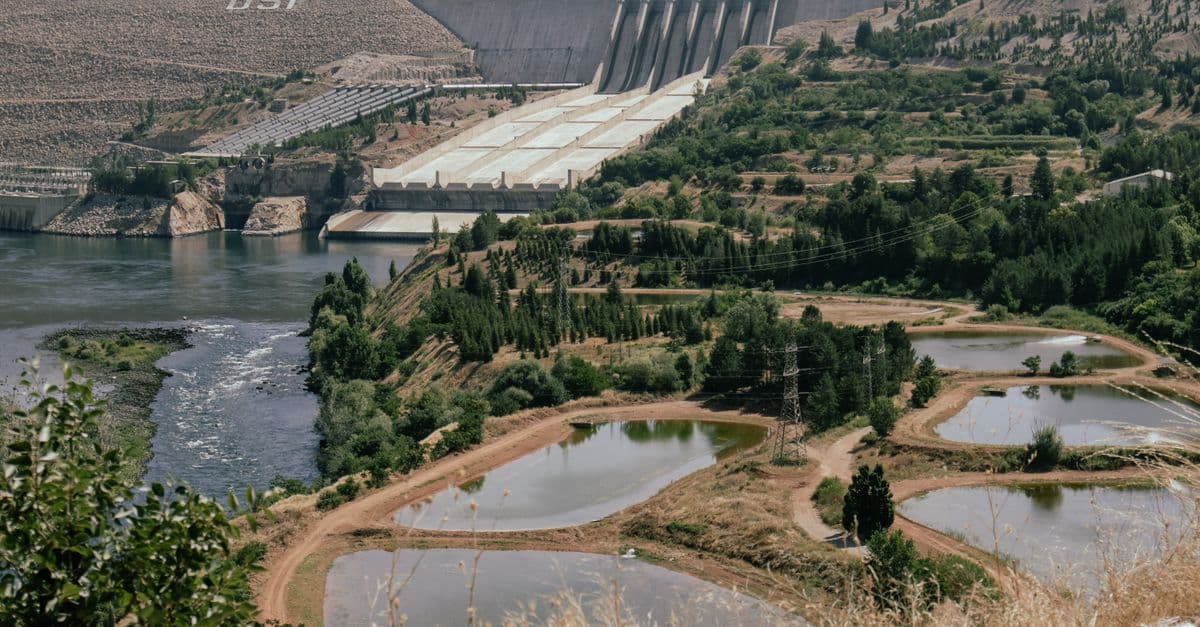
You can rapidly prototype pumped hydro storage systems by performing gross head calculations from topographic data, optimizing reservoir dimensions for target storage durations, and selecting appropriately sized pump-turbine units. Claude guides you through penstock diameter optimization, validates operating points against IEC and IEEE standards, and generates preliminary civil works estimates and equipment specifications ready for stakeholder review or financing submissions.
 by devsoul2026
You can evaluate competing geothermal plant configurations—binary cycles, flash-steam systems, and hybrid designs—against specific resource characteristics. Claude helps you identify thermodynamic pinch points, optimize heat exchanger tube-side and shell-side parameters, assess working fluid selections, and quantify efficiency gains from parasitic load reduction and turbine performance improvements. Generate engineering recommendations that translate directly to increased net power output and plant revenue.
by devsoul2026
You can systematically design and optimize hydrogen storage systems by leveraging integrated thermodynamic calculations, material compatibility analysis, and safety standard cross-referencing. The skill helps you select optimal storage modalities (compressed gas, cryogenic liquid, solid-state absorbents, chemical carriers), evaluate design trade-offs across energy density, cost, and safety constraints, and generate compliance documentation aligned with DOT, ASME, and ISO standards.
by devsoul2026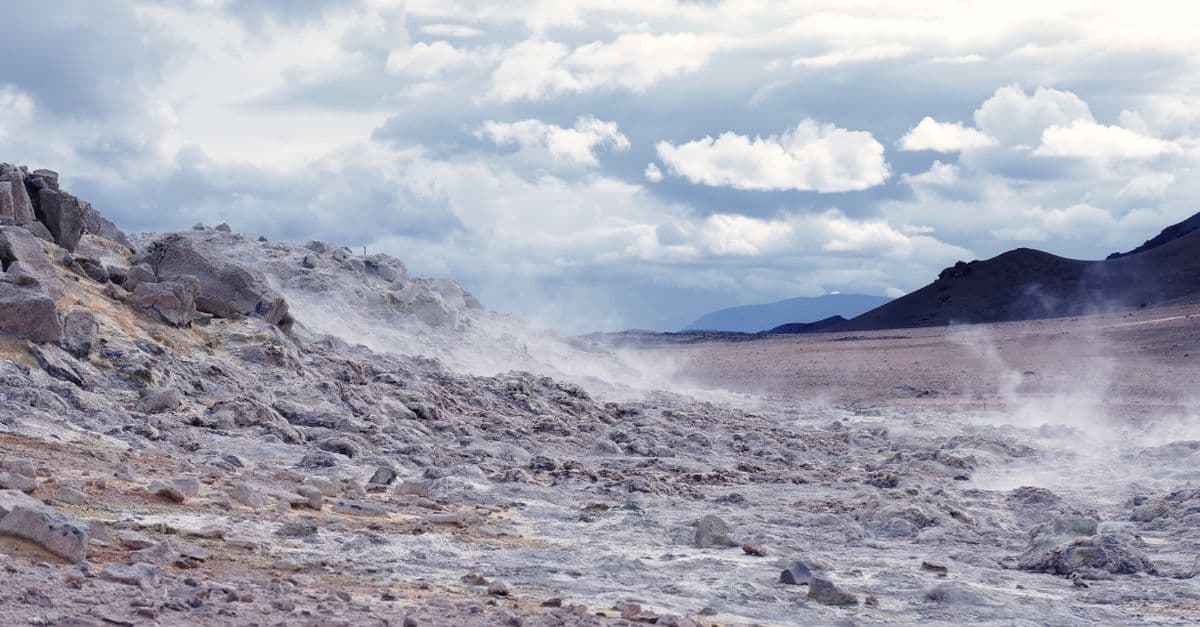
You can design robust geothermal wellbores that withstand extreme thermal gradients, high-temperature steam zones, and corrosive geothermal fluids over multi-decade production lifecycles. This skill guides you through modeling accurate temperature profiles, selecting thermally-stable casing programs, choosing drilling fluids for elevated temperatures, and calculating pressure regimes that account for hydrostatic, lithostatic, and thermal stresses. The result is engineered wellbore designs that maximize resource contact while maintaining long-term integrity and regulatory compliance.
by devsoul2026
You can develop complete wellbore architecture designs for geothermal fields by integrating formation characteristics, drilling constraints, and production objectives. The skill guides you through casing program optimization, deviated well planning, high-temperature environment design, and trade-off analysis to balance thermal access against drilling cost and risk—critical for wells operating 20-50+ years in demanding subsurface conditions.
by devsoul2026
You can systematically analyze pumped hydro facility performance data to pinpoint efficiency losses, calculate head losses and mechanical degradation impacts, and generate prioritized maintenance and optimization recommendations. This skill synthesizes operational metrics, equipment specifications, and hydraulic calculations to quantify the financial impact of performance degradation and justify capital expenditures for modernization or intervention.
by devsoul2026
You can rapidly generate optimized PV system designs that synthesize site characteristics, equipment specifications, electrical standards, and performance requirements into actionable array layouts and electrical configurations. This skill accelerates design iteration by systematically evaluating competing constraints—energy capture maximization, electrical loss minimization, grid code compliance, thermal management, and cost optimization—without replacing professional engineering judgment, ensuring designs align with industry best practices.
by devsoul2026
You can systematically diagnose electrolyzer stack performance issues by analyzing voltage, current, gas purity, and thermal data against known degradation patterns. This skill helps you distinguish between anode/cathode fouling, membrane degradation, electrolyte contamination, thermal imbalance, and electrical inefficiencies—enabling you to schedule preventive maintenance before emergency downtime occurs and maintain hydrogen production economics.
by devsoul2026