

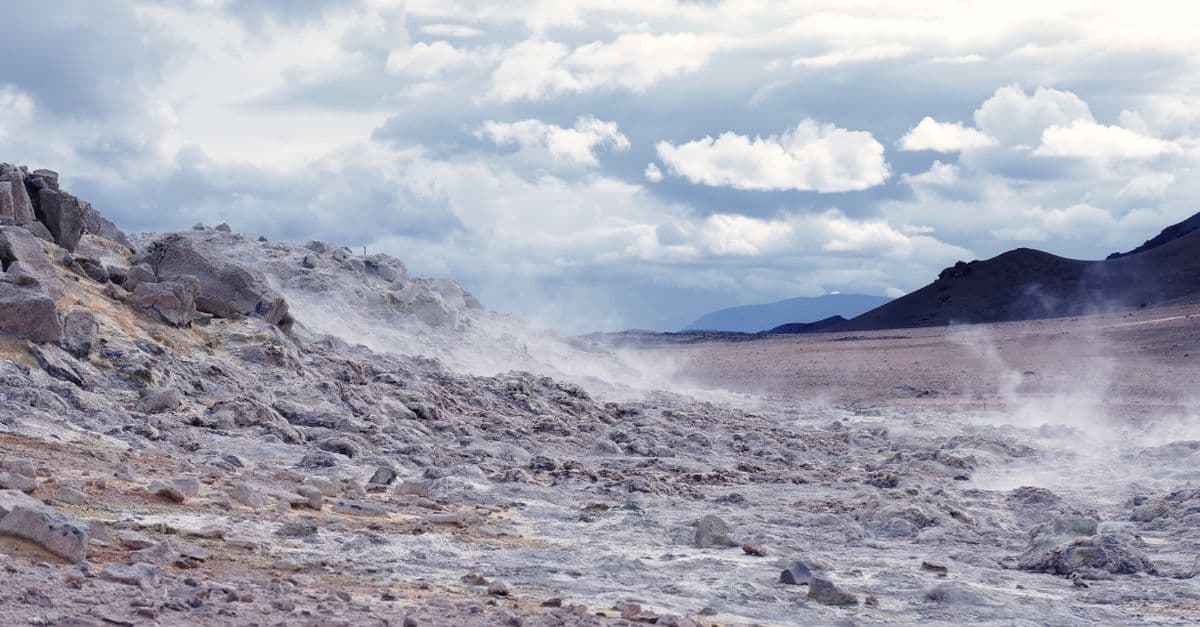
Geothermal Drilling Wellbore Design & Optimization
Design geothermal wellbores optimized for extreme thermal gradients and 20–30 year production
What You Can Do
You can design robust geothermal wellbores that withstand extreme thermal gradients, high-temperature steam zones, and corrosive geothermal fluids over multi-decade production lifecycles. This skill guides you through modeling accurate temperature profiles, selecting thermally-stable casing programs, choosing drilling fluids for elevated temperatures, and calculating pressure regimes that account for hydrostatic, lithostatic, and thermal stresses. The result is engineered wellbore designs that maximize resource contact while maintaining long-term integrity and regulatory compliance.
Features
Calculate precise geothermal gradient predictions and sustained temperature regimes (150–400°C+) across wellbore depth
Engineer multi-string casing configurations that resist thermal expansion, corrosion, and stress cycling over 20–30 year lifecycles
Specify high-temperature drilling fluids and additives that maintain rheology, thermal stability, and formation compatibility
Integrate hydrostatic, lithostatic, and thermal pressure calculations to define safe mud weight windows
Balance resource contact area with wellbore stability in fractured basement rock and volcanic formations
Quantify casing expansion, cement bond integrity, and thermal cycling damage under extreme temperature conditions
Generate technical justifications and engineering reports for non-standard designs and regulatory submissions
Example Output
Example 1: High-Temperature Casing Program
- Surface casing: 13-3/8" to 500m (100°C)
- Intermediate: 9-5/8" to 1,200m (180°C) — L-80 grade with thermal expansion compensation
- Production: 7" to 2,500m (280°C) — Premium corrosion-resistant alloy (CRA) with elastomer seals rated to 320°C
- Expected thermal growth: 0.34m over 25 years; cement sheath design accounts for differential expansion
Example 2: Drilling Fluid Specification
- Base fluid: Synthetic ester (SE) mud system rated to 210°C continuous
- Density: 1.18 SG maintained via high-temperature barite (up to 200°C without API gravity shift)
- Rheology: PV 28–35 cP, YP 12–18 lbf/100ft² — maintained with organophilic clay and xanthan biopolymer
- Loss circulation: Acid-soluble bridging agents (calcium carbonate) for fractured zones below 1,500m
Example 3: Pressure Regime & Mud Weight Window
- Pore pressure: 0.48 SG equivalent (rising to 0.65 SG in steam zones above 250°C)
- Fracture gradient: 0.72 SG (reduced 15% below conventional due to thermal cracking)
- Safe mud window: 0.52–0.68 SG; narrow margin requires casing shoe placement at 1,200m to avoid lost circulation
What's Included
- SKILL.md: Complete geothermal wellbore design framework with thermal analysis methodology
- Temperature Profile Calculator Template: Spreadsheet for modeling geothermal gradients and sustained temperature regimes
- Casing Program Design Checklist: Step-by-step guide for selecting casing grades, drift sizes, and thermal expansion allowances
- Drilling Fluid Selection Matrix: Comparison of high-temperature mud systems (synthetic ester, salt, foam) with temperature ratings and compatibility data
- Pressure Regime Analysis Worksheet: Integrated hydrostatic, lithostatic, and thermal pressure calculations with mud weight window definition
Who It's For
- Geothermal drilling engineers designing wellbores for enhanced geothermal systems (EGS) and conventional hydrothermal fields
- Well engineers optimizing production well designs for long-term flow rate and thermal recovery
- Reservoir engineers evaluating drilling trajectories and open-hole intervals for resource connectivity
- Operations managers troubleshooting thermal-related well integrity issues (casing corrosion, cement degradation)
- Regulatory engineers preparing technical justifications for non-standard casing designs and geothermal drilling programs
Best For
- High-temperature wellbore design in geothermal fields exceeding 180°C sustained temperature
- Casing program engineering for extreme thermal gradients and long-term thermal cycling (20–30 year production life)
- Drilling fluid specification and selection for temperatures above 200°C
- Pressure regime modeling integrating thermal stresses in fractured basement rock and volcanic formations
- Pre-spud engineering analysis and peer review documentation for exploration and production wells
You might also like

You can diagnose mechanical faults (bearing wear, imbalance, misalignment), electrical issues (converter harmonics, magnetic suspension drift), and energy losses (windage, friction, core) in operational flywheel systems. This skill interprets vibration data, bearing temperature anomalies, and power output degradation to pinpoint root causes and recommend corrective actions. You'll optimize charge/discharge cycles, predict maintenance windows, and validate designs against grid compliance requirements.
 by devsoul2026
You can rapidly prototype pumped hydro storage systems by performing gross head calculations from topographic data, optimizing reservoir dimensions for target storage durations, and selecting appropriately sized pump-turbine units. Claude guides you through penstock diameter optimization, validates operating points against IEC and IEEE standards, and generates preliminary civil works estimates and equipment specifications ready for stakeholder review or financing submissions.
by devsoul2026
You can use Claude to evaluate turbine placement concepts, quantify wake losses across layout scenarios, assess feasibility against site constraints, and identify optimization opportunities before detailed engineering. Claude helps you compare competing layouts, document design decisions, and troubleshoot yield predictions by analyzing wake interaction patterns and cost-benefit tradeoffs.
by devsoul2026
You can systematically analyze pumped hydro facility performance data to pinpoint efficiency losses, calculate head losses and mechanical degradation impacts, and generate prioritized maintenance and optimization recommendations. This skill synthesizes operational metrics, equipment specifications, and hydraulic calculations to quantify the financial impact of performance degradation and justify capital expenditures for modernization or intervention.
by devsoul2026
You can assess whether your compensation packages are competitive in the current market by comparing base salary, bonus targets, equity grants, and total benefits against peer company data. The skill identifies pay band drift, flags retention risks, and generates specific adjustment recommendations to improve offer acceptance rates and reduce turnover exposure for roles from individual contributors to senior leadership.
by devsoul2026
You can develop complete wellbore architecture designs for geothermal fields by integrating formation characteristics, drilling constraints, and production objectives. The skill guides you through casing program optimization, deviated well planning, high-temperature environment design, and trade-off analysis to balance thermal access against drilling cost and risk—critical for wells operating 20-50+ years in demanding subsurface conditions.
by devsoul2026
You can rapidly generate optimized PV system designs that synthesize site characteristics, equipment specifications, electrical standards, and performance requirements into actionable array layouts and electrical configurations. This skill accelerates design iteration by systematically evaluating competing constraints—energy capture maximization, electrical loss minimization, grid code compliance, thermal management, and cost optimization—without replacing professional engineering judgment, ensuring designs align with industry best practices.
by devsoul2026
You can conduct rigorous structural load analyses for wind turbines by working through a systematic methodology that covers load identification, load case matrix development, fatigue damage calculations, and load combination verification. Claude helps you quantify aerodynamic, gravitational, operational, and environmental loads, then combines them into critical scenarios for design validation and certification audits.
by devsoul2026