

Oncology Support Protocol Developer
Develop integrative oncology protocols and screen drug-supplement interactions
What You Can Do
Create comprehensive, evidence-based cancer support protocols that integrate conventional and complementary therapies while identifying potential drug-supplement interactions. You'll generate patient-safe guidelines, contraindication screening, and educational resources tailored to specific cancer types and treatment phases. This skill helps you quickly develop protocols that complement standard oncology care without compromising safety or efficacy.
Features
Automatically screen for clinically significant interactions between chemotherapy, targeted therapies, hormonal treatments, and commonly used supplements like curcumin, ginseng, St. John's Wort, and antioxidants.
Generate evidence-based integrative protocols customized by cancer type (breast, colorectal, lung, prostate, hematologic) and treatment phase (pre-treatment, active treatment, survivorship, palliative care).
Flag high-risk combinations where supplements may reduce drug efficacy, increase toxicity, or interfere with diagnostic tests. Prioritize contraindications by severity and evidence level.
Create clear, accessible patient handouts covering supplement safety during cancer treatment, nutrition guidelines, lifestyle recommendations, and when to notify their oncology team.
Ground all recommendations in peer-reviewed literature and establish confidence levels for each suggestion, differentiating between well-supported and preliminary evidence.
Develop timing protocols for when supplements should be introduced, paused, or modified relative to surgery, chemotherapy cycles, radiation, and monitoring periods.
Generate oncologist-friendly summaries that explain the rationale for specific integrative recommendations in clinical language suitable for care team collaboration.
Example Output
Example 1: Drug-Supplement Interaction Screening Output
Patient: HER2+ Breast Cancer, Trastuzumab + Paclitaxel

CONTRAINDICATIONS (Avoid):
• St. John's Wort - May reduce taxane efficacy via CYP450 induction
• High-dose vitamin E + NSAIDs - Increased bleeding risk during treatment

CAUTION (Use with monitoring):
• Ginger (nausea) - Generally safe, ensure <2g/day during chemotherapy
• Ginseng - May enhance immune function; monitor for interaction with trastuzumab cardiotoxicity monitoring

SAFE WITH GUIDANCE:
• Turmeric/Curcumin - <1g/day, separate from paclitaxel by 2+ hours
• Probiotics - Support gut microbiome; evidence-based strain recommendations included
Example 2: Survivorship Protocol Summary
PROTOCOL: Colorectal Cancer Survivor, Post-Chemotherapy

Phase: 6+ months post-treatment, no active disease
Goals: Recurrence prevention, quality of life, long-term toxicity management

Recommended Interventions:
1. Anti-inflammatory diet focus (Mediterranean-style)
2. Structured exercise program: 150 min moderate-intensity weekly
3. Supplements: Vitamin D (1000-2000 IU), Omega-3 (1-2g EPA/DHA)
4. Avoid: High-dose antioxidants (may interfere with remaining adjuvant therapy monitoring)

Team Communication: Recommend oncologist clearance before starting new supplements; flag any recurrence concerns immediately.
Example 3: Patient Education Handout Excerpt
SUPPLEMENTS AND YOUR CANCER TREATMENT: WHAT'S SAFE?

Before You Take Any Supplement:
- Always tell your oncology team
- Some supplements can make chemotherapy less effective
- Others may increase side effects

Common Questions Answered:
Q: Can I take ginger for nausea? A: Yes, ginger is generally safe in small amounts (1-2g/day). Talk to your nurse about dosing.
Q: What about vitamin C? A: During active chemo, high-dose vitamin C may interfere with treatment. Stick to food sources or low-dose supplements (500mg/day max).
What's Included
- Protocol Template Library: Pre-built templates for major cancer types and treatment phases, customizable to individual patient circumstances.
- Interaction Database Query System: Structured prompts to screen patient's current medications and supplements against a comprehensive drug-supplement interaction matrix.
- Patient Education Template Set: Customizable handout templates for patient education covering supplement safety, dietary guidance, and communication tips with care teams.
- Oncology Team Communication Guide: Structured formats for documenting protocol rationale in language that resonates with oncologists and supporting clinical integration.
- Evidence Grading Framework: Consistent methodology for categorizing recommendations by evidence level and clinical confidence to support informed decision-making.
Who It's For
- Naturopathic Doctors and Clinical Herbalists
- Integrative Oncology Specialists and Physicians
- Oncology Nurses and Patient Educators
- Registered Dietitian Nutritionists in Oncology
- Cancer Care Coordinators and Health Coaches
Best For
- Screening drug-supplement interactions before recommending therapies
- Developing evidence-based cancer support protocols
- Creating patient-safe educational materials about supplements during treatment
- Communicating integrative recommendations to oncology care teams
You might also like

Generate comprehensive, personalized wellness plans tailored to individual client health profiles, goals, and lifestyles. You provide client information and Claude creates detailed, evidence-based plans including nutrition protocols, exercise routines, behavioral strategies, and progress tracking tools. Plans are customized for remote delivery with built-in accountability and monitoring mechanisms.
Build customized weight management strategies and behavioral coaching plans tailored to each client's unique health context. Generate motivational scripts, progress tracking systems, and client communications that support sustainable lifestyle change. Use Claude's analytical capabilities to develop evidence-based interventions grounded in behavioral psychology and nutrition science.
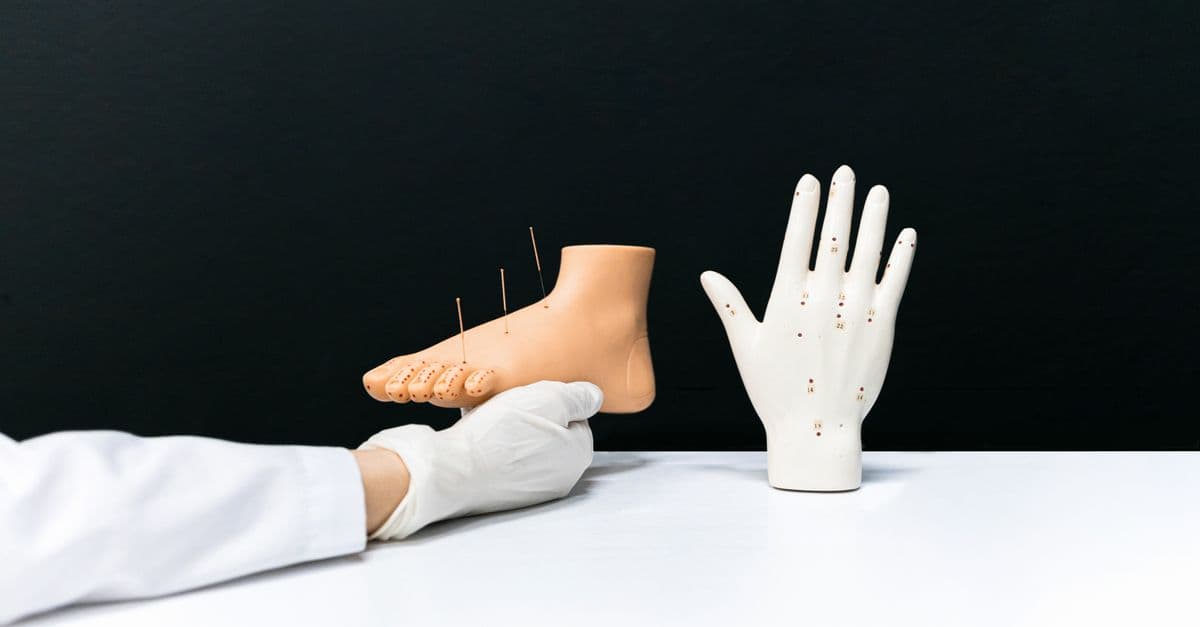
Create evidence-based acupuncture treatment plans that synthesize Traditional Chinese Medicine diagnostics with Western medical findings and patient history. You'll generate customized protocols with specific point recommendations, patient education materials, and professional clinical documentation ready for patient handoff and insurance submission.

Create evidence-based, tailored nutrition programs that meet the specific needs of your target population and community setting. You'll develop culturally appropriate curricula, implementation roadmaps, and evaluation frameworks that address food access barriers, health disparities, and local preferences. The skill generates actionable program designs ready for pilot testing or full-scale rollout.

Create comprehensive, clinically-sound patient care protocols that seamlessly combine conventional diagnostics with herbal, nutritional, and lifestyle interventions. You receive structured protocols with evidence citations, safety considerations, patient education components, and monitoring frameworks tailored to specific health conditions or patient populations.

You'll create comprehensive supportive care protocols and clinical documentation for cancer patients that integrate naturopathic and evidence-based complementary approaches with conventional oncology. This skill generates customized protocols for specific cancer types, treatment phases, and patient populations, complete with patient education materials and safety screening. You'll produce clinically formatted documentation ready for practitioner use or patient-facing education.
Use this skill to run comprehensive digital health assessments that gather client lifestyle, medical, and behavioral data, then automatically generate personalized wellness plans grounded in evidence-based behavior change principles. The skill creates actionable, realistic goals tailored to your client's circumstances and readiness for change, complete with progress tracking tools and structured accountability protocols.

You develop structured acupuncture treatment plans by conducting thorough TCM assessments and selecting evidence-informed point protocols tailored to each patient's pain presentation and constitution. Claude helps you differentiate syndromes, sequence treatments, personalize protocols based on patient factors, and document clinical progress systematically. This ensures consistent, high-quality treatment planning that integrates traditional principles with modern clinical practice.