

Short-Form Story Structure Optimizer
Generate beat sheets and pacing guides for 15–60 second narrative structures
What You Can Do
You can generate mathematically-sound story structures for YouTube Shorts, TikTok, Instagram Reels, and streaming bumpers with precise timing and platform-aware pacing. This skill creates scene-by-scene beat sheets that account for hook timing (0.5–1.0 seconds), escalating visual and audio information density, and format-specific runtime constraints—then stress-tests them against structural weak points before you write a single line of dialogue.
Features
Generates precise structural breakdowns with timecode markers and narrative function labels for each beat
Optimizes timing for YouTube Shorts, TikTok, Instagram Reels, and streaming platforms based on algorithmic attention economics
Validates that your story captures 50% audience attention within 0.5–1.0 seconds with actionable adjustments
Accounts for credits, pauses, music beats, and aspect ratio transitions within your target runtime
Identifies narrative weak points (pacing drops, information overload, motivation gaps) before production
Ensures visual and audio information density increases progressively to combat audience drop-off
Transforms core story concepts into ready-to-shoot beat sheets with minimal iteration
Example Output
Input Premise: A delivery driver discovers a mysterious package addressed to themselves, opens it mid-route, and must decide whether to deliver it or investigate.
Generated Beat Sheet (45 seconds):
- 0–1s (Hook): Wide shot of driver in vehicle. Text overlay: "This package has your name on it." Visual: hand taps steering wheel in curiosity.
- 1–8s (Inciting Incident): Close-up of package label. Driver's address. Camera pans to driver's confused expression. Audio: subtle suspenseful chord.
- 8–22s (Rising Action): Driver pulls over. Package contents hint revealed through silhouette (shadows suggest valuable object). Escalating information: phone buzzes (dispatch call coming), clock shows time pressure.
- 22–38s (Climax): Driver holds package, hand hovers over opening it. Split-screen or quick cuts between: destination address, package, driver's face. Audio builds.
- 38–45s (Resolution/Hook for engagement): Driver makes choice. Quick cut to consequence (comedic twist or cliffhanger). Text overlay suggests viewer vote or continuation.
Pacing Analysis: ✓ Hook hits at 0.8s. ✓ Information density increases 15% per 5-second segment. ✓ Climax lands at 75% runtime. ⚠ Consider adding 2-frame audio beat at 20s to recover attention dip.
What's Included
- SKILL.md instruction file: Core system prompt for structural analysis and beat sheet generation
- Short-form beat sheet template: Pre-formatted scene breakdown with timecode, narrative function, and visual/audio cues
- Platform pacing framework: Timing and attention-economy guidelines for TikTok, YouTube Shorts, Instagram Reels, and streaming bumpers
- Hook optimization checklist: Validation criteria for first-second engagement and algorithmic performance
- Structure stress-test rubric: Diagnostic tool to identify pacing drops, motivation gaps, and information overload before production
Who It's For
- Short-form screenwriters — TV/streaming writers creating 15–60 second original content for digital platforms
- Content creators and filmmakers — Producers building YouTube Shorts, TikTok, or Instagram Reels with narrative arcs
- Pitching professionals — Creatives who need to validate story viability structurally before production budgets or talent commitments
- Streaming platform executives — Development teams evaluating bumper content or algorithm-optimized promotional narratives
- Music video and commercial directors — Professionals syncing narrative structure to beats, visual effects, or brand messaging timelines
Best For
- Prototyping original narratives before dialogue writing or storyboarding
- Optimizing pacing for platform-specific attention economics and algorithmic hooks
- Validating story structure under strict runtime and format constraints (aspect ratio, credits, music beats)
- Identifying and resolving structural weak points (momentum drops, unclear escalation, timing conflicts) in pre-production
- Pitch decks and greenlight materials — proving story viability with beat sheets before production resources
You might also like
Generate multiple production-ready script variations optimized for specific platforms (TikTok, YouTube Shorts, Instagram Reels, etc.) with branded hooks, exact timing specifications, and visual formatting. The skill compresses narrative tension into extreme brevity while maintaining emotional impact, allowing you to prototype 5-10 script concepts in minutes instead of hours. You control creative direction while automating structural optimization and platform-specific requirements.
 by skillslib
You can convert creative briefs into 3-5 distinct visual direction options complete with mood boards, color palettes, and art direction specifications within 48-72 hours. The skill helps you reconcile conflicting stakeholder preferences, establish design hierarchies that reinforce brand messaging, and identify practical production constraints before costly set construction begins. You'll generate presentation-ready assets that demonstrate how product placement, lighting, set dressing, and color strategy work together to achieve commercial objectives.
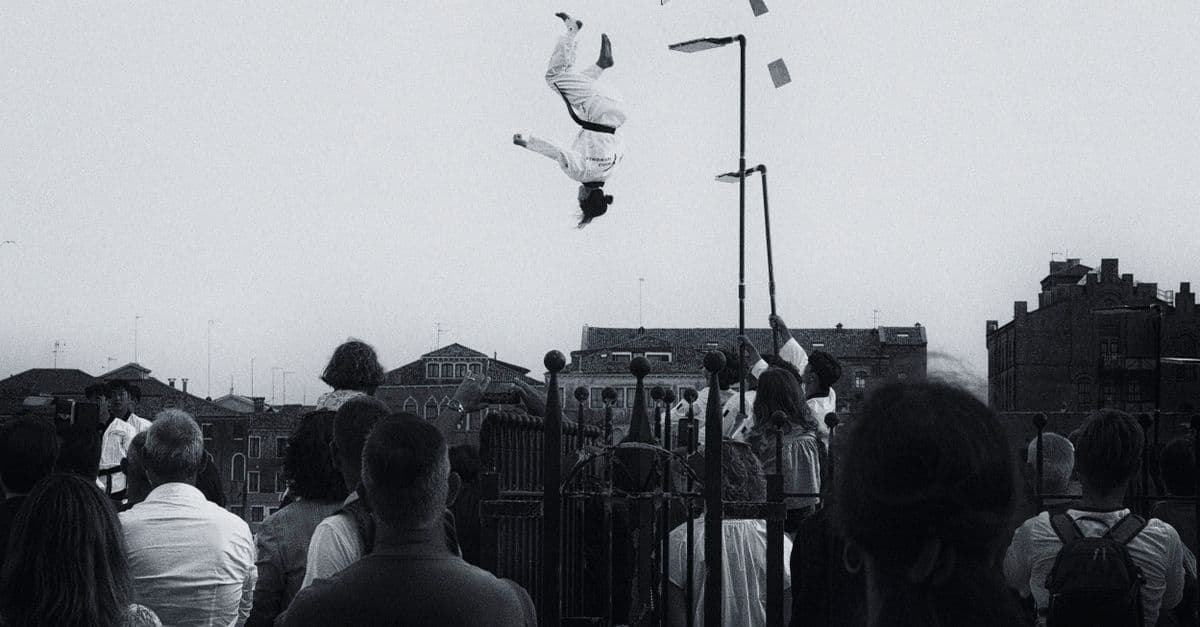
You'll transform vague screenplay action descriptions into comprehensive stunt breakdowns that specify camera angles, performer positioning, safety protocols, required equipment, and take-by-take choreography. This skill bridges the gap between creative intent and practical execution, enabling stunt coordinators, safety personnel, and camera operators to work from the same detailed reference—reducing ambiguity, accelerating shoot schedules, and minimizing liability on high-risk sequences.

You can convert TV scripts into comprehensive production breakdowns that identify every requirement—cast, locations, effects, equipment, and crew days—and translate them into detailed department budgets. This skill captures TV-specific variables like episode length, multi-camera vs. single-camera formats, and weekly production cycles to produce line-item budgets suitable for internal planning and investor presentations.

You can convert raw narrative concepts into fully-structured short-form screenplays engineered for digital platform algorithms and audience retention. This skill helps you identify which story beats are essential versus expendable, optimize your hook for the critical first 3 seconds, and build complete emotional arcs in miniature that treat visual choice as character development. You'll generate production-ready outlines that balance commercial viability with creative intent.
You generate detailed, format-specific delivery specifications that account for codec requirements, loudness standards (LUFS targets), channel configurations, metadata tagging, file naming conventions, and quality assurance checkpoints. This skill produces specifications that are immediately actionable for your sound team while remaining compliant with theatrical (DCP), streaming (Netflix, Apple TV+, Prime Video, Disney+), and broadcast standards—eliminating costly rework and missed distribution windows.
You can synthesize disparate documentary source materials—interview transcripts, archival notes, and footage descriptions—into organized narrative structures. The skill identifies thematic patterns across interviews, diagnoses pacing gaps between segments, reveals missing perspectives or unexplained concepts, and generates multiple narrative approaches before you commit to final assembly. You'll receive actionable editorial recommendations on interview clip prioritization, archival material placement, and optimal reveal sequencing.

You can submit wire rig designs, equipment specifications, and stunt parameters to receive detailed safety engineering analysis. Claude calculates actual vs. rated load capacities across multi-point rigging systems, identifies potential failure modes, flags compliance gaps, and generates formal safety reports ready for insurance and film commissions. This transforms conceptual designs into verified safety assessments before rigging setup begins.