


Documentary Narrative Structure Analyzer
Analyze raw documentary materials into structured narrative arcs and optimal story sequencing

What You Can Do
You can synthesize disparate documentary source materials—interview transcripts, archival notes, and footage descriptions—into organized narrative structures. The skill identifies thematic patterns across interviews, diagnoses pacing gaps between segments, reveals missing perspectives or unexplained concepts, and generates multiple narrative approaches before you commit to final assembly. You'll receive actionable editorial recommendations on interview clip prioritization, archival material placement, and optimal reveal sequencing.
Features
Identify recurring themes, conflicts, and character arcs across interview materials and organize by narrative function
Rank interview segments by editorial impact, distinguishing essential story drivers from tangential content
Diagnose missing perspectives, unexplained concepts, unresolved tensions, and holes in your narrative logic
Analyze balance between interview-heavy sequences and visual storytelling; identify where B-roll or archival material should anchor transitions
Test 2-3 alternative story structures (chronological, thematic, character-driven) with annotated turning points and emotional beats
Optimize timing of key information disclosure to maintain audience engagement and editorial momentum
Connect archival materials and found footage to specific narrative moments or thematic needs in your structure
Generate clear outlines and beat sheets for producer/funder communication and editor handoff
Example Output
Input: Interview transcripts from 5 subjects discussing workplace inequality, plus archival material notes (protest footage, corporate documents, family photos).
Output:
Thematic Map:
- Personal Impact Thread: Sandra's job loss → Marcus's wage stagnation → Elena's organizing journey
- Systemic Analysis Thread: Historical context → Policy failures → Corporate accountability
- Emotional Throughline: Frustration → Solidarity → Agency
Pacing Structure:
- Open (0-2 min): Marcus's lived moment (B-roll: workplace floor)
- Interview Cluster 1 (2-8 min): Personal stories establish stakes (Sandra, Elena, Marcus)
- Historical Context (8-12 min): Archival protest footage + Elena's policy explanation
- Resolution (12-15 min): Organizing victory montage + forward-looking interviews
Gap Alert: Missing perspective from corporate management or policy dissenter—consider brief counterargument interview or archival news clip.
Alternative Structure: Reverse chronological (organizing victory first, then cause flashback)—creates mystery but risks losing emotional build.
What's Included
- SKILL.md: Complete skill instruction file with usage guidelines
- Documentary Structure Template: Interview inventory sheet with thematic tagging system
- Narrative Arc Framework: Beat-by-beat outline structure for chronological, thematic, and character-driven approaches
- Gap Analysis Checklist: Diagnostic prompts for identifying missing perspectives, unexplained concepts, and pacing holes
- Interview Clip Prioritization Matrix: Grid for ranking segments by narrative function, emotional weight, and editorial necessity
Who It's For
- Documentary Directors — Planning narrative structure before editor assembly
- Documentary Editors — Organizing interview materials and testing narrative approaches during assembly
- Producers — Communicating story structure to funders, partners, and distribution teams
- Cinematographers/Archivists — Understanding how footage serves narrative function and structural gaps
- First-time Filmmakers — Building coherent narratives from reality without formal structural training
Best For
- Organizing multi-subject interview transcripts into thematic story sequences
- Diagnosing pacing problems and imbalances between talking-head and visual content
- Testing alternative narrative approaches (chronological vs. thematic vs. character-driven) before final assembly
- Identifying missing interview perspectives, unexplained concepts, or unresolved tensions in your story
- Matching archival materials and B-roll to specific narrative moments and structural functions
- Creating story outlines and beat sheets for producer/editor/funder communication
You might also like

You can rapidly conduct script breakdowns that isolate key production needs, anticipate scheduling bottlenecks, and identify directorial challenges specific to episodic television timelines. This skill translates script analysis into clear technical and creative briefs for your department heads, ensuring alignment on blocking, special requirements, and shot prioritization before principal photography begins.

You can generate detailed budget breakdowns tailored to independent film production realities, including realistic contingencies, cost-optimization strategies, and investor-friendly categorization. The skill handles incomplete crew information, creative role combinations, and multi-source financing scenarios—producing budgets that lenders and equity investors trust for securing financing packages.

You can convert creative briefs into 3-5 distinct visual direction options complete with mood boards, color palettes, and art direction specifications within 48-72 hours. The skill helps you reconcile conflicting stakeholder preferences, establish design hierarchies that reinforce brand messaging, and identify practical production constraints before costly set construction begins. You'll generate presentation-ready assets that demonstrate how product placement, lighting, set dressing, and color strategy work together to achieve commercial objectives.

You can generate comprehensive series bibles tailored to specific streaming platforms (Netflix, Apple TV+, Amazon Prime, HBO Max) that position your concept for acquisition while maintaining creative authenticity. The skill accounts for binge-watching patterns, platform-specific content policies, algorithmic hooks, and compressed greenlight timelines that distinguish streaming development from traditional broadcast.
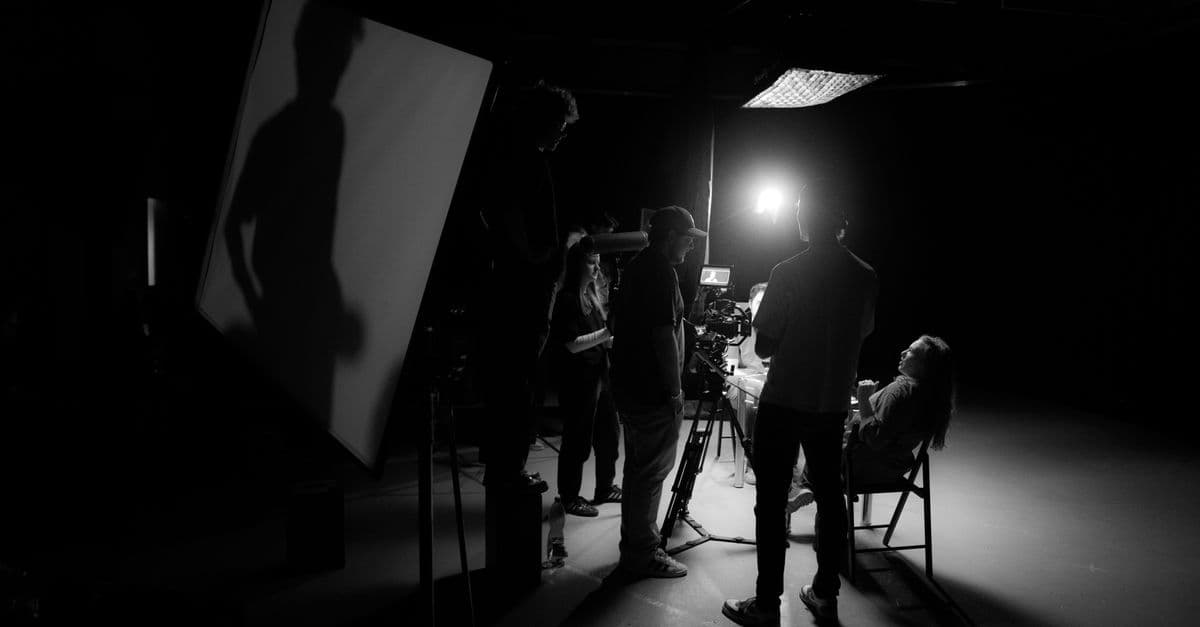
You can feed Claude any commercial script and receive a complete production breakdown that coordinates all departments while respecting budget and timeline constraints. Claude identifies every shot requirement, location need, talent direction, and scheduling opportunity—systematically flagging production challenges and cost-saving strategies that maintain creative impact. This eliminates manual breakdown work and ensures nothing falls through the cracks in compressed pre-production windows.

You'll design quick-change costumes that balance theatrical artistry with mechanical precision, creating specifications for Velcro placement, breakaway techniques, and layer sequencing. Claude helps you document exact dresser choreography, troubleshoot change failures during tech week, and develop backup plans for understudies—ensuring seamless transformations that keep performers safe and the production moving.
You can input rough shot notes, editorial feedback, and creative requirements to receive structured VFX assessments that categorize complexity levels, flag scope creep risks, and generate comprehensive vendor briefs with technical specifications. The skill bridges editorial vision with VFX execution by analyzing multiple factors simultaneously—render times, resource constraints, vendor capabilities, and budget implications—reducing revision cycles and preventing miscommunication with vendors.

Analyze any real estate deal like a seasoned investor and get precise financial projections, comprehensive risk scoring, and a clear investment recommendation backed by data. You'll calculate every metric that matters (cap rates, cash flow, IRR, equity multiples), identify hidden risks before they cost you money, and compare deals side-by-side to rank your best opportunities. Make confident acquisition decisions instead of guessing.