


Sound Delivery Specification Builder
Generate format-specific sound delivery specs and QA matrices for theatrical, streaming, and broa...

What You Can Do
You generate detailed, format-specific delivery specifications that account for codec requirements, loudness standards (LUFS targets), channel configurations, metadata tagging, file naming conventions, and quality assurance checkpoints. This skill produces specifications that are immediately actionable for your sound team while remaining compliant with theatrical (DCP), streaming (Netflix, Apple TV+, Prime Video, Disney+), and broadcast standards—eliminating costly rework and missed distribution windows.
Features
Automatically generates technical specs tailored to theatrical DCP, streaming platforms (Netflix, Apple TV+, Amazon Prime, Disney+), and broadcast deliverables
Includes LUFS targets, true peak limits, and loudness range requirements for each distribution channel
Details surround formats (5.1, 7.1, Atmos, stereo) with speaker placement and mixing guidelines
Generates standardized naming conventions, metadata tagging requirements, and organizational hierarchies for delivery packages
Provides quality control matrices, technical validation checkpoints, and rejection prevention guidelines
Accounts for regional audio standards, language tracks, and territory-specific compliance requirements
Creates clear specifications for freelance sound mixers, post-production vendors, and international distributors
Generates timestamped, project-specific specifications for future reference, re-versioning, and compliance audits
Example Output
Theatrical DCP Delivery Specification
Format: 5.1 Surround (DCP-compliant)
- Codec: 24-bit PCM WAV
- Sample Rate: 48 kHz
- Loudness: -27 LUFS (integrated), -20 LU range
- Peak Level: -3 dBFS max (true peak)
- File Naming: PROJECTNAME_DCP_5.1_v01_FINAL.wav
- QA Checkpoint: Verify surround channel phase coherence, measure loudness with ITU 1770-4 meter
Netflix Delivery Specification
Format: Stereo + 5.1 Surround
- Codec: AAC-LC (stereo), E-AC3 (5.1)
- Sample Rate: 48 kHz
- Loudness: -24 LUFS (integrated), -32 LUFS (short-term dialogue)
- Metadata Required: Dialog Language Codes, Accessibility flags, descriptive audio track tags
- File Naming: PROJECTNAME_Netflix_5.1_EN_v02.m4a
- QA Checkpoint: Validate against Netflix's loudness measurement tool, confirm metadata embedding
Broadcast Specification (Television)
Format: Stereo with optional 5.1
- Codec: 24-bit PCM or Dolby E (encrypted)
- Loudness: -23 LUFS (broadcast standard), -20 LU range
- Technical QA: Peak limiter engaged, phase correlation 90%+, no clicks or pops detected
What's Included
- SKILL.md: Complete instruction file with use cases and workflow guidance
- Format Specification Templates: Pre-built specs for theatrical DCP, Netflix, Apple TV+, Amazon Prime, Disney+, and broadcast deliverables
- Loudness Reference Matrices: LUFS targets, true peak limits, and loudness range requirements by platform
- QA Checklist Workflows: Technical validation checklists, rejection prevention guidelines, and sign-off protocols
- File Naming and Metadata Guide: Standardized naming conventions, metadata tagging requirements, and organizational hierarchies
- Multi-Territory Compliance Matrix: Regional audio standards, localization requirements, and international distributor specs
Who It's For
- Post-Production Sound Supervisors — Managing audio delivery across multiple platforms and ensuring compliance
- Mix Engineers and Mixers — Creating deliverables that meet exact technical specifications and avoiding rework
- Post-Production Facility Managers — Standardizing delivery workflows and vendor communication
- Line Producers and UPMs — Tracking delivery requirements and preventing costly specification mismatches
- International Distributors and Sales Companies — Ensuring audio packages meet territory-specific standards
Best For
- Finalizing theatrical DCP audio packages with proper loudness and channel configuration
- Preparing multi-platform streaming deliverables (Netflix, Apple TV+, Prime Video, Disney+) with compliant specs
- Creating broadcast and television audio specifications with regional loudness standards
- Documenting specifications for freelance sound mixers, vendors, and international post houses
- Establishing QA workflows to prevent delivery rejections and distribution delays
You might also like

You can convert creative briefs into 3-5 distinct visual direction options complete with mood boards, color palettes, and art direction specifications within 48-72 hours. The skill helps you reconcile conflicting stakeholder preferences, establish design hierarchies that reinforce brand messaging, and identify practical production constraints before costly set construction begins. You'll generate presentation-ready assets that demonstrate how product placement, lighting, set dressing, and color strategy work together to achieve commercial objectives.

You'll transform vague screenplay action descriptions into comprehensive stunt breakdowns that specify camera angles, performer positioning, safety protocols, required equipment, and take-by-take choreography. This skill bridges the gap between creative intent and practical execution, enabling stunt coordinators, safety personnel, and camera operators to work from the same detailed reference—reducing ambiguity, accelerating shoot schedules, and minimizing liability on high-risk sequences.

You can convert TV scripts into comprehensive production breakdowns that identify every requirement—cast, locations, effects, equipment, and crew days—and translate them into detailed department budgets. This skill captures TV-specific variables like episode length, multi-camera vs. single-camera formats, and weekly production cycles to produce line-item budgets suitable for internal planning and investor presentations.

You can convert raw narrative concepts into fully-structured short-form screenplays engineered for digital platform algorithms and audience retention. This skill helps you identify which story beats are essential versus expendable, optimize your hook for the critical first 3 seconds, and build complete emotional arcs in miniature that treat visual choice as character development. You'll generate production-ready outlines that balance commercial viability with creative intent.

You can synthesize disparate documentary source materials—interview transcripts, archival notes, and footage descriptions—into organized narrative structures. The skill identifies thematic patterns across interviews, diagnoses pacing gaps between segments, reveals missing perspectives or unexplained concepts, and generates multiple narrative approaches before you commit to final assembly. You'll receive actionable editorial recommendations on interview clip prioritization, archival material placement, and optimal reveal sequencing.
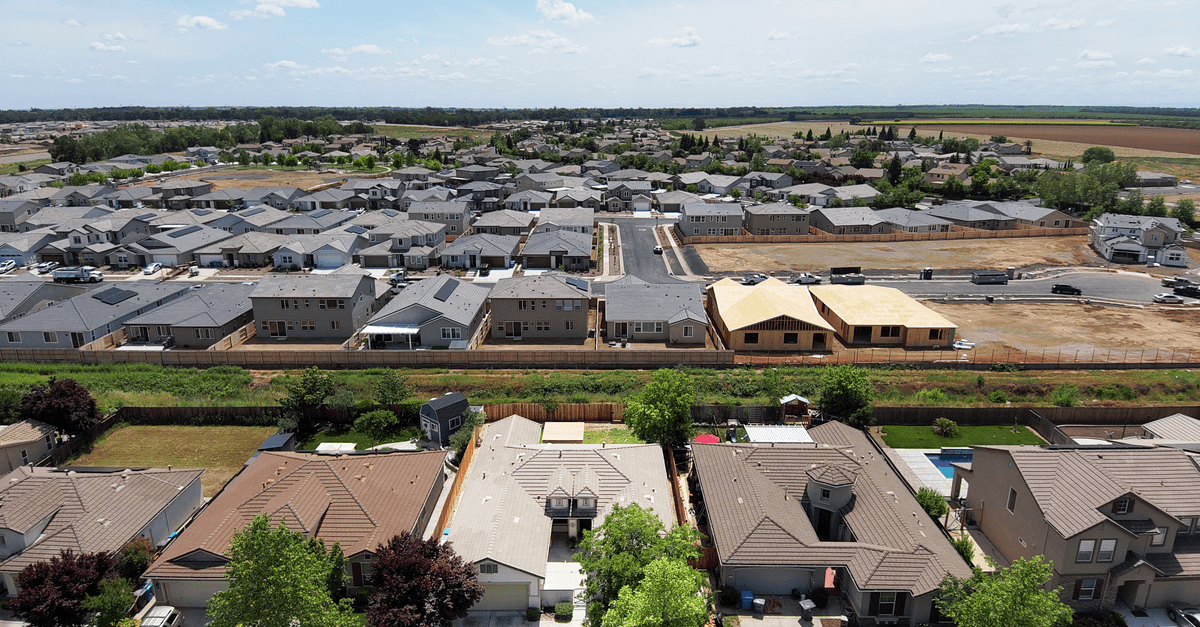
Stop wasting hours analyzing properties manually. Compare multiple investment opportunities side-by-side with quantified financial metrics, risk rankings, and strategic recommendations. Get clarity on which properties offer the best returns, cashflow potential, and risk-adjusted value in minutes instead of hours, then confidently place offers on winners.

You can systematically break down your feature film budget by department, identify which line items trigger studio red flags, and articulate defensible justifications for premium vendor choices and cost escalations. The skill helps you anticipate below-the-line inflation patterns, model budget scenarios for contingency planning, and restructure above-the-line costs against department needs—giving you the financial analysis framework that separates greenlit projects from rejected ones.

You can submit wire rig designs, equipment specifications, and stunt parameters to receive detailed safety engineering analysis. Claude calculates actual vs. rated load capacities across multi-point rigging systems, identifies potential failure modes, flags compliance gaps, and generates formal safety reports ready for insurance and film commissions. This transforms conceptual designs into verified safety assessments before rigging setup begins.