


Editorial Timeline Assembly & Continuity Analysis
Analyze editorial timelines and flag continuity risks for post-production supervisors
 by digital-scienceEntertainment & Performing ArtsFilm & TelevisionPost-Production SupervisorEditorial
What You Can Do
You can rapidly reconstruct editorial decision-making from fragmented notes and footage logs, identify continuity violations before they reach downstream departments, and generate actionable assembly recommendations. This skill transforms manual timeline audits into structured analysis that communicates editorial rationale to producers and editors, eliminating bottlenecks in the revision cycle.
Features
Extract and evaluate editor cut choices against available footage alternatives to determine defensibility and creative intent
Systematically flag eyeline breaks, match cut failures, costume/position inconsistencies, and temporal gaps in sequences
Rebuild complete editorial timelines from fragmented metadata, timecode logs, and editor notes to create unified project records
Document the rationale behind specific cut choices to communicate strategy to producers and revision teams
Create actionable editor feedback that explains why cuts aren't working and proposes alternatives with specific timecode references
Cross-reference footage properties, camera settings, and location continuity across sequences to catch technical inconsistencies
Generate templates and workflows for complex sequences that standardize editorial approach across departments
Example Output
Input: Raw footage log (100 clips, 8 scenes), editor notes on rough cut, and timecode sequence report
Output Example 1 — Continuity Audit:
Scene 3, Cut at 12:34 — EYELINE BREAK
- Actor A looks stage-left in shot 1 (cam A, 00:45:12)
- Cut to reverse on Actor B (cam C, 01:12:44) — B faces camera, not A
- Recommendation: Use alternative take from cam B (01:13:02) where reverse eyeline matches
Output Example 2 — Assembly Strategy Brief:
Sequence: Warehouse confrontation (Scene 5)
Current assembly logic: Wide → Medium → Close-up (emotional escalation)
Risk assessment: ✓ Eyelines consistent | ✓ Match cuts justified | ⚠ 3-frame jump between M2 and CU1
Revised recommendation: Insert B-roll of environment (2sec) between M2→CU1 to justify timing
What's Included
- SKILL.md instruction file: Complete framework for timeline analysis, continuity methodology, and decision mapping
- Continuity Audit Template: Structured checklist covering eyeline consistency, match cuts, costume/position continuity, and temporal logic
- Editorial Decision Mapping Worksheet: Two-column format (cut choice vs. alternatives) for documenting assembly rationale
- Revision Brief Generator: Template for communicating continuity issues to editors with timecode references and alternatives
- Metadata Cross-Reference Checklist: Framework for auditing camera settings, location consistency, and equipment continuity across sequences
Who It's For
- Post-Production Supervisors — Managing editorial workflow, continuity oversight, and producer communication
- Editorial Producers — Reviewing rough cuts and generating revision notes for editorial teams
- Assistant Editors — Reconstructing timeline logic and documenting assembly decisions for supervisor review
- DIT/Post-Production Coordinators — Auditing metadata consistency and generating editorial reports
- Production Managers — Tracking editorial progress and identifying delays caused by continuity issues
Best For
- Rough cut continuity audits before color/sound grading
- Editorial decision documentation and producer communication
- Revision brief generation explaining cut rejections
- Timeline reconstruction from fragmented notes and metadata
- Assembly strategy standardization across multi-editor projects
You might also like

You can generate detailed budget breakdowns tailored to independent film production realities, including realistic contingencies, cost-optimization strategies, and investor-friendly categorization. The skill handles incomplete crew information, creative role combinations, and multi-source financing scenarios—producing budgets that lenders and equity investors trust for securing financing packages.

You can convert creative briefs into 3-5 distinct visual direction options complete with mood boards, color palettes, and art direction specifications within 48-72 hours. The skill helps you reconcile conflicting stakeholder preferences, establish design hierarchies that reinforce brand messaging, and identify practical production constraints before costly set construction begins. You'll generate presentation-ready assets that demonstrate how product placement, lighting, set dressing, and color strategy work together to achieve commercial objectives.

You can convert TV scripts into comprehensive production breakdowns that identify every requirement—cast, locations, effects, equipment, and crew days—and translate them into detailed department budgets. This skill captures TV-specific variables like episode length, multi-camera vs. single-camera formats, and weekly production cycles to produce line-item budgets suitable for internal planning and investor presentations.
You can generate comprehensive series bibles tailored to specific streaming platforms (Netflix, Apple TV+, Amazon Prime, HBO Max) that position your concept for acquisition while maintaining creative authenticity. The skill accounts for binge-watching patterns, platform-specific content policies, algorithmic hooks, and compressed greenlight timelines that distinguish streaming development from traditional broadcast.
This skill helps you rapidly develop cohesive visual design frameworks for TV episodic content by synthesizing script analysis, production parameters, and visual storytelling principles. You'll create design briefs, mood boards, color palettes, and visual continuity documentation that align department heads around a unified aesthetic while maintaining narrative consistency across episodes and production budgets.
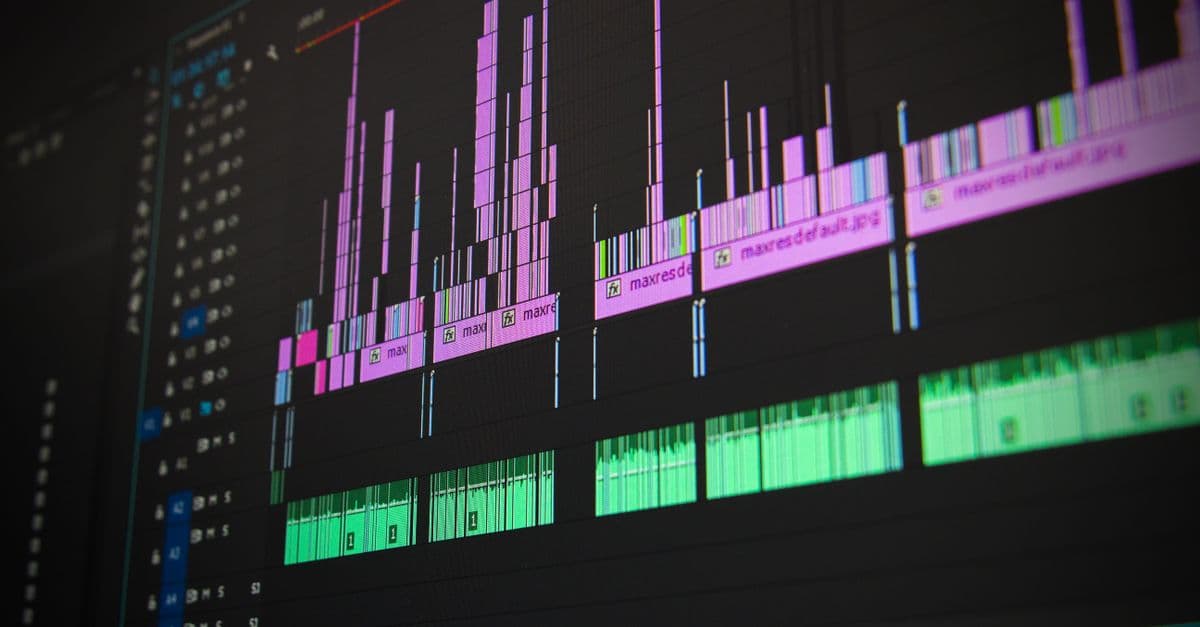
You can break down video content into individual frames and aligned audio segments at any interval you specify. This skill generates PNG images for visual analysis, extracts corresponding audio clips in AAC format, and creates a JSON manifest that maps every frame to its timestamp and audio file—perfect for preparing video content for detailed review, transcription workflows, or handing off to other agents for automated processing.
 by dliangthinks
You can feed Claude any commercial script and receive a complete production breakdown that coordinates all departments while respecting budget and timeline constraints. Claude identifies every shot requirement, location need, talent direction, and scheduling opportunity—systematically flagging production challenges and cost-saving strategies that maintain creative impact. This eliminates manual breakdown work and ensures nothing falls through the cracks in compressed pre-production windows.

You can rapidly conduct script breakdowns that isolate key production needs, anticipate scheduling bottlenecks, and identify directorial challenges specific to episodic television timelines. This skill translates script analysis into clear technical and creative briefs for your department heads, ensuring alignment on blocking, special requirements, and shot prioritization before principal photography begins.