

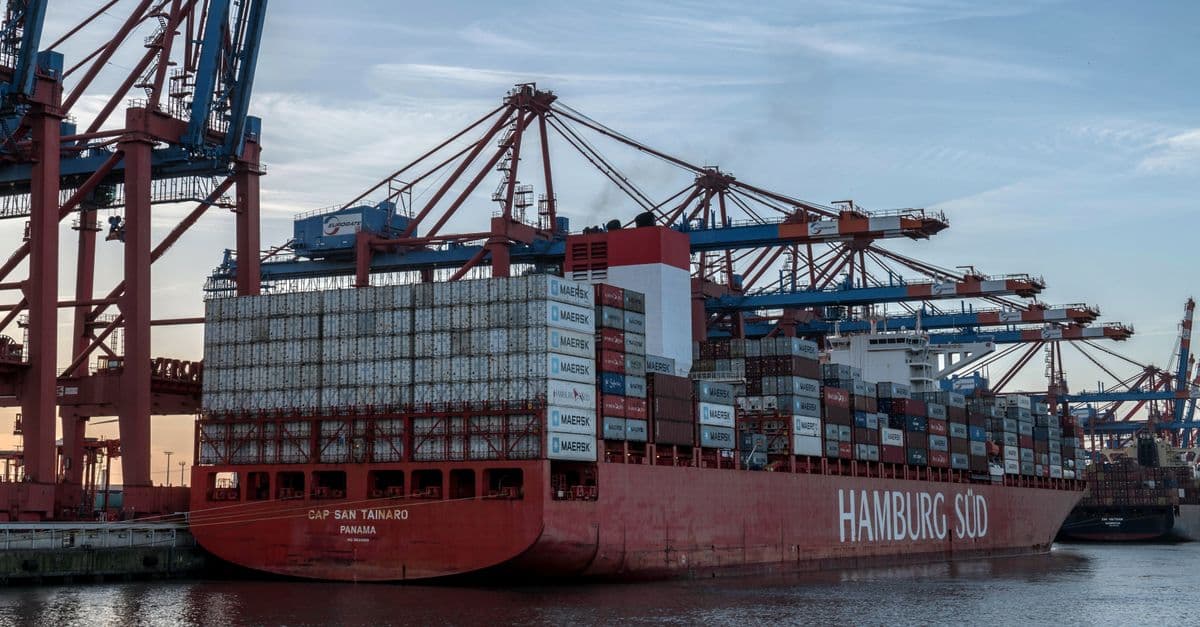
Intermodal Flow Optimization for Port Managers
Reduce port congestion with data-driven intermodal flow coordination
What You Can Do
You can analyze container dwell time patterns across your port to identify bottlenecks and inefficiencies in current operations. Claude coordinates optimal transfer sequences between ship, rail, and truck modes, generating detailed schedules that reduce congestion and maximize throughput. By leveraging data-driven insights, you can implement incremental improvements that compound into significant reductions in container cycle time and operational costs.
Features
Process container datasets to identify which boxes are aging in storage, calculate average dwell periods by origin and destination, and pinpoint the root causes of delays such as berth congestion, rail capacity constraints, or truck availability.
Generate optimized pickup and dropoff schedules that coordinate arrivals between ships, rail yards, and truck gates, eliminating idle time and cascading delays.
Predict container flow volume for the next 7-30 days based on historical patterns, ship schedules, and rail and truck capacity constraints.
Identify emerging bottlenecks before they impact operations, flagging specific hours, terminals, or transport modes at risk of saturation.
Balance constraints across all three transport modes simultaneously, ensuring no single mode becomes the limiting factor in throughput.
Build customizable dashboards to monitor key metrics like average dwell time, peak-hour container count, modal utilization rates, and cost per container processed.
Generate phased improvement plans that prioritize high-impact changes you can implement immediately, with measurable milestones and rollback strategies.
Example Output
Example 1: Dwell Time Analysis Report
Container Age Distribution (your port, last 30 days):
- 0-2 days: 62% (healthy)
- 2-5 days: 24% (slow movers, investigate)
- 5-10 days: 10% (chronic delays)
- 10+ days: 4% (problem containers)
Root cause breakdown for 5-10 day cohort:
- Berth scheduling conflicts: 45%
- Rail capacity constraint: 35%
- Truck pickup delay: 20%
Quick wins: Shift rail pickups by 2 hours, reallocate 3 berth slots to highest-dwell routes.
Example 2: Optimized Transfer Schedule
Transfer Sequence for Tuesday 0800-1600:
- 08:15: Rail pickup (containers #4521-4540): Ship to Rail yard
- 09:30: Truck arrivals (15 containers): Rail to Distribution centers
- 11:00: Ship arrival (200 containers): Berth to Staging area
- 13:45: Second truck wave (25 containers): Ship to Regional hubs
Predicted effect: 18% reduction in average dwell time for this batch.
Example 3: Congestion Alert
Forecast: Friday 1400-1800 at risk. Ship arrival plus rail yard saturation expected to delay 40 containers. Mitigation: Advance Wednesday rail pickups by 4 hours, freeing capacity.
What's Included
- Dwell Time Analyzer: Upload your container manifest (CSV or JSON with container ID, arrival time, departure time, origin, destination) to generate bottleneck reports and aging container lists.
- Modal Transfer Coordinator: Provide current ship, rail, and truck schedules plus capacity constraints; receive optimized pickup and dropoff sequences that maximize resource utilization.
- Throughput Forecaster: Input 90 days of historical container volume data and upcoming ship schedules to generate 7-30 day flow predictions with confidence intervals.
- KPI Dashboard Template: Ready-to-use Excel or Google Sheets template for tracking dwell time, utilization rates, cost per container, and compliance with SLA targets.
- Implementation Roadmap Generator: Create phased optimization plans identifying which changes to prioritize, expected impact per change, and rollback procedures.
Who It's For
- Port Operations Managers
- Terminal Managers and Supervisors
- Supply Chain Optimization Directors
- Intermodal Transportation Coordinators
- Logistics Efficiency Specialists
Best For
- Analyzing and reducing container dwell time
- Optimizing peak-hour modal transfer flows
- Identifying chronic congestion bottlenecks
- Planning multi-modal routing strategies
- Forecasting future throughput capacity
You might also like

You can input your small craft specifications, blueprints, or design parameters and receive detailed technical analysis, regulatory compliance documentation, and comprehensive design reports. The skill generates specification sheets, material recommendations, performance calculations, and safety documentation tailored to your vessel type and intended use.
You can create comprehensive turnaround plans that optimize crew changes, passenger logistics, and vendor coordination while meeting port compliance requirements. This skill helps you manage multiple operational streams in parallel, anticipate delays, and maintain clear communication with all stakeholders involved in cruise ship port visits.
This skill rapidly analyzes ship hulls for hydrodynamic performance, stability characteristics, and maritime regulatory compliance. You provide hull geometry data, design parameters, or vessel specifications, and Claude performs comprehensive assessments including resistance predictions, stability calculations, and compliance checks against IMO and classification society standards. Accelerate your design iteration cycles by automating preliminary analysis that normally requires specialized software and weeks of external consultant review.

You can accelerate the preliminary design phase of shipbuilding projects by analyzing design briefs against regulatory standards, evaluating hull resistance and propulsion requirements, and generating technical compliance documentation. This skill helps naval architects and marine engineers validate design concepts early, identify compliance gaps before detailed design begins, and produce documentation suitable for regulatory review boards and client presentations.
You can generate complete cargo operations plans, calculate optimal loading configurations, verify regulatory compliance, and forecast capacity across multiple vessels. Claude analyzes vessel specs, commodity constraints, port conditions, and cost factors to deliver detailed operations schedules with cost breakdowns and risk assessments.

You receive comprehensive validation of marine system architectures against maritime standards including IMO, SOLAS, and MARPOL regulations. Claude identifies integration conflicts between subsystems (propulsion, navigation, power management), cross-system dependencies, and optimization opportunities while generating compliance documentation and remediation plans for each identified issue.

Accelerate marine propulsion and auxiliary system design by automating FMEA analysis, validating against IMO and classification society standards, and generating comprehensive risk assessments. You'll receive structured failure mode identification, severity/occurrence/detectability scoring, and regulatory compliance documentation that meets international maritime requirements.
Access 30+ RunComfy model endpoints directly from Claude Code, including image-to-video, video-editing, AI image generation, AI video generation, and music composition. Each skill wraps a production endpoint with schema validation and intent-based routing. Use the RunComfy CLI to generate, inpaint, outpaint, and transform media from ACE Step music (tag-driven, $0.0002/s) to video and image models. Skills route automatically based on your request intent.