

Agricultural Processing Optimization
Optimize agricultural processing operations for efficiency, waste reduction, and food safety
What You Can Do
You can upload production logs, equipment specifications, and operational data to Claude for comprehensive analysis of your processing facility. Claude identifies bottlenecks, calculates yield losses, recommends equipment optimizations, and ensures your operations meet food safety standards. Get specific, implementable recommendations to improve throughput, reduce spoilage, lower energy consumption, and strengthen HACCP compliance.
Features
analyzes line flow data to pinpoint delays and capacity constraints
evaluates utilization rates and recommends upgrades or replacements
quantifies losses at each processing stage and suggests reduction strategies
assesses current protocols against regulatory requirements and HACCP standards
estimates water, energy, and chemical consumption across processing stages
proposes process improvements for new products or capacity expansions
develops equipment maintenance plans based on operational patterns
evaluates alternatives (batch vs. continuous, wet vs. dry) with cost-benefit analysis
Example Output
Example 1: Grain Milling Bottleneck Analysis
Input: Production logs showing 2,400 tons/week throughput with 180-minute average processing time, equipment specs for 3 mills, grain moisture data.
Output:
- Current bottleneck identified: Mill B operating at 92% capacity during peak hours
- Recommendation: Implement staggered shift scheduling to reduce peak-hour load to 76%
- Estimated improvement: 8-12% throughput increase without equipment replacement
- Implementation timeline: 2-3 weeks for schedule redesign and staff retraining
Example 2: Dairy Processing Waste Reduction
Input: Monthly production records, whey output data, cleaning logs, yield percentages for cheese and butter lines.
Output:
- Identified waste: 3.2% whey loss during transfer, 1.8% milk loss in cleaning cycles
- Root cause: Inadequate line spacing and outdated valve seals
- Cost-benefit analysis: $8,500 equipment upgrade vs. $47,000 annual waste cost
- Payback period: 2.2 months with 85% waste reduction potential
Example 3: Food Safety HACCP Review
Input: Current HACCP documentation, temperature control logs, sanitation records, allergen protocols.
Output:
- Compliance gaps identified: Missing critical control point documentation for pasteurization stage
- Recommended corrective actions: Install redundant temperature monitoring with alarm systems
- Regulatory alignment: Updated procedures meet FDA FSMA requirements
- Documentation templates provided for implementation
What's Included
- SKILL.md: Complete instruction file with skill overview, use cases, and operational context
- Processing Analysis Template: Structured format for inputting production logs, equipment specifications, and operational metrics
- HACCP Review Checklist: Step-by-step food safety compliance verification aligned with regulatory standards
- Equipment Evaluation Framework: Matrix for comparing processing methods, capacity, efficiency, and cost-benefit analysis
- Waste Reduction Worksheet: Template for calculating losses at each processing stage with improvement recommendations
Who It's For
- Agricultural engineers — optimizing processing operations and equipment performance
- Food processing facility managers — improving throughput, reducing waste, and maintaining compliance
- Plant operations supervisors — troubleshooting bottlenecks and planning maintenance schedules
- Production quality specialists — ensuring food safety protocols and HACCP compliance
- Agricultural business consultants — advising clients on process efficiency and cost reduction
Best For
- Identifying and resolving production line bottlenecks
- Evaluating equipment replacement or upgrade decisions
- Calculating waste streams and planning reduction strategies
- Designing or redesigning processing workflows for new products
- Preparing or reviewing food safety documentation and HACCP plans
You might also like
You can develop complete mechanization system architectures that match your farm's specific operations, soil conditions, and economic constraints. This skill guides you through equipment selection, power management, field logistics optimization, and ROI analysis to create actionable mechanization strategies that improve operational efficiency while maintaining sustainability and profitability.
Analyze crop disease symptoms and receive rapid, evidence-based diagnoses specific to your specialty crop type. Generate spray schedules that rotate fungicide families to prevent resistance, comply with organic or export certifications, and time applications around critical crop growth stages. Cross-reference environmental conditions, disease pressure windows, and buyer residue requirements to create season-long disease management calendars that minimize crop loss while maintaining market compliance.
Analyze fruit maturity indicators across vineyard blocks to determine optimal harvest windows while accounting for weather forecasts, crush pad capacity, and labor availability. You'll receive structured recommendations on which blocks to harvest and in what sequence, plus logistics coordination plans that balance quality outcomes with operational constraints.
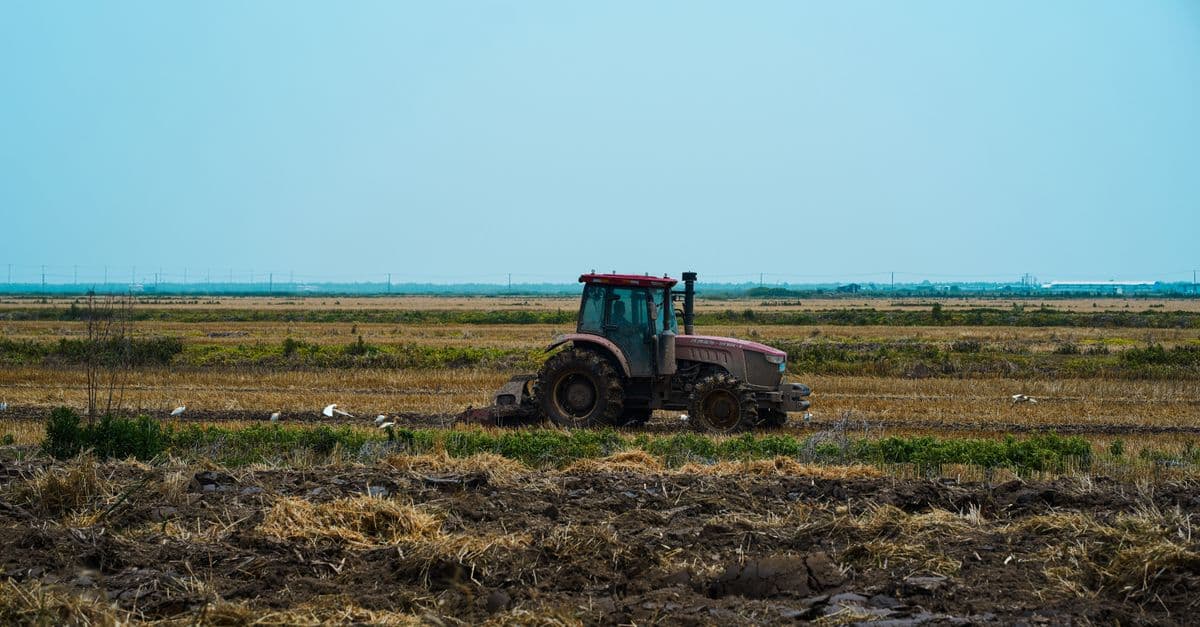
You can systematically evaluate mechanization investments by calculating total cost of ownership (TCO), comparing ownership versus leasing scenarios, and assessing labor replacement equipment. The skill delivers quantified operational efficiency gains and long-term financial projections, reducing evaluation time from weeks to hours while building stakeholder confidence in capital deployment decisions.
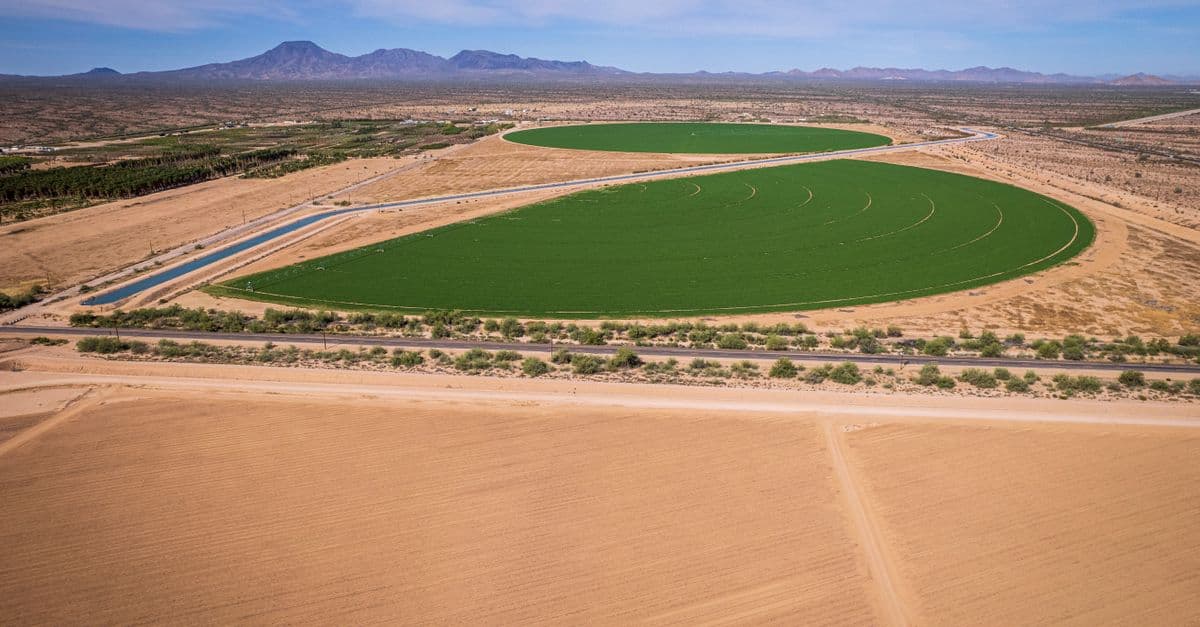
You can systematically design irrigation systems by inputting crop type, soil characteristics, field dimensions, and climate data. Claude calculates seasonal water requirements, determines optimal application rates, sizes pumps and lateral lines for your topography, generates equipment specifications with material takeoffs, and produces side-by-side cost comparisons across different system configurations. The skill generates field-ready layouts with coverage calculations and pressure loss analysis across your pipeline network.
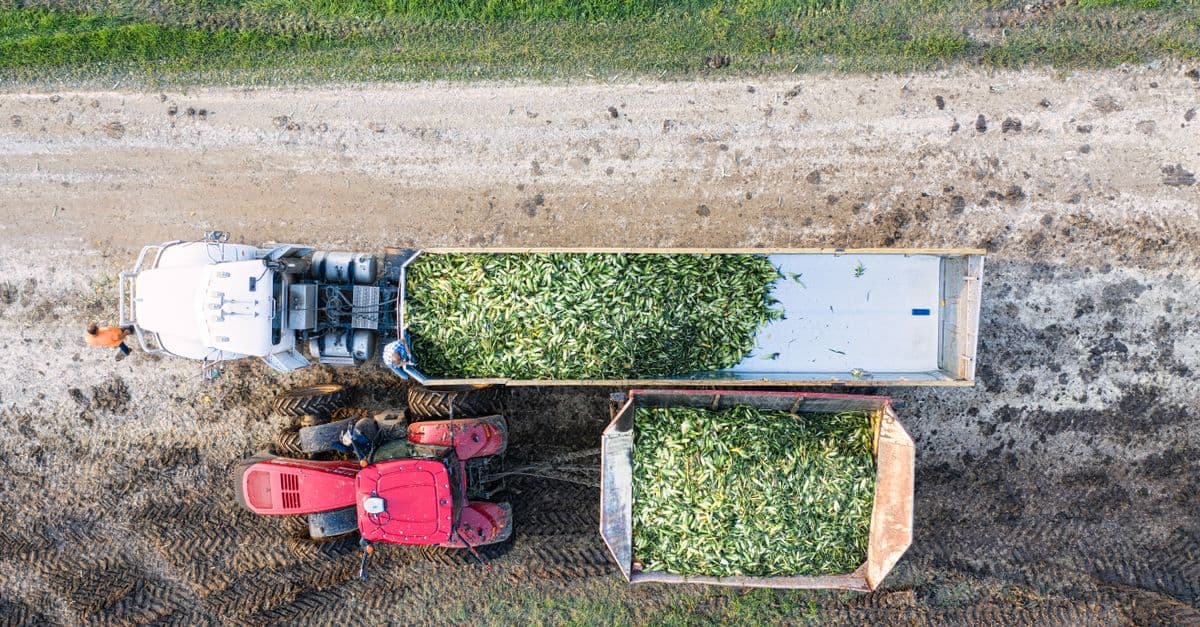
Transform raw field variability data—soil EC maps, yield histories, organic matter, elevation, and satellite imagery—into agronomically sound, equipment-ready prescription maps. You'll generate site-specific application recommendations for fertilizer, fungicides, herbicides, and seed rates across field zones, with quantified cost savings and environmental impact reductions that justify zone-based management to stakeholders.

You can analyze ripeness progression across individual vineyard blocks and predict optimal harvest windows by integrating phenolic and sugar maturity data with real-time weather forecasts, labor scheduling constraints, and vintage market positioning. The skill helps you coordinate multi-block harvest logistics while accounting for unexpected weather events, equipment availability, and production cost targets.
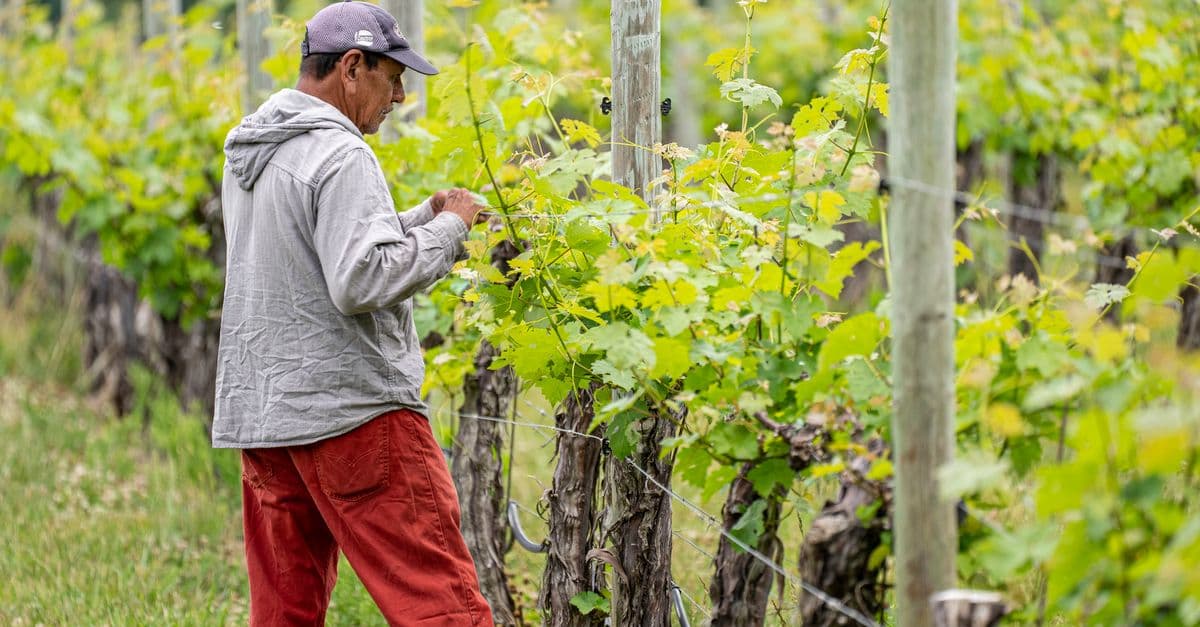
You can systematically evaluate your vineyard's sustainability performance across water management, soil health, pesticide use, carbon footprint, input costs, labor practices, and community relations. Claude generates quantifiable baselines, identifies high-impact interventions tailored to viticulture's unique constraints (seasonal labor, phytosanitary pressures, terroir dependencies), and creates implementation roadmaps that integrate with your existing operations—whether you're pursuing organic certification, biodynamic transition, or responding to retailer sustainability requirements.