

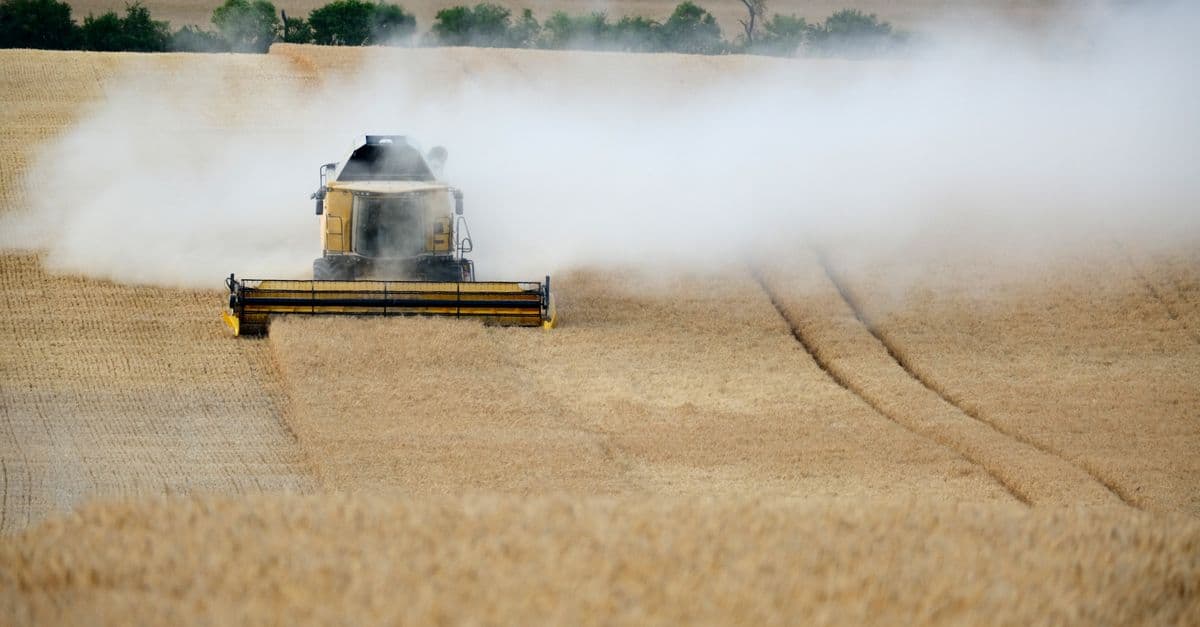
Crop Genetic Trait Analysis & Breeding Optimization
Analyze crop genetics and optimize breeding strategies from trial data and genomic records
What You Can Do
You can systematically analyze crop genetic traits, interpret breeding trial data, and develop strategic variety improvement plans by identifying superior allele combinations and predicting offspring performance. This skill helps you determine optimal parent combinations, calculate expected genetic gains across breeding cycles, and navigate trait trade-offs to maximize breeding program efficiency and accelerate variety development timelines.
Features
evaluate multi-generation family records to identify superior germplasm and predict trait segregation patterns
analyze phenotypic data across 100+ breeding lines to understand trait relationships and optimize selection strategies
predict variety performance using molecular markers and genomic data before field validation
recommend crossing blocks based on genetic complementarity and desired trait combinations
calculate realistic yield and quality improvements over multiple breeding cycles using historical trial data
identify and minimize undesired allele combinations linked to superior traits
evaluate trade-offs between competing objectives (yield, disease resistance, quality) under resource constraints
synthesize breeding data into comprehensive profiles for regulatory submission or market positioning
Example Output
Example 1: Parent Selection Recommendation
Analysis of 48 breeding lines across 6 generations:
- Parent A (Spring Wheat Line 2019-447): High yield (+12% vs. check), moderate disease resistance, superior protein content (14.2%)
- Parent B (Rust-Resistant Germplasm NAM-156): Excellent stripe rust immunity, 8% yield penalty, acceptable quality
- Recommended F1 Cross: 2019-447 × NAM-156 expected to recover 85-90% of yield advantage while fixing rust immunity in 2-3 generations
Example 2: Trait Trade-off Analysis
Yield vs. Disease Resistance (from 120 trial observations):
- Correlation coefficient: r = -0.34 (negative, weak-to-moderate)
- Genetic gain projection: 2.5% annual yield gain possible with simultaneous 15% improvement in stripe rust resistance
- Selection intensity recommendation: Prioritize the top 20% of lines for both traits; expect 1 superior variety per 200 crosses
Example 3: Genomic Selection Report
Variety ZX-2024 (F2 candidate):
- SNP panel results: 94% homozygosity at yield QTL regions, 100% at disease resistance loci
- Predicted grain protein: 13.8% (±0.6%)
- Risk assessment: Low linkage drag expected; recommend advancing to F3 replicated trials
What's Included
- SKILL.md instruction file with trait analysis methodology and inheritance prediction protocols:
- Pedigree evaluation template: standardized format for multi-generation family data entry and inheritance tracking
- Breeding trial analysis checklist: step-by-step workflow for synthesizing phenotypic data from replicated trials
- Trait correlation matrix framework: structured approach to identifying trait relationships and selection trade-offs
- Genetic gain projection worksheet: calculations and interpretation guidance for realistic variety improvement timelines
Who It's For
- Plant geneticists and breeding program directors designing multi-year variety development strategies
- Agronomists managing breeding trials and selecting superior lines for advancement
- Seed company researchers evaluating germplasm and optimizing parent combinations
- University crop science faculty analyzing breeding data and mentoring graduate students
- Regulatory affairs specialists preparing variety documentation for submission
Best For
- Analyzing pedigree records and predicting trait inheritance across generations
- Synthesizing multi-year breeding trial data to inform parent selection decisions
- Interpreting genomic selection markers and assessing variety performance potential
- Evaluating trade-offs between competing traits (yield, disease resistance, quality) in variety development
- Projecting genetic gains and establishing realistic breeding program objectives
- Identifying linkage drag and optimizing allele combinations in crossing strategies
- Preparing comprehensive variety profiles for regulatory or commercial purposes
You might also like
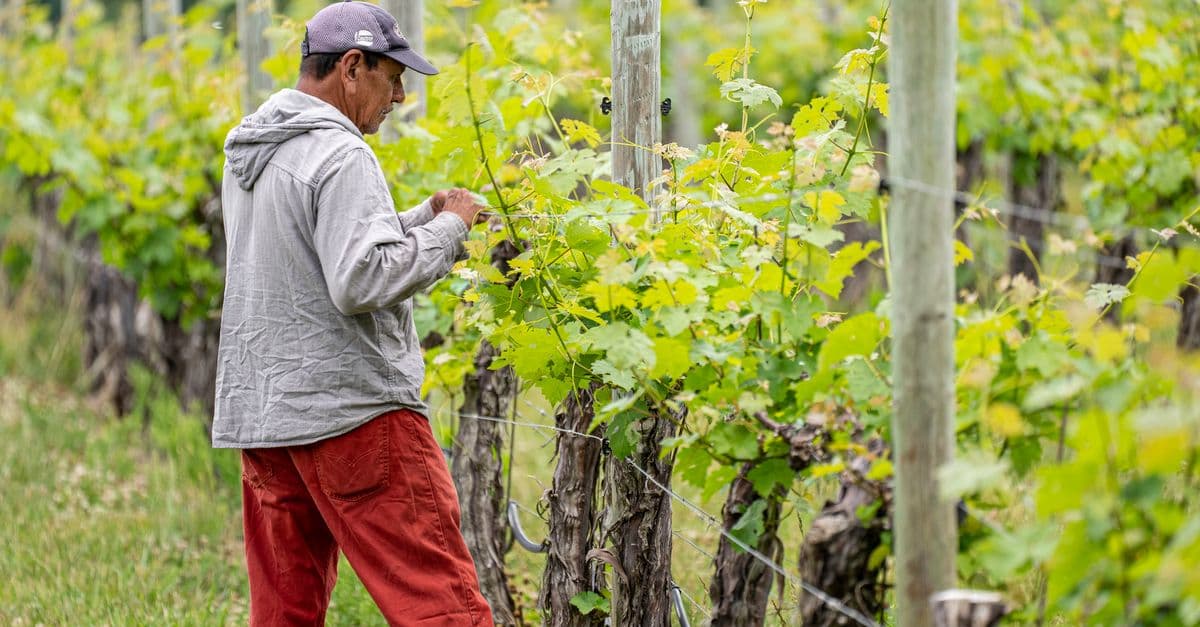
You can systematically evaluate your vineyard's sustainability performance across water management, soil health, pesticide use, carbon footprint, input costs, labor practices, and community relations. Claude generates quantifiable baselines, identifies high-impact interventions tailored to viticulture's unique constraints (seasonal labor, phytosanitary pressures, terroir dependencies), and creates implementation roadmaps that integrate with your existing operations—whether you're pursuing organic certification, biodynamic transition, or responding to retailer sustainability requirements.
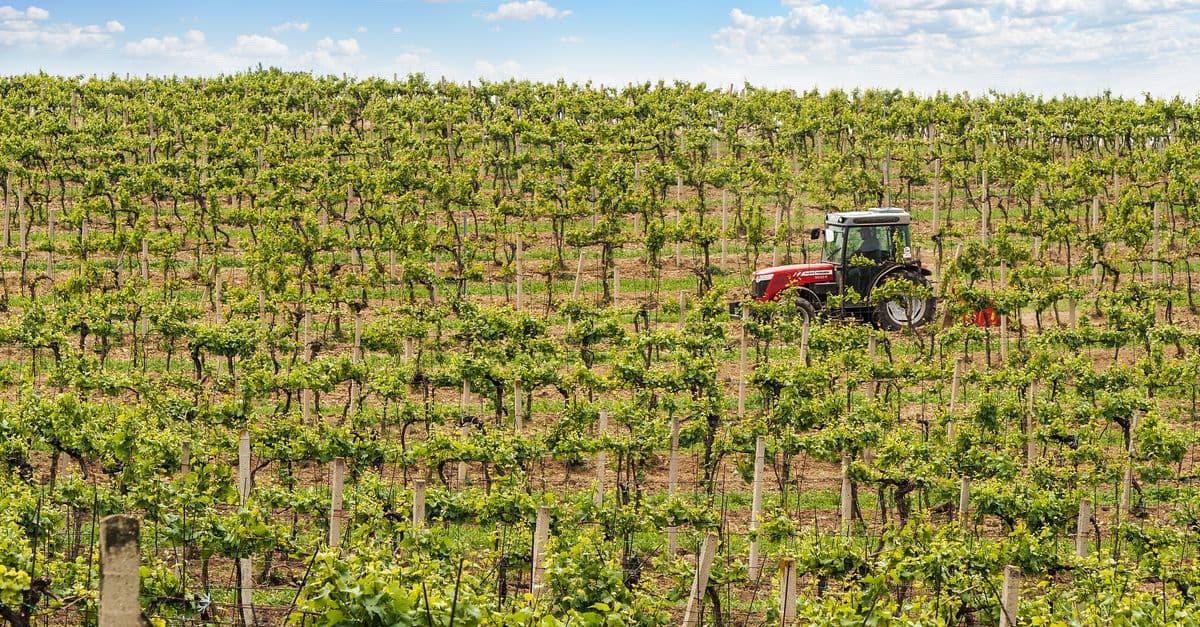
Analyze fruit maturity indicators across vineyard blocks to determine optimal harvest windows while accounting for weather forecasts, crush pad capacity, and labor availability. You'll receive structured recommendations on which blocks to harvest and in what sequence, plus logistics coordination plans that balance quality outcomes with operational constraints.

You can systematically evaluate mechanization investments by calculating total cost of ownership (TCO), comparing ownership versus leasing scenarios, and assessing labor replacement equipment. The skill delivers quantified operational efficiency gains and long-term financial projections, reducing evaluation time from weeks to hours while building stakeholder confidence in capital deployment decisions.
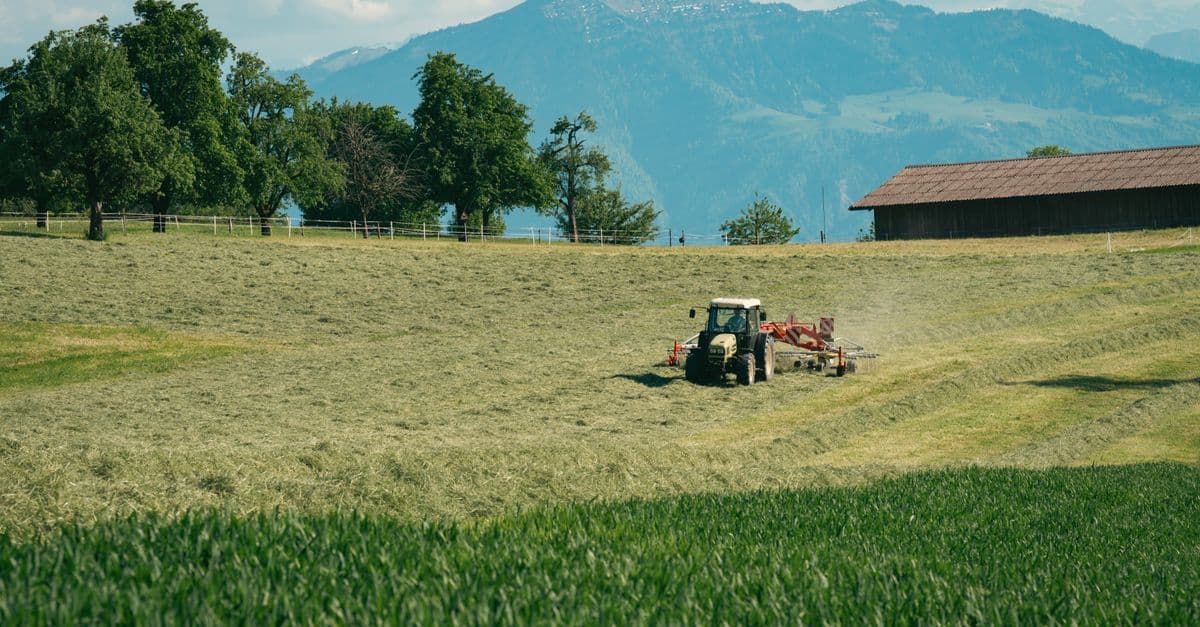
You can develop complete mechanization system architectures that match your farm's specific operations, soil conditions, and economic constraints. This skill guides you through equipment selection, power management, field logistics optimization, and ROI analysis to create actionable mechanization strategies that improve operational efficiency while maintaining sustainability and profitability.
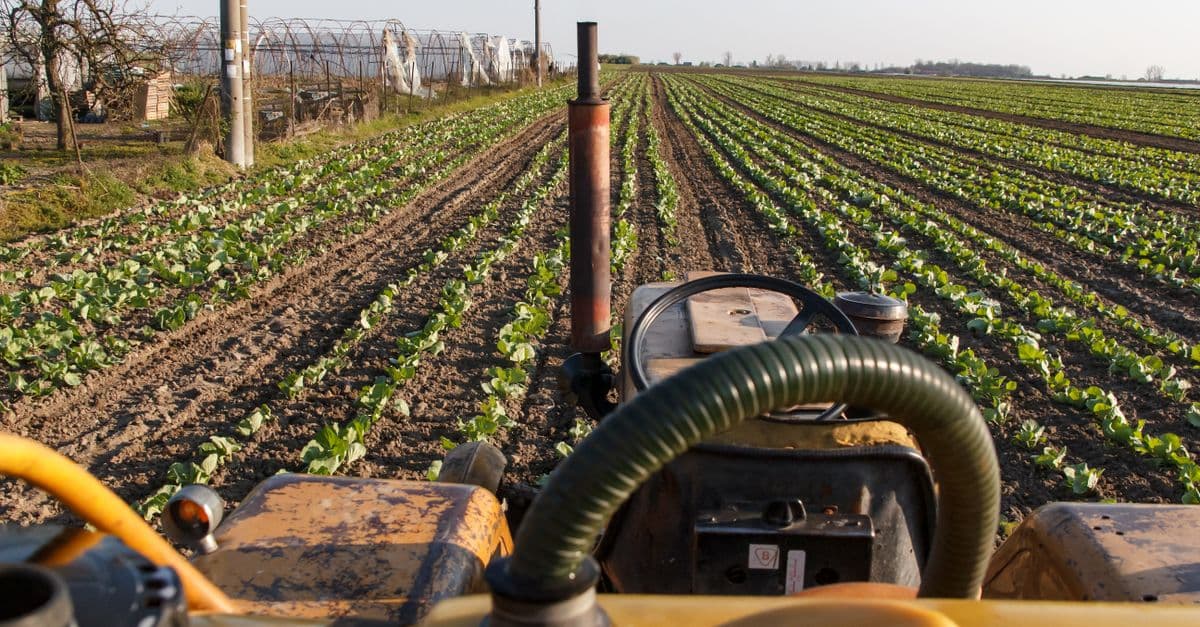
You can systematically analyze germplasm trial data to identify elite parent combinations and predict breeding outcomes. This skill processes yield, disease resistance, morphological traits, and environmental variables to quantify genotype-by-environment interactions, recommend optimal crossing strategies, and document data-driven selection rationale for regulatory compliance. It bridges raw field data and strategic breeding decisions, helping you achieve genetic gain faster while minimizing subjective bias in parental selection.
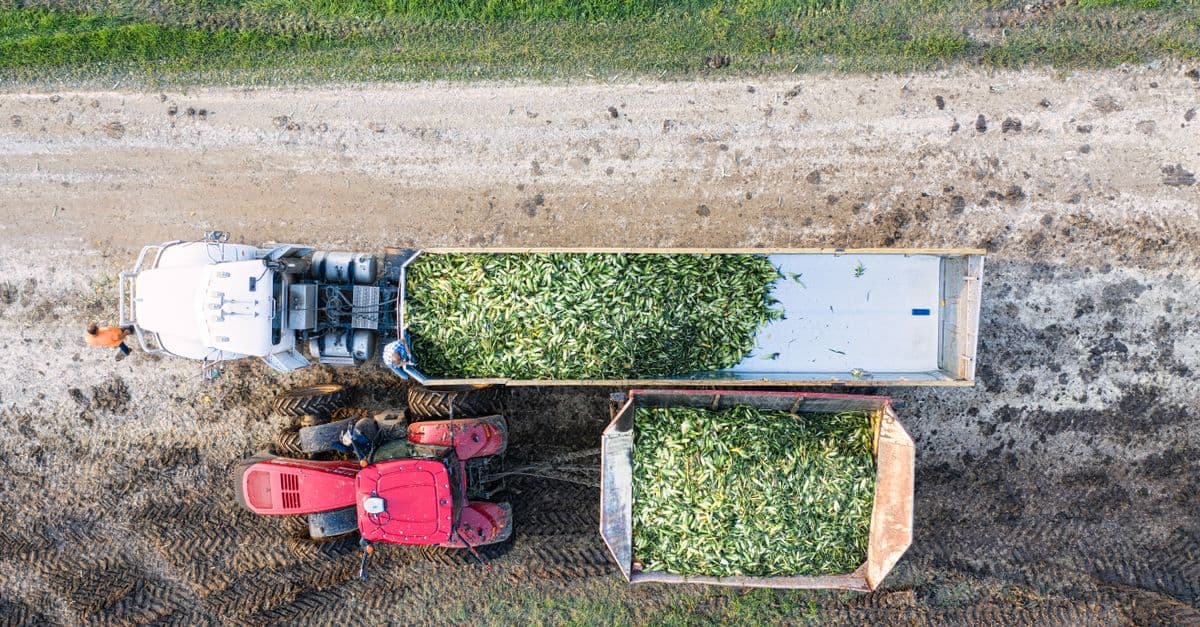
Transform raw field variability data—soil EC maps, yield histories, organic matter, elevation, and satellite imagery—into agronomically sound, equipment-ready prescription maps. You'll generate site-specific application recommendations for fertilizer, fungicides, herbicides, and seed rates across field zones, with quantified cost savings and environmental impact reductions that justify zone-based management to stakeholders.

You can analyze ripeness progression across individual vineyard blocks and predict optimal harvest windows by integrating phenolic and sugar maturity data with real-time weather forecasts, labor scheduling constraints, and vintage market positioning. The skill helps you coordinate multi-block harvest logistics while accounting for unexpected weather events, equipment availability, and production cost targets.
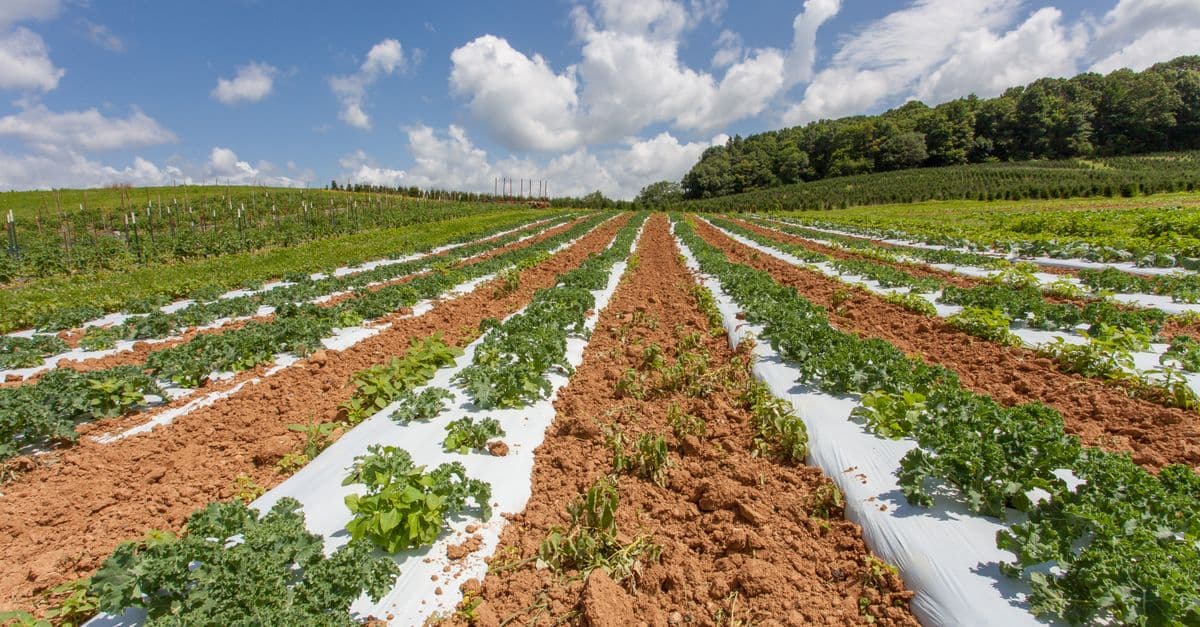
Analyze crop disease symptoms and receive rapid, evidence-based diagnoses specific to your specialty crop type. Generate spray schedules that rotate fungicide families to prevent resistance, comply with organic or export certifications, and time applications around critical crop growth stages. Cross-reference environmental conditions, disease pressure windows, and buyer residue requirements to create season-long disease management calendars that minimize crop loss while maintaining market compliance.