


Conditional Use Permit Analyzer
Analyze conditional use permits and generate legally defensible staff reports

What You Can Do
This skill structures your conditional use permit analysis to ensure legally defensible findings and consistent decision-making across your jurisdiction. You'll evaluate applications against specific approval criteria, identify required mitigations and conditions with justifiable nexus to impacts, and generate comprehensive staff reports that document your discretionary reasoning and withstand appeals.
Features
analyzes applications against jurisdiction-specific conditional use approval criteria
generates documented reasoning that withstands administrative and judicial appeals
identifies required mitigations and conditions with clear nexus to project impacts
maintains decision-making consistency across similar applications and use types
produces comprehensive reports with findings, conditions, and recommendations
structures reasoning that clearly supports approval or denial recommendations
ensures analysis covers all required approval standards and thresholds
Example Output
Findings of Fact:
- The proposed restaurant use is listed as a conditional use in the C-2 Commercial District
- Site plan demonstrates adequate parking (1 space per 300 sq ft occupied by customers)
- Noise mitigation plan includes acoustic insulation and service hour restrictions
- Applicant provided traffic impact study showing no significant impacts to adjacent residential areas
Recommended Conditions:
- Operating hours limited to 7 AM–11 PM to minimize noise impacts on adjacent residential neighborhood
- Outdoor service area prohibited within 100 feet of residential property lines
- Annual review of condition compliance required
Recommendation: APPROVAL with conditions. All approval criteria satisfied; proposed conditions adequately mitigate identified impacts.
What's Included
- SKILL.md instruction file: detailed framework for systematic conditional use analysis
- Approval criteria checklist: template for documenting findings against jurisdiction standards
- Conditions development worksheet: framework for linking conditions to specific impacts and code standards
- Staff report template: section-by-section structure (project summary, findings, conditions, recommendation)
- Appeal defensibility guide: checklist for ensuring findings withstand challenges
Who It's For
- Zoning Administrators — reviewing and recommending on conditional use permit applications
- Planning Directors — supervising staff analysis and ensuring consistency across applications
- Planning Commissioners — evaluating staff reports and making approval decisions
- City/County Attorneys — reviewing findings for legal sufficiency before hearings
- Planning staff and consultants — generating initial analyses and staff reports
Best For
- Evaluating restaurant, retail, or office conditional use applications
- Analyzing discretionary use requests with potential neighborhood impacts
- Developing enforceable conditions tied to specific project impacts
- Generating legally defensible staff reports for planning commission or council hearings
- Training new planning staff on systematic approval criteria analysis
You might also like
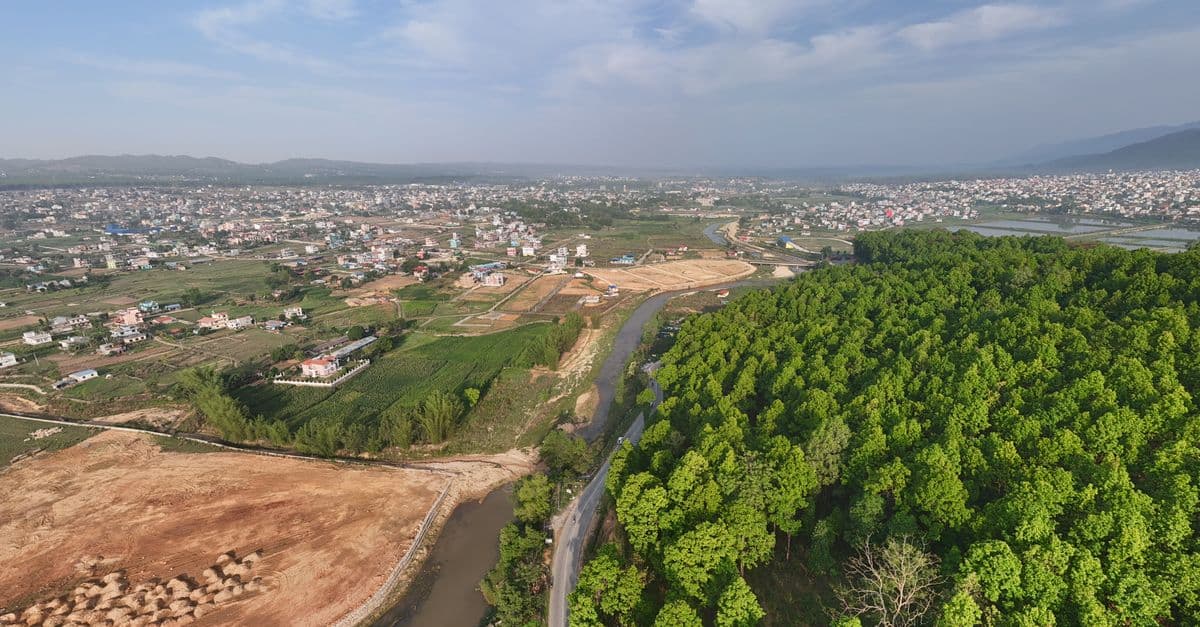
You can conduct comprehensive land use compatibility assessments that identify vertical and horizontal conflicts between proposed developments and surrounding uses. The skill helps you evaluate zoning compliance, assess adjacency impacts, document regulatory alignment, and develop evidence-based mitigation strategies that withstand planning commission and city council scrutiny.

Conduct rigorous corridor-level capacity assessments that balance competing modal demands within constrained right-of-way. You analyze existing conditions across all transportation modes, identify true capacity constraints versus perceived limitations, and generate defensible recommendations for modal reallocation—all grounded in traffic engineering principles, transit operations data, and urban design standards. This skill moves beyond single-mode optimization to deliver integrated corridor function recommendations that stakeholders can act upon.

You can synthesize coastal datasets (tide gauges, LIDAR, bathymetry, historical shorelines) to quantify erosion trends and sea-level rise impacts. Claude builds deterministic and probabilistic inundation projections, assesses infrastructure vulnerability, and translates technical analysis into policy-relevant findings that satisfy state coastal zone management and NEPA/CEQA compliance requirements for development approvals and adaptation investments.

This skill structures the variance analysis process to ensure consistency, reduce bias, and create audit trails that justify approvals or denials based on established legal standards. You'll generate comprehensive reports that document substantial difficulty claims, unique circumstances, hardship justifications, and condition frameworks that withstand administrative review and potential legal challenge.
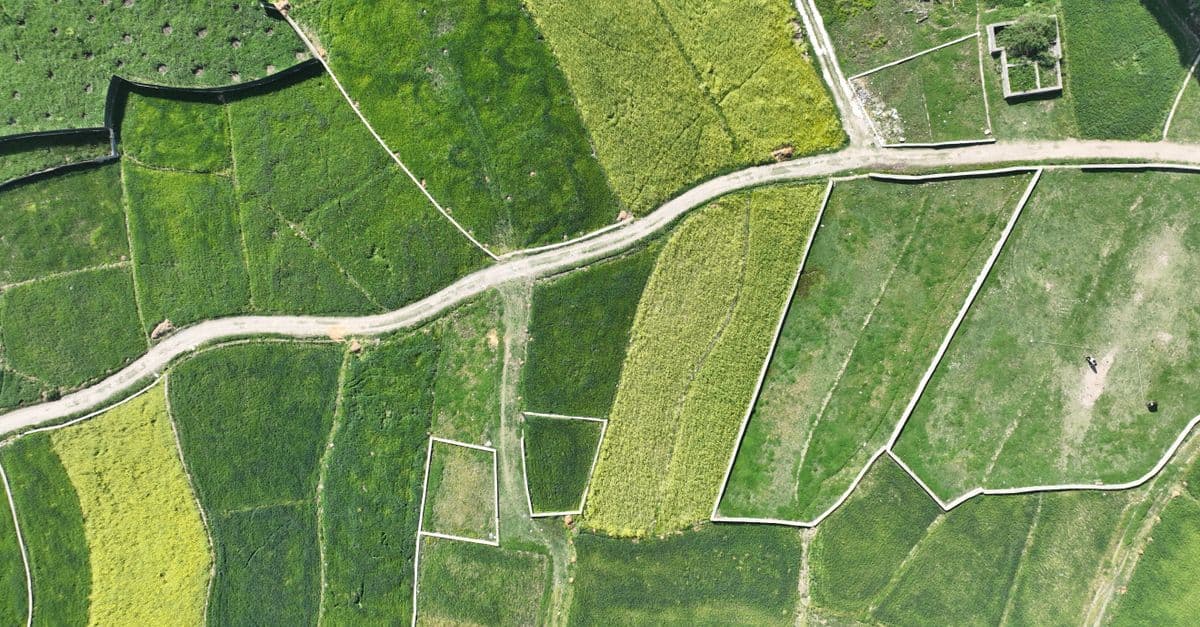
You can systematically design spatial analysis workflows that integrate vector data (zoning boundaries, infrastructure networks, parcel geometries) with raster datasets (elevation models, land use classifications, accessibility surfaces). The skill provides validation protocols to identify data resolution conflicts, projection misalignments, overlay logic errors, and output specification issues before analysis execution. You'll communicate complete analysis specifications to technical teams and stakeholders with confidence that the workflow methodology is sound.

You can identify slow spatial queries, analyze PostGIS execution plans, design optimal spatial indexes (GIST, BRIN, SP-GIST), and restructure database schemas for efficient land use analysis, zoning verification, and infrastructure mapping. This skill helps you troubleshoot why intersection queries timeout, optimize buffer operations on large feature classes, and accelerate web mapping service delivery without requiring application code changes.

You can systematically design engagement strategies that move beyond checkbox consultation to genuine stakeholder co-creation. Claude helps you develop structured dialogue frameworks, identify underlying community concerns versus stated objections, anticipate conflicts between community priorities and project feasibility, and create communication materials that resonate across diverse education levels, languages, and media preferences. This skill guides you through multi-phase engagement planning, equity-focused participation design, and documentation of engagement quality for municipal approvals.

Transform violation complaints and site inspection data into standardized, defensible enforcement documentation. You can rapidly assess violation severity, establish reasonable remediation timelines, prioritize enforcement actions across multiple violations, and generate compliance agreements that protect jurisdictional authority. The skill structures your analysis to create documentation suitable for both negotiated compliance and formal enforcement proceedings.