


Community Engagement Strategy Developer
Design community engagement strategies that build authentic stakeholder buy-in for urban projects

What You Can Do
You can systematically design engagement strategies that move beyond checkbox consultation to genuine stakeholder co-creation. Claude helps you develop structured dialogue frameworks, identify underlying community concerns versus stated objections, anticipate conflicts between community priorities and project feasibility, and create communication materials that resonate across diverse education levels, languages, and media preferences. This skill guides you through multi-phase engagement planning, equity-focused participation design, and documentation of engagement quality for municipal approvals.
Features
Create structured conversation guides tailored to specific stakeholder groups and project phases
Identify underlying community objections, equity gaps, and overlooked populations before engagement begins
Validate engagement approaches against real-world constraints: timeline pressures, conflicting priorities, political dynamics
Develop step-by-step processes for navigating disagreements between community needs and project feasibility
Design differentiated communication strategies for diverse stakeholders: residents, businesses, institutional partners, historically excluded populations
Produce accessible communication templates, FAQ frameworks, and presentation outlines for different audience literacy levels
Create audit trails and impact assessments demonstrating participation quality for municipal approvals and grant requirements
Example Output
Example 1: Dialogue Framework for Mixed-Use Rezoning
Prompt: "Help me design a dialogue framework for 50-person community meeting about mixed-use rezoning that increases density 40%. Key stakeholders: long-term residents (age 55+), small business owners, young professionals, renters."
Output:
- Opening frame: "We're here to co-create a project that brings housing, jobs, and services while protecting what makes our neighborhood distinct"
- Concern validation: Mapped 6 underlying concerns (displacement anxiety, parking, school overcrowding, loss of character, traffic, displacement of existing businesses)
- Small group discussions: 4 conversation guides for mixed groups addressing specific concerns with feasibility realities
- Resolution pathways: 3 design modifications addressing top 3 concerns without scope creep
Example 2: Equity-Focused Engagement Design
Prompt: "Design a 12-month equity-focused engagement plan for waterfront redevelopment in a neighborhood that's 60% immigrant residents, mostly non-English speakers."
Output:
- Phase 1 (Months 1-3): Trusted messenger strategy identifying community leaders, interpreters, cultural brokers
- Phase 2 (Months 4-9): Bilingual dialogues, food-centered community meetings, small business partnership program
- Phase 3 (Months 10-12): Co-design workshops with 3 design modifications driven by community input
- Success metrics: 40% participation from historically excluded populations, 85% feeling heard
Example 3: Conflict Resolution Protocol
Prompt: "Create a conflict resolution protocol for disagreement: community wants affordable housing, developer says market rate required for project feasibility."
Output:
- Underlying interests: Community (displacement prevention) vs. Developer (return targets)
- Shared interests: Project success, neighborhood stability, long-term viability
- Options: Density bonus affordable units, inclusionary zoning, community land trust partnership, mixed-income design
- Decision framework: Trade-off matrix showing feasibility vs. affordability for each option
What's Included
- SKILL.md instruction file: Complete methodology for engagement strategy design
- Dialogue Framework Templates: Pre-structured conversation guides for 6 common project types (rezoning, infrastructure, mixed-use, institutional expansion, waterfront redevelopment)
- Stakeholder Mapping Worksheet: Template for identifying audiences, concerns, influence levels, and communication preferences
- Conflict Scenario Library: 12 common community development conflicts with resolution pathways and trade-off frameworks
- Engagement Documentation Checklist: Municipal approval requirements, impact assessment template, participation metrics
Who It's For
- Urban planners and development managers — Design engagement strategies that move projects from opposition to ownership within political and timeline constraints
- Community development directors — Create equity-focused participation programs that reach historically excluded populations
- Municipal staff and planning departments — Develop engagement documentation that satisfies municipal approval requirements and grant conditions
- Project managers for infrastructure/institutional expansion — Anticipate community concerns before major opposition coalesces
- Nonprofit housing and development organizations — Build stakeholder coalitions that strengthen funding applications and community partnerships
Best For
- Initial engagement strategy design for rezoning, mixed-use development, or infrastructure projects
- Navigating significant community opposition by identifying underlying concerns versus stated objections
- Multi-phase engagement planning across 12+ months with diverse stakeholder groups
- Creating communication materials that work across education levels, languages, and media preferences
- Designing equity-focused participation that reaches historically excluded populations
- Documenting engagement quality for municipal approvals, grant requirements, or stakeholder accountability
You might also like
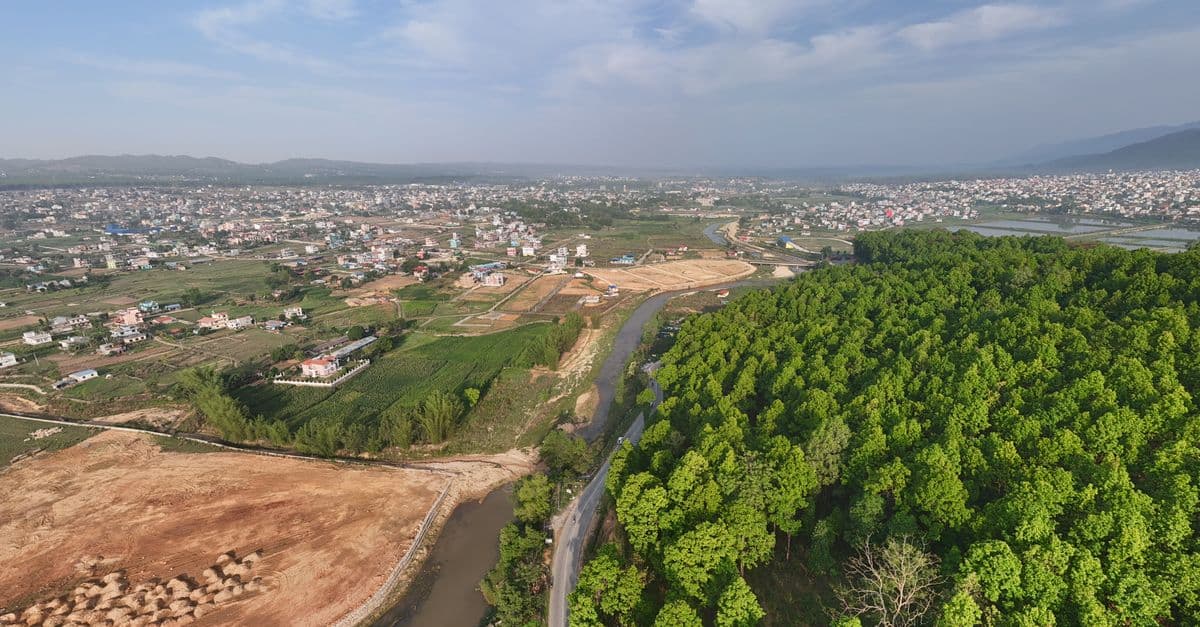
You can conduct comprehensive land use compatibility assessments that identify vertical and horizontal conflicts between proposed developments and surrounding uses. The skill helps you evaluate zoning compliance, assess adjacency impacts, document regulatory alignment, and develop evidence-based mitigation strategies that withstand planning commission and city council scrutiny.

You can synthesize coastal datasets (tide gauges, LIDAR, bathymetry, historical shorelines) to quantify erosion trends and sea-level rise impacts. Claude builds deterministic and probabilistic inundation projections, assesses infrastructure vulnerability, and translates technical analysis into policy-relevant findings that satisfy state coastal zone management and NEPA/CEQA compliance requirements for development approvals and adaptation investments.

This skill structures the variance analysis process to ensure consistency, reduce bias, and create audit trails that justify approvals or denials based on established legal standards. You'll generate comprehensive reports that document substantial difficulty claims, unique circumstances, hardship justifications, and condition frameworks that withstand administrative review and potential legal challenge.
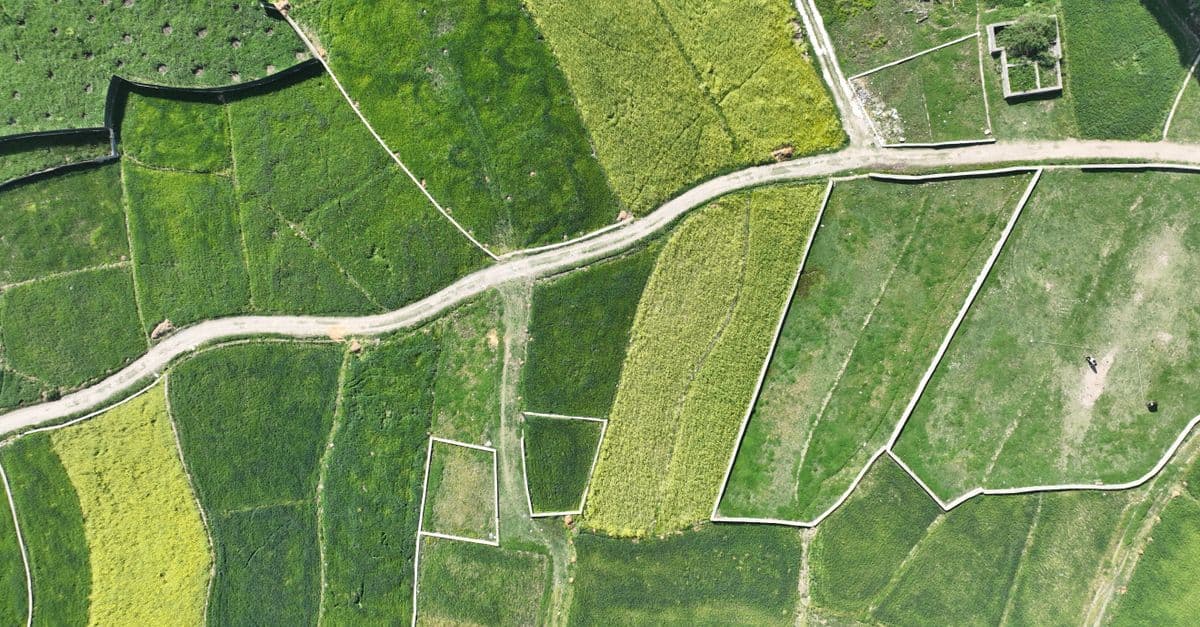
You can systematically design spatial analysis workflows that integrate vector data (zoning boundaries, infrastructure networks, parcel geometries) with raster datasets (elevation models, land use classifications, accessibility surfaces). The skill provides validation protocols to identify data resolution conflicts, projection misalignments, overlay logic errors, and output specification issues before analysis execution. You'll communicate complete analysis specifications to technical teams and stakeholders with confidence that the workflow methodology is sound.

This skill guides you through comprehensive environmental impact analysis using NEPA's analytical framework. You can evaluate direct, indirect, and cumulative effects across multiple resource categories (air quality, water resources, wildlife, cultural resources, socioeconomics), develop defensible mitigation measure hierarchies using the avoidance-minimization-compensation approach, and structure complex impact analyses across thousands of pages of EIS documentation while ensuring internal consistency and regulatory defensibility.

You can identify slow spatial queries, analyze PostGIS execution plans, design optimal spatial indexes (GIST, BRIN, SP-GIST), and restructure database schemas for efficient land use analysis, zoning verification, and infrastructure mapping. This skill helps you troubleshoot why intersection queries timeout, optimize buffer operations on large feature classes, and accelerate web mapping service delivery without requiring application code changes.

You can systematically evaluate existing transit networks to quantify performance gaps, forecast demand patterns under different scenarios, and develop optimization strategies backed by data. The skill helps you identify underperforming corridors, model service changes before implementation, pinpoint infrastructure gaps, and build stakeholder-ready arguments for transit investment decisions with supporting analysis.

Transform violation complaints and site inspection data into standardized, defensible enforcement documentation. You can rapidly assess violation severity, establish reasonable remediation timelines, prioritize enforcement actions across multiple violations, and generate compliance agreements that protect jurisdictional authority. The skill structures your analysis to create documentation suitable for both negotiated compliance and formal enforcement proceedings.