

Community Nutrition Program Designer
Design culturally-responsive nutrition programs for your community
What You Can Do
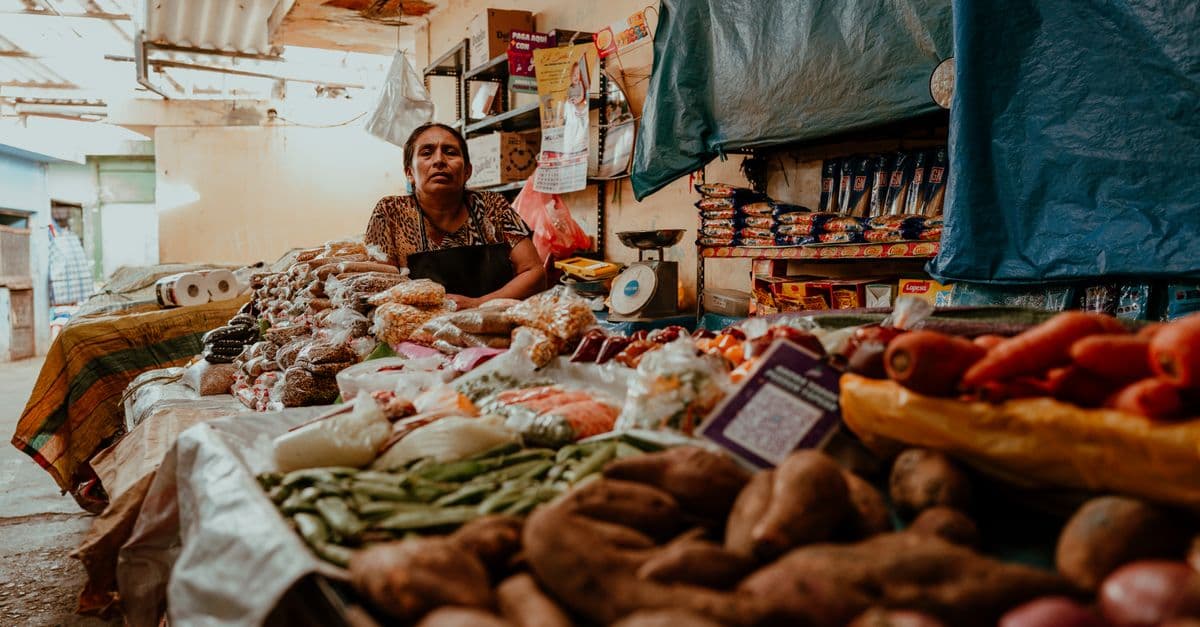
Create evidence-based, tailored nutrition programs that meet the specific needs of your target population and community setting. You'll develop culturally appropriate curricula, implementation roadmaps, and evaluation frameworks that address food access barriers, health disparities, and local preferences. The skill generates actionable program designs ready for pilot testing or full-scale rollout.
Features
Tailor nutrition interventions to your target demographic (seniors, children, low-income families, immigrant communities) with culturally appropriate messaging and evidence-based strategies
Generate assessment frameworks to evaluate food access, nutritional gaps, health disparities, cultural food practices, and community assets in your target setting
Build structured lesson plans, educational modules, and behavioral interventions grounded in peer-reviewed nutrition science and public health best practices
Ensure programs honor local food traditions, address health literacy in context, incorporate community leadership, and avoid deficit-based framing
Get step-by-step deployment plans including staffing needs, resource requirements, timeline milestones, stakeholder engagement, and change management strategies
Define outcome measures (behavioral, health, equity), data collection methods, and reporting tools to track program effectiveness and impact
Identify structural barriers (food deserts, cost, transportation, language) and generate practical solutions aligned with community capacity and resources
Example Output
Example 1: Senior Nutrition Program for Rural Area
Program Overview: 6-week peer educator model targeting isolated seniors with limited kitchen skills Key Components: Home-delivered meal guides using local seasonal foods, phone-based nutrition coaching in primary language, monthly potluck gatherings at community centers Staffing: 2 FTE coordinators, 8-10 trained peer educators from community Budget Estimate: $45K for first year Success Metrics: 60% attendance, 40% increase in vegetable intake (food diary), reduced social isolation scores
Example 2: Immigrant Family Nutrition Workshop Series
Program Design: 8-week series (kitchen skills, label reading, budget shopping, food safety) Cultural Adaptations: Teach using recipes from participants' cuisines, partner with food banks offering diverse ingredients, provide materials in Amharic, Mandarin, Spanish Community Partners: Local markets, health department WIC program, ESL centers Reach: 120 families/year at cost of $8 per person Indicators: Knowledge gains on nutrition quiz, reported confidence in meal planning, referrals to food assistance programs
What's Included
- Comprehensive Program Blueprint: Complete design including goals, target population profile, evidence base, core strategies, and implementation roadmap
- Curriculum & Lesson Templates: Ready-to-customize educational materials, discussion guides, recipe collections, and behavioral intervention activities
- Needs Assessment & Planning Tools: Survey templates, asset mapping worksheets, stakeholder interview guides, and community capacity assessment frameworks
- Equity & Cultural Responsiveness Checklist: Verification tools to ensure your program addresses health disparities, incorporates cultural practices, and builds community leadership
- Implementation Resource Guide: Staffing models, budget samples, timeline templates, risk mitigation strategies, and partnership development guidance
- Evaluation Framework & Logic Model: Theory of change diagram, outcome measurement tools, data collection templates, and reporting templates for funders and stakeholders
Who It's For
- Public Health Nutritionists and Dietitians
- Community Health Workers and Program Coordinators
- Nonprofit Program Directors and Managers
- Food Bank and Food Justice Advocates
- Health Department Staff and Policy Planners
Best For
- Designing nutrition programs for underserved populations
- Addressing food insecurity and health equity in specific communities
- Creating culturally appropriate educational curricula
- Developing grant proposals and program budgets
- Building community partnerships and implementation plans
You might also like

Generate comprehensive, personalized wellness plans tailored to individual client health profiles, goals, and lifestyles. You provide client information and Claude creates detailed, evidence-based plans including nutrition protocols, exercise routines, behavioral strategies, and progress tracking tools. Plans are customized for remote delivery with built-in accountability and monitoring mechanisms.
Build customized weight management strategies and behavioral coaching plans tailored to each client's unique health context. Generate motivational scripts, progress tracking systems, and client communications that support sustainable lifestyle change. Use Claude's analytical capabilities to develop evidence-based interventions grounded in behavioral psychology and nutrition science.
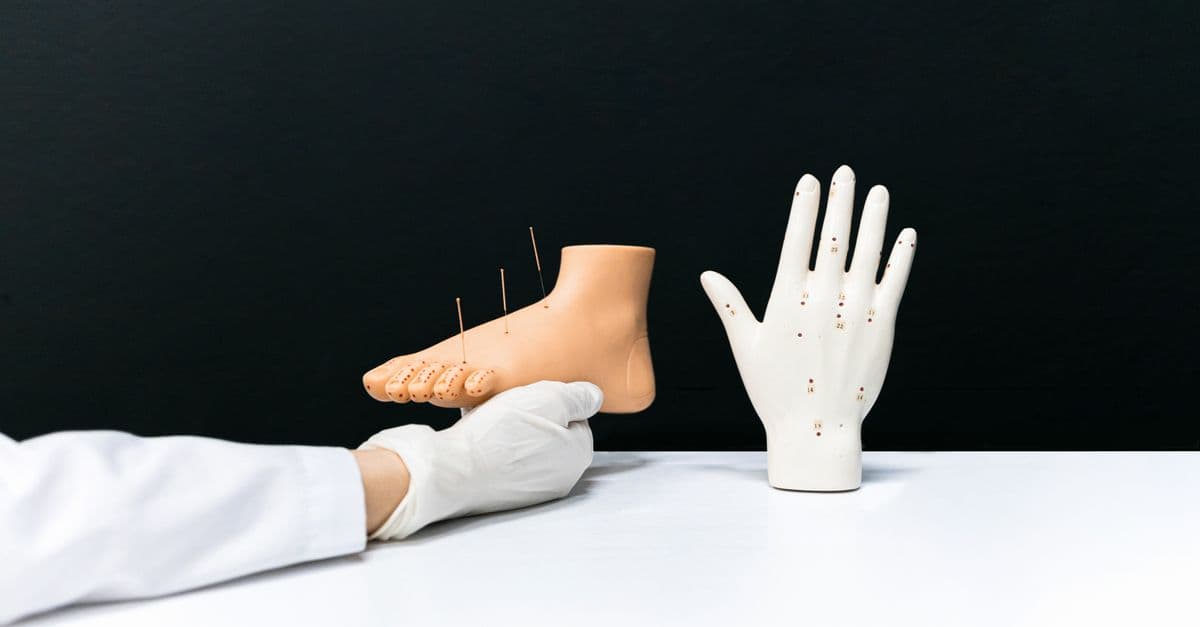
Create evidence-based acupuncture treatment plans that synthesize Traditional Chinese Medicine diagnostics with Western medical findings and patient history. You'll generate customized protocols with specific point recommendations, patient education materials, and professional clinical documentation ready for patient handoff and insurance submission.

Create comprehensive, clinically-sound patient care protocols that seamlessly combine conventional diagnostics with herbal, nutritional, and lifestyle interventions. You receive structured protocols with evidence citations, safety considerations, patient education components, and monitoring frameworks tailored to specific health conditions or patient populations.
You'll create comprehensive supportive care protocols and clinical documentation for cancer patients that integrate naturopathic and evidence-based complementary approaches with conventional oncology. This skill generates customized protocols for specific cancer types, treatment phases, and patient populations, complete with patient education materials and safety screening. You'll produce clinically formatted documentation ready for practitioner use or patient-facing education.
Use this skill to run comprehensive digital health assessments that gather client lifestyle, medical, and behavioral data, then automatically generate personalized wellness plans grounded in evidence-based behavior change principles. The skill creates actionable, realistic goals tailored to your client's circumstances and readiness for change, complete with progress tracking tools and structured accountability protocols.
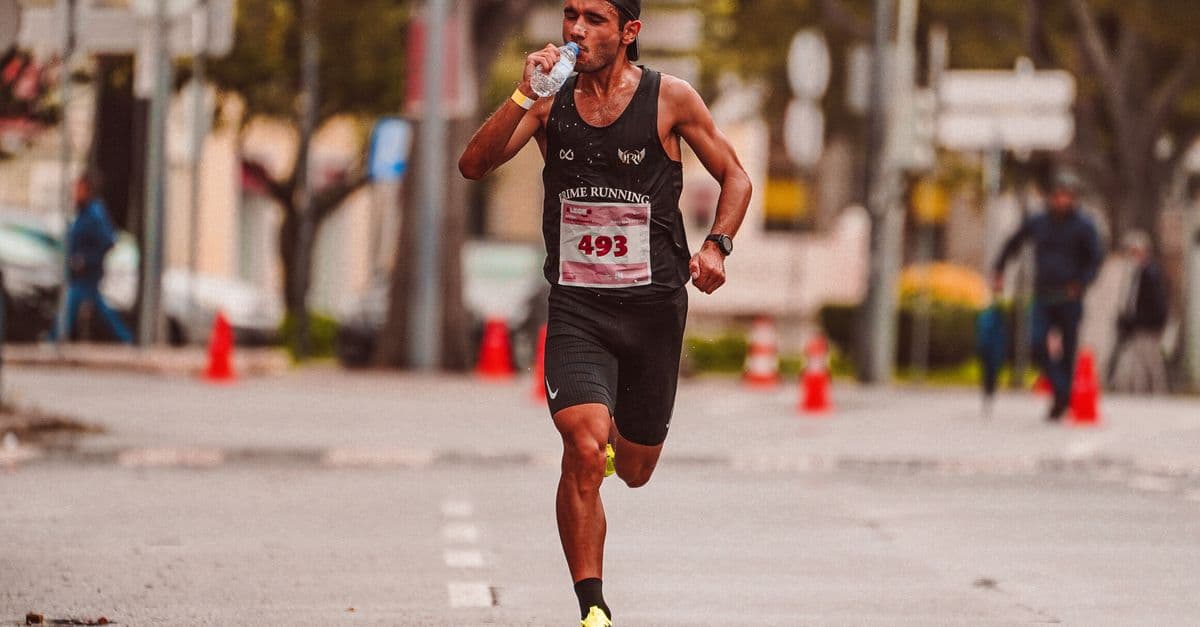
Design comprehensive, periodized nutrition programs that adapt to your athletes' training phases, competition schedules, and sport-specific demands. You'll synchronize macronutrient ratios, micronutrient timing, and hydration protocols with periodized training blocks to optimize performance across preparation, peak, and recovery phases. The skill analyzes athlete profiles, training structure, and competition calendars to generate actionable nutrition protocols grounded in sports science.

You develop structured acupuncture treatment plans by conducting thorough TCM assessments and selecting evidence-informed point protocols tailored to each patient's pain presentation and constitution. Claude helps you differentiate syndromes, sequence treatments, personalize protocols based on patient factors, and document clinical progress systematically. This ensures consistent, high-quality treatment planning that integrates traditional principles with modern clinical practice.