


ITS Signal Timing Optimization & Coordination
Optimize traffic signal timing and coordination for arterial ITS networks
What You Can Do
You can input traffic volume data, existing signal timing parameters, and corridor constraints to receive data-driven optimization recommendations. Claude analyzes cycle lengths, phase splits, offsets, and bandwidth strategies to reduce delay, improve throughput, and enhance safety. The skill generates technical timing specifications ready for field implementation or adaptive signal controller programming.
Features
Evaluate existing signal plans against performance metrics (delay, queue length, throughput) using HCM methods
Create bandwidth optimization, offset selection, and green wave analysis for arterial corridors
Generate alternative timing plans (different cycle lengths, splits) with performance trade-offs for stakeholder review
Recommend adaptive signal strategies and system parameters based on corridor characteristics
Optimize green time allocation across movements using volume ratios and critical lane analysis
Calculate progression offsets to maximize green wave travel and minimize stops
Produce controller timing tables, coordination plans, and implementation specifications
Estimate expected delay, queue length, and saturation impacts of proposed timing changes
Example Output
Example 1: Arterial Corridor Optimization
Input: 5-intersection arterial with current 90-sec cycle, poor coordination between intersections
Output:
- Recommended 100-sec cycle with offset sequence (0-25-50-18-40 sec) creating northbound green wave
- Phase split adjustments: EB/WB increased 5%, NB/SB decreased 3%
- Projected delay reduction: 12-18% during peak hour
- Bandwidth analysis: 65% of 100-sec cycle available for through-movements
Example 2: Congestion Mitigation Analysis
Input: High queue backup on approach; current 80-sec cycle, 40% green for congested movement
Output:
- Two scenarios: (A) Increase to 95-sec cycle with 52% green, or (B) Implement actuated control with min 35-sec, max 60-sec
- Scenario A: 8-sec reduction in average delay; impact on cross-street minimal
- Scenario B: Better handling of demand variation; requires vehicle detection infrastructure
- Recommendation with rationale and implementation steps
What's Included
- SKILL.md instruction file with ITS timing methodology and best practices:
- Timing Analysis Template: traffic volume inputs, existing plan data, performance baseline
- Optimization Worksheet: cycle length selection, phase split calculation, offset determination framework
- Coordination Strategy Checklist: bandwidth analysis, progression objectives, constraint validation
- Technical Specification Document: controller timing table format, field implementation guidance
Who It's For
- Traffic/Transportation Engineers — optimizing signal timing plans for corridors and intersections
- ITS Project Managers — coordinating adaptive signal system deployments and timing strategy
- Traffic Operations Planners — evaluating timing changes for congestion mitigation or safety improvement
- City/County Traffic Engineers — generating technical justification for signal retiming projects
- Consulting Transportation Firms — delivering timing analysis and optimization reports to municipal clients
Best For
- Arterial corridor signal coordination analysis and optimization
- Congestion hotspot mitigation through timing adjustments
- Green wave and bandwidth strategy development
- Adaptive signal system (SCATS/SCOOT) parameter recommendations
- Before-after performance evaluation and timing plan comparison
- Multi-scenario analysis for stakeholder decision support
- Technical documentation for field implementation or controller programming
You might also like

Query your local Screenpipe instance to retrieve screen recordings, audio transcriptions, UI element accessibility trees, keyboard/mouse input logs, and productivity analytics. You can search by keywords, filter by content type (audio, OCR, accessibility, input), set time ranges, and extract structured data about your applications, meetings, and work sessions without sending data to external servers.
 by az9713
You can submit architectural design documents, floor plans, and project parameters to receive a comprehensive compliance analysis that cross-references IBC, local amendments, zoning ordinances, and ADA accessibility requirements. Claude identifies specific gaps, cites applicable code sections, explains why each gap matters, and provides concrete remediation strategies—all before formal design review submission when corrections are costly and schedule-impacting.
by az9713
You can leverage Claude to synthesize regional seismic hazard data from authoritative sources (USGS maps, published studies), interpret probabilistic versus deterministic earthquake scenarios, and analyze how site conditions modify ground motions. Claude helps you justify seismic design parameters to clients and regulators, evaluate liquefaction and earthquake-induced landslide risks, and develop defensible recommendations aligned with ASCE 7 and current guidelines—accelerating report preparation without replacing specialized geotechnical software.
by az9713
You systematically evaluate your internal developer platform across dimensions like onboarding, deployment, tooling, and documentation to identify quantifiable friction points. Claude analyzes your platform's usability, creates a friction scoring matrix, and generates a prioritized improvement roadmap ranked by team impact and implementation effort. You get a data-driven strategy to reduce developer toil and accelerate delivery.
by az9713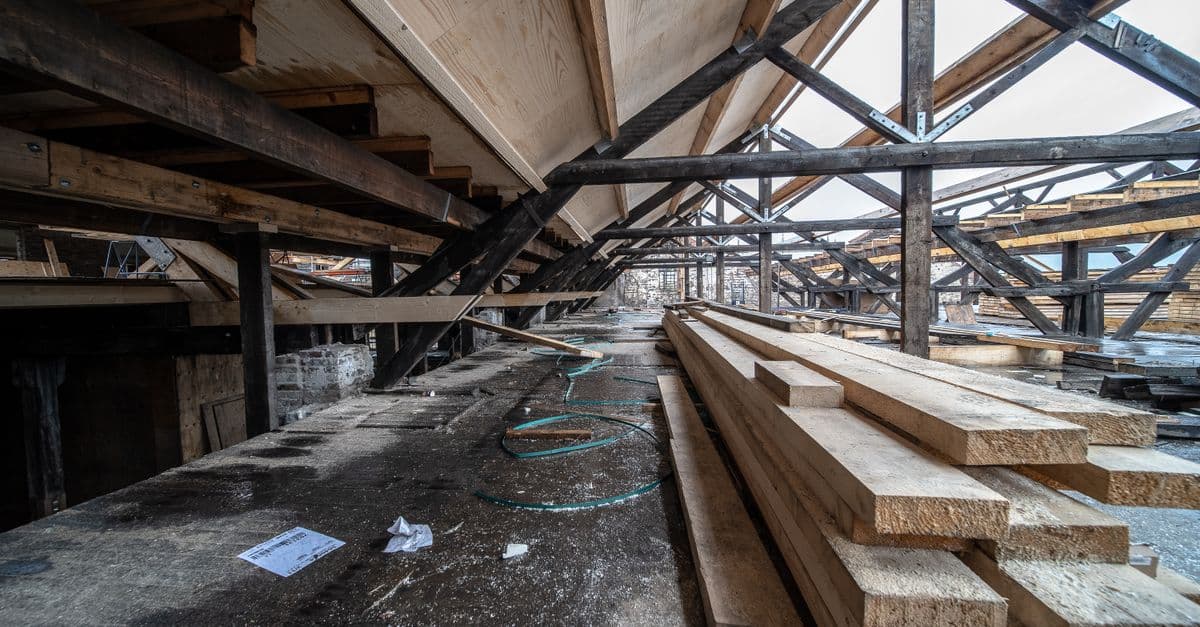
This skill enables you to rapidly produce structural analyses for timber members, including bending, shear, compression, and combined stress calculations. You can determine lateral load capacity for shear walls, design connections, evaluate code compliance against NDS standards, assess serviceability limits, and generate calculation frameworks suitable for permit submission and engineer stamping.
by az9713
Design earth retention systems by inputting soil properties, site geometry, and regulatory requirements. Claude calculates lateral earth pressures using Coulomb, Rankine, and Mononobe-Okabe methods, verifies factors of safety for internal and external stability, compares competing retention concepts (gravity walls, cantilever, anchored, sheet-pile, soil-nail), and generates cost-benefit analysis and regulatory documentation packages ready for permit submission.
by az9713
Quickly evaluate pavement design scenarios using AASHTO 1993 methodology to calculate required structural thickness for flexible (asphalt) and rigid (concrete) pavements. Analyze traffic loading by computing Equivalent Single Axle Loads (ESALs), assess subgrade conditions through CBR interpretation, and compare multiple design alternatives with different material combinations to optimize cost and performance. Generate preliminary design documentation with technical justification for client presentations and design reports.
by az9713
You can accelerate HVAC design workflows by inputting building parameters—envelope characteristics, occupancy data, climate conditions, and existing systems—and receiving calculated heating/cooling loads, equipment sizing recommendations, and zone-by-zone analysis. Claude organizes complex building data into actionable design parameters and specification summaries for client review, permit submission, and professional validation against ASHRAE and ACCA standards.
by az9713